Far Infrared Heat Explained: Understanding the Science and Application of Radiant Thermal Energy

Far infrared heat is a form of electromagnetic radiation within the infrared spectrum that transfers energy directly to objects and bodies via radiant waves rather than heating the surrounding air. By vibrating molecules within solid matter, this process generates deep, penetrating warmth that mimics the natural thermal properties of sunlight without the inclusion of harmful ultraviolet rays.
The Physics of Infrared Radiation
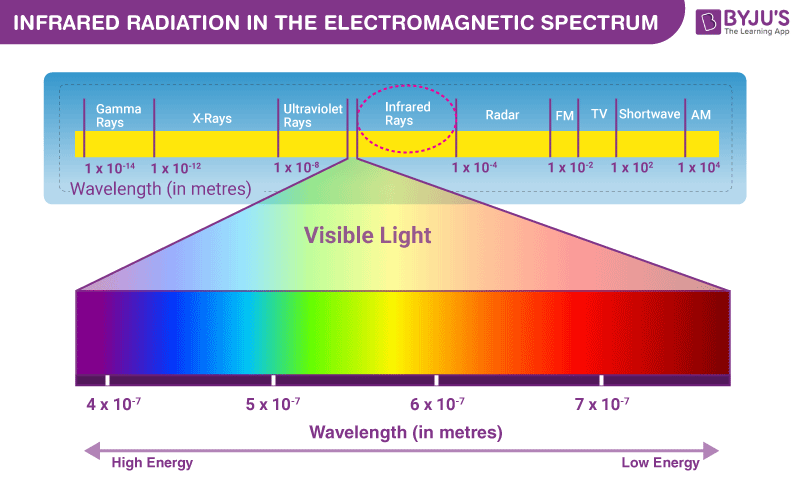
To understand far infrared heat, one must first look at the electromagnetic spectrum. Infrared light occupies the region between visible light—specifically the color red—and microwaves. This spectrum is further subdivided based on wavelength: Near, Mid, and Far.
Far infrared (FIR) typically refers to wavelengths ranging from 15 micrometers to 1,000 micrometers. Unlike convection heating, which relies on air molecules colliding to transfer heat, FIR energy behaves like light. It travels through space until it strikes an object, where it is absorbed and converted into thermal energy. This is why you can feel the warmth of a fire or a radiant heater even in a cold environment; the radiant waves bypass the air and stimulate the motion of atoms within your skin and clothing, resulting in a sensation of warmth.
The Mechanism of Radiant Transfer
Radiant heating operates on the principle of thermal radiation. Every object with a temperature above absolute zero emits infrared energy. When a high-emissivity material, such as carbon fiber or ceramic, is heated by electricity, it emits photons in the far infrared range. When these photons strike a solid surface—be it human tissue, a wall, or furniture—they are absorbed. This absorption increases the kinetic energy of the molecules, which manifests as heat. Because FIR does not rely on air circulation to distribute heat, it avoids common convective issues like dust circulation or the "cold draft" effect often found in forced-air heating systems.
Key Differences Between Heat Transfer Methods
It is essential to distinguish between the three primary modes of heat transfer to understand why far infrared is often favored in specific climate-control or therapeutic contexts.
Convection vs. Radiation
Convective systems (like traditional furnaces) heat the air. Hot air rises, creating a cycle where heat is lost to ceilings and leaks through windows. Because air is a poor conductor of heat, the system must work constantly to maintain room temperature. Radiant systems, however, create a "thermal mass." Walls, floors, and objects in a room absorb the FIR energy and release it slowly, providing a consistent thermal baseline that is less susceptible to rapid temperature drops when a door is opened.
The Role of Wavelengths
While all infrared heat provides warmth, the depth of penetration differs. Near-infrared waves have shorter wavelengths and can penetrate the skin more deeply but often result in more intense, localized surface heating. Far infrared, with its longer wavelengths, is generally absorbed by the uppermost layers of the skin and underlying tissues, providing a gentle, uniform sensation often described as a "core" warmth.
| Feature | Convective Heating | Far Infrared Heating |
|---|---|---|
| Primary Medium | Air | Solid objects/Bodies |
| Energy Efficiency | Lower (heat loss via air) | Higher (direct absorption) |
| Air Quality | Can circulate dust/allergens | Maintains stable air quality |
| Warm-up Time | Slow (requires full air change) | Near-instant |
| Thermal Feel | Ambient temperature | Radiant warmth |

Practical Applications of Far Infrared Heat
The adoption of FIR technology has moved beyond industrial usage into residential and therapeutic environments. Recognizing the specific application is vital for determining the necessary equipment specifications.
Residential Heating Solutions
In home environments, FIR panels are often used as primary or supplemental heating. These are typically flat, aesthetic panels mounted on walls or ceilings. Because they do not require ducts, they are ideal for retrofitting older homes or heating specific zones, such as a home office or a nursery, where individualized comfort is preferred over heating the entire house.
Therapeutic and Wellness Use
Far infrared saunas represent the most common personal health application. Unlike traditional steam saunas that heat the air to high temperatures, FIR saunas operate at lower temperatures, typically between 120°F and 140°F. The goal is to induce sweating by warming the body directly. Because the air remains cooler, users often find these saunas more tolerable for longer sessions.
Medical Disclaimer: While far infrared heat is widely used for comfort, individuals with heart conditions, pregnancy, or implanted medical devices should consult a healthcare professional before using high-intensity infrared equipment or saunas. This article does not constitute medical advice.
Considerations for Implementation
Transitioning to or utilizing far infrared technology requires an understanding of both physical requirements and operational limitations.
Prerequisites for Installation
For residential heating, the primary prerequisite is a stable electrical supply. Because infrared heaters can draw significant wattage, circuits must be assessed by a qualified electrician to ensure they can handle the load. Placement is equally critical; because FIR works via line-of-sight, the panels must be positioned where they are not obstructed by furniture or partitions.
Cost and Energy Considerations
The upfront cost of high-quality FIR panels is generally higher than that of convective space heaters. However, proponents often cite lower operational costs over time, particularly in well-insulated spaces where the radiant heat can be absorbed by the building materials, effectively turning the room into a thermal battery. When calculating costs for 2026, users must consider the local price per kilowatt-hour, as infrared heaters are electricity-intensive compared to natural gas furnaces.
Common Mistakes and Troubleshooting
Users often experience suboptimal results due to common misunderstandings of how infrared radiation interacts with their environment.
- Over-spacing: Attempting to heat a room that is too large for the wattage of the panel installed. FIR heaters are highly effective but rely on the surface area they can reach.
- Obstruction: Placing a chair or a large decorative item in front of a panel significantly reduces its effective range. FIR energy cannot travel through solid objects.
- Lack of Insulation: Relying on FIR in a room with poor insulation will result in heat loss. While radiant heat is less prone to air-loss, the heat absorbed by walls will eventually conduct to the outside if the structure lacks proper thermal barriers.
- Temperature Control: Using a standard thermostat designed for air temperature to control an infrared heater often leads to constant cycling. Many experts recommend using controls designed for radiant systems that account for the surface temperature of the room.
Frequently Asked Questions
Is far infrared heat safe? Yes, it is generally considered safe. It is a natural part of the light spectrum that we encounter daily from the sun and our own bodies. It does not contain ultraviolet radiation, which is the type associated with skin damage.
Why does my FIR heater not make the air feel hot? This is a feature, not a bug. Far infrared heat is designed to bypass the air and heat the surfaces and people within a space. If you feel warm, the system is performing correctly, even if the ambient air temperature remains lower than that of a forced-air furnace.
How do I choose the right wattage? A general guideline is to allow for approximately 50 to 100 watts of power per square meter, depending on the ceiling height and level of insulation. Consulting a professional HVAC contractor is the most reliable way to calculate the specific requirements for your room.
Can I use FIR panels in damp areas? Yes, but you must ensure the specific model has an appropriate IP (Ingress Protection) rating for wet or humid environments, such as bathrooms. Always check the manufacturer's documentation before installing electrical devices in areas prone to moisture.
How does FIR differ from a ceramic space heater? Many "ceramic" heaters are actually convective fans that blow air over a heated ceramic element. A true FIR heater uses the ceramic or carbon material to emit radiant waves directly, usually without an internal fan to move air.
Recommendation for Next Steps
If you are considering integrating far infrared heat into your home, start by conducting a thermal audit of your space. Identify the areas where you spend the most time stationary—such as near a desk or a bed—as these locations provide the highest return on investment for radiant heating. Prioritize purchasing panels that are certified by recognized national testing laboratories to ensure electrical safety and performance, and consult with a licensed electrician to verify that your home's wiring can accommodate the additional electrical load safely.
Image Gallery
Select an image to open it in a new tab.




Lars Thomsen
Global Labor Markets and Economic Strategy Editor
