Can Catholic Fathers Get Married? A Comprehensive Guide to Church Law and Celibacy
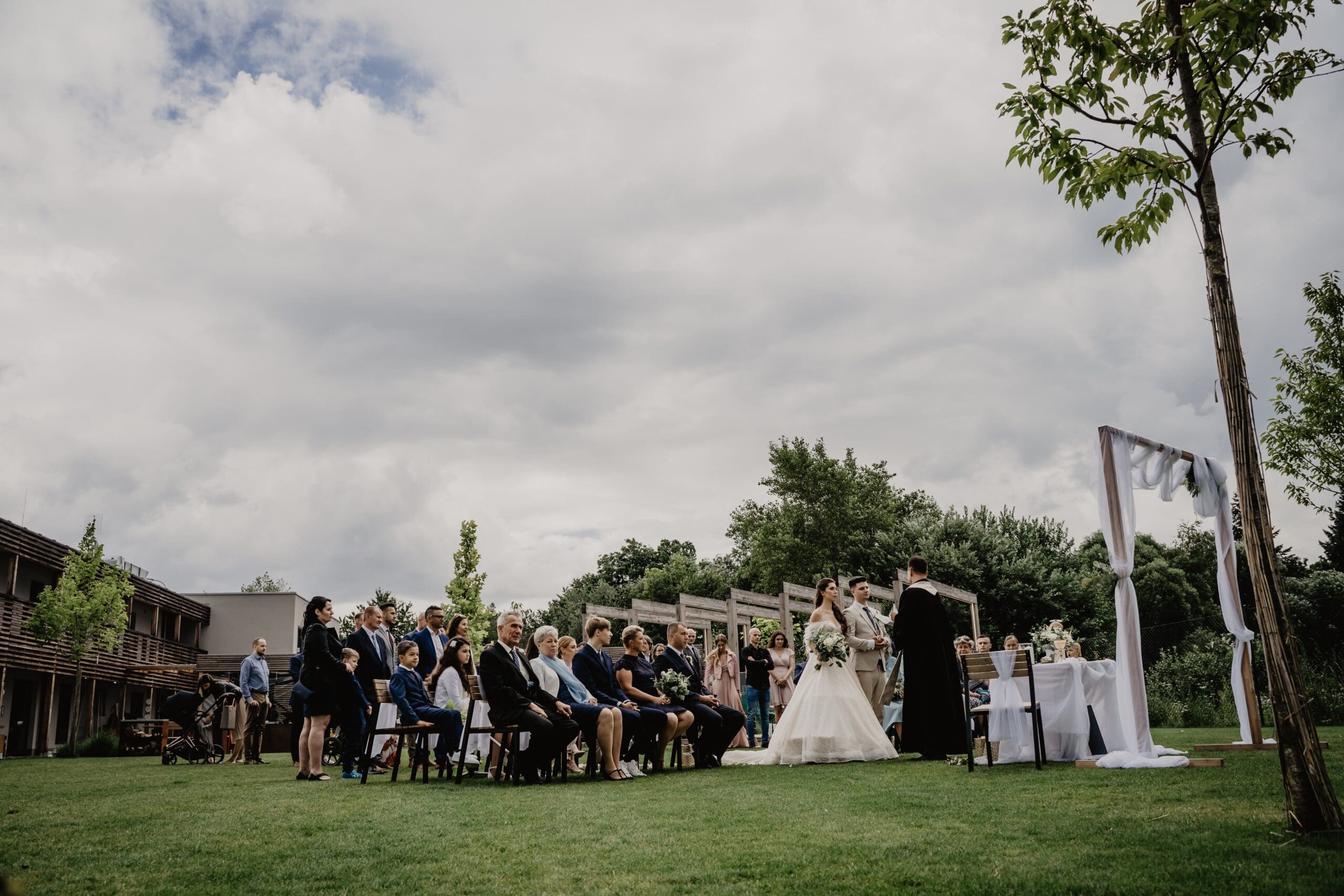
In the Roman Catholic Church, the ability of "fathers" (priests) to marry depends on their specific liturgical rite and previous status. While Latin Rite priests are bound by a law of celibacy and cannot marry, Eastern Catholic priests and certain former Anglican or Protestant ministers may be married. However, across all rites, no Catholic priest is permitted to marry after they have been ordained.
The question of whether Catholic priests can marry is one of the most frequently misunderstood aspects of ecclesiastical law. To understand the current status in 2026, one must distinguish between "dogma" (unchangeable truths) and "discipline" (changeable rules), as well as the various traditions that exist within the global Catholic Church. While the image of the celibate priest is the norm in the West, the reality is a complex tapestry of historical precedents, canonical exceptions, and theological convictions.
The Mandate of Celibacy in the Latin Rite
The vast majority of Catholic priests worldwide belong to the Latin (or Roman) Rite. For these men, clerical celibacy is a mandatory discipline. According to Canon 277 of the Code of Canon Law, "Clerics are obliged to observe perfect and perpetual continence for the sake of the kingdom of heaven and therefore are bound to celibacy which is a special gift of God."
This requirement is not considered a divine law—meaning it was not explicitly commanded by Jesus as a requirement for all apostles—but rather a "discipline" that the Church has the authority to change. However, it is a discipline with deep roots. In the Latin Rite, a man who wishes to become a priest must first make a promise of celibacy. If he is already married, he cannot be ordained a priest under normal circumstances.
The Theological Significance of Celibacy
The Church provides several reasons for maintaining this discipline:
- In Persona Christi: The priest acts "in the person of Christ." Since Christ was celibate, the priest's celibacy is seen as a way of more closely imitating the life of the Savior.
- Undivided Heart: St. Paul suggests in 1 Corinthians 7 that the unmarried man is anxious about the things of the Lord, while the married man is anxious about the things of the world and how to please his wife. Celibacy allows the priest to give his entire self to his parish "family."
- Eschatological Sign: Celibacy serves as a sign of the future Kingdom of God, where, according to Catholic teaching, people will "neither marry nor be given in marriage."
Exceptions: The Eastern Catholic Churches
It is a common misconception that all Catholic priests are Roman Catholic. The Catholic Church is actually a communion of 24 "sui iuris" (self-governing) churches. While the Latin Church is the largest, there are 23 Eastern Catholic Churches (such as the Ukrainian Greek Catholic Church or the Maronite Church) that are in full communion with the Pope.
In these Eastern Churches, the tradition of a married priesthood has been maintained since antiquity. A married man in an Eastern Catholic Church can be ordained to the priesthood. However, there are two strict limitations:
- Marriage Must Precede Ordination: A man must be married before he is ordained a sub-deacon or deacon. If he is single at the time of ordination, he must remain celibate. If his wife passes away, he is generally not permitted to remarry.
- Episcopal Celibacy: Even in Eastern Churches where priests may be married, bishops are chosen exclusively from the celibate clergy (often from monastic orders).
For decades, married Eastern Catholic priests were generally restricted from serving in "Latin" territories like the United States or Western Europe to avoid "scandalizing" the Latin faithful. However, in 2014, Pope Francis formally lifted these restrictions, allowing married Eastern Catholic priests to serve their flocks globally, provided they have the approval of the local bishop.
The Pastoral Provision and the Anglican Ordinariates
Another significant exception involves men who were previously ministers in other Christian denominations. Under the "Pastoral Provision" established by Pope John Paul II in 1980, and later expanded by Pope Benedict XVI’s 2009 apostolic constitution Anglicanorum Coetibus, married Anglican (Episcopal) and some Protestant ministers who convert to Catholicism can be ordained as Catholic priests.
These men remain married to their wives while serving as Catholic "fathers." This is a concession made to facilitate "corporate reunion" and to recognize the valid ministry these men performed before entering the Catholic Church. As of 2026, there are hundreds of married Catholic priests serving in the United States and the United Kingdom through these Personal Ordinariates. Like Eastern Catholics, these men cannot remarry if their spouse dies, and they are generally not eligible to be consecrated as bishops.
Permanent Deacons: Married but Restricted
To the casual observer, a deacon might be confused with a "father." Deacons are ordained members of the clergy (the "Diaconate"). The Catholic Church restored the "Permanent Diaconate" following the Second Vatican Council (1962–1965).
Permanent deacons are often married men with families and secular careers. They can baptize, witness marriages, and preach at Mass. However, the same fundamental rule applies: they must be married before they are ordained. A single man who is ordained a deacon must remain celibate. If a married deacon’s wife dies, he is expected to remain celibate for the remainder of his life, though a dispensation for remarriage can occasionally be granted by the Vatican in extreme cases (e.g., if he has young children to raise).
Comparison of Marriage Rules Among Catholic Clergy
The following table outlines the marriage eligibility for different groups within the Catholic clergy as of 2026.
| Clergy Type | Rite/Branch | Married Before Ordination? | Can Marry After Ordination? | Can Become a Bishop? |
|---|---|---|---|---|
| Latin Rite Priest | Latin (Roman) | No (Rare exceptions) | No | Yes |
| Eastern Rite Priest | Eastern Catholic | Yes | No | No |
| Ordinariate Priest | Latin (Anglican Tradition) | Yes | No | No |
| Permanent Deacon | All Rites | Yes | No | No |
| Monastic Priest | Religious Orders | No | No | Rare |
Historical Evolution of Clerical Celibacy
The requirement for Catholic "fathers" to be celibate was not established overnight. In the early Church, many priests and even bishops were married (including St. Peter). However, a preference for celibacy grew rapidly.
- Council of Elvira (c. 305 AD): One of the first local councils to suggest that all clerics should abstain from their wives.
- First Lateran Council (1123 AD): Formally forbade priests, deacons, and subdeacons from living with wives or concubines.
- Second Lateran Council (1139 AD): Declared that marriages attempted by clerics were not only unlawful but invalid. This was the definitive turning point that made celibacy a mandatory requirement for the Latin clergy.
The transition to mandatory celibacy was driven by both spiritual and practical concerns. Spiritually, the Church wanted a clergy that was fully dedicated to the "Bride of Christ" (the Church). Practically, the Church wanted to prevent ecclesiastical property from being inherited by the children of priests, which was a significant issue in the feudal era.
What Happens if a Priest Wants to Get Married?
If a Catholic priest in the Latin Rite decides he wishes to marry, he cannot simply do so and remain a priest in good standing. He must undergo a process known as laicization, often colloquially called "leaving the priesthood."
- Petition for Dispensation: The priest must petition the Holy See (the Vatican) for a "dispensation from the obligations of the clerical state," including the promise of celibacy.
- Investigation: The local bishop or religious superior conducts an investigation into the priest's reasons and his history.
- Loss of Clerical State: If the Pope grants the dispensation, the man is "reduced to the lay state." He is no longer allowed to function as a priest (except in extreme emergencies, such as hearing a dying person's confession).
- Valid Marriage: Once the dispensation is granted, the man is free to marry within the Catholic Church.
It is important to note that a priest who attempts to marry civilly without receiving this dispensation is automatically suspended from the exercise of his ministry and may be dismissed from the clerical state.
Current 2026 Perspectives and Future Outlook
As of 2026, the debate regarding "viri probati" (tested men)—the potential ordination of older, married men to the priesthood in regions with severe priest shortages—remains a topic of discussion within the Church. While the 2019 Amazon Synod brought this issue to the forefront, the central leadership in Rome has maintained the traditional discipline of celibacy for the Latin Rite.
The "shortage" of priests in the West has led some to advocate for an optional celibacy model, similar to the Eastern Churches. However, the Church's current stance remains that celibacy is a "brilliant jewel" that should be preserved. Proponents argue that the lack of priests is a crisis of faith rather than a crisis of celibacy, pointing to the growth of the Church in Africa and parts of Asia where celibacy is strictly observed.
Frequently Asked Questions
Can a Catholic priest be a father in the biological sense?
In the Latin Rite, a priest is expected to be celibate, so he should not have biological children. If a priest is found to have fathered a child, he is usually required to provide for the child's upbringing, and in many cases, he is encouraged or required to leave the active ministry to fulfill his responsibilities as a father. Married priests in the Eastern Rite or the Ordinariate, however, are biological fathers to their children.
If a priest leaves the priesthood to marry, can he ever come back?
Generally, no. Once a priest is laicized and granted a dispensation to marry, he is considered a layman for the purposes of Church law. While he still possesses the "sacramental character" of the priesthood (which is considered permanent), he is permanently barred from exercising his ministry.
Why can deacons marry but not priests?
Actually, deacons cannot marry after ordination either. The difference is that the Latin Church allows married men to become deacons, but it does not allow married men to become priests (except in the specific cases of Eastern Rites or converted ministers). The permanent diaconate is seen as a different vocation that does not require the same "undivided heart" as the priesthood.
Is the "Father" title used for married priests?
Yes. Whether a priest is a celibate Latin Rite priest, a married Eastern Catholic priest, or a married former Anglican minister, the title "Father" is the standard form of address in the Catholic tradition.
Practical Guidance for the Faithful
If you are considering a vocation to the priesthood or are involved in a parish with a married priest, it is helpful to verify the priest's specific jurisdiction.
- In a standard Roman Catholic parish: The priest is almost certainly celibate.
- In a Byzantine or Maronite parish: The priest may be married; this is a valid and ancient tradition.
- In an Ordinariate parish: The priest may be a former Anglican minister and thus married.
Regardless of their marital status, all Catholic priests are bound by the seal of the confessional and the duty to serve their congregations. Understanding these distinctions helps the laity appreciate the diverse ways the Church organizes its ministry while remaining united in faith.
Image Gallery
Select an image to open it in a new tab.
Zara El-Hashem
Sociocultural Dynamics and Academics Writer
