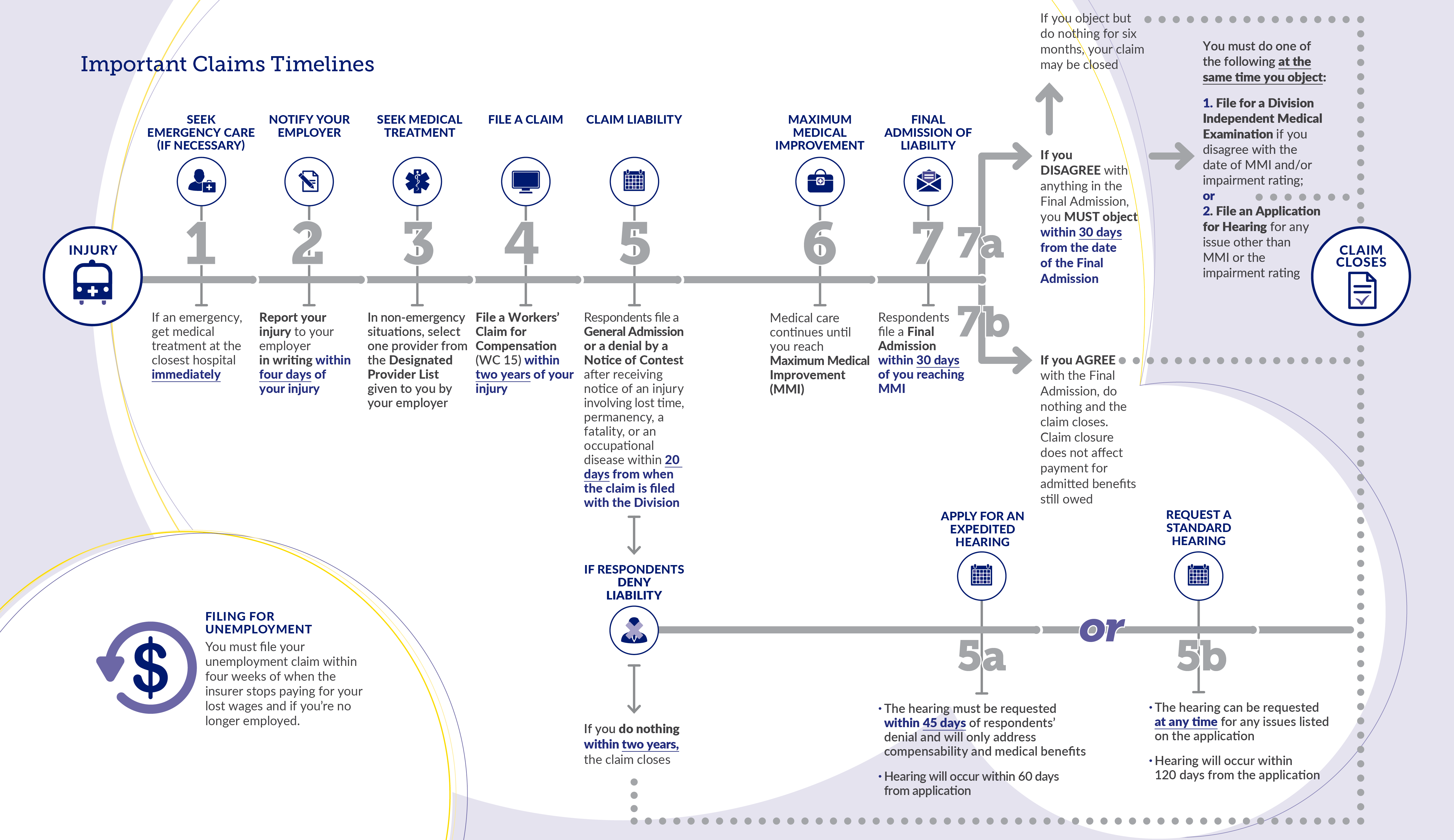
When a workplace injury or occupational illness occurs in Colorado, filing a timely and accurate workers compensation injury report is a critical legal and operational obligation. Under the Colorado Workers' Compensation Act, employers carry strict statutory responsibilities to report injuries to their insurance carriers, and employees must follow precise notification protocols to protect their rights to medical benefits and wage replacement. Understanding these requirements, deadlines, and forms ensures compliance with state regulations and facilitates a smooth claims process for all parties involved.
Understanding Colorado Workers Compensation Basics
Colorado operates a compulsory workers compensation system designed to provide medical, rehabilitation, and wage-loss benefits to employees who suffer job-related injuries or illnesses. Regardless of fault in most standard workplace accidents, covered employees are entitled to compensation, and employers are protected from costly civil lawsuits.
However, this trade-off relies heavily on strict adherence to reporting timelines and administrative procedures overseen by the Colorado Department of Labor and Employment (CDLE) Division of Workers' Compensation.
The system involves three primary stakeholders: the injured worker, the employer, and the insurance carrier. Each party plays a distinct role in documenting the incident and ensuring that the appropriate forms are filed with the state when required. Missteps during the initial injury reporting phase can lead to delayed medical authorization, disputed claims, or administrative penalties for non-compliant employers.
Employee Responsibilities: Reporting the Injury
The first step in any workers compensation claim begins with the employee. In Colorado, an injured worker must provide written notice of the injury to their employer within a specific statutory window to preserve their right to benefits.
Notice Deadlines
Under Colorado Revised Statutes Section 8-43-102, an employee must notify their employer in writing within four working days of the accident or the onset of an occupational disease.
- Why written notice matters: While verbal notice to a supervisor is a common first step, oral communication alone does not satisfy the statutory four-day written notice requirement. Providing written notice creates a clear paper trail that protects the employee if a dispute arises later.
- Consequences of late notice: Failing to provide written notice within four working days can result in a penalty where the employee loses one day of compensation for each day the notice is delayed, up to a maximum forfeiture, or can complicate the initial validity of the claim. However, exceptions exist if the employer had actual knowledge of the injury or if the employee was physically incapacitated.
What to Include in the Employee Notice
The written notice should be as specific as possible. It should include:
- The date, time, and exact location of the accident or when symptoms of an occupational illness were first noticed.
- A detailed description of how the injury occurred and what body parts were affected.
- The names of any witnesses present during the incident.
- Contact information for the injured worker.

Employer Responsibilities: Filing the Injury Report
Once an employer receives notice of a workplace injury that results in more than three days or shifts of lost time, permanent physical impairment, or requires medical treatment beyond standard first aid, the legal obligation shifts heavily to the employer and their workers compensation insurance carrier.
The Employer’s First Report of Injury (FROI)
Employers in Colorado are required to report any injury that causes more than three shifts/days of lost time, permanent impairment, or death to their insurance carrier immediately. Specifically, the insurer must file the Employer’s First Report of Injury (FROI) form with the Division of Workers' Compensation within 10 days of receiving notice from the employer or having knowledge of the injury.
- First Aid vs. Recordable Injury: Minor incidents requiring only basic first aid (such as a single bandage for a minor scrape without professional medical follow-up) generally do not trigger formal state reporting requirements, though employers should maintain internal incident logs.
- Lost Time Threshold: If the employee misses more than three consecutive calendar days or shifts of work due to the injury, the reporting clock starts ticking rapidly.
Summary of Key Colorado Workers Compensation Reporting Deadlines
| Action Item | Responsible Party | Statutory Timeframe | Consequence of Non-Compliance |
|---|---|---|---|
| Written Notice of Injury | Employee | Within 4 working days of the accident | Potential loss or reduction of benefits; delayed claims processing. |
| Notice to Insurance Carrier | Employer | Immediately upon receiving employee notice | Insurer delays filing; potential employer liability fines. |
| Filing FROI with State | Insurance Carrier | Within 10 days of employer notice | Administrative fines levied by the Division of Workers' Compensation. |
| Notice of Contest/Admission | Insurance Carrier | Within 20 days of receiving notice of injury | Automatic penalties or admission of liability by default. |
Step-by-Step Guide to Completing and Submitting the Report
When an injury meets the threshold for formal reporting, navigating the paperwork accurately is essential. The process relies heavily on coordination between the employer, the injured worker, and the insurance carrier.
Step 1: Seek Immediate Medical Attention
If the injury is an emergency, the employee must seek immediate medical care. For non-emergencies, Colorado employers have the right to designate authorized treating physicians or medical facilities, provided they have properly posted notices in the workplace outlining these choices.
- The employee must inform the medical provider that the injury is work-related so that bills are directed to the workers compensation insurance carrier rather than private health insurance.
Step 2: Gather Incident Details
The employer or designated safety manager must collect accurate facts regarding the incident. This includes reviewing security footage, interviewing witnesses, documenting equipment involved, and noting environmental conditions at the workplace.
Step 3: Complete the Employer's First Report of Injury (FROI)
The employer must supply all necessary details to their workers compensation insurance carrier. Most insurance providers utilize electronic portals or specific online intake systems to capture this data efficiently. Required information typically includes:
- Employer FEIN (Federal Employer Identification Number) and corporate contact data.
- Employee personal details, wage information, and hire date.
- Specific details of the accident, including the exact cause, equipment involved, and body parts injured.
- Details regarding lost work time and whether the employee has returned to work.
Step 4: Insurance Carrier Submission to the State
The insurance carrier reviews the FROI and transmits the official report electronically to the Colorado Division of Workers' Compensation through established electronic data interchange (EDI) protocols. Employers should always request a confirmation copy of the filed report for their internal compliance records.
Insurer Responses: Admissions and Contests
After the insurance carrier receives the injury report and files the FROI, they are bound by strict deadlines to accept or deny liability for the claim.
- General Admission of Liability (GAL): If the insurer accepts the claim, they file a General Admission of Liability or a Notice of Contest. A GAL outlines what benefits (medical, temporary disability) are being provided.
- Notice of Contest: If the insurer believes the injury did not arise out of and in the course of employment, or if there are coverage disputes, they must file a Notice of Contest within 20 days of receiving the notice of injury.
Navigating a contested claim often requires formal hearings or mediations through the Colorado Office of Administrative Courts.
Common Mistakes and Troubleshooting
Errors during the injury reporting phase can derail an otherwise straightforward claim. Avoiding these frequent pitfalls protects both workers and business operations:
- Delaying Written Notice: Employees often assume that telling a manager verbally fulfills their duty. Always follow up verbal reports with a written email, memo, or company incident form within the four-day window.
- Misclassifying Lost Time: Employers occasionally fail to report injuries assuming the worker will return quickly. If an employee misses more than three shifts, the reporting requirement is mandatory.
- Choosing Unauthorized Doctors: In Colorado, seeing a doctor outside the employer's designated provider network (unless emergency care is required) can result in the insurer refusing to pay for unauthorized medical treatment.
- Incomplete Documentation: Vague descriptions on the injury report (e.g., "hurt back" instead of "lower lumbar strain while lifting a 50-pound box at 2:15 PM") can trigger investigations or disputes by the insurance carrier.
Frequently Asked Questions
What happens if my employer refuses to file a workers compensation injury report in Colorado?
If an employer refuses to report an injury or discourages an employee from filing, the employee can contact the Colorado Division of Workers' Compensation Customer Service unit directly at 303-318-8700 or file a Worker's Claim for Compensation (WC 15 form) independently with the state. Employers who intentionally fail to report injuries face severe state penalties.
Can I choose my own doctor for a work injury in Colorado?
Generally, no. In Colorado, employers have the right to direct medical care by designating a list of authorized treating physicians or medical clinics. Employees must seek care from these approved providers for non-emergency treatment to ensure the medical bills are covered by workers compensation.
What types of benefits are provided after an injury report is filed?
Once a claim is accepted, injured workers may be entitled to several types of benefits, including full coverage of authorized medical expenses, temporary total or partial disability benefits to replace lost wages while recovering, and permanent disability benefits if the injury results in lasting impairment.
How long do I have to file a formal claim with the state if my employer or insurer ignores the report?
Under Colorado law, an injured worker generally has two years from the date of the injury to file a formal Application for Hearing with the Division of Workers' Compensation if benefits are denied or disputed. Waiting beyond this statute of limitations can permanently bar recovery.
Next Actions and Expert Guidance
If you are an employer handling a recent workplace incident, verify that your internal safety logs are up to date, ensure written employee notices are archived, and submit the incident data to your insurance carrier immediately to meet the strict 10-day state transmission window. If you are an employee who has suffered a job-related injury, ensure you have submitted written notice to your supervisor, sought treatment from an authorized medical provider, and verified that your employer has initiated the claims process. For complex disputes or severe injuries, consulting with a qualified Colorado workers compensation attorney or reaching out directly to the CDLE Division of Workers' Compensation Customer Service provides personalized guidance and safeguards your legal rights.
Image Gallery
Select an image to open it in a new tab.





Zara El-Hashem
Sociocultural Dynamics and Academics Writer
