What Does EVA Mean in Space? Understanding Extravehicular Activity

In the context of space exploration, EVA stands for Extravehicular Activity. It refers to any activity performed by an astronaut, cosmonaut, or taikonaut outside of a spacecraft while in the vacuum of space. Often referred to as a "spacewalk," an EVA requires the use of a specialized pressure suit to provide oxygen, temperature regulation, and protection against the harsh radiation and vacuum environment found beyond the Earth’s atmosphere.
The Definition and Scope of Extravehicular Activity
At its core, an EVA represents one of the most complex and dangerous tasks in human spaceflight. When an crew member leaves the pressurized environment of a vehicle—such as the International Space Station (ISS) or a planetary lander—they transition into the "extravehicular" realm. The term encompasses a wide range of tasks, from routine maintenance and the replacement of hardware to the assembly of large-scale orbital structures.
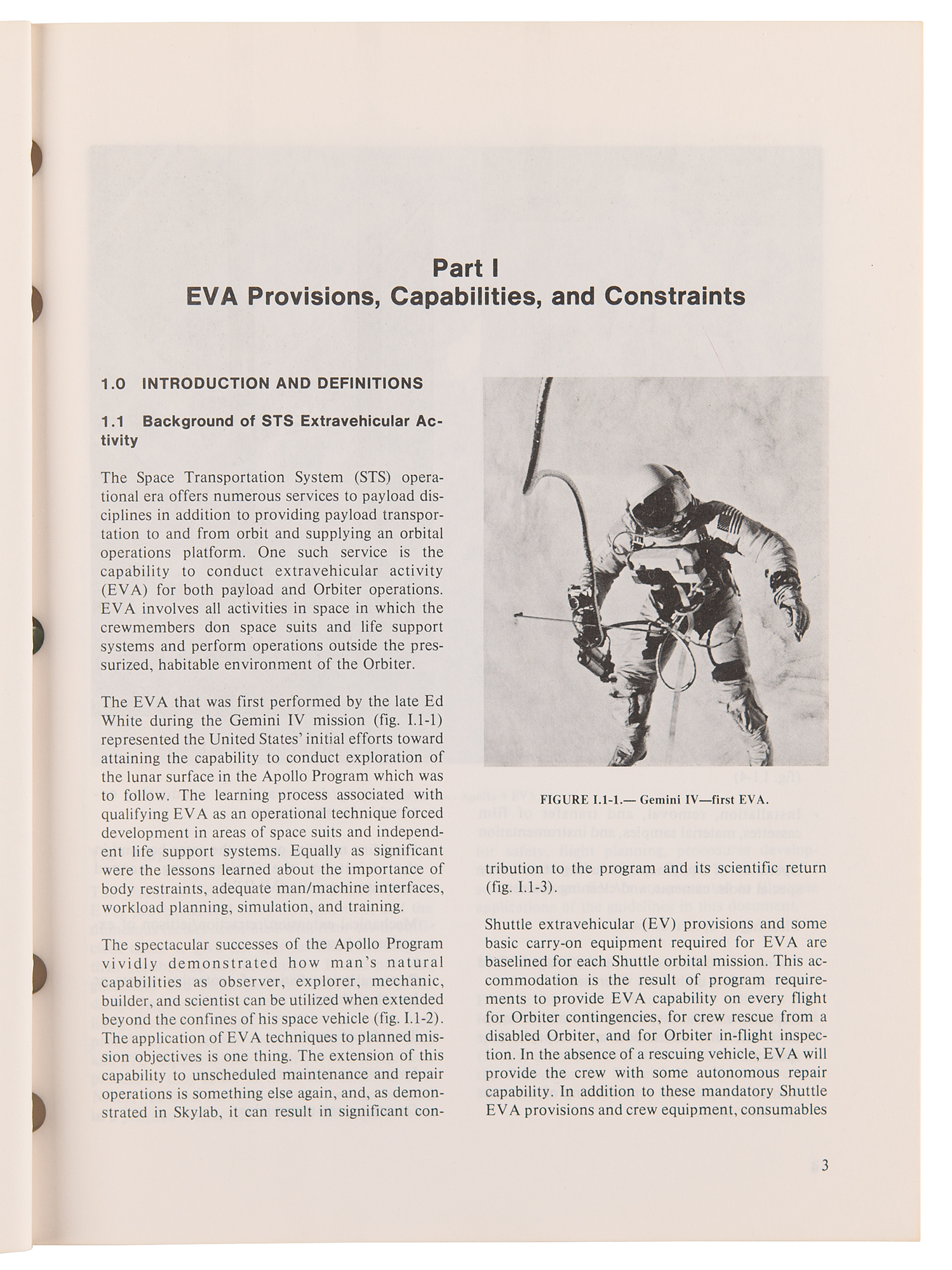
For an activity to be classified as an EVA, the participant must be outside the spacecraft's pressurized hull. While this is commonly done by exiting through an airlock, the definition also includes instances where a crew member remains attached to the vehicle via a tether or uses a mobility unit to maneuver freely. Since the early days of the Gemini and Vostok programs, the necessity of EVAs has shifted from simple proof-of-concept tests to critical operational requirements for mission success.
The Role of the Extravehicular Mobility Unit (EMU)
The primary "tool" that makes an EVA possible is the Extravehicular Mobility Unit, or EMU. More than just a suit, the EMU functions as a miniature, autonomous spacecraft. It is designed to sustain human life in an environment that would otherwise be lethal within seconds.
The EMU provides several critical life-support functions:
- Pressurization: It maintains a constant internal pressure of pure oxygen to prevent the nitrogen-related physiological issues associated with rapid pressure changes, such as decompression sickness.
- Thermal Control: Space is an environment of extreme temperature fluctuations—ranging from intense solar heating in direct sunlight to freezing cold in the shade. The suit uses a Liquid Cooling and Ventilation Garment (LCVG), which circulates water through tubes against the wearer's skin to dissipate heat.
- Radiation and Micrometeoroid Protection: Multiple layers of high-strength synthetic fibers (such as Kevlar and Mylar) provide a physical shield against space debris and ionizing radiation.
- Communication: Integrated radio systems ensure that the spacewalker remains in constant contact with mission control and the internal crew.
Types of Extravehicular Activity
Not all EVAs are identical in execution or objective. Space agencies generally categorize these missions based on where the activity occurs and how the astronaut is supported.
1. Tethered EVAs
This is the most common form of EVA. The astronaut is physically connected to the spacecraft via a safety tether. This prevents the crew member from drifting away into space if they lose their footing or if their primary mobility systems fail. Tethers are reinforced with steel or high-tensile fabric to ensure they can withstand the stresses of orbital movement.
2. Untethered EVAs
These are rare and reserved for specific testing scenarios. In an untethered EVA, the astronaut uses a propulsion system, such as the Manned Maneuvering Unit (MMU) used by NASA in the 1980s, to fly around the spacecraft. Because there is no physical link to the ship, the propulsion system must be highly redundant to prevent the astronaut from becoming stranded in orbit.
3. Planetary EVAs
This term is used for activities performed on the surface of a moon or planet, such as the Apollo lunar landings. While the physics of vacuum remain the same, planetary EVAs introduce the complications of gravity and abrasive surface materials like lunar regolith.
Comparison of EVA Operational Environments
| Feature | Orbital EVA (ISS) | Planetary EVA (Lunar/Mars) |
|---|---|---|
| Primary Risk | Drift, debris impact | Gravity, dust/regolith, terrain |
| Mobility | Microgravity/Handrails | Walking/Rovers |
| Duration | Typically 6–8 hours | Depends on life-support capacity |
| Support | Air-tether or free-float | Landing vehicle/Base habitat |
Why Are EVAs Necessary?
Despite the development of advanced robotics, human beings remain the most versatile tools in space. When the ISS requires a component replacement, a robot may be able to handle simple manipulations, but the complex dexterity required to route delicate wiring or unjam a stuck mechanism often necessitates human hands.
Furthermore, EVAs are essential for emergency repairs. In 2026, as in previous decades, the ability of crews to perform unplanned "contingency EVAs"—such as fixing solar array malfunctions or damaged heat shields—is a cornerstone of station safety. The ability to perform manual intervention has saved numerous missions that would have otherwise been deemed complete losses.
Preparation and Training: The Neutral Buoyancy Laboratory
One cannot simply step into space and begin working. The preparation for an EVA is grueling and takes place months, sometimes years, before the mission. The gold standard for this training is the Neutral Buoyancy Laboratory (NBL).
The NBL is a massive pool containing a full-scale replica of the ISS. Astronauts are lowered into the water wearing a weighted, pressurized suit. By balancing buoyancy and weight, engineers create a "neutral" environment that mimics the physical sensation of microgravity. This allows astronauts to practice the physical movements, reach, and torque required to turn bolts or manipulate tools in a space suit, which is notoriously stiff and difficult to move in under pressure.
Common Risks and Safety Protocols
The vacuum of space is unforgiving. If a suit experiences a pressure leak, the lack of atmospheric pressure can cause gases in the human body to expand, leading to catastrophic medical events. Safety protocols are built into every stage of an EVA:
- Pre-breathe Protocols: Before exiting the airlock, astronauts spend hours breathing pure oxygen to purge nitrogen from their blood. This prevents the "bends" when moving from the higher pressure of the cabin to the lower pressure of the suit.
- Redundancy: Every critical system in the EMU—from the oxygen flow to the electrical power—has a backup.
- Buddy System: Astronauts always work in pairs. This ensures that if one person suffers an equipment malfunction or becomes incapacitated, the other can assist them back to the airlock.
The Future of EVA: Technological Evolution
Looking ahead to 2026 and beyond, the design of EVAs is evolving to support long-duration stays on the Moon and the eventual transit to Mars. Current suits are being updated for increased mobility, particularly in the lower torso, to allow astronauts to walk and kneel more effectively on uneven terrain. Innovations in suit glove technology are also a major focus, as the hands are often the first part of the body to experience fatigue during long hours of repetitive labor.
Furthermore, future mission profiles emphasize shorter, more efficient EVA preparation times. Traditional airlock cycles are time-consuming and labor-intensive. New "suit-port" technology, where the suit remains attached to the exterior of the craft and the astronaut climbs directly into it through a rear hatch, is being tested to minimize the duration of the pre-breathe process and protect the interior cabin from harmful planetary dust.
Frequently Asked Questions
How long does a typical spacewalk last? Most EVAs last between six and eight hours. This duration is dictated by the amount of oxygen and power available in the EMU’s portable life-support system.
Do astronauts feel cold during an EVA? No, they are protected by the LCVG (Liquid Cooling and Ventilation Garment). Even though space is cold, the sun’s radiation and the body's own metabolic heat generate so much energy that overheating is actually a much greater risk than freezing.
Can an astronaut survive without a suit? No. Exposure to a vacuum causes oxygen to be pulled from the blood, leading to loss of consciousness within seconds. Furthermore, the lack of pressure would cause fluids in the body to boil, and extreme temperature exposure would cause severe tissue damage.
Why do astronauts use tethers? Tethers are the primary safety mechanism to prevent an astronaut from drifting away. While modern suits have backup propulsion systems, a physical tether provides an absolute guarantee that the crew member will not be lost to the void.
Is an EVA always planned in advance? Most EVAs are part of a scheduled maintenance cycle. However, "contingency EVAs" are planned on short notice to deal with unexpected hardware failures that threaten the viability of a mission or the safety of the crew.
Recommendation for Further Learning
If you are interested in the evolution of these missions, I recommend reviewing the official mission logs provided by international space agencies such as NASA or the ESA. These databases offer chronological records of every EVA conducted since the 1960s, providing detailed insights into the specific technical objectives, the duration of the spacewalks, and the lessons learned that continue to inform current aerospace engineering and human exploration strategies.

Image Gallery
Select an image to open it in a new tab.


Celine Dubois
Contemporary Living and Global Arts Columnist
