Sherwood Schwartz the Television Creator: The Architect of the American Sitcom
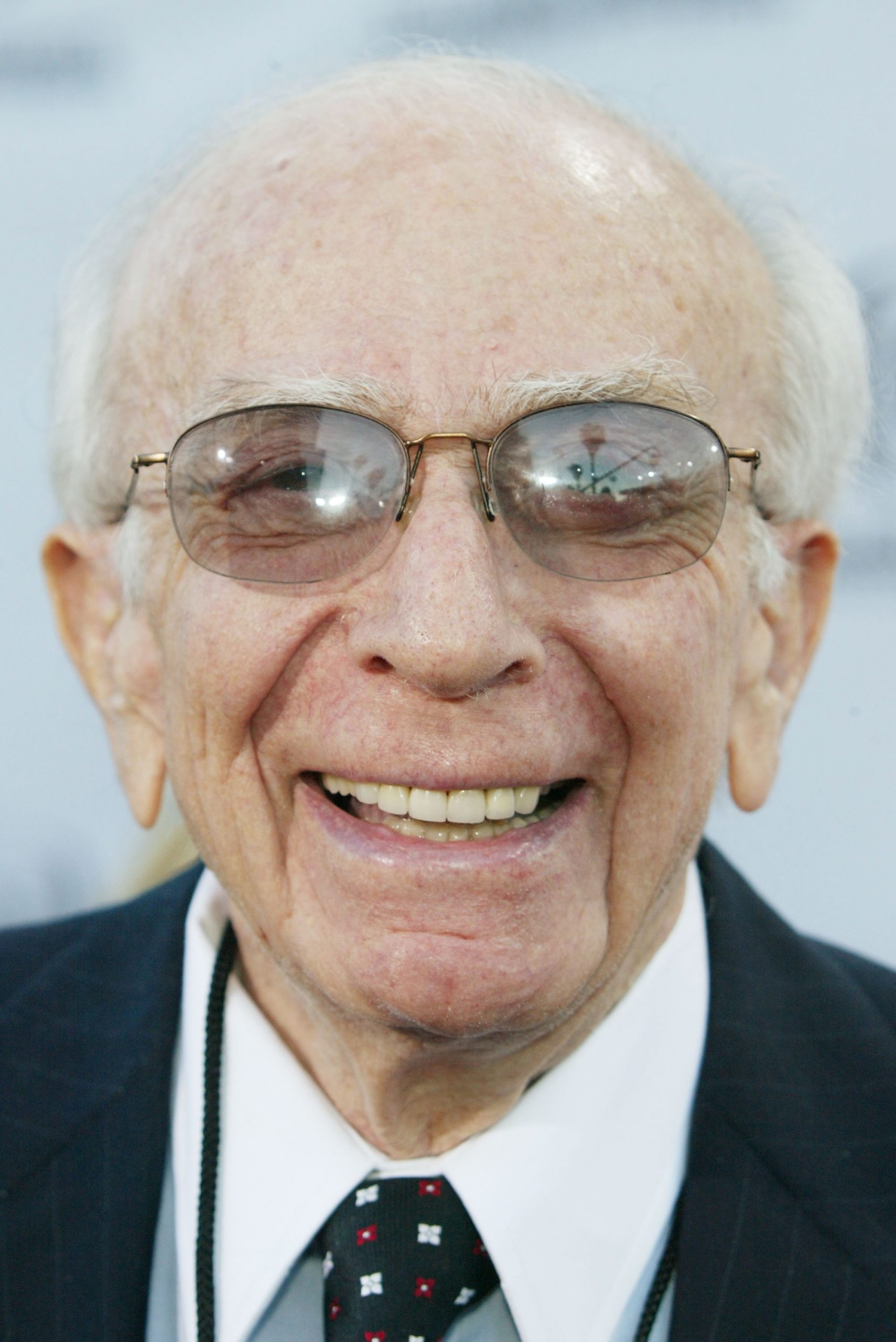
Sherwood Schwartz was a visionary television producer and writer who revolutionized the sitcom genre by creating two of the most enduring cultural touchstones in media history: Gilligan’s Island and The Brady Bunch. His work prioritized high-concept premises, sociological themes disguised as slapstick, and the pioneered use of expositional theme songs to ensure audience accessibility.
The Foundation of a Creative Giant
To understand Sherwood Schwartz the television creator, one must look back at the origins of his career in the "Golden Age" of radio and early television. Born in 1916, Schwartz did not initially set out to be a writer; he was a biology student aiming for a career in medicine. However, his elder brother, Al Schwartz, was a writer for Bob Hope’s radio program, and Sherwood began contributing jokes to help pay for his education.
This accidental entry into comedy writing revealed a natural aptitude for the "gag" and the "setup." By the 1940s and 1950s, Schwartz had become a staple in the writing rooms of legendary entertainers like Bob Hope, Ozzie and Harriet, and Red Skelton. It was during his tenure with The Red Skelton Show that Schwartz won an Emmy Award in 1961, cementing his status as a top-tier writer in the industry.
However, Schwartz was not content with merely writing jokes for other people's characters. He possessed a distinct philosophy about what television could achieve. He believed that the medium had the power to explore human relationships through simplified, almost allegorical settings. This philosophy led to the creation of his first solo masterpiece, a show that almost every network executive initially rejected.
Gilligan’s Island: The Sociological Microcosm
When Sherwood Schwartz pitched Gilligan’s Island in the early 1960s, the concept was met with skepticism. The idea of seven disparate individuals stranded on a desert island seemed too limited for a long-running series. Critics viewed it as "low-brow" or "mindless" comedy. Yet, for Schwartz, the island was a social laboratory.
The "Social Glue" Theory
Schwartz famously stated that his goal for Gilligan’s Island was to create a "social microcosm." By stripping away the luxuries and structures of modern civilization, he wanted to see how people from vastly different backgrounds—a millionaire, a farm girl, a movie star, a scientist—would be forced to cooperate to survive.
He intentionally chose archetypes rather than deeply complex characters to ensure that the "clash of classes" was immediate and readable for the audience. The "Skipper" represented authority, "The Professor" represented intellect, "Mr. Howell" represented capital, and "Gilligan" was the Everyman (or the "common denominator" of human error).
The Innovation of the Expositional Theme Song
One of Schwartz’s most significant technical contributions to television was the "expositional theme song." He realized that if a viewer tuned into a show mid-season, they might be confused by the premise. To solve this, he wrote the lyrics to "The Ballad of Gilligan’s Isle" himself. The song explained exactly how the characters got there and who they were. This ensured that the barrier to entry for a new viewer was non-existent—a strategy that became a cornerstone of successful television syndication.

The Brady Bunch: Redefining the American Family
Following the success of Gilligan’s Island, Schwartz turned his attention to the changing landscape of the American household. In 1969, he launched The Brady Bunch. While it is often remembered as a saccharine portrayal of 1970s life, its inception was rooted in a very real sociological trend: the rise of the blended family.
Addressing the Blended Family Premise
Schwartz had read a newspaper statistic stating that more and more American families were becoming "blended" (parents with children from previous marriages). At the time, this was a relatively taboo subject for primetime comedy. Schwartz fought to have the show reflect this reality.
While the network was hesitant about the idea of divorce, Schwartz settled on the parents being widowed, which allowed the show to focus on the integration of two distinct family units. The "us vs. them" dynamic of the three boys and three girls provided a fountain of narrative conflict that sustained the show for five seasons and decades of spin-offs.
The Aesthetic of Optimism
Schwartz’s hallmark as a creator was his unwavering optimism. In The Brady Bunch, no problem was so large that it couldn’t be solved within 22 minutes through communication and familial love. While this drew criticism for being unrealistic, it was exactly what the American public craved during the turbulent years of the Vietnam War and social unrest. By 2026, media historians still point to The Brady Bunch as the ultimate "security blanket" of television, a testament to Schwartz's understanding of the audience's emotional needs.
Creative Philosophy: Writing for the Common Man
Sherwood Schwartz was often at odds with television critics who felt his work was "silly" or "unintellectual." Schwartz, however, wore the "king of the sitcom" mantle with pride. He argued that writing a show that millions of people of all ages could enjoy was a far more difficult task than writing for a niche, elite audience.
He focused on several key pillars in his creative process:
- Universality: Every story had to be understandable by a child but entertaining enough for an adult.
- Physical Comedy: Schwartz utilized slapstick (especially in Gilligan’s Island) because it was a universal language.
- The "Schwartzian" Structure: His episodes followed a rigid but effective structure: a goal is established, an obstacle (usually internal to the group) arises, a comedic failure occurs, and a resolution through cooperation is achieved.
The Business of Syndication and Longevity
Perhaps the most impressive aspect of Sherwood Schwartz’s career was his mastery of syndication. Both Gilligan’s Island and The Brady Bunch were modest hits during their original runs, but they became juggernauts in afternoon reruns.
Schwartz understood that for a show to live forever, it needed to be "evergreen." He avoided heavy political commentary or overly specific contemporary references that would date the material. As of 2026, his shows continue to be broadcast globally, proving that his focus on basic human types and simple moral lessons was a winning formula for long-term commercial viability.
| Feature | Gilligan's Island | The Brady Bunch |
|---|---|---|
| Original Run | 1964–1967 | 1969–1974 |
| Primary Theme | Sociological cooperation in isolation | Integration of the blended family |
| Character Style | Broad archetypes / Slapstick | Relatable family units / Moral lessons |
| Network | CBS | ABC |
| Key Innovation | The Expositional Theme Song | Representation of "The Step-Family" |
| Total Episodes | 98 | 117 |
Critical Reception vs. Audience Impact
The tension between Schwartz and the critical establishment is a vital part of his biography. In many ways, Schwartz was a populist. He frequently responded to critics by pointing at the ratings and the longevity of his shows. He believed that the critics missed the "soul" of his work—the idea that despite our differences, we are all in the same boat (or house).
His resilience against negative reviews allowed him to maintain his creative vision. He refused to "age up" his shows or make them more cynical to please the press. This steadfastness ensured that the "Schwartz Brand" remained synonymous with wholesome, high-concept entertainment that parents felt safe letting their children watch.
Later Years, Recognition, and Legacy
In his later years, Sherwood Schwartz transitioned into the role of a legendary elder statesman of the industry. He oversaw numerous "reunion" movies, animated spin-offs, and even a stage musical version of Gilligan’s Island.
His contributions were eventually recognized by the very institutions that had once been cool toward his work. In 2008, he received a star on the Hollywood Walk of Fame and was inducted into the Television Academy Hall of Fame. These honors confirmed that his impact on the medium was not just about ratings, but about shaping the cultural DNA of several generations.
Even in 2026, the influence of Sherwood Schwartz is visible in modern sitcoms. The "fish out of water" trope and the "ensemble comedy in a confined space" are direct descendants of the formula he perfected on the SS Minnow. He remains the gold standard for how to create a "sticky" television brand that survives the transition from broadcast to cable to streaming.
Frequently Asked Questions
Did Sherwood Schwartz write the theme songs for his shows?
Yes, Sherwood Schwartz was a primary writer for the theme songs of both Gilligan's Island and The Brady Bunch. He understood that the theme song was a narrative tool that could explain the show's premise to new viewers, which was essential for the success of the shows in syndication.
What was Sherwood Schwartz’s "social microcosm" theory?
Schwartz believed that Gilligan's Island was more than a comedy; it was a study of how different segments of society (intellect, wealth, fame, and the common worker) would interact when forced together. He used the island as a setting where these characters had to put aside their class differences to work toward the common goal of "getting off the island."
Why were his shows so successful in syndication?
His shows were successful in syndication because they were designed to be "evergreen." By focusing on universal human archetypes and timeless family dynamics rather than current events or trendy slang, the content remained relatable to children and families across different decades.
How did the industry honor Sherwood Schwartz?
Despite early critical dismissal, Schwartz was eventually honored with an Emmy Award (for writing on The Red Skelton Show), a star on the Hollywood Walk of Fame, and induction into the Television Academy Hall of Fame. These awards recognized his role as a pivotal figure in the history of American broadcasting.
Was The Brady Bunch the first show to feature a blended family?
While not the very first, it was the most successful and influential show to make the blended family its central premise. Schwartz fought for this concept because he saw it as a growing reality in American life that was not being reflected on television at the time.
Practical Recommendation for TV Students and Creators
For those studying television production or screenwriting, the career of Sherwood Schwartz offers a masterclass in premise-driven storytelling. His ability to distill complex social dynamics into a simple, repeatable format is the key to creating a show with "legs."
If you are developing a concept today, ask yourself: "Can a viewer understand the entire world of my show in under 60 seconds?" If the answer is no, consider the Schwartzian approach—simplify the archetypes and use your "opening" (whether it be a theme song or a cold open) to establish the social "microcosm" clearly. Excellence in television often lies in the balance between broad appeal and a hidden, deeper thematic resonance.
Image Gallery
Select an image to open it in a new tab.





Simon Caldwell
Enterprise Technology and Systems Editor
