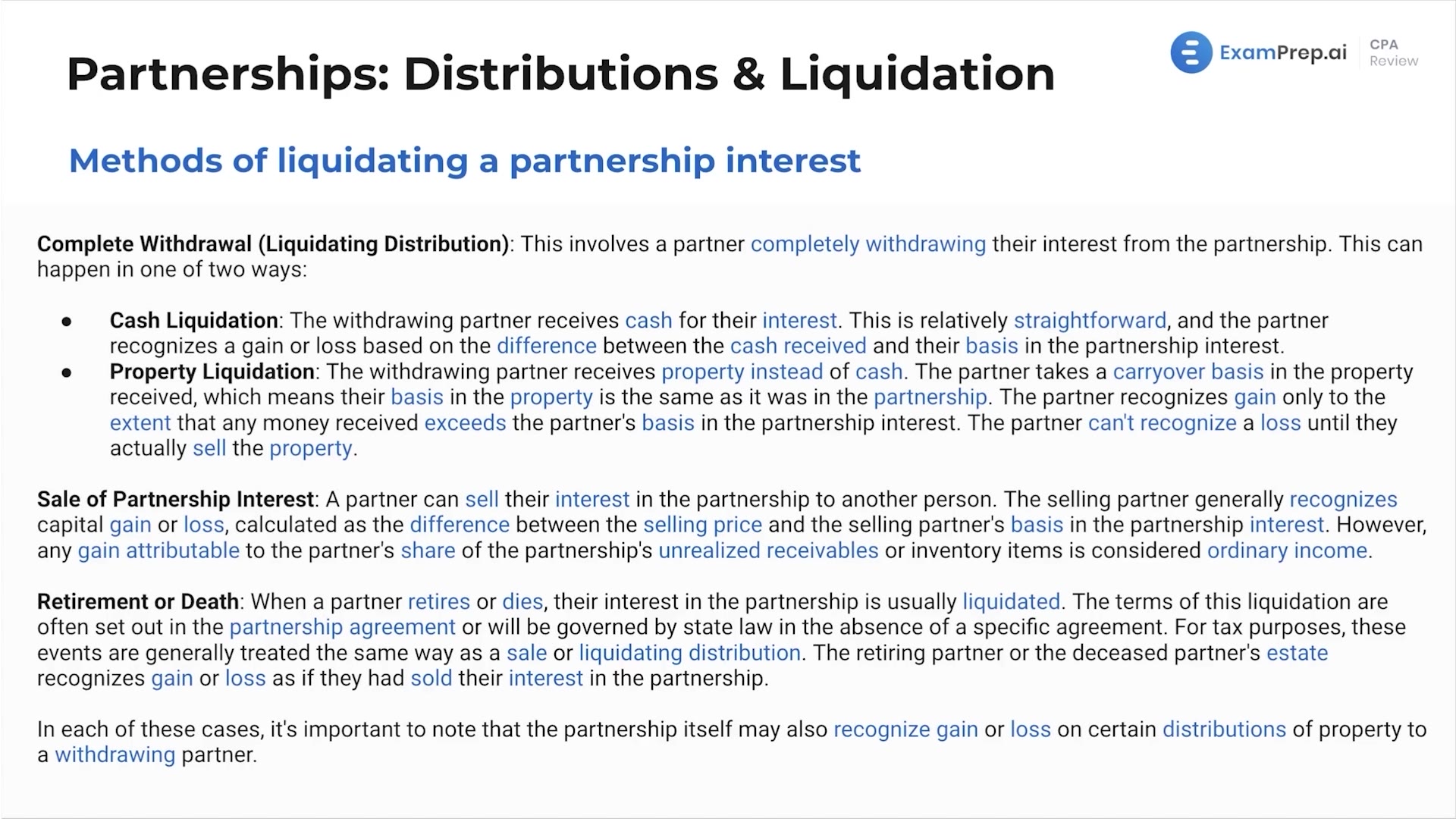
Determining whether to liquidate a business partnership is a complex decision that hinges on balancing the emotional weight of a dissolving professional relationship against the objective financial and operational realities of the entity. Liquidation becomes a prudent path when the cost of maintaining the partnership—in terms of capital drain, legal liability, or strategic misalignment—consistently exceeds the projected value of its continued operation.
Understanding the Partnership Liquidation Lifecycle
A partnership is a voluntary association of two or more persons to carry on a business as co-owners for profit. When this structure no longer serves its intended purpose, liquidation is the formal process of settling accounts, paying off debts, and distributing remaining assets among the partners. It is distinct from a simple "buy-out," where one partner leaves but the business continues; liquidation implies the definitive end of the firm's existence.
The decision to liquidate is rarely made in isolation. It is usually the result of a rigorous audit of the partnership’s viability against its governing documents, such as the Partnership Agreement. If you are questioning the future of your firm, you must first distinguish between a temporary operational slump and a structural failure.
When Liquidation Becomes the Most Logical Path
While no partner enters a business expecting to shutter it, market dynamics and internal shifts can render a partnership obsolete. Recognizing the signs early can prevent the erosion of remaining capital.
Persistent Financial Insolvency
If the partnership is consistently unable to meet its liabilities as they fall due, continuing the business may lead to personal liability for the partners. In many jurisdictions, general partners are personally liable for the debts of the firm. If the business is essentially a "zombie" entity—where revenue only covers interest on debt without providing a return on investment—liquidation is not just an option; it is a fiduciary responsibility to minimize further losses.
Fundamental Strategic Deadlock
A partnership requires consensus. When partners reach an impasse on the fundamental direction of the company—such as capital investment strategy, product pivoting, or ethical standards—the business often stalls. If the Partnership Agreement lacks a "shotgun" clause or a clear mechanism for breaking deadlocks, the resulting paralysis can destroy the company's market position. If the stalemate is permanent, liquidating the assets is often the only way to recover the "sunk" equity.
Breach of Fiduciary Duty or Trust
The bedrock of any partnership is the duty of loyalty and care. When a partner engages in self-dealing, misappropriation of funds, or gross negligence, the trust necessary to operate is irrevocably broken. If the legal cost of removing the offending partner exceeds the value of the business, dissolving the partnership becomes a protective measure to stop the drain on resources and mitigate further legal risk.
Change in External Market Conditions
Sometimes the partnership is healthy, but the market it serves has vanished. Disruptive technologies, regulatory shifts, or changes in consumer behavior may render the partnership’s service or product irrelevant. Rather than "throwing good money after bad," liquidating while assets—such as real estate, equipment, or intellectual property—still hold residual value is a superior financial strategy compared to riding the decline to zero.
Comparative Framework: Liquidation vs. Other Exit Strategies
Before choosing liquidation, partners should evaluate whether other exit strategies offer a better return. Use the following table to compare the implications of different dissolution methods.
| Strategy | Primary Benefit | Risk Level | Operational Impact |
|---|---|---|---|
| Liquidation | Total cessation of liability | High (Loss of goodwill) | Ends all business operations |
| Buy-Out | Continuity of business | Low (For seller) | Keeps operations intact |
| Merger | Scaling and cost efficiency | Moderate | Changes governance structure |
| Sale to Third Party | Capitalization of goodwill | Moderate | Potential loss of culture |
The Procedural Prerequisites of Liquidation
Liquidating a partnership is a regulated process. You cannot simply walk away; you must follow the procedures outlined in your original Partnership Agreement or the relevant statutes in your jurisdiction, such as the Uniform Partnership Act in many U.S. states.
1. The Decision and Notification
The process begins with an formal agreement to dissolve. This should be captured in a written resolution signed by all partners. Following this, you must provide notice to creditors, employees, and relevant government agencies. Failure to notify creditors can leave partners exposed to claims even after the assets are distributed.
2. Asset Realization
Asset realization involves converting non-cash assets into liquid capital. This includes selling office equipment, inventory, intellectual property, and real estate. The primary challenge here is valuation. In 2026, many specialized assets may face depreciation due to technological shifts; obtaining an independent third-party appraisal is essential to ensure that assets are sold at fair market value and that no partner is accused of undervaluing property for personal gain.
3. Satisfaction of Liabilities
The hierarchy of debt repayment is non-negotiable. Before any partner receives a distribution, you must satisfy:
- Outside creditors (Banks, suppliers, tax authorities).
- Partner loans (Loans made by partners to the partnership).
- Capital accounts (The original investment made by partners).
If the assets are insufficient to cover these debts, the partners may be required to contribute personal funds to make up the shortfall, depending on the partnership structure.
Risks and Common Pitfalls to Avoid
Liquidation is a high-stakes environment where emotions often override logic. Being aware of common pitfalls can safeguard your financial future.
Ignoring Tax Implications
Liquidation is a taxable event. The sale of business assets may trigger capital gains taxes, and the discharge of debt may be treated as cancellation-of-debt income. Consulting with a tax professional before initiating the process is crucial to ensure you do not inadvertently incur a massive, unexpected tax liability.
Poor Documentation
The most frequent cause of litigation during liquidation is poor record-keeping. Every transaction, asset sale, and debt payment must be documented with precision. Without a clear paper trail, disgruntled partners or creditors may allege that assets were "hidden" or diverted, leading to protracted legal battles that exhaust the remaining capital.
Undervaluing Intangibles
Many partnerships fail to account for the value of their brand, customer lists, or proprietary data. These intangible assets can often be sold to competitors or integrated into a new venture. Neglecting to liquidate these items properly means leaving money on the table.
Regulatory and Legal Compliance
Your partnership is likely registered with the Secretary of State or a local business registry. You must formally file a Certificate of Dissolution or the equivalent document in your jurisdiction. This acts as the official public record that the entity has ceased operations. Ignoring this step can lead to ongoing tax obligations and annual filing fees, even if the business is effectively dead.
Furthermore, ensure that you comply with local labor laws regarding the termination of employees. The "warn" period for layoffs, if applicable, must be honored to avoid punitive damages.
Frequently Asked Questions
What happens if we can't agree on how to liquidate?
If partners cannot reach an agreement, the dispute often heads to judicial dissolution. A court will appoint a receiver or liquidator to sell the assets and pay the debts. This is expensive and strips the partners of control; it should be avoided at all costs by pursuing mediation or arbitration first.
Does liquidating stop my personal liability?
Generally, no. Liquidation ends the future generation of debt, but it does not absolve partners of past liabilities. If the partnership is insolvent, the partners remain responsible for the outstanding debts unless they reach a settlement with the creditors.
How is the "Fair Market Value" of assets determined?
Fair Market Value is typically established by an independent appraiser. In 2026, with the rapid evolution of digital assets, ensure your appraiser has experience with your specific niche, as the valuation of proprietary software or digital platforms differs significantly from physical real estate.
Is there a specific time of year that is best for liquidation?
While you can liquidate at any time, many partnerships prefer to align the dissolution with the end of the fiscal year. This simplifies tax reporting and allows for a clean break in financial records. However, if the business is insolvent, the risk of delaying liquidation to meet an arbitrary date outweighs any tax simplicity.
Can I reopen the same business after liquidating?
Yes, but you must be careful. If you liquidate and immediately start a new business with the same assets and customers, creditors of the old entity might argue that the "liquidation" was a fraudulent conveyance designed to shed debt. Consult with legal counsel to ensure the separation between the old and new entities is legally sound.
Recommendation and Next Steps
If you suspect your partnership is no longer viable, the first action is to conduct a private, objective "solvency and strategy audit." Gather your current balance sheet, your original Partnership Agreement, and a list of all outstanding liabilities.
Do not discuss liquidation with your partners until you have consulted with a business attorney. You need a clear understanding of your specific liabilities and the requirements of your governing documents before opening the conversation. Once you have a firm grasp of your legal position, propose a formal, amicable dissolution. Aiming for an orderly, negotiated liquidation is almost always more cost-effective than a forced, court-ordered dissolution. If the partnership is solvent, prioritize a sale of the business or its assets to maximize the return on the investment you and your partners have made.
Image Gallery
Select an image to open it in a new tab.
Lars Thomsen
Global Labor Markets and Economic Strategy Editor
