Where to Find Blue Crab: A Comprehensive Guide to Locations, Seasons, and Habitats

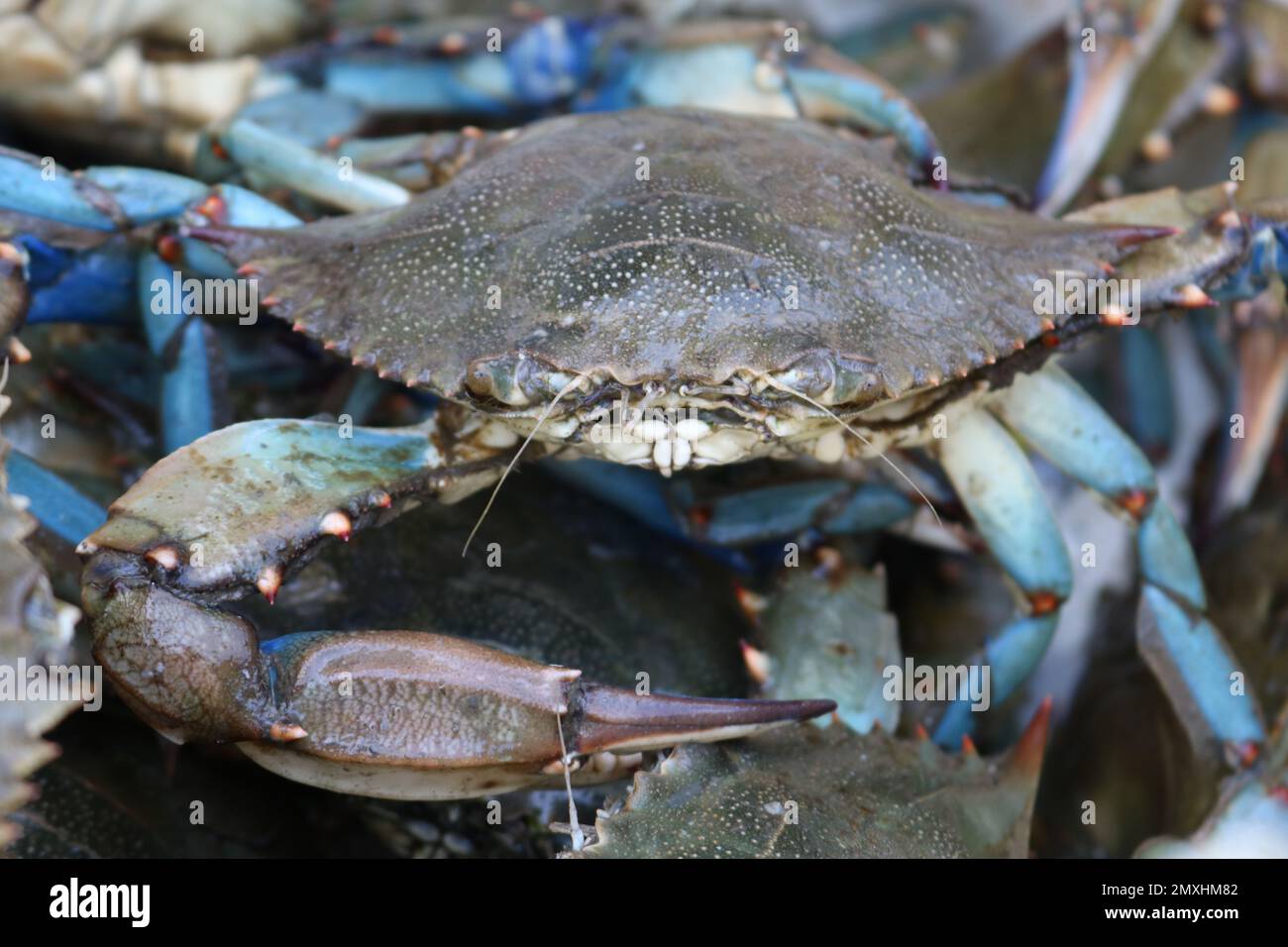
Blue crabs (Callinectes sapidus) are primarily found along the Atlantic coast of the Americas, ranging from Nova Scotia to Argentina, and throughout the Gulf of Mexico. They thrive in brackish estuaries, salt marshes, and shallow coastal waters. The Chesapeake Bay and Louisiana’s coastal marshes remain the most productive regions for finding them.
The blue crab, whose scientific name translates to "beautiful savory swimmer," is one of the most sought-after species for both recreational crabbers and commercial fisheries. Finding them requires an understanding of their complex life cycle, their preference for specific water chemistry, and the seasonal migrations that dictate their movement between deep channels and shallow shorelines. Whether you are looking to harvest them yourself or find the freshest retail sources, knowing the environmental cues and geographic hotspots is essential for success.
Geographic Hotspots for Blue Crab
While the blue crab has a vast range, certain regions are synonymous with high population densities. As of 2026, these areas continue to lead in both ecological importance and harvest volume.
The Chesapeake Bay (Maryland and Virginia)
The Chesapeake Bay is the cultural and biological heart of blue crab territory. The bay’s massive estuarine system provides the perfect mix of freshwater runoff and Atlantic salt water.
- Maryland’s Eastern Shore: Rivers such as the Wye, Chester, and Choptank are legendary for producing "heavy" crabs. The abundance of submerged aquatic vegetation (SAV) provides cover for molting crabs.
- Virginia’s Lower Bay: The mouth of the bay near Virginia Beach and the Hampton Roads area serves as a critical spawning ground. Female crabs, known as "sooks," migrate here in late summer and fall to release their eggs in higher-salinity waters.
The Gulf Coast (Louisiana and Texas)
Louisiana is the largest producer of blue crabs in the United States. The state’s vast network of coastal marshes and bayous offers a nutrient-rich environment that supports year-round activity in some areas.
- Terrebone and Lafourche Parishes: These areas are primary hubs for commercial crabbing and offer endless public piers for recreational enthusiasts.
- Galveston Bay, Texas: This is a major secondary hotspot in the Gulf, where crabs are found in the shallow flats and near the intracoastal waterway.
The Atlantic Seaboard
Beyond the Chesapeake, the Atlantic coast offers significant opportunities:
- North Carolina: The Pamlico and Albemarle Sounds are vast, shallow nurseries for blue crabs.
- New Jersey and Delaware: The Delaware Bay and the "Jersey Shore" back bays (like Barnegat Bay) are highly productive from June through September.
- The Southeast: South Carolina’s "Lowcountry" and Georgia’s tidal creeks are teeming with crabs, often found around oyster reefs and dock pilings.
Understanding Blue Crab Habitat
To find blue crabs effectively, one must look past the general map and focus on specific micro-habitats. Blue crabs are highly adaptable but follow strict patterns based on their physiological needs.
Salinity and Water Type
Blue crabs are euryhaline, meaning they can tolerate a wide range of salinities. However, their location often depends on their sex and life stage.
- Males (Jimmies): Typically found further upstream in lower-salinity, brackish water or even near-freshwater river mouths.
- Females (Sooks): Generally prefer higher-salinity waters, especially as they mature and prepare to spawn near the ocean.
Structure and Cover
Crabs are both predators and prey. They seek out environments that offer protection, especially during the "soft shell" phase after molting.
- Eelgrass and Seaweed Beds: These are the primary hiding spots for juvenile crabs and those currently molting.
- Marsh Edges: During high tide, blue crabs move into the grasses of salt marshes to forage for snails, bivalves, and small fish.
- Man-made Structures: Bridge pilings, dock supports, and rock jetties provide surfaces for algae and barnacles, which attract the small organisms blue crabs eat. These are prime spots for recreational hand-lining.
Bottom Composition
Blue crabs prefer "soft" bottoms consisting of mud or a mix of sand and silt. This allows them to bury themselves partially to ambush prey or hide from larger predators like striped bass or red drum. If you are crabbing in a sandy, high-surf area, you are less likely to find blue crabs and more likely to encounter lady crabs or ghost crabs.

Seasonal Availability and Timing
In 2026, climate trends continue to influence the "crabbing window," particularly in the northern reaches of their range. Generally, the warmer the water, the more active the crab.
Spring (The Awakening)
As water temperatures rise above 50°F (10°C), blue crabs emerge from the mud where they have spent the winter in a state of dormancy. In the Gulf of Mexico, this happens as early as February or March. In the Mid-Atlantic, the season truly begins in late April or May.
Summer (Peak Activity)
June through August is the prime time for finding blue crabs. During this period, they are feeding aggressively and molting frequently. This is also the best time to find soft-shell crabs, which are blue crabs caught immediately after they have shed their hard exoskeleton.
Fall (The Fattening)
Many enthusiasts consider September and October the best months for crabbing. As the water cools, crabs begin to move toward deeper channels to prepare for winter. During this time, they "fill out," meaning their meat becomes dense and sweet. In the Chesapeake, "Number 1" males are most prized during the autumn months.
Winter (Dormancy)
In colder climates, blue crabs bury themselves in the deep-water mud of the main channels. Commercial "dredging" for crabs in winter is strictly regulated and, in many states like Maryland, banned to protect the spawning population. In the deep South and Florida, crabs may stay active year-round, though their metabolism slows significantly.
How to Locate Blue Crabs for Purchase
If you are not catching them yourself, finding high-quality blue crabs requires knowing where the supply chains are strongest.
- Local Seafood Shacks: In coastal states, look for "crab houses" that specialize specifically in steaming crabs. These establishments usually have direct contracts with local watermen, ensuring the crabs were in the water less than 24 hours prior.
- Dockside Markets: Many commercial piers in Louisiana, Maryland, and North Carolina allow the public to buy directly from the boats. This is the most cost-effective way to find "live" crabs.
- Specialty Online Shippers: For those inland, several reputable companies now ship live or steamed blue crabs overnight across the United States. Ensure the vendor specifies the origin (e.g., "Maryland-style" doesn't always mean the crabs were caught in Maryland).
- Asian Supermarkets: In urban areas, large international grocery chains often stock live blue crabs in tanks. These are frequently sourced from the Gulf Coast or the Carolinas and are a reliable source for home cooking.
Regional Comparison of Blue Crab Productivity
The following table outlines the key differences in finding blue crabs across the major U.S. harvesting regions.
| Region | Peak Season | Primary Water Bodies | Dominant Method | Regulations Note |
|---|---|---|---|---|
| Mid-Atlantic | June – Oct | Chesapeake Bay, Delaware Bay | Crab Pots, Trotlines | Strict size limits; license often required for even 1 pot. |
| Gulf Coast | March – Nov | Pontchartrain, Galveston Bay | Traps, Drop Nets | High volume; recreational limits are generally generous. |
| Southeast | April – Nov | Pamlico Sound, Savannah River | Hand-lines, Folding Traps | Year-round activity in FL; watch for "sponge" crab bans. |
| Northeast | July – Sept | Barnegat Bay, Hudson River | Pull Traps, Hand-lines | Shorter season; northern limit is typically Cape Cod. |
Essential Equipment and Permits
Before heading to the water to find blue crabs, you must be prepared with the right gear and legal documentation.
- Licensing: Most states require a recreational fishing or crabbing license. For example, the Maryland Department of Natural Resources requires a license for using trotlines or more than 10 collapsible traps. Always check current 2026 regulations for daily bushel limits.
- The "Crab Gauge": You cannot keep every crab you find. You must have a culling stick or gauge to measure the distance between the two longest lateral spines. Undersized crabs must be returned to the water immediately.
- Bait: Blue crabs are scavengers and hunters. The most effective baits include chicken necks (which are tough and stay on the line), salted eel, or oily fish like menhaden (bunker).
- Storage: If you find crabs and intend to keep them alive, never submerge them in a bucket of stagnant water; they will quickly use up the oxygen and drown. Instead, keep them in a wooden bushel basket or a cooler with a layer of ice at the bottom, covered by a burlap sack or towel to keep them damp and cool.
Common Mistakes When Searching for Blue Crabs
Even in crab-rich waters, many people fail to find them due to a few common errors:
- Ignoring the Tides: Crabs are most active when the water is moving. The two hours leading up to high tide and the two hours after are usually the most productive. Slack tide (when the water isn't moving) often results in a "dead" bite.
- Wrong Salinity After Rain: Heavy rain can flush freshwater into an estuary, temporarily lowering the salinity. Blue crabs will often retreat toward the ocean or deeper bay waters to find higher salt concentrations until the freshwater clears.
- Fishing Too Deep in Summer: In the heat of July, deep water can become hypoxic (low oxygen). During these times, crabs often move into shallower, oxygenated water near the shore or in areas with high current.
Frequently Asked Questions
What is the best time of day to find blue crabs?
Early morning, just as the sun is rising, is widely considered the best time. The water is usually calmer, and crabs are actively foraging after the night. Additionally, in the summer, morning temperatures are more tolerable for both the crabber and the catch.
How can I tell if a location has blue crabs without a trap?
Look for "signs of life" near the water's edge. You may see small "V" shaped wakes in shallow water or crabs scurrying near dock pilings at night with a flashlight. Another indicator is the presence of discarded shells (molts) along the shoreline.
Can you find blue crabs on the West Coast of the U.S.?
No, blue crabs are not native to the Pacific coast. While there have been rare, isolated sightings (likely from ballast water discharge), the West Coast is dominated by Dungeness and Red Rock crabs. The blue crab remains an Atlantic and Gulf species.
Where is the best place to find soft-shell crabs?
Soft-shell crabs are most abundant during the "full moon" phases of May, June, and July. They are best found at specialized seafood markets or "shedding houses" where watermen monitor crabs in tanks and pull them out the moment they molt.
Is it safe to catch blue crabs in urban areas?
While blue crabs are found in urban harbors (like Baltimore or New York), you should check local consumption advisories. Crabs can accumulate toxins in their hepatopancreas (the "mustard"). Official state health department websites provide guidance on which waters are safe for harvesting.
Final Recommendations for Your Search
To successfully find blue crabs in 2026, start by identifying the nearest brackish estuary with significant marsh coverage. If you are a beginner, a public fishing pier in a state like Maryland or Louisiana is your best entry point. Always carry a current tide table and a measuring gauge. For those looking to purchase, prioritize local seafood markets over national grocery chains to ensure you are receiving crabs that have not been stressed by long-distance transport.
For the most accurate and up-to-date regional information, consult the NOAA Fisheries website or the specific Department of Natural Resources for your coastal state. These agencies provide the necessary data on population health, seasonal closures, and legal requirements to ensure the blue crab remains a sustainable resource for years to come.
Image Gallery
Select an image to open it in a new tab.

Simon Caldwell
Enterprise Technology and Systems Editor
