
Decorating the White House involves a highly coordinated effort led by the First Lady, the White House Chief Usher, and the White House Social Secretary. The process encompasses both the massive annual holiday transformation—requiring hundreds of volunteers and months of planning—and the periodic redecoration of private and public rooms during presidential transitions, governed by strict preservation laws and historical oversight.
The White House is more than a residence; it is a museum of American history and a functioning global office. Consequently, decorating its halls is not merely a matter of personal taste but a complex intersection of national security, historical preservation, and public diplomacy. Whether it is the swift, six-hour transformation that occurs on Inauguration Day or the elaborate theme-based installation of dozens of Christmas trees, the logistics are as impressive as the aesthetics.
The Presidential Transition: The Six-Hour Transformation
One of the most remarkable feats of decorating the White House occurs every four to eight years during the presidential transition. While the outgoing and incoming presidents are at the Capitol for the swearing-in ceremony, the White House Residence staff performs a "move-in/move-out" operation of incredible speed and precision.
The Role of the Residence Staff
Unlike a typical home move, the White House transition is handled entirely by the permanent residence staff—approximately 90 to 100 employees, including ushers, maids, chefs, and florists. For security reasons, outside moving companies are not permitted during these critical hours. These professionals must remove the personal belongings of the outgoing family and install the furniture, clothing, and decor of the incoming family in roughly six hours.
Funding and the Redecoration Allowance
Congress typically appropriates a set amount—historically around $100,000—for each new administration to redecorate the private quarters. This budget covers everything from new paint and wallpaper to custom rugs and upholstery. If a First Family wishes to spend beyond this amount, they must use personal funds or accept private donations, which are often funneled through the White House Historical Association.
The Selection of Art and Furnishings
New occupants can choose furniture from the White House’s extensive storage facility, which houses pieces used by previous administrations. Presidents often select specific pieces for the Oval Office to signal their priorities or honor predecessors. For example, the choice of the "Resolute Desk" or specific busts of historical figures (such as Martin Luther King Jr. or Winston Churchill) serves as a visual representation of the administration's values.
The Annual Holiday Decoration Process
While the inaugural redecoration happens once every few years, the most visible and labor-intensive decorating event is the annual holiday season. In 2026, as in previous decades, this process remains a cornerstone of the White House social calendar, drawing millions of eyes via digital tours and public visits.
Theme Selection and Planning
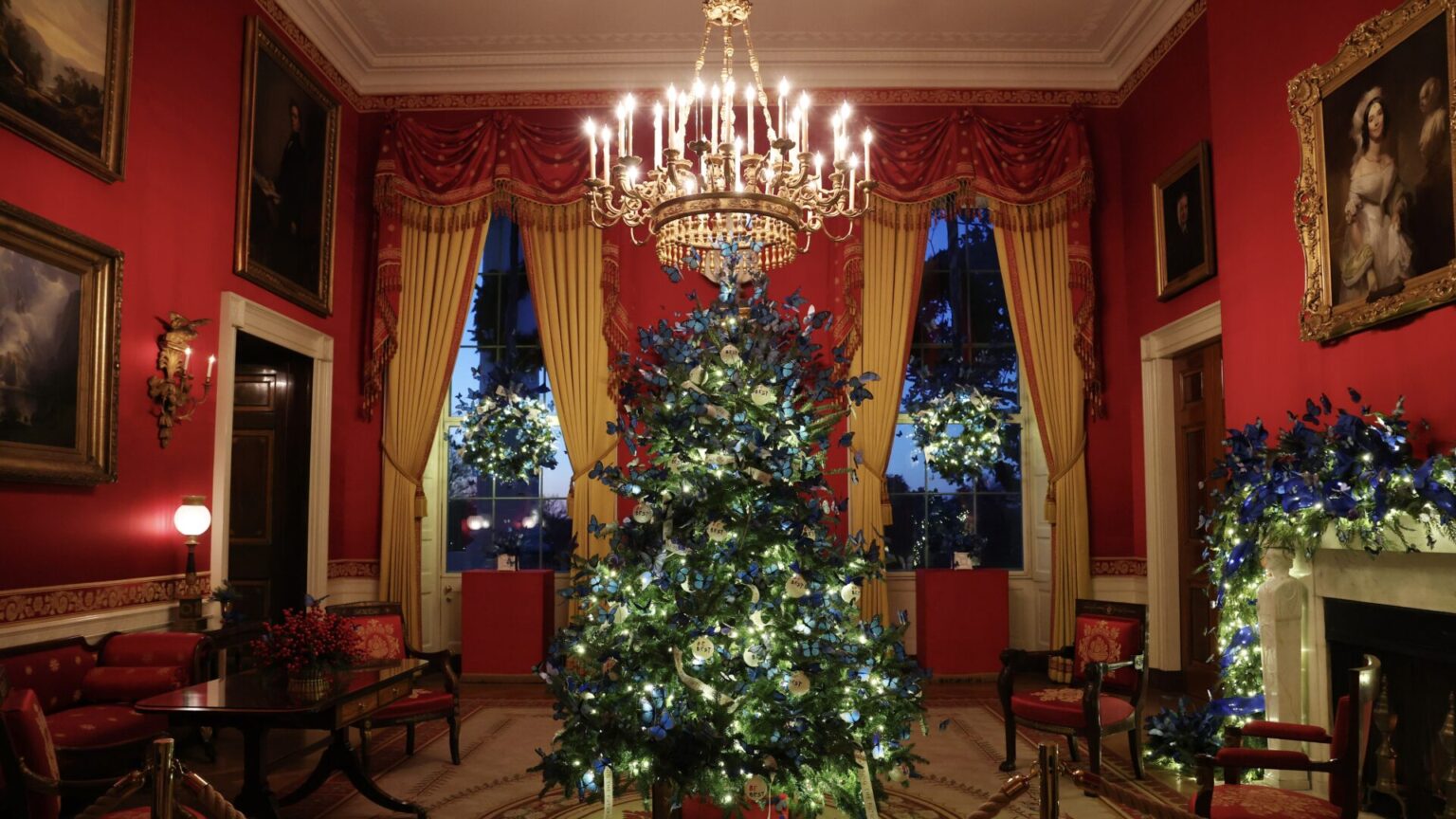
The theme for the White House holiday decor is selected by the First Lady, often nearly a year in advance. Planning begins in early spring, where the Social Office and the Chief Usher's office coordinate with designers to envision how each public room—the East Room, Blue Room, Red Room, and Green Room—will reflect a specific aspect of American culture or history.
The Arrival of the Official Christmas Tree
The centerpiece of the holiday decor is the "Official White House Christmas Tree," which stands in the Blue Room. By tradition, the tree must be massive—typically around 18 to 19 feet tall—to reach the ceiling after the room’s chandelier is removed. This tree is usually presented to the First Lady in late November by the winners of the National Christmas Tree Association’s annual contest.
The Gingerbread House Tradition
Located in the State Dining Room, the White House Gingerbread House is a feat of culinary engineering. Weighing hundreds of pounds and constructed by the White House Pastry Shop, the house often depicts the Executive Mansion itself or various national landmarks. In 2026, the construction involves structural chocolate, royal icing, and intricate marzipan details that can take weeks to finalize.

The Volunteer Corps: The Engine of Holiday Decor
The White House does not hire a commercial firm to hang ornaments and wrap garlands. Instead, it relies on a dedicated corps of volunteers from across the United States.
- Application Process: Thousands of citizens apply for the chance to decorate. The application usually opens in the late summer or early fall. Applicants must provide personal details and often write a brief essay on why they wish to serve.
- Selection Criteria: The White House looks for a diverse group of people, including military families, educators, and professional artists.
- The Work Week: Selected volunteers travel to Washington D.C. (at their own expense) for several days of intensive work. They spend their time stringing lights, fluffing thousands of feet of garland, and hand-crafting ornaments in nearby warehouses before moving them into the mansion.
- Security Clearance: Because the work occurs within the secure perimeter of the White House, all volunteers must undergo background checks before they are permitted on the grounds.
Preservation and Legal Constraints
Decorating the White House is not a "DIY" project where a President can make arbitrary structural changes. The Committee for the Preservation of the White House, established by Executive Order in 1964, oversees the decor of the public rooms.
The public rooms are essentially a museum. Any major changes to the furniture, artwork, or wall coverings in the State Floor rooms must be approved to ensure the historical integrity of the mansion is maintained. The White House Curator plays a pivotal role here, managing the permanent collection and ensuring that new additions—whether a contemporary painting or a set of antique chairs—align with the building's 19th-century aesthetic roots.
Distinguishing Public vs. Private Spaces
| Feature | Public Rooms (State Floor) | Private Quarters (Second/Third Floors) |
|---|---|---|
| Oversight | Committee for the Preservation of the White House | Controlled by the First Family |
| Funding | White House Historical Association / Public Funds | $100,000 Allowance / Personal Funds |
| Accessibility | Open to public tours and state events | Restricted to the First Family and guests |
| Decor Style | Fixed historical periods (Empire, Federal) | Can be modern or contemporary |
| Staffing | White House Curator and professional ushers | Interior designers hired by the family |
The Cost of Decorating the White House
A common question regarding the decoration of the White House is: "Who pays for it?" The answer depends on the nature of the project.
- Routine Maintenance: The National Park Service (NPS) is responsible for the exterior of the building and the grounds. Their budget covers structural repairs and general landscaping.
- Holiday Decor: The majority of the holiday decorations are donated by organizations or funded through the White House Historical Association, a private non-profit. This prevents the annual holiday display from being a significant burden on the American taxpayer.
- The Permanent Collection: Acquisitions of historic furniture or art for the public rooms are almost always funded through private donations to the Historical Association, rather than through direct government appropriations.
Environmental and Logistical Challenges
Decorating a 200-year-old building presents unique challenges that modern homes do not face.
Structural Weight and Safety
When placing a massive tree in the Blue Room, the engineering of the floor must be considered. The residence staff often uses specialized bracing to ensure the weight of the tree and its thousands of ornaments does not damage the historic flooring.
Lighting and Electricity
The White House uses LED lighting for the majority of its holiday displays to minimize heat and electricity usage. Given the sheer volume of lights—often exceeding 100,000—managing the electrical load requires the expertise of the White House electricians to prevent blown circuits in the aging infrastructure.
Protection of Artifacts
During the decorating process, priceless artifacts, including Gilbert Stuart’s portrait of George Washington, must be protected. Garlands and trees cannot be placed where they might leak sap or scratch historic gilt-wood frames. This requires constant supervision by the Curator’s office.
FAQ
How can I apply to be a White House holiday decorator?
To apply as a volunteer decorator, you must monitor the official White House website (whitehouse.gov) starting in the late summer months. There is typically a dedicated application portal where you can submit your credentials. Note that selection is highly competitive and you are responsible for your own travel and lodging costs in Washington D.C.
Does the First Lady actually do the decorating?
The First Lady sets the creative vision and approves all themes and designs. While she may participate in hanging a few symbolic ornaments or the final placement of the Gingerbread House, the physical labor is performed by the residence staff and the volunteer corps.
What happens to the decorations after the holidays?
Most decorations are disassembled and placed into storage at a secure off-site facility. Many ornaments are reused in future years or repurposed for different themes. The "Official White House Christmas Tree" is often mulched and used as grounds cover on the White House lawn or at other National Park sites.
Can a President change the wallpaper in the Oval Office?
Yes. The President has significant leeway to change the decor of the Oval Office, including the rug, drapes, and wallpaper. These changes are usually funded by the redecoration allowance or the White House Historical Association. However, the President cannot change the architectural features of the room.
Who is the White House Curator?
The White House Curator is a professional historian and museum specialist who manages the White House collection of fine and decorative arts. They ensure that all "decorating" activities in the public rooms adhere to historical standards and that the 60,000+ objects in the collection are properly preserved.
Practical Recommendations for Visitors
If you intend to see the White House decorations in person, planning must begin months in advance. In 2026, public tours remain the primary way to view the holiday decor. Requests must be submitted through your Member of Congress no less than 21 days in advance and no more than 90 days in advance.
Because the White House is a "living museum," its decor is constantly evolving. Whether you are interested in the historical preservation of the State Rooms or the festive grandeur of the holiday season, the process of decorating the White House remains a masterclass in American tradition, logistical excellence, and community involvement. For those unable to visit in person, the White House Historical Association offers high-quality digital archives and books that provide a deep dive into the specific themes of past and present administrations.
Image Gallery
Select an image to open it in a new tab.

Zara El-Hashem
Sociocultural Dynamics and Academics Writer
