
To choose a good walking sneaker, you must prioritize a flexible forefoot, a supportive heel, and cushioning that absorbs impact without sacrificing stability. Identify your arch type—neutral, flat, or high—to determine if you need a "neutral," "stability," or "motion control" shoe. Ensure there is a half-inch of space in the toe box for natural foot expansion during movement.
Selecting the right footwear is more than a matter of aesthetic preference; it is a critical decision for musculoskeletal health. Walking involves a specific gait cycle that differs significantly from running or cross-training. In 2026, the technology behind walking sneakers has evolved to incorporate advanced bio-foams and precision-engineered uppers, but the fundamental principles of fit and support remains constant. A well-chosen sneaker prevents common issues like plantar fasciitis, shin splints, and lower back pain, allowing you to maintain an active lifestyle with minimal risk of injury.
Understanding the Biomechanics of the Walking Gait
Before selecting a shoe, it is essential to understand how your body moves. The walking gait is a "heel-to-toe" transition. Unlike runners, who may land on their midfoot or forefoot with significant vertical force, walkers land on the heel and roll through the step to push off with the toes. This motion means that walkers require specific features that facilitate this rolling movement.
When the heel strikes the ground, it absorbs approximately 1.5 times your body weight in impact. A good walking sneaker must have adequate cushioning in the heel to dampen this force. As the weight shifts forward, the shoe must be flexible at the ball of the foot (the metatarsals) to allow for a clean push-off. If a shoe is too stiff in the forefoot, the muscles in your shins and calves have to work harder, which can lead to fatigue and inflammation.
Furthermore, the stability of the shoe's "last"—the internal shape of the shoe—dictates how your foot is guided through the step. According to the American Podiatric Medical Association (APMA), choosing a shoe that aligns with your natural gait is the most effective way to prevent long-term joint damage.
Identifying Your Foot Type and Arch Shape
Every person’s foot is unique, but most fall into three primary categories: neutral arches, flat feet (overpronation), or high arches (supination). Knowing which category you fall into is the most important step in narrowing down your sneaker options.
The Wet Test
A simple way to determine your arch type is the "wet test." Wet the bottom of your foot and step onto a piece of heavy paper or a dry concrete surface.
- Neutral Arch: You will see a print of your heel connected to the ball of your foot by a band about half the width of your foot.
- Flat Arch (Overpronation): You will see a print of nearly the entire sole of your foot. This suggests your foot rolls inward excessively.
- High Arch (Supination): You will see a very narrow band connecting the heel and the ball, or perhaps no connection at all. This suggests your foot does not roll inward enough to absorb shock.
Matching Shoe Categories to Foot Types
- Neutral Cushioned Shoes: Best for high arches. These shoes provide maximum shock absorption because high-arched feet are naturally rigid and do not absorb impact well on their own.
- Stability Shoes: Best for neutral or slightly flat feet. These shoes offer a blend of cushioning and support, often featuring a "medial post" (a firmer piece of foam under the arch) to prevent mild rolling.
- Motion Control Shoes: Best for significantly flat feet. These shoes are built on a straighter last and use heavier, firmer materials to keep the foot from rolling inward.
The Anatomy of a High-Quality Walking Sneaker
To evaluate a sneaker effectively, you must look at its individual components. In 2026, materials have become lighter and more sustainable, but the structural requirements remain the same.
The Upper
The upper is the part of the shoe that wraps around the foot. For walking, look for breathable materials like engineered mesh or lightweight synthetic knits. Breathability is crucial because friction during walking generates heat, which can lead to blisters. Ensure the upper has a secure lacing system that holds the foot in place without creating pressure points on the top of the foot.
The Midsole
The midsole is the most important part of the shoe for comfort. It is the layer between the upper and the outsole that provides cushioning. Most modern sneakers use EVA (ethylene-vinyl acetate) or TPU (thermoplastic polyurethane) foams. In 2026, many brands have moved toward bio-based foams that offer higher "energy return," meaning the foam bounces back quickly after being compressed, making your stride feel more effortless.
The Outsole
The outsole is the bottom of the shoe that contacts the ground. For walking, you want an outsole with good traction but without the aggressive lugs found on trail shoes (unless you specifically walk on uneven terrain). Look for "flex grooves"—horizontal cutouts in the rubber—that allow the shoe to bend exactly where your foot bends.
The Heel Counter
The heel counter is the rigid cup at the back of the shoe that cradles the heel. A firm heel counter is vital for stability. If you can easily press the back of the shoe inward with your thumb, it likely doesn't provide enough support to keep your heel from sliding, which can cause instability in the ankle.
Walking Sneakers vs. Running Sneakers: Can You Use Both?
A common question is whether running shoes are acceptable for walking. The short answer is yes, but with caveats. Running shoes are designed for higher impact and often have more cushioning in the forefoot and a higher "drop" (the height difference between the heel and the toe).
However, walking-specific shoes are generally more flexible at the ball of the foot and have a more rounded heel to assist with the rolling motion of the walking gait. If you choose to walk in running shoes, ensure they are not "maximalist" shoes with extremely thick, stiff soles, as these can interfere with the natural heel-to-toe transition required for walking. For detailed guidance on the differences in impact, the Mayo Clinic provides resources on how footwear affects joint stress.
Comparative Features of Modern Walking Shoes
The following table compares the three primary categories of walking sneakers to help you identify which features align with your physical requirements.
| Feature | Neutral Cushioned | Stability | Motion Control |
|---|---|---|---|
| Best For | High Arches / Supinators | Neutral / Mild Overpronators | Flat Feet / Severe Overpronators |
| Cushioning Level | High / Soft | Moderate / Firm | Firm / Rigid |
| Sole Shape | Curved or Semi-Curved | Semi-Curved | Straight |
| Weight | Lightest | Moderate | Heaviest |
| Key Benefit | Shock Absorption | Arch Support | Prevents Inward Rolling |
| Midsole Material | Plush Bio-Foams | Dual-Density Foam | Rigid Roll-Bars / TPU |
Proper Fitting: Beyond the Size Label
Even the most technologically advanced shoe will cause pain if it does not fit correctly. Foot size can change over time due to age, weight fluctuations, or pregnancy, so it is vital to measure your feet every time you purchase new sneakers.
Timing Your Purchase
Always shop for shoes in the late afternoon or evening. Your feet naturally swell throughout the day and during exercise. If a shoe fits perfectly first thing in the morning, it will likely be too tight after two miles of walking.
The Rule of Thumb
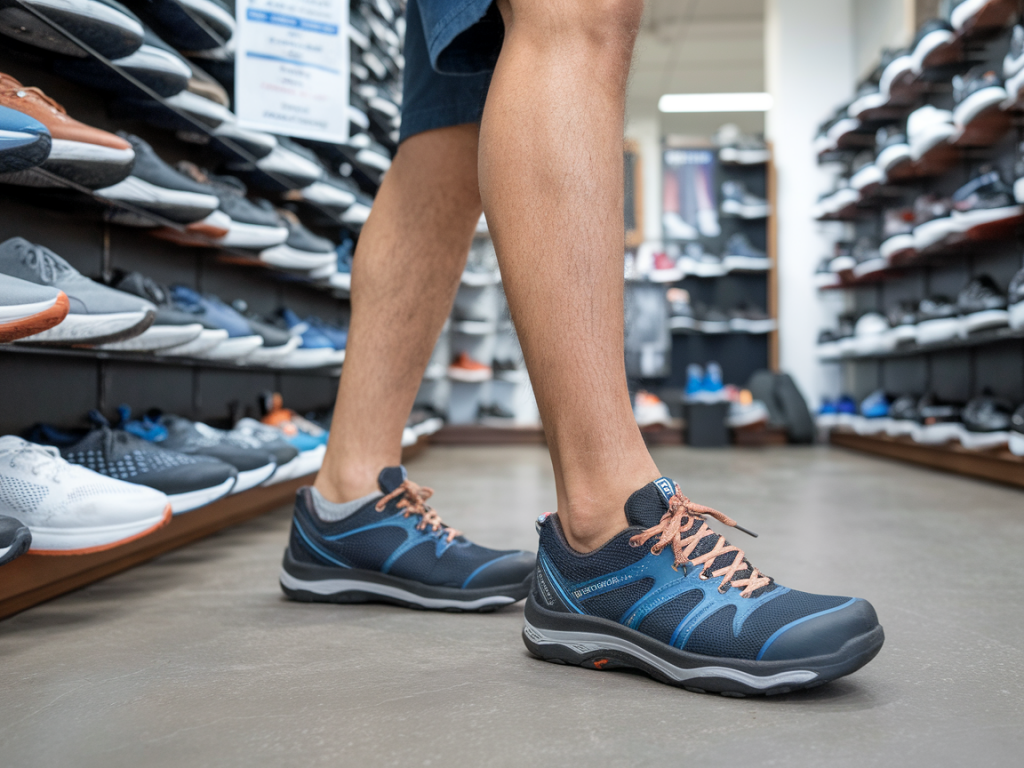
When standing, there should be approximately half an inch (the width of your thumb) between your longest toe and the front of the shoe. Your toes need room to "splay" (spread out) and move forward during the push-off phase. If your toes are cramped, you risk developing black toenails or bunions.
Width Matters
Standard "D" (men's) or "B" (women's) widths do not work for everyone. If you feel pressure on the sides of your pinky toe or the base of your big toe, seek out brands that offer "Wide" (2E/D) or "Extra Wide" (4E/E) options. A shoe that is too narrow will cause the foot to hang over the edge of the midsole, leading to a lack of support.
Socks and Orthotics
When trying on sneakers, wear the same socks you plan to use for your walks. If you use custom orthotics or over-the-counter insoles, remove the factory-provided liner from the sneaker and insert your orthotic to ensure the shoe still has enough "volume" to accommodate your foot comfortably.
Maintenance and When to Replace Your Sneakers
The structural integrity of a sneaker's foam begins to degrade long before the rubber outsole wears through. Most walking sneakers have a functional lifespan of 300 to 500 miles. For an average walker doing 30 minutes a day, this equates to roughly six to nine months.
Signs that it is time for a new pair include:
- Midsole Compression: If you see deep wrinkles in the foam or if the cushioning feels "dead" or hard.
- Uneven Wear: If the outsole is significantly worn down on one side, it indicates that the shoe is no longer providing neutral support.
- New Aches: If you suddenly develop foot, knee, or hip pain that wasn't there before, the shoe's internal support structures have likely collapsed.
To extend the life of your shoes, avoid machine washing them, as the heat and agitation can break down the adhesives and foams. Instead, spot-clean them with a damp cloth and mild soap.
Frequently Asked Questions
Is it better to have a heavy or light walking shoe?
For most walkers, a lighter shoe is preferable because it reduces the energy expenditure required to lift the foot. However, those who require "motion control" for flat feet may find that their shoes are naturally heavier due to the denser materials needed for stability. Modern 2026 materials have narrowed this gap, making even stability shoes significantly lighter than they were a decade ago.
Do I need waterproof sneakers for walking?
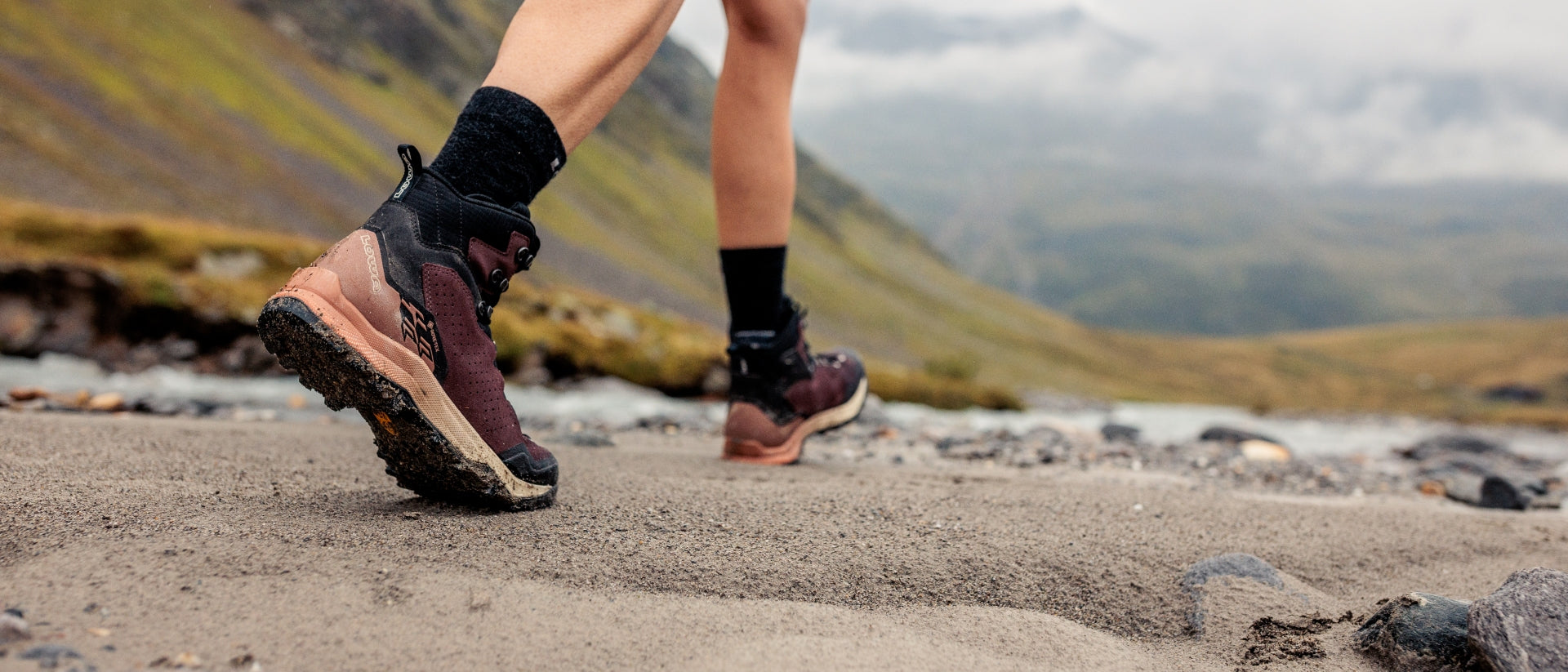
Waterproofing (like GORE-TEX) is excellent for walking in rain or wet grass, but it comes with a trade-off in breathability. Waterproof membranes trap more heat, which can lead to sweaty feet and blisters in warm weather. Unless you frequently walk in inclement weather, a standard mesh shoe with a water-resistant spray is often more comfortable for year-round use.
Can walking sneakers help with lower back pain?
Yes. Proper footwear acts as the foundation for your entire kinetic chain. If your shoes do not provide adequate arch support or shock absorption, the impact forces of walking travel up to your knees, hips, and eventually your lower back. Correcting overpronation with a stability shoe can often realign the pelvis and reduce strain on the lumbar spine. For more on the link between foot mechanics and back health, consult the Arthritis Foundation.
How do I know if I have a "heel strike" or "midfoot strike" gait?
You can determine this by looking at the wear pattern on an old pair of sneakers. If the rubber is most worn at the outer back corner of the heel, you are a traditional heel striker (standard for walking). If the wear is concentrated in the center of the sole under the ball of the foot, you have a midfoot strike. Most walking shoes are specifically designed for the former.
Should I buy sneakers one size larger than my dress shoes?
Generally, yes. Most people find that their athletic shoe size is a half-size to a full-size larger than their formal or casual shoe size. This compensates for the foot swelling and movement that occurs during repetitive aerobic activity.
Practical Recommendation for Your Next Step
Your next action should be to perform the "wet test" at home to identify your arch type. Once you know if you have high, neutral, or flat arches, visit a dedicated running or walking store where staff can perform a digital gait analysis. This service, which has become a standard in 2026, uses pressure-sensitive mats to map your stride. Use this data to try on at least three different pairs from the category (Neutral, Stability, or Motion Control) that matches your profile. Always prioritize the "feel" of the shoe over the brand name or color; the best shoe is the one that feels like an extension of your foot the moment you put it on.
Image Gallery
Select an image to open it in a new tab.
Akira Tanaka
International Academic Trends Correspondent
