Understanding the Best Disinfectant for Wounds: A Comprehensive Guide to Proper Care
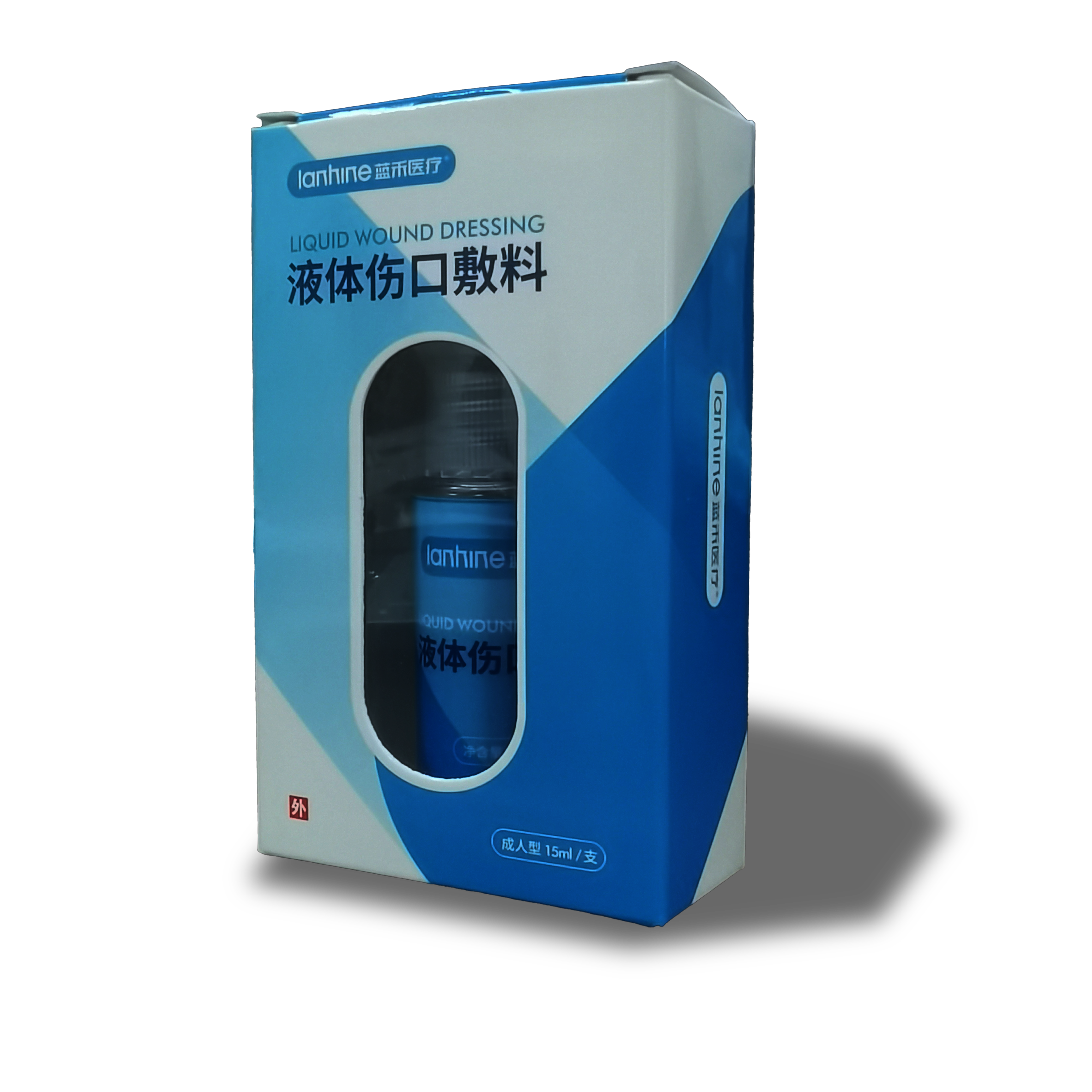
The most effective "disinfectant" for minor wounds is not a harsh chemical, but clean, running water or a sterile saline solution. Modern clinical guidance emphasizes that aggressive use of antiseptics like hydrogen peroxide or isopropyl alcohol often delays healing by damaging healthy tissue. For most minor cuts, scrapes, and abrasions, gentle mechanical irrigation remains the gold standard for preventing infection.
The Shift in Wound Care Philosophy
For decades, the common household approach to a skin injury involved dousing the area with hydrogen peroxide or rubbing alcohol. While these substances effectively kill bacteria on contact, they are indiscriminate; they also kill the fibroblasts and epithelial cells responsible for regenerating skin.
In clinical settings today, the focus has shifted from "sterilizing" the wound to "cleansing" it. The goal is to remove debris, dirt, and bacteria without inducing toxicity to the wound bed. When you introduce a harsh chemical, you may inadvertently create a hostile environment that delays the natural inflammatory and proliferative phases of healing.
Primary Methods of Wound Cleansing
Before considering any topical application, the priority must be the physical removal of contaminants.
1. Potable Tap Water
The most accessible and effective way to clean a fresh wound is to rinse it under cool or lukewarm running water for several minutes. Potable water (water safe for human consumption) is sufficient to reduce the bacterial load significantly. This mechanical irrigation flushes out foreign particles and reduces the risk of contamination.
2. Sterile Saline Solution
If you are concerned about the purity of your tap water, or if you are dealing with a more significant abrasion, a sterile 0.9% sodium chloride solution (saline) is the preferred alternative. This solution is isotonic, meaning it matches the salt concentration of your body’s fluids, ensuring it does not irritate or dry out the exposed tissue.
3. Mild Soap and Water
For the skin immediately surrounding the wound, mild soap and water can be used to clear away surface bacteria. However, it is vital to avoid getting harsh soaps directly inside an open wound, as they can cause significant irritation and tissue damage.
Evaluating Topical Antiseptics: When Are They Used?
While irrigation is primary, there are specific scenarios where topical antimicrobial agents are deemed necessary by medical professionals. These products are intended for decolonization or managing high-risk wounds, rather than general home use for minor scrapes.
- Povidone-Iodine: Often used in surgical settings, this antiseptic has a broad spectrum of activity. However, it can be cytotoxic to healthy cells if used in high concentrations over prolonged periods.
- Bacitracin or Triple Antibiotic Ointment: These are not technically disinfectants, but topical antibiotics. They are often applied to a wound to keep the environment moist and provide a barrier against external bacteria, rather than to "kill" everything currently in the wound.
- Chlorhexidine: Frequently used in hospitals for skin preparation, this substance is potent but should generally be kept away from the eyes, ears, and deep, puncture-type wounds.
Comparative Overview of Common Wound Care Agents
| Product Type | Primary Function | Best For | Potential Drawback |
|---|---|---|---|
| Potable Water | Mechanical Irrigation | Fresh, superficial cuts | None (if water is clean) |
| Sterile Saline | Irrigation/Cleansing | Sensitive areas; abrasions | Requires purchase/storage |
| Hydrogen Peroxide | Effervescent Cleansing | Removing debris from skin | Damages healthy tissue |
| Isopropyl Alcohol | Surface Disinfection | Skin around the wound | Extreme pain; cell damage |
| Antibiotic Ointment | Barrier Protection | Minor cuts to maintain moisture | Risk of contact dermatitis |
Identifying the Risks of Over-Disinfection
The "sting" traditionally associated with wound cleaning—often cited as proof that the product is "working"—is actually the body’s pain receptors reacting to cellular trauma. When you apply high-concentration disinfectants, you trigger a localized inflammatory response that the body must work to overcome. This can lead to:
- Increased scarring.
- Prolonged healing times.
- Increased localized inflammation, which can be mistaken for the early stages of infection.
Furthermore, reliance on over-the-counter antiseptic sprays or creams can sometimes lead to contact dermatitis, where the skin becomes red, itchy, and irritated as a reaction to the chemical components of the disinfectant itself.
When to Seek Professional Medical Care
Proper cleansing is only effective for minor wounds. If you have a wound that meets any of the following criteria, you should bypass home treatment and consult a healthcare provider:
- Depth and Bleeding: If the wound is deep, exposes fat or muscle, or will not stop bleeding after 10–15 minutes of direct, firm pressure.
- Embedded Objects: If there is glass, metal, or significant debris stuck in the wound that does not come out with gentle irrigation, do not attempt to dig it out.
- Source of Injury: If the wound was caused by a rusty object, a human or animal bite, or a puncture wound, you must seek medical advice to evaluate the risk of tetanus or other deep-tissue infections.
- Signs of Infection: If you notice increasing redness, swelling, warmth, yellow or green pus, or if you develop a fever in the days following the injury.
Maintaining a Moist Wound Healing Environment
Once a wound has been cleaned and dried gently with sterile gauze, the most effective way to promote healing is to keep it covered and moist. The "dry wound, fast scab" theory has been largely debunked by modern research.
A scab is a barrier, but it is also a site where bacteria can harbor and skin regeneration is slowed. Using a non-stick bandage combined with a thin layer of petroleum jelly or a hydrogel dressing creates an environment where epithelial cells can migrate across the wound bed more efficiently. This method reduces the likelihood of visible scarring and minimizes the pain associated with bandage changes.
Frequently Asked Questions
Does hydrogen peroxide help wounds heal faster? No. While hydrogen peroxide was historically used as a standard first-aid treatment, research shows it inhibits the body's natural healing process by damaging the healthy cells necessary to rebuild skin. It is best avoided for open wounds.
How do I know if my wound is actually infected? Typical signs of infection include spreading redness (erythema), warmth around the area, swelling, and the presence of pus or foul-smelling drainage. If these symptoms appear, or if you notice red streaks extending from the wound, seek professional medical attention immediately.
Should I let my wound "breathe" in the air? Keeping a wound covered is generally better than leaving it exposed. A covered wound stays moist, which accelerates healing, and remains protected from physical friction, environmental contaminants, and secondary infections.
Can I use rubbing alcohol to clean a deep cut? Never use rubbing alcohol on a deep, open wound. It is designed to disinfect intact skin before an injection or to clean the area around a wound. Applying it directly to deep tissue will cause intense pain and significant damage to the healing cells.
What is the best way to clean a child's skinned knee? The best method is to gently flush the knee with cool running water to remove dirt or gravel. If the debris is stubborn, use a clean washcloth or sterile gauze to gently pat the area. Avoid scrubbing, as this can embed particles further into the skin.
Practical Steps for Home Wound Management
For a minor, non-emergency wound, follow these steps to ensure proper care:
- Wash Your Hands: Before touching the wound, ensure your own hands are thoroughly washed with soap and warm water to prevent transferring bacteria.
- Control Bleeding: Apply firm, direct pressure with a clean cloth or sterile gauze until the bleeding stops.
- Clean the Area: Rinse the wound with running water or saline for several minutes. Remove any visible surface debris.
- Protect: Apply a thin layer of a petroleum-based ointment to maintain a moist environment. Cover with a sterile, non-stick bandage.
- Monitor: Change the dressing daily or whenever it becomes wet or dirty. Observe the site for any signs of infection over the next 48 to 72 hours.
By prioritizing gentle mechanical irrigation over harsh chemicals, you provide your body with the optimal conditions to heal effectively and minimize the potential for long-term complications.

Image Gallery
Select an image to open it in a new tab.


Celine Dubois
Contemporary Living and Global Arts Columnist
