A Texas auto insurance policy is a legal contract consisting of a Declarations Page, the standard policy form, and specific endorsements. It identifies the insured parties, covered vehicles, and coverage limits, most notably the state-mandated 30/60/25 liability minimums required for legal operation on all Texas public roadways.
In the state of Texas, an auto insurance policy is not a single document but a collection of several components that define your financial protections and legal obligations. Whether you are a new resident or a long-time driver reviewing your 2026 renewal, understanding the visual layout and the technical language of your policy is essential for ensuring you are properly protected against the unique risks of Texas driving, from urban congestion in Houston to long-haul rural stretches in West Texas.
The Foundation: The Declarations Page
The first page you will see when opening a Texas auto insurance policy is the Declarations Page, often referred to as the "Dec Page." This document serves as a summary of the entire contract. If you were to provide proof of coverage to a lender or a law enforcement officer, this is the document that contains the most relevant immediate information.
What the Declarations Page Discloses
The Declarations Page acts as the "snapshot" of your coverage. It typically includes:
- Policy Period: The exact dates and times the coverage begins and ends. In 2026, most Texas policies are written for six-month or twelve-month terms.
- Named Insureds: This lists the primary policyholder and any other drivers (such as family members) explicitly covered by the policy.
- Vehicle Description: The Year, Make, Model, and Vehicle Identification Number (VIN) for every car covered under the policy.
- Coverage Limits and Premiums: A line-by-line breakdown of each type of coverage (Liability, Collision, etc.), the maximum amount the insurer will pay, the deductible you must pay, and the cost (premium) for that specific coverage.
- Policy Number: Your unique identifier used for claims and billing.
The Declarations Page is legally binding, but it must be read in conjunction with the standard policy form to understand the "Definitions" and "Exclusions" that apply to those numbers.
Mandatory Coverage: The Texas 30/60/25 Rule
Texas law follows the "Financial Responsibility" principle. Every driver must be able to pay for any accidents they cause. Most drivers satisfy this through a liability insurance policy. When you look at your Texas policy, you will see three numbers separated by slashes, which represent the state minimum requirements.
Bodily Injury and Property Damage
The current Texas minimums, which have remained the standard through 2026, are 30/60/25. These represent:
- $30,000 for Bodily Injury per person: The maximum amount your insurance will pay for medical bills or funeral costs for one person injured in an accident you caused.
- $60,000 for Bodily Injury per accident: The total maximum amount your insurance will pay for all people injured in a single accident you caused.
- $25,000 for Property Damage per accident: The maximum amount your insurance will pay to repair or replace another person's car or property (such as a fence or storefront).
It is important to note that in 2026, many insurance professionals and the Texas Department of Insurance (TDI) suggest that these minimums are often insufficient. With rising vehicle repair costs and medical inflation, a $25,000 property damage limit may not cover the total loss of a modern SUV or electric vehicle.

Part A: Liability Coverage
Liability coverage is the most critical part of a Texas auto insurance policy because it is the only part required by law. This coverage does not pay for your own injuries or your car’s damage; it pays for the losses of others when you are at fault.
Liability coverage is divided into two segments: Bodily Injury (BI) and Property Damage (PD). In your policy document, this section will outline the insurer’s "Duty to Defend." This means that if you are sued following an accident, your insurance company has a legal obligation to provide a lawyer and handle the legal defense, up to the limits of your policy.
However, liability coverage includes significant exclusions. For instance, it typically will not cover intentional acts, damage caused while using your vehicle for a delivery service (unless you have a specific endorsement), or damage to property you own or are transporting.
Part B: Personal Injury Protection (PIP) and Medical Payments
Texas is unique in how it handles medical coverage for the policyholder. By law, insurance companies must offer you Personal Injury Protection (PIP).
The PIP Requirement
If you do not want PIP, you must reject it in writing. If you look at your policy and see PIP listed, it means you have coverage that pays for medical expenses, 80% of lost wages, and the cost of a caregiver for you and your passengers, regardless of who caused the accident.
PIP vs. Medical Payments (MedPay)
Some policies might show Medical Payments instead of or in addition to PIP. While they seem similar, there is a distinct difference:
- PIP: Covers medical bills and lost income.
- MedPay: Only covers medical and funeral expenses. It does not cover lost income.
Because PIP is more comprehensive, it is the standard recommendation for Texas drivers who want first-party medical protection. If your policy shows neither, you should verify that you signed a written rejection form, as this is a common point of dispute in insurance audits.
Part C: Uninsured/Underinsured Motorist (UM/UIM)
Despite the law, many drivers on Texas roads remain uninsured. Uninsured/Underinsured Motorist (UM/UIM) coverage protects you if you are hit by a driver who either has no insurance or whose policy limits are too low to cover your total damages.
Like PIP, Texas law requires insurers to offer UM/UIM, and it can only be excluded from your policy if you reject it in writing. In your policy document, UM/UIM is usually split into:
- UM/UIM Bodily Injury: Pays for medical bills, pain and suffering, and disfigurement.
- UM/UIM Property Damage: Pays for repairs to your vehicle. In Texas, this typically carries a standard $250 deductible.
This coverage also applies to "hit-and-run" accidents, provided there is actual physical contact between the vehicles, a detail often found in the "Definitions" section of the policy form.
Part D: Coverage for Damage to Your Auto
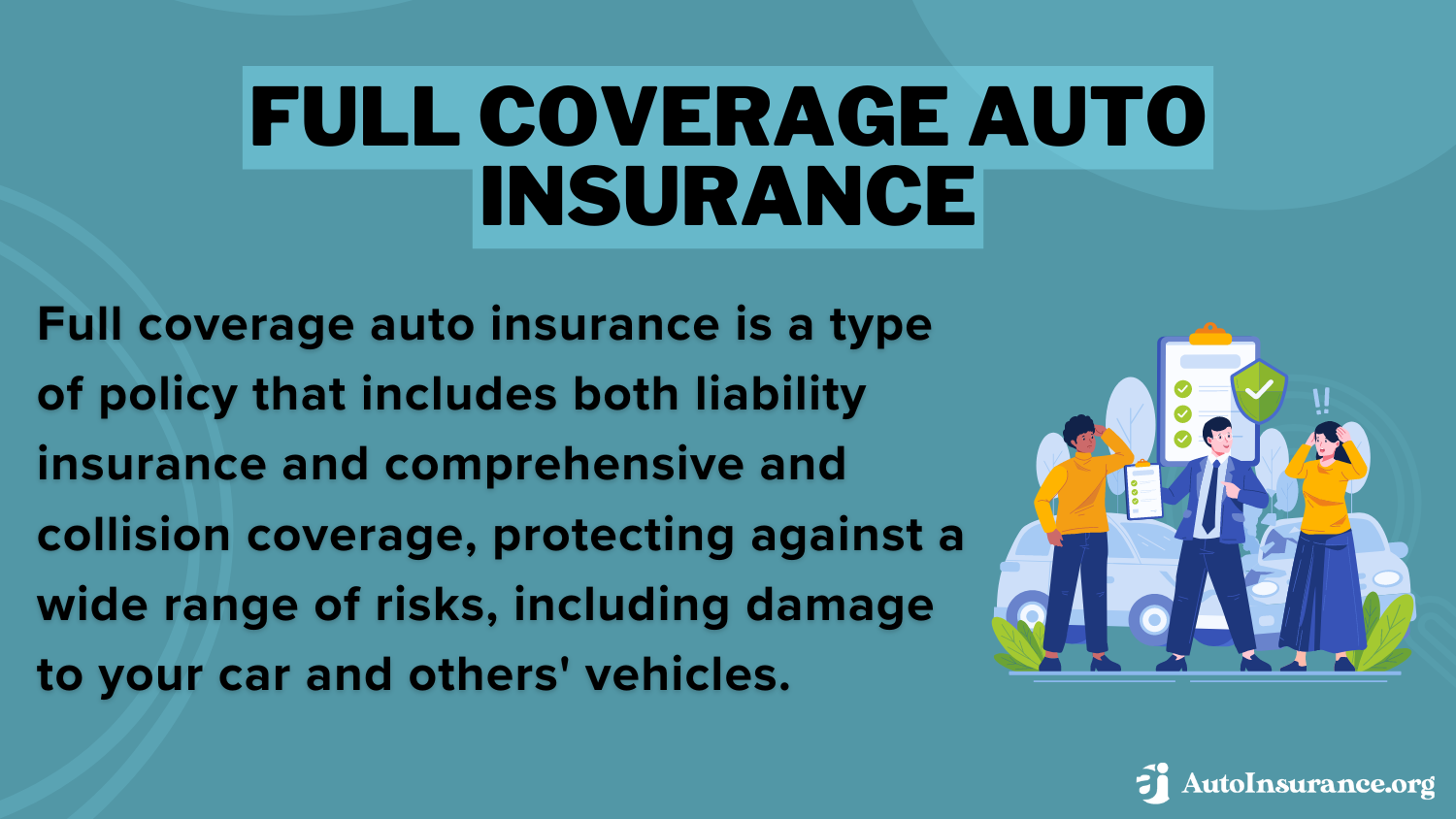
This section is where you find "Full Coverage," a term often used by lenders but not officially recognized as a legal term by the TDI. It consists of two primary parts: Collision and Comprehensive.
Collision Coverage
This pays for damage to your car resulting from a collision with another vehicle or an object (like a tree or a pole). You will see a deductible listed next to this on your Declarations Page. For example, if you have a $500 deductible and $3,000 in damage, the insurer pays $2,500.
Comprehensive (Other Than Collision) Coverage
In Texas, comprehensive coverage is vital due to the high frequency of hailstorms, flooding, and collisions with animals (such as deer). Comprehensive covers:
- Theft and vandalism.
- Fire and explosions.
- Weather-related damage (hail, wind, flood).
- Glass breakage.
Most physical damage coverages in Texas pay based on Actual Cash Value (ACV). This means the insurer pays what the car was worth at the time of the accident, not what you paid for it or what it costs to buy a new one.
| Coverage Type | Is it Required in Texas? | What it Covers | Standard Texas Limit/Deductible |
|---|---|---|---|
| Liability (BI/PD) | Yes | Others' injuries and property | 30/60/25 |
| PIP | Offered by Law | Your medical bills + lost wages | Usually $2,500 minimum |
| UM/UIM | Offered by Law | Hit-and-run/Uninsured drivers | Often matches Liability limits |
| Collision | No (Lender may require) | Damage to your car from impact | $500 - $1,000 deductible |
| Comprehensive | No (Lender may require) | Theft, fire, hail, glass | $250 - $1,000 deductible |
Standard vs. Non-Standard Policy Forms
When looking at your policy, you may see a note indicating it is a "Texas Standard Personal Auto Policy." This form was developed by the state to ensure uniform coverage across different companies.
However, many insurers now use "non-standard" or proprietary forms. These forms are still regulated by the TDI but may contain different wording regarding exclusions. For example, a non-standard policy might have stricter rules about who can drive your car (Permissive Use) or may exclude coverage entirely if the vehicle is used for business purposes even once. Always check the "Exclusions" section of your specific policy form to identify these nuances.
Endorsements: Customizing the Policy
Endorsements are amendments that add, delete, or change coverage. They are usually found at the back of the policy packet. Common Texas endorsements include:
- Roadside Assistance: Covers towing and labor if your car breaks down.
- Rental Reimbursement: Pays for a rental car while your vehicle is in the shop for a covered claim.
- Custom Equipment Coverage: If you have added aftermarket wheels, a lift kit, or a high-end stereo, the standard policy may not cover them unless you add this endorsement.
- Gap Insurance: If your car is totaled and you owe more on your loan than the car's ACV, this endorsement pays the difference.
Reading the Fine Print: General Provisions and Exclusions
The "General Provisions" section outlines your duties after an accident. In Texas, you are contractually obligated to:
- Notify the insurance company promptly.
- Cooperate with the investigation.
- Protect the vehicle from further damage.
- Submit a "Proof of Loss" if requested.
The Exclusions section is perhaps the most important part of the policy that drivers rarely read. Common exclusions found in 2026 Texas policies include:
- Livery/Delivery: Using the car for Uber, Lyft, or DoorDash without a specific "TNC" (Transportation Network Company) endorsement.
- Racing: Any organized racing or speed contest.
- Intentional Damage: Deliberately crashing the vehicle.
- Nuclear/War: Damage resulting from nuclear hazards or military action.
Verifying Your Policy through TexasSure
If you are unsure if your policy is active or looks legitimate, Texas utilizes a database called TexasSure. This is a vehicle insurance verification program used by law enforcement and county tax offices to reduce the number of uninsured motorists. When you purchase a policy, the insurer is required to report the VIN and policy status to this database. If your policy is missing from TexasSure, you may face difficulties during registration renewal or during a traffic stop.
Frequently Asked Questions
Does my Texas policy cover me if I drive into Mexico?
Standard Texas auto policies usually do not provide coverage for driving in Mexico. While some policies offer a limited "Mexico Coverage" endorsement for frequent travelers within a certain distance of the border (e.g., 25 miles), it is generally required by Mexican law that you purchase a separate Mexican liability policy from a licensed Mexican insurer.
What happens if I let a friend drive my car?
In a standard Texas policy, coverage typically "follows the car." This means if you give a friend permission to drive your vehicle, your insurance is primary. However, some non-standard policies (often "Named Driver" policies) specifically exclude anyone not listed on the Declarations Page. Always verify the "Permissive Use" clause in your specific policy.
Is an SR-22 part of a standard policy?
An SR-22 is not a type of insurance coverage, but rather a "Certificate of Financial Responsibility" filed by your insurer with the Texas Department of Public Safety (DPS). It proves you have the required liability limits. It is typically required after a DWI or driving without insurance. If you need an SR-22, it will appear as an endorsement on your policy.
Can my insurance company cancel my policy at any time?
In Texas, an insurer can cancel your policy for any reason within the first 60 days. After 60 days, they can only cancel for specific reasons, such as non-payment of premium, filing a fraudulent claim, or if your driver’s license is suspended. They must provide you with at least 10 days' notice before canceling for non-payment.
Why did my premium change if I didn't have an accident?
In 2026, Texas insurance premiums are influenced by several factors beyond your driving record. These include regional weather trends (like increased hail activity), the rising cost of parts and labor in your specific zip code, and changes in your credit-based insurance score, which is a legal rating factor in Texas.
Practical Recommendation
To ensure your Texas auto insurance policy truly protects your assets, do not settle for state minimums. Aim for at least 100/300/100 limits if your budget allows. Upon receiving your 2026 policy documents, cross-reference your Declarations Page with the VIN on your vehicle and confirm that Personal Injury Protection (PIP) and UM/UIM are included unless you have a specific, documented reason to exclude them. Lastly, keep a digital copy of your insurance card on your smartphone, as Texas law recognizes electronic proof of insurance during traffic stops and vehicle inspections.
Image Gallery
Select an image to open it in a new tab.




Lars Thomsen
Global Labor Markets and Economic Strategy Editor
