Understanding the Vital Role of Offshore Support Vessels in Global Marine Operations
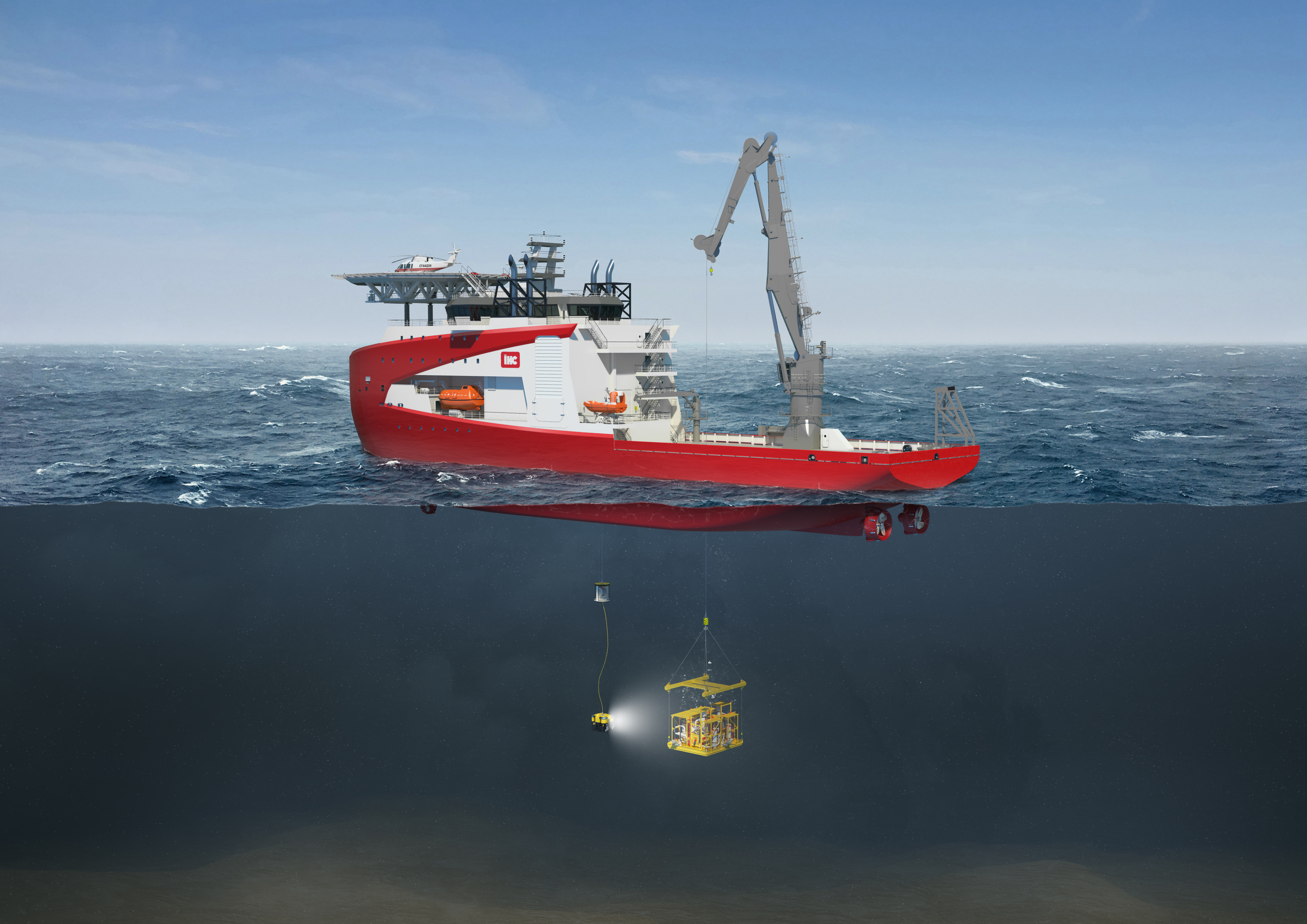
An offshore support vessel (OSV) is a specialized ship designed to provide essential logistics, construction, and maintenance services for offshore energy projects. These vessels transport personnel and cargo, manage subsea installations, perform complex towing operations, and provide emergency response capabilities, acting as the primary link between land-based supply chains and remote marine installations.
Offshore support vessels represent the backbone of the blue economy. While they were historically tethered almost exclusively to the oil and gas sector, by 2026, their scope has expanded significantly to encompass the rapidly growing offshore wind market and subsea mineral exploration. Without these versatile assets, the installation, operation, and decommissioning of offshore infrastructure would be physically and economically impossible. To understand what an offshore support vessel does, one must look at the specific technical functions these ships perform under some of the harshest environmental conditions on Earth.
The Fundamental Purpose of Offshore Support Vessels
The primary mission of an OSV is to ensure the continuous operation of offshore installations. Whether it is a deep-water drilling rig, a production platform, or a massive wind turbine array, these structures cannot function in isolation. They require a constant flow of consumables, specialized equipment, and skilled technicians.
Logistics and Supply Chain Management
The most common task an OSV performs is the delivery of deck cargo and "bulk" supplies. Deck cargo includes everything from drill pipes and subsea Christmas trees to containerized food supplies and spare parts. Bulk supplies are typically stored in specialized tanks below deck and include:
- Fuel and Potable Water: Essential for the life support and power generation of the offshore facility.
- Liquid Mud and Brine: Used in drilling operations to lubricate drill bits and manage well pressure.
- Dry Bulk (Cement and Barite): Pumped through pneumatic systems from the vessel to the rig to secure well casings.
Personnel Transfer
In 2026, the movement of workers remains a critical OSV function. While helicopters are used for rapid transit, OSVs provide a cost-effective and high-volume alternative. Modern vessels are equipped with advanced motion-compensated gangways—often referred to as "walk-to-work" systems—that allow technicians to walk directly from the ship to a platform or turbine ladder, even in high seas.
Key Types of OSVs and Their Specific Duties
The term "OSV" is an umbrella category. In practice, the industry uses highly specialized hulls designed for specific tasks. Understanding what an offshore support vessel does requires distinguishing between these various classes.
Platform Supply Vessels (PSV)
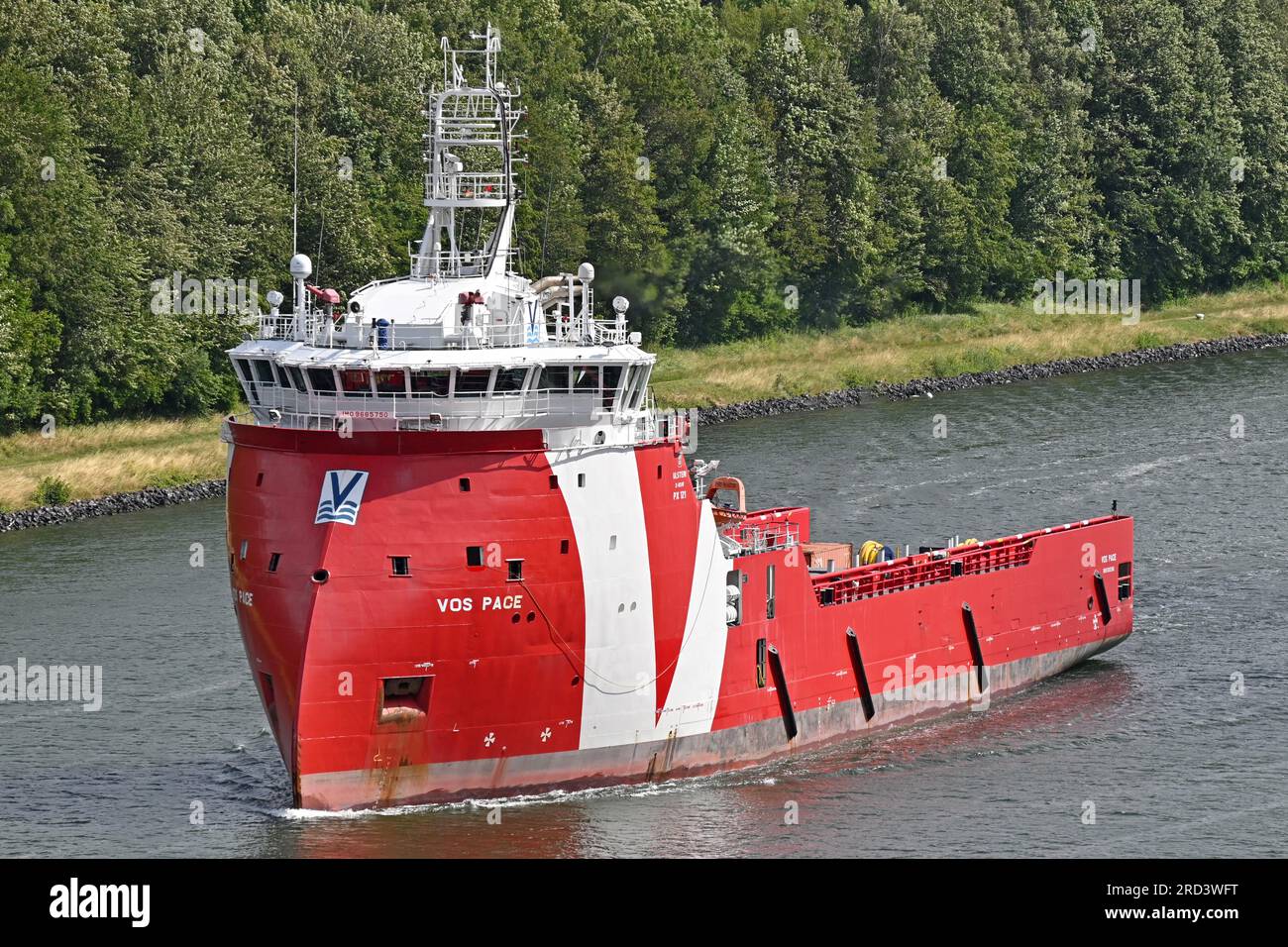
The PSV is the "delivery truck" of the ocean. Its defining feature is a large, flat open deck area at the stern, maximizing space for containers and pipes. PSVs are designed for high stability and efficiency. Their work involves "pumping" operations, where the vessel stays alongside a rig for hours, transferring thousands of gallons of fluids through flexible hoses while battling currents and swells.
Anchor Handling Tug Supply (AHTS) Vessels
AHTS vessels are the heavy lifters. They are equipped with powerful winches and a rounded stern (stern roller) to deploy and recover the massive anchors used to moor semi-submersible rigs and barges. These vessels possess high bollard pull, a measure of their towing power. An AHTS doesn't just deliver supplies; it physically maneuvers billion-dollar assets into precise locations and secures them to the seafloor.
Multi-Purpose Support Vessels (MPSV)
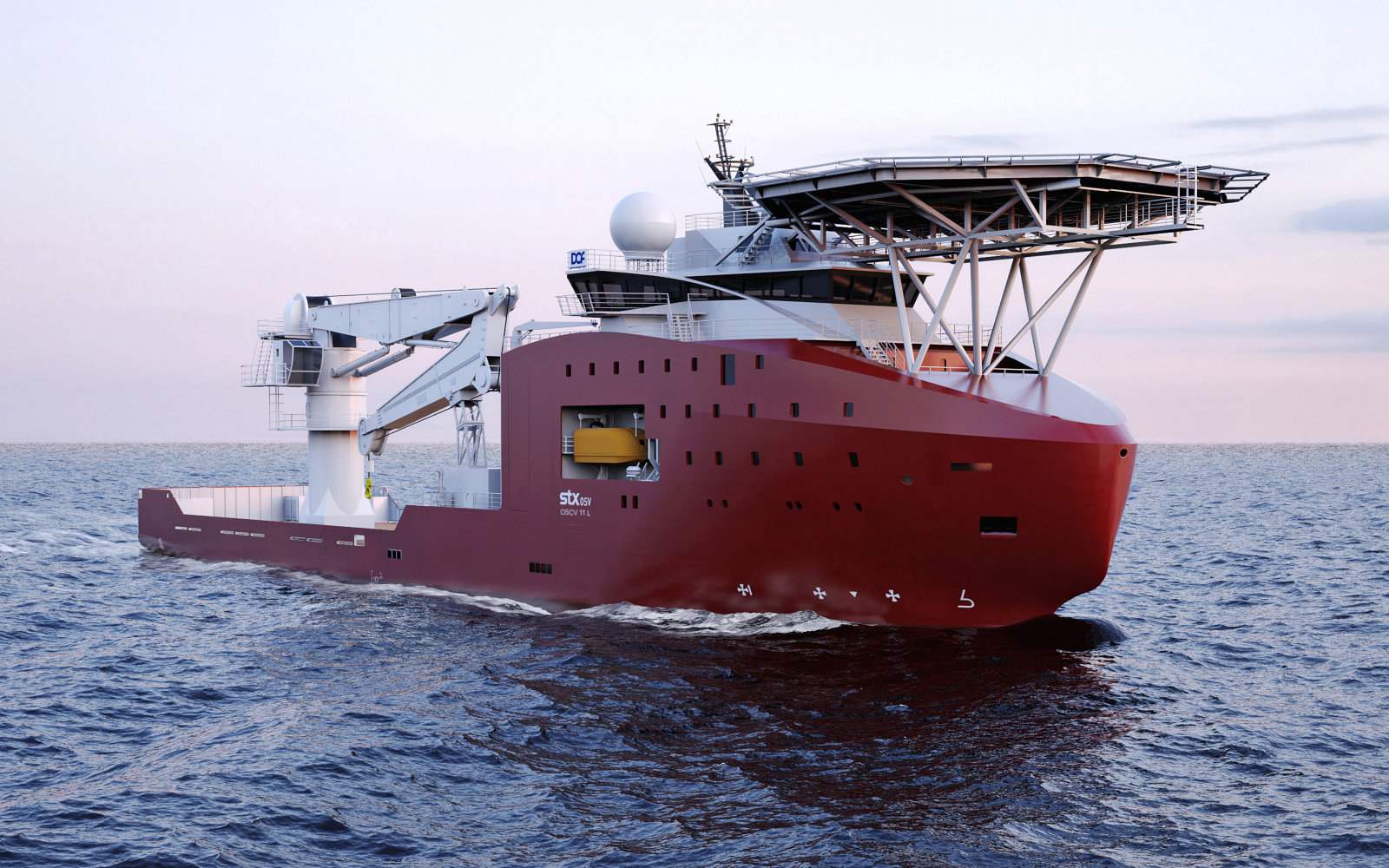
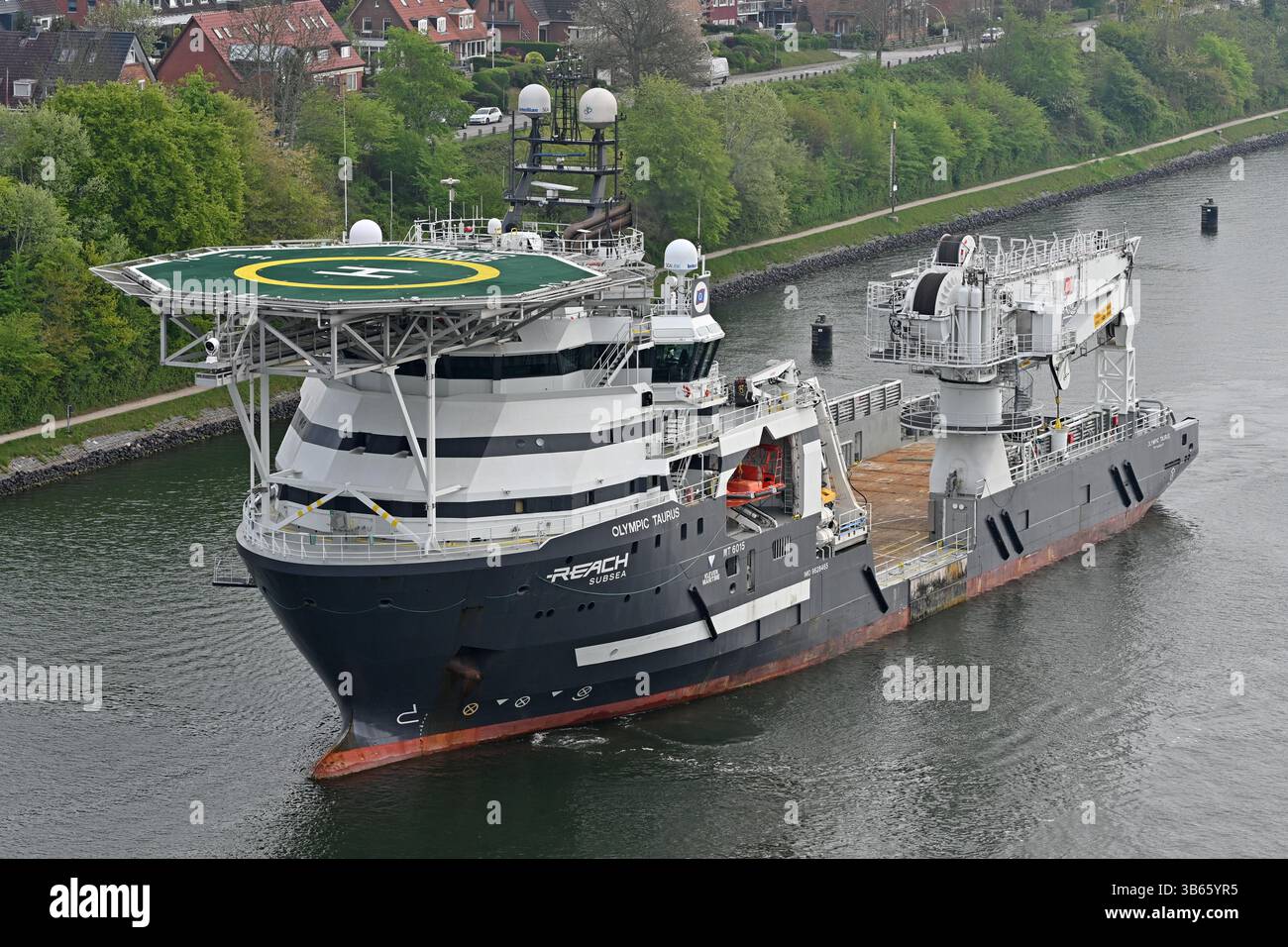
As the name suggests, MPSVs are the Swiss Army knives of the fleet. They are usually larger and equipped with heavy-lift subsea cranes (often 100 to 400-ton capacity) and integrated hangars for Remotely Operated Vehicles (ROVs). MPSVs perform "subsea intervention," which involves lowering equipment to the seabed, repairing pipelines, and conducting inspections.
Service Operation Vessels (SOV)
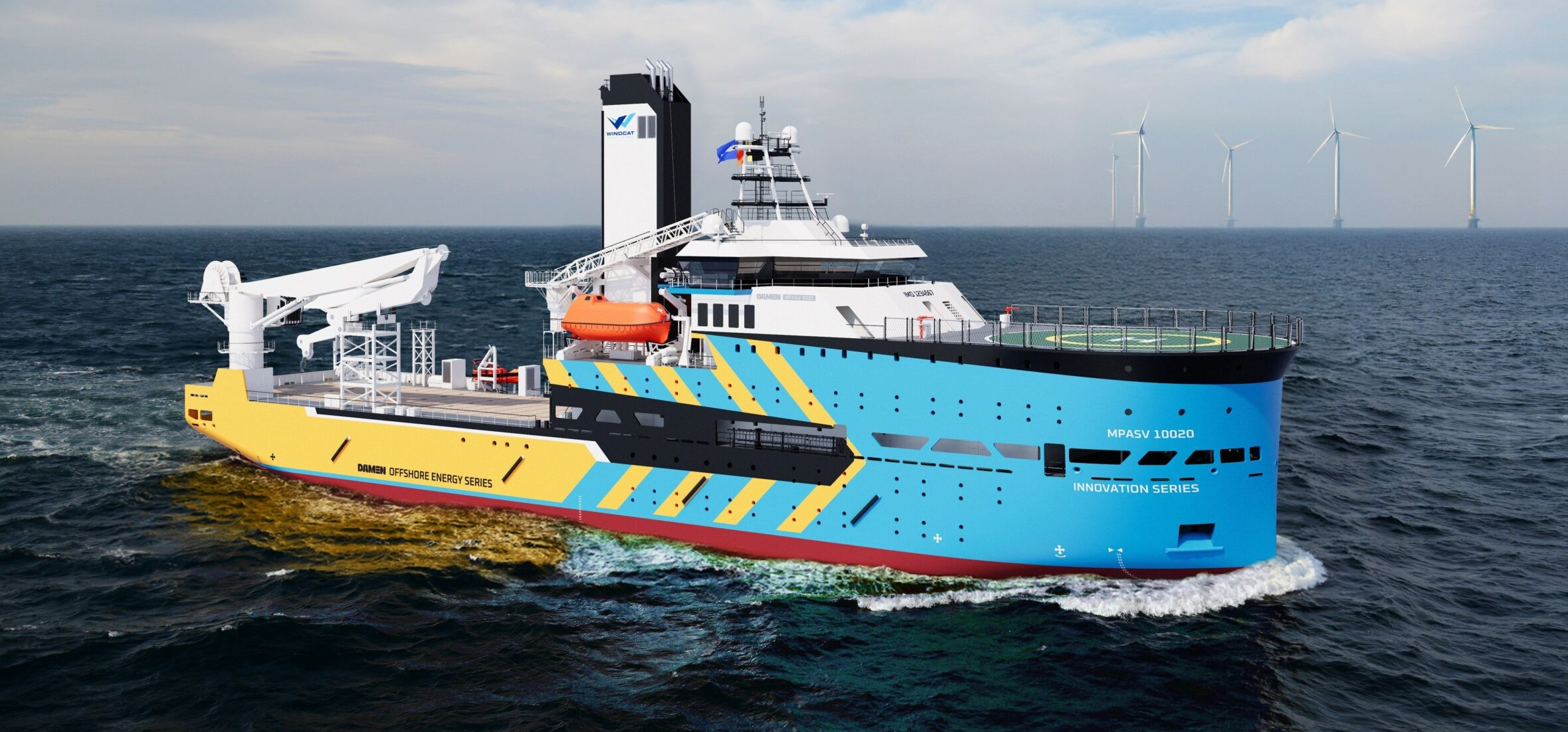
By 2026, the SOV has become the dominant vessel type in the offshore wind sector. Unlike a PSV that returns to port frequently, an SOV acts as a floating hotel and warehouse for wind farm technicians. They can remain on-station for 30 days or more, providing accommodation, workshops, and the specialized "walk-to-work" gangways that allow safe access to wind turbines.

Core Operational Activities and Technical Capabilities
Operating an OSV is not merely a matter of sailing from Point A to Point B. These vessels utilize sophisticated technology to perform tasks that standard merchant ships cannot.
Dynamic Positioning (DP) Systems
The most critical technology on a modern OSV is the Dynamic Positioning (DP) system. A DP system uses a combination of GPS, laser-based sensors (Fanbeam/CyScan), and acoustic sensors to automatically maintain the vessel's position and heading.
- DP2 and DP3 Standards: Most modern OSVs are rated DP2 or DP3, meaning they have full redundancy. If one engine or thruster fails, the computer system immediately compensates, ensuring the ship does not drift into the offshore platform—a catastrophic event known as a "drift-on" collision.
Subsea Operations and ROV Support
Many OSVs are equipped to facilitate subsea work. This involves:
- Moonpools: A reinforced opening in the center of the hull that allows ROVs or diving bells to be lowered into the water, protected from the surface wave action.
- Saturation Diving Support: Some OSVs carry pressurized chambers where divers live for weeks at a time, allowing them to work at extreme depths without needing to decompress after every shift.
Comparison of Offshore Support Vessel Classes
| Vessel Type | Primary Role | Key Equipment | Typical Length |
|---|---|---|---|
| PSV | Cargo & Bulk Logistics | Large clear deck, bulk tanks | 60m - 95m |
| AHTS | Towing & Mooring | High-power winches, stern roller | 70m - 90m |
| MPSV | Subsea Construction | Subsea crane, ROV hangars | 85m - 120m |
| SOV | Wind Farm Maintenance | Motion-compensated gangway | 80m - 110m |
| Crew Boat | Rapid Personnel Transport | High-speed engines, seating | 25m - 55m |
The Evolution of OSVs in 2026: Green Technology and Automation
The maritime industry in 2026 is defined by a massive shift toward decarbonization. OSVs are at the forefront of this transition because their operational profiles—frequent idling and high power bursts—are perfectly suited for hybrid technology.
Hybrid and Alternative Fuel Systems
Many OSVs now operate on battery-hybrid power. Large battery rooms allow the vessel to run on "peak shaving" mode. When the ship is in DP mode, engines often run at inefficient loads to ensure safety; batteries provide an instant power reserve, allowing the crew to shut down unnecessary engines, reducing fuel consumption and emissions by up to 20%. Furthermore, by 2026, dual-fuel engines capable of burning Methanol or Ammonia have entered the mainstream for new-build OSVs.
Digital Twins and Remote Monitoring
Modern OSVs are no longer isolated. They are "connected assets." Sensors throughout the ship feed data to shore-based centers. This allows companies to use Digital Twins—virtual replicas of the vessel—to predict engine failures before they happen and optimize fuel consumption based on real-time weather data.
Safety and Regulatory Frameworks
What an offshore support vessel does is governed by strict international safety standards. Due to the proximity in which these ships work to high-pressure oil wells and expensive wind assets, the margin for error is zero.
- IMCA Guidelines: The International Marine Contractors Association (IMCA) provides the gold standard for DP trials and offshore safety procedures.
- SOLAS and MARPOL: Like all commercial ships, OSVs must adhere to the International Convention for the Safety of Life at Sea (SOLAS) and the International Convention for the Prevention of Pollution from Ships (MARPOL).
- Special Purpose Ship (SPS) Code: Because many OSVs carry a large number of "special personnel" (technicians and divers who are not part of the ship's crew), they must meet higher safety and stability standards than standard cargo ships.
Challenges in Offshore Support Operations
The role of an OSV is inherently dangerous. The primary challenges include:
- Station Keeping in Extreme Weather: Maintaining a position within a 1-meter radius while 5-meter waves are hitting the hull requires incredible mechanical and human precision.
- Cargo Handling at Sea: Lifting a 20-ton container from a moving deck to a platform 30 meters above is a high-risk maneuver. Crane operators and deck crews must work in perfect synchronization.
- The Transition to Renewables: As the world moves away from fossil fuels, OSV owners must retro-fit older vessels designed for oil (PSVs) into vessels suitable for wind (SOVs). This involves significant engineering challenges, such as adding accommodation blocks and specialized boat landings.
FAQ
What is the difference between a PSV and an AHTS?
While both can carry supplies, a Platform Supply Vessel (PSV) is optimized for cargo capacity and fuel efficiency. An Anchor Handling Tug Supply (AHTS) vessel is built with much higher engine power (Bollard Pull) and specialized winches specifically for towing rigs and handling heavy mooring chains.
Do OSVs work in the offshore wind industry?
Yes, OSVs are essential to offshore wind. Specialized versions called Service Operation Vessels (SOVs) and Commissioning Service Operation Vessels (CSOVs) provide the housing and access systems necessary for technicians to build and maintain wind turbine arrays.
How many people live on an offshore support vessel?
The crew size varies by vessel type. A standard PSV might have 12 to 20 crew members. However, an MPSV or SOV designed for subsea work or wind farm support can accommodate 60 to 120 people, including technicians, divers, and ROV operators.
What is "Bollard Pull" in the context of an OSV?
Bollard pull is a conventional measure of the pulling power of a vessel, similar to the horsepower of a truck. It is measured in metric tonnes and is the most critical specification for AHTS vessels that need to tow massive offshore structures.
Are offshore support vessels autonomous?
By 2026, fully autonomous OSVs are not yet the standard for deep-sea work due to safety regulations, but "highly automated" vessels are common. These ships can perform autonomous docking and use AI to optimize DP station-keeping, though a human crew remains on board for oversight and complex manual tasks.
Practical Recommendation for Industry Stakeholders
For those looking to engage with or invest in the offshore support vessel market in 2026, the focus should remain on vessel versatility and environmental compliance. As carbon taxes and ESG (Environmental, Social, and Governance) requirements tighten, vessels equipped with hybrid-battery systems and DP2 redundancy will command higher day rates and higher utilization. If you are entering the industry as a professional, prioritize training in Dynamic Positioning (DP) certification and high-voltage electrical systems, as these are the most sought-after technical skills in the modern OSV fleet.
Image Gallery
Select an image to open it in a new tab.



Akira Tanaka
International Academic Trends Correspondent
