Understanding the Epigenetic Study of Disease: Mechanisms, Clinical Impact, and Future Directions
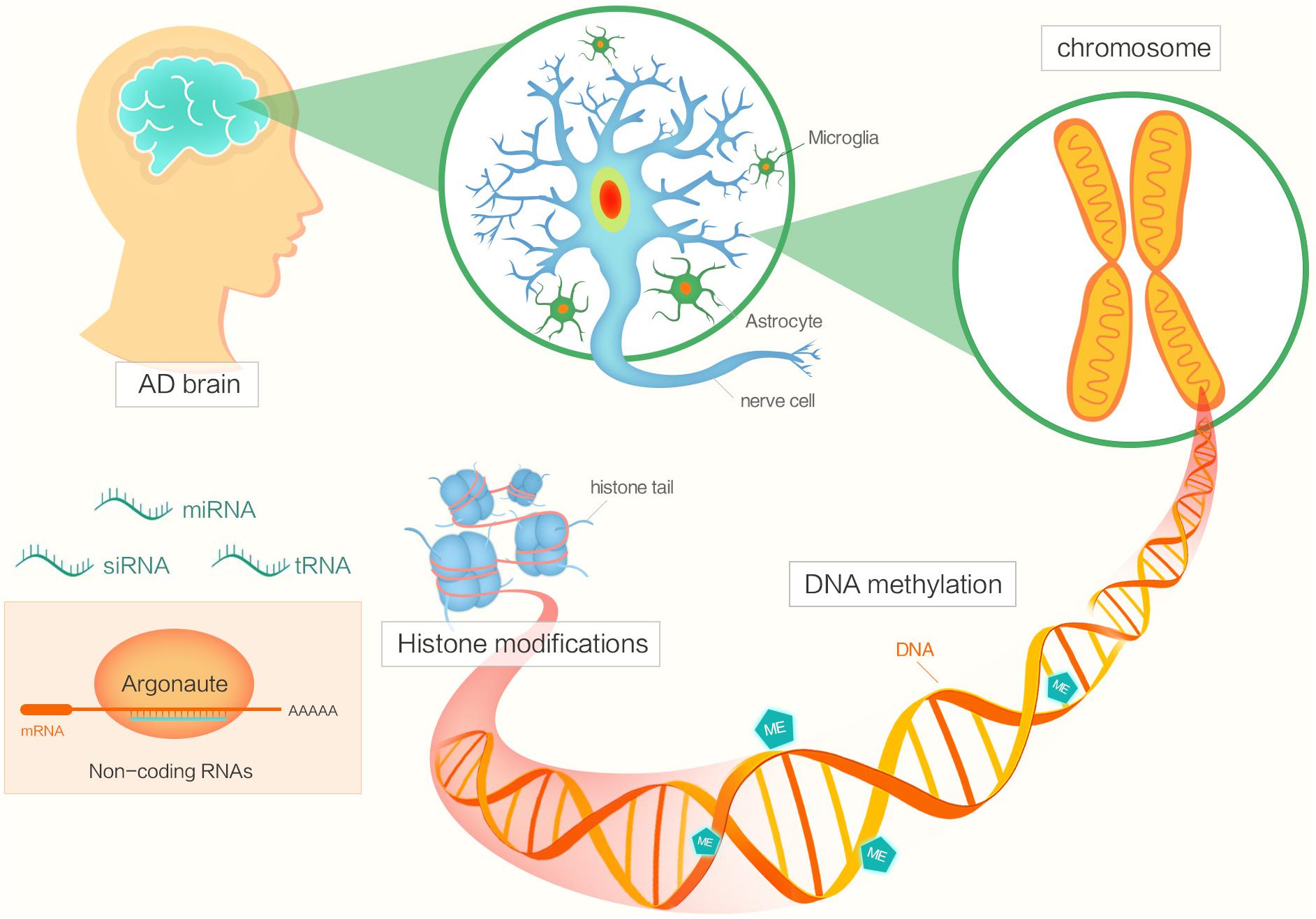
The epigenetic study of disease focuses on identifying how external environments and internal behaviors trigger chemical modifications that turn genes on or off without altering the underlying DNA sequence. These modifications, such as DNA methylation and histone remodeling, serve as critical regulators of cellular health; when dysregulated, they drive the development of cancer, autoimmune disorders, and neurodegenerative conditions.
The Molecular Foundations of Epigenetics
To understand the epigenetic study of disease, one must first distinguish between the genetic code and the epigenetic layer. If DNA is the hardware of a computer, epigenetics acts as the software that determines which programs run and which remain dormant. As of 2026, our understanding of these mechanisms has transitioned from theoretical biology to a cornerstone of clinical diagnostics.
DNA Methylation: The Primary Silencer
DNA methylation is perhaps the most extensively studied epigenetic mechanism. It involves the addition of a methyl group ($CH_3$) to the 5-carbon position of the cytosine ring, typically occurring at CpG islands—regions of DNA where a cytosine nucleotide is followed by a guanine nucleotide.
In a healthy state, methylation patterns ensure that genes are expressed only in the correct tissues at the correct times. However, in the context of disease, these patterns often shift. For instance, hypermethylation (excessive methylation) of promoter regions in tumor-suppressor genes can effectively "silence" them, allowing for uncontrolled cell growth. Conversely, hypomethylation (loss of methylation) can activate oncogenes that should remain suppressed, leading to genomic instability.
Histone Modification and Chromatin Remodeling
DNA does not exist as a loose strand in the nucleus; it is wrapped around proteins called histones, forming a structure known as chromatin. The way DNA is packed determines its accessibility to the machinery required for gene expression.
Various chemical "tags," including acetyl, methyl, and phosphate groups, attach to the tails of histone proteins. Histone acetylation, catalyzed by histone acetyltransferases (HATs), generally relaxes the chromatin (euchromatin), making genes accessible for transcription. Histone deacetylation, performed by histone deacetylases (HDACs), tightens the chromatin (heterochromatin), preventing gene expression. The study of disease often reveals an imbalance in these enzymatic activities, particularly in inflammatory and metabolic disorders.
Non-coding RNA (ncRNA) Regulation
While most RNA is translated into proteins, a significant portion consists of non-coding RNAs, such as microRNAs (miRNAs) and long non-coding RNAs (lncRNAs). These molecules act as epigenetic regulators by binding to messenger RNA (mRNA) to prevent protein synthesis or by recruiting chromatin-remodeling complexes to specific genomic sites. In many cardiovascular diseases, specific miRNA profiles have been identified as both drivers of pathology and potential biomarkers for early detection.
The Role of Epigenetics in Disease Pathogenesis
The shift from health to disease is rarely the result of a single genetic mutation. Instead, it is frequently a cumulative result of epigenetic shifts that alter cellular identity.
Oncology: The Epigenetic Pioneer
Cancer was the first field to benefit significantly from epigenetic study. Unlike genetic mutations, which are permanent deletions or substitutions in the DNA sequence, epigenetic changes are potentially reversible. This realization has revolutionized oncology.
In 2026, oncologists routinely use epigenetic profiling to classify tumors. For example, in glioblastoma, the methylation status of the MGMT gene promoter is a primary predictor of how a patient will respond to chemotherapy. If the promoter is methylated, the DNA-repair gene is silenced, making the cancer cells more vulnerable to alkylating agents. This specific application demonstrates how epigenetic study directly informs personalized treatment protocols.
Neurodegenerative and Psychiatric Disorders
The brain is highly sensitive to epigenetic regulation due to its high plasticity. In Alzheimer’s disease, researchers have identified localized hypermethylation in the hippocampus, which affects genes related to synaptic plasticity and memory formation.
Similarly, in psychiatric conditions like major depressive disorder and PTSD, epigenetic study has revealed that chronic stress can lead to long-lasting changes in the FKBP5 gene and the glucocorticoid receptor gene (NR3C1). These changes alter the body’s stress response system, creating a biological "memory" of trauma that persists long after the external threat has vanished.
Metabolic and Cardiovascular Diseases
Type 2 diabetes and atherosclerosis are increasingly viewed through an epigenetic lens. High glucose levels can induce "metabolic memory," where vascular cells continue to express inflammatory genes even after blood sugar is brought under control. This occurs because the initial high-glucose environment causes persistent histone modifications that keep pro-inflammatory pathways active. Understanding these "memory" markers is essential for developing therapies that prevent long-term complications in diabetic patients.

Environmental Triggers and the "Epigenome"
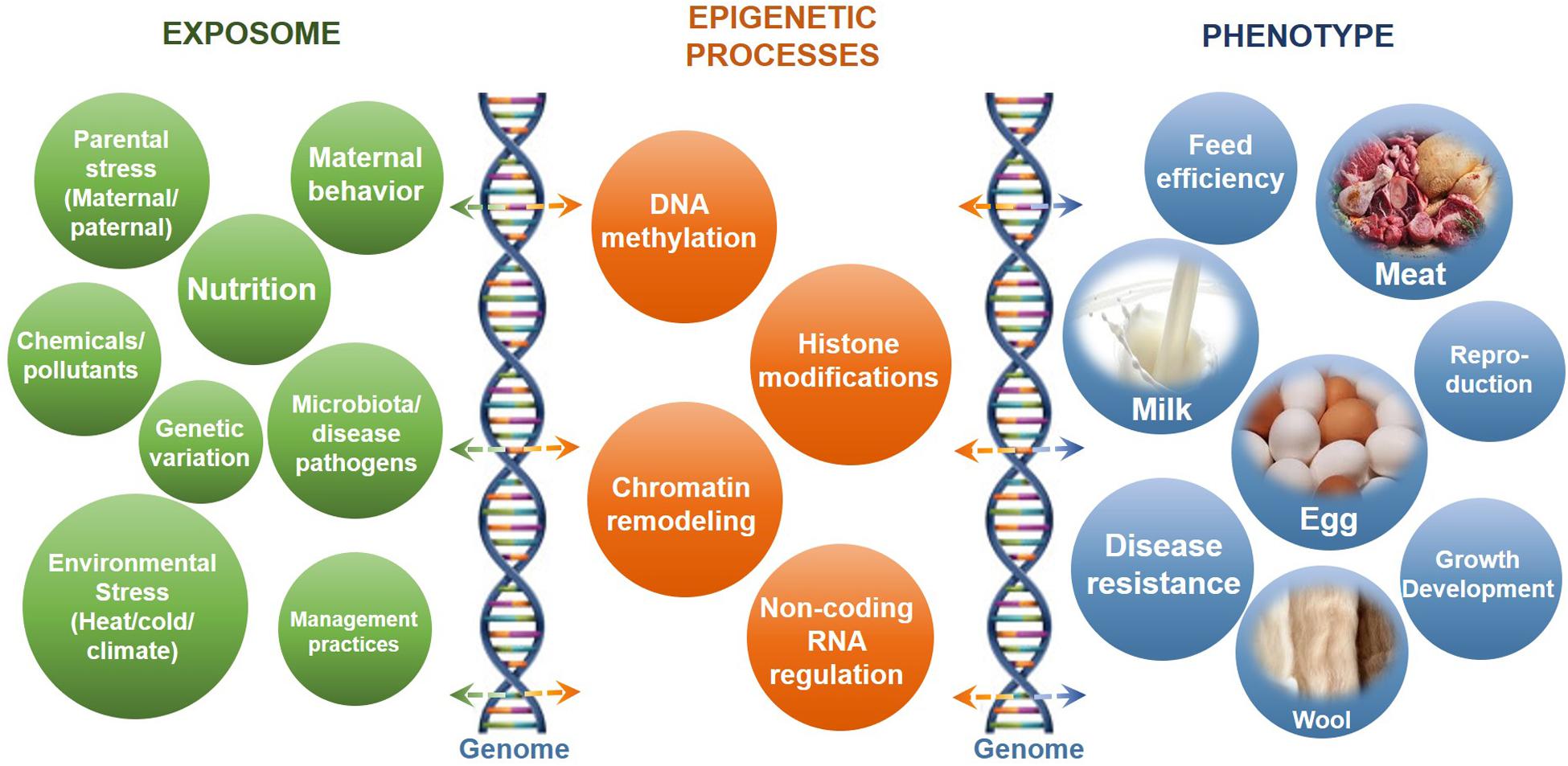
One of the most profound aspects of the epigenetic study of disease is the bridge it builds between nature and nurture. The epigenome acts as a record of an individual’s environmental exposures.
- Nutrition: Bioactive compounds in food, such as folate and vitamin B12, serve as methyl donors. A deficiency in these nutrients during critical periods of development (such as pregnancy) can lead to permanent epigenetic changes in the offspring, increasing their risk of metabolic syndrome later in life.
- Pollutants: Exposure to heavy metals (like arsenic or cadmium) and air pollutants (PM2.5) has been shown to cause global hypomethylation, which is linked to increased cancer risk and respiratory distress.
- Lifestyle Factors: Smoking and alcohol consumption induce specific, measurable changes in the DNA methylation of blood cells. In 2026, "epigenetic clocks" are used to measure "biological age" versus chronological age, often revealing that smokers have a biological age significantly higher than their actual years due to these chemical modifications.
Diagnostic and Prognostic Applications
The clinical utility of epigenetics has expanded rapidly. Because epigenetic changes often occur very early in the progression of a disease—sometimes years before physical symptoms appear—they are ideal for early detection.
Liquid Biopsies and Biomarkers
The development of liquid biopsy technology has allowed clinicians to detect fragments of tumor DNA (ctDNA) circulating in the blood. By analyzing the methylation patterns of this DNA, doctors can not only confirm the presence of cancer but often identify the specific organ of origin. This is a significant leap from traditional imaging, which can only detect tumors once they have reached a certain size.
The Epigenetic Clock
The use of "clocks" based on DNA methylation levels at specific sites (such as the Horvath clock) has become a standard tool in longevity research and preventive medicine. These clocks help identify individuals whose epigenomes are aging faster than normal, allowing for early intervention in the form of diet, exercise, or pharmacological "epi-intervention."
Therapeutic Interventions: Epidrugs and Beyond
If epigenetic changes are reversible, then the diseases they cause might also be reversible. This premise has led to the development of "epidrugs."
DNMT and HDAC Inhibitors
The first generation of epigenetic therapies focused on DNA methyltransferase (DNMT) inhibitors and histone deacetylase (HDAC) inhibitors. These drugs aim to "reset" the epigenetic state of the cell. For example, in myelodysplastic syndromes, DNMT inhibitors like azacitidine help reactivate silenced genes that control cell differentiation, effectively forcing the cancerous cells to behave like normal cells again.
CRISPR-Based Epigenetic Editing
In 2026, the frontier of treatment is epigenetic editing using dCas9 (dead Cas9). Unlike traditional CRISPR, which cuts the DNA, dCas9 is engineered to carry epigenetic modifiers (like a methyltransferase) to a specific gene. This allows scientists to turn off a harmful gene or turn on a protective one without the risks associated with breaking the DNA strand. This precision minimizes off-target effects and represents a paradigm shift in how we treat chronic illness.
Comparing Genetic and Epigenetic Alterations
| Feature | Genetic Mutation | Epigenetic Modification |
|---|---|---|
| Primary Change | Change in the DNA sequence (A, T, C, G) | Change in chemical "tags" (Methyl, Acetyl) |
| Reversibility | Generally permanent | Potentially reversible |
| Cause | Errors in replication, radiation, chemicals | Diet, stress, toxins, aging, behavior |
| Impact on Gene | Can result in a malformed protein | Regulates the quantity of protein produced |
| Detection Method | DNA Sequencing (WGS/WES) | Methylation arrays, ChIP-seq |
| Therapeutic Target | Gene replacement/editing | Epidrugs (HDACi, DNMTi), lifestyle |
Challenges and Ethical Considerations
Despite the progress, the epigenetic study of disease faces significant hurdles. One major challenge is tissue specificity. The epigenetic signature of a blood cell may look entirely different from that of a liver cell or a neuron, making it difficult to diagnose certain diseases without invasive biopsies.
Furthermore, the concept of transgenerational epigenetic inheritance raises ethical questions. Research suggests that certain epigenetic marks caused by trauma or poor nutrition can be passed down through generations. This implies a biological responsibility for current generations to maintain health not just for themselves, but for their descendants.
Frequently Asked Questions
Can you change your epigenetics through lifestyle?
Yes, lifestyle interventions are among the most effective ways to influence your epigenome. Regular physical activity, a diet rich in methyl donors (like leafy greens and legumes), and stress management techniques have been shown to positively alter DNA methylation patterns. While these changes don't happen overnight, sustained behavioral shifts can move an individual's "biological age" toward a healthier state.
Is epigenetic testing available for regular patients?
As of 2026, epigenetic testing has moved into the mainstream. While primarily used in oncology for tumor profiling, many preventative health clinics now offer epigenetic "biological age" tests and screening for specific methylation markers associated with cardiovascular risk. However, these should always be interpreted by a medical professional to avoid the "noise" of temporary environmental factors.
How does epigenetics differ from traditional genetics?
Traditional genetics focuses on the genes you are born with—the blueprint itself. Epigenetics focuses on how those genes are used. You cannot change your genetic sequence, but you can influence the "switches" that determine whether those genes are active or silenced.
Are the effects of "epidrugs" permanent?
Not necessarily. Because epigenetic modifications are dynamic, the effects of epigenetic drugs often require ongoing or cyclical administration. However, in some cases, such as in certain blood cancers, the drug can "re-program" the cell lineage, leading to long-term remission.
What is the "Dutch Hunger Winter" study?
This is a landmark study in epigenetics involving individuals who were in utero during the Dutch famine of 1944. Researchers found that these individuals had distinct methylation patterns on the IGF2 gene compared to their siblings born during better times. These epigenetic marks were linked to higher rates of obesity and schizophrenia later in life, providing early evidence that prenatal environment can permanently shape the epigenome.
Can epigenetic editing cure hereditary diseases?
Epigenetic editing is currently being explored for diseases where a gene is present but improperly regulated. For example, in Fragile X syndrome, the gene is silenced by excessive methylation. Epigenetic editing aims to remove those methyl groups to restore gene function. While it may not "cure" a missing gene, it offers a powerful way to manage diseases of gene expression.
Practical Recommendation for Further Action
For those interested in the epigenetic study of disease—whether as a patient or a professional—the first step is to stay informed through authoritative sources such as the National Human Genome Research Institute (NHGRI) and the International Human Epigenome Consortium (IHEC).
If you are considering epigenetic testing, ensure the laboratory is CLIA-certified and that the results will be reviewed by a genetic counselor or a physician specializing in genomic medicine. Focusing on "modifiable" factors—such as optimizing your nutritional status and reducing exposure to known environmental toxins—remains the most effective way to support a healthy epigenome and reduce the risk of chronic disease.
Image Gallery
Select an image to open it in a new tab.

Lars Thomsen
Global Labor Markets and Economic Strategy Editor
