
Robert Redford is an Oscar-winning American actor, director, producer, and environmental champion whose career transformed modern entertainment. Renowned for classic films such as Butch Cassidy and the Sundance Kid and All the President's Men, Redford revolutionized the film industry by founding the Sundance Institute, establishing the premier launchpad for global independent cinema.
The Making of a Hollywood Icon: Early Life and Breakthrough
Charles Robert Redford Jr. was born on August 18, 1936, in Santa Monica, California. Before becoming one of the most recognizable faces in world cinema, Redford pursued a winding path through fine art, attending the University of Colorado on a baseball scholarship before studying painting at the Pratt Institute in New York and European art institutions. His pivot to performance began when he enrolled at the American Academy of Dramatic Arts, discovering an unexpected talent for stage craft.
Redford built his initial reputation in the late 1950s and early 1960s through guest appearances on classic television series such as The Twilight Zone, The Untouchables, and Alfred Hitchcock Presents. His Broadway performance in Neil Simon’s romantic comedy Barefoot in the Park (1963) marked his transition to mainstream stardom, leading to his reprise of the role in the 1967 film adaptation opposite Jane Fonda.
The defining turning point of Redford’s early career arrived in 1969 with the Western classic Butch Cassidy and the Sundance Kid. Starring alongside Paul Newman, Redford played the outlaw Harry Longabaugh—the "Sundance Kid"—a role that cemented his screen persona: quiet, intense, physically adept, and fiercely magnetic. The electric chemistry between Newman and Redford, paired with William Goldman’s brilliant screenplay, shattered box office records and established Redford as an A-list talent.
Early Career Progression:
- Broadway Stage (Barefoot in the Park)
- Television Roles (The Twilight Zone)
- Hollywood Breakthrough (Butch Cassidy and the Sundance Kid, 1969)
The Golden Era: Redford’s Impact on 1970s Cinema
The 1970s represented a golden age for American filmmaking, known as the "New Hollywood" era, and Robert Redford stood at its epicenter. Unlike many stars of his era who relied solely on romantic lead status, Redford selectively chose complex projects that reflected the social anxiety, political skepticism, and cultural evolution of post-Watergate America.
Redefining the Hollywood Leading Man
Throughout the decade, Redford avoided easy categorization by balancing romantic dramas with high-stakes political thrillers:
- The Way We Were (1973): Starring alongside Barbra Streisand, Redford played Hubbell Gardiner, portraying the collision of romance, privilege, and ideological divide against the backdrop of the Hollywood blacklist.
- The Sting (1973): Reunited with Paul Newman and director George Roy Hill, this caper film won seven Academy Awards, including Best Picture, and earned Redford his first and only Academy Award nomination for Best Actor.
- Three Days of the Condor (1975): Sydney Pollack’s paranoid political thriller showcased Redford as a low-level CIA analyst who uncovers an agency conspiracy, tapping into contemporary public distrust of governmental intelligence.
1970s New Hollywood Archetype:
- Romantic Drama (The Way We Were)
- Classic Crime/Caper (The Sting)
- Political Thriller (All the President's Men)
All the President's Men and Political Cinema
Redford’s most influential project of the era was not merely as an actor, but as a producer. Recognized for his keen political awareness, Redford purchased the film rights to Carl Bernstein and Bob Woodward’s book All the President's Men before it was even published.
Released in 1976 and directed by Alan J. Pakula, the film detailed The Washington Post's investigation into the Watergate scandal. Redford portrayed Woodward opposite Dustin Hoffman’s Bernstein. Beyond its critical and commercial success, the film transformed how investigative journalism was depicted on screen, emphasizing meticulous research over sensationalism and establishing a blueprint for procedural docudramas for decades to come.
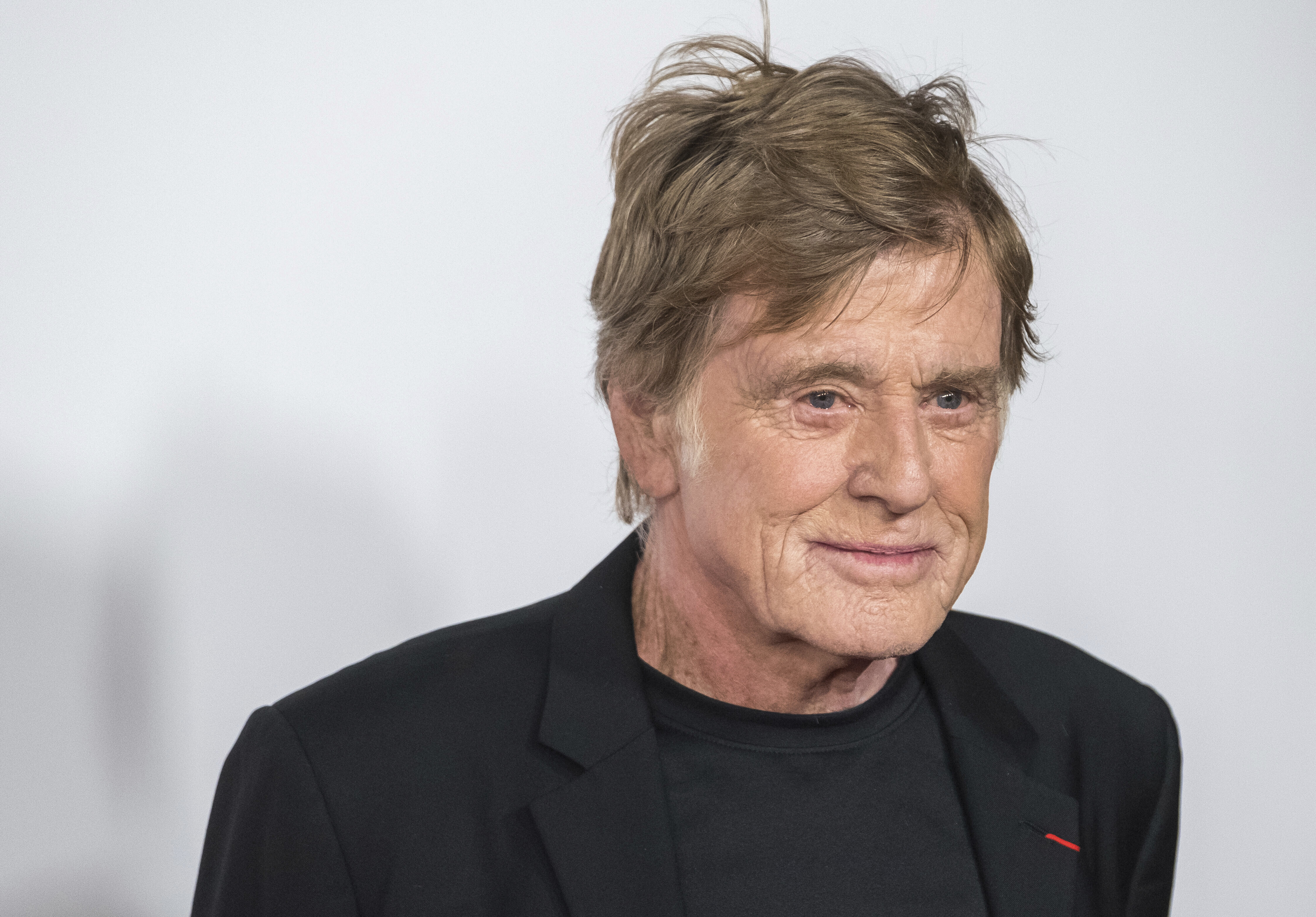
Transition Behind the Camera: Redford the Director
By 1980, Robert Redford launched a parallel career as a filmmaker, demonstrating a precise, naturalistic directorial style that focused on psychological intimacy, domestic tension, and institutional morality.
Redford's Key Directorial Milestones:
- 1980: Ordinary People — Academy Award Winner: Best Picture & Director
- 1992: A River Runs Through It — Adapted from Norman Maclean's novella
- 1994: Quiz Show — Critical acclaim examining TV corruption
Directorial Debut: Ordinary People (1980)
Redford’s directorial debut, Ordinary People, examined the emotional collapse of an upper-middle-class family following the accidental drowning of their eldest son. Eschewing flashy camera moves for subtle human drama, the film drew extraordinary performances from Donald Sutherland, Mary Tyler Moore, and Timothy Hutton.
Ordinary People became a critical triumph, winning four Academy Awards, including Best Picture and Best Director for Redford. The win was historically significant: Redford became one of the few actors to win an Academy Award for Best Director on a debut feature.
Subsequent Directorial Works
Redford continued to build an impressive directorial filmography that examined distinct facets of American life:
- A River Runs Through It (1992): Set in early 20th-century Montana, this visually captivating adaptation of Norman Maclean's novella explored brotherhood, faith, and fly-fishing, while catapulting a young Brad Pitt to international stardom.
- Quiz Show (1994): A sharp historical drama detailing the 1950s twenty-one quiz show rigging scandals, earning Redford Academy Award nominations for both Best Picture and Best Director. The film critically scrutinized the intersection of television, corporate greed, and social ethics.
- The Horse Whisperer (1998) & The Legend of Bagger Vance (2000): Visual fables exploring trauma, healing, and human connection to nature and sport.
Why Robert Redford Matters: The Sundance Revolution
While Redford’s acting and directorial accomplishments secure his place in cinematic history, his most profound impact on global culture is his creation of the independent film infrastructure.
- Establishment of Sundance Institute (1981)
- Acquisition of U.S. Film Festival (1985)
- Creation of Sundance Film Festival
- Launch of Iconic Directors (Tarantino, Soderbergh, Coen Bros.)
Founding the Sundance Institute
In 1981, using proceeds from his acting success and land he acquired in Utah, Redford founded the Sundance Institute in the mountains of Park City. He sought to create a supportive space for independent filmmakers away from the commercial pressures and creative compromises of Hollywood studios.
The Institute created creative labs—offering screenwriting, directing, producing, and music composition workshops—where emerging artists could develop original scripts alongside veteran mentors.
The Sundance Film Festival
In 1985, the Sundance Institute took over the management of the Utah-based U.S. Film Festival, eventually renaming it the Sundance Film Festival. Under Redford's stewardship, Sundance grew into the world's premiere showcase for independent film.
Before Sundance, non-studio independent movies faced nearly insurmountable hurdles to find distribution or mainstream audiences. Redford’s platform radically altered the economics and aesthetics of the film industry:
- Discovering Legendary Talent: Sundance launched the careers of filmmakers who redefined modern cinema, including Steven Soderbergh (Sex, Lies, and Videotape), Quentin Tarantino (Reservoir Dogs), the Coen Brothers (Blood Simple), Darren Aronofsky (Pi), and Ryan Coogler (Fruitvale Station).
- Elevating Documentary Filmmaking: Sundance elevated non-fiction storytelling from niche educational material to theatrical, culturally relevant cinema.
- Fostering Diversity and Inclusion: Decades before major studios prioritized inclusion, Sundance actively programmed films by female, minority, and LGBTQ+ artists, giving marginalized voices a global audience.
Without Redford’s vision, the modern indie film landscape—and the streaming revolution that relies on independent talent—would not exist in its current form.
Environmental Activism and Public Advocacy
Beyond the silver screen, Robert Redford has been an active, vocal environmental advocate for over five decades, utilizing his platform to address climate change, land preservation, and environmental justice.
Utah Land Conservation
In the 1970s, Redford bought land at the base of Mount Timpanogos in Utah, establishing the Sundance Preserve to protect hundreds of acres of wilderness from commercial development. His philosophy prioritized environmental stewardship over real estate monetization.
Advocacy and Policy Work
Redford served on the board of the Natural Resources Defense Council (NRDC) for over thirty years. He used his public notoriety to lobby Congress on behalf of clean energy, public lands protection, and opposition to oil pipelines.
In 2005, Redford co-founded The Redford Center alongside his late son, James Redford. The non-profit organization produces and funds impact-driven media—such as documentary films and educational campaigns—designed to inspire environmental action and systemic change.
Robert Redford's Impact Areas:
- Independent Film
- Sundance Labs & Festival
- Artistic Empowerment
- Environmental Action
- The Redford Center & NRDC Board Leadership
Major Milestones and Comparative Overview
To fully understand Robert Redford's vast contributions, it helps to examine his career milestones across acting, directing, producing, and cultural philanthropy:
| Career Phase | Primary Focus / Landmark Works | Major Achievements & Awards | Historical Significance |
|---|---|---|---|
| 1960s: Rise to Stardom | Barefoot in the Park (1967), Butch Cassidy and the Sundance Kid (1969) | BAFTA Award for Best Actor (Butch Cassidy) | Established the modern charismatic counterculture anti-hero; forged iconic duo with Paul Newman. |
| 1970s: Peak Stardom & Producing | The Candidate (1972), The Sting (1973), All the President's Men (1976) | Academy Award Nomination for Best Actor (The Sting) | Defined post-Watergate cinema; popularized political and investigative journalism thrillers. |
| 1980s: Directing & Sundance | Ordinary People (1980), Founding of Sundance Institute (1981) | Academy Awards for Best Director and Best Picture (Ordinary People) | Created the structural foundation for American independent cinema; proved actors can transition to elite directing. |
| 1990s: Master Filmmaker | A River Runs Through It (1992), Quiz Show (1994) | Academy Award Nominations for Best Director and Best Picture (Quiz Show) | Advanced literary adaptations; elevated storytelling around American cultural history and nature. |
| 2000s–Present: Legacy | All Is Lost (2013), The Old Man & the Gun (2018), Environmental Advocacy | Presidential Medal of Freedom (2016), Academy Honorary Award (2002) | Recognized globally as a cultural statesman, conservation pioneer, and architect of modern media labs. |
Frequently Asked Questions
Did Robert Redford win an Oscar for acting?
No, Robert Redford never won an Academy Award for acting, though he was nominated for Best Actor for The Sting (1973). However, he won an Academy Award for Best Director for his directorial debut Ordinary People (1980) and received an Honorary Academy Award in 2002 recognizing his lifetime contributions to cinema and his role in founding Sundance.
What is Robert Redford's connection to Sundance?
Robert Redford named the Sundance Institute after his character, the "Sundance Kid," from the 1969 film Butch Cassidy and the Sundance Kid. He founded the institute in 1981 using his own capital to support independent screenwriters and directors, and built the Sundance Film Festival into the premier platform for independent movies worldwide.
Why was All the President's Men so important to Redford's career?
All the President's Men (1976) demonstrated Redford’s vision as an auteur producer. He recognized the cinematic potential of the Watergate investigation before the book was even written, purchased the rights, brought in key creative talent, and produced a groundbreaking film that redefined how journalism and political scandals are portrayed on screen.
When did Robert Redford retire from acting?
Redford announced his retirement from acting following the release of the 2018 crime comedy-drama The Old Man & the Gun, in which he played real-life bank robber Forrest Tucker. While he stepped back from starring in feature films, he has continued his advocacy, producing efforts, and involvement with environmental initiatives.
Assessing Redford’s Enduring Cultural Impact
Robert Redford's legacy spans far beyond standard Hollywood stardom. While most actors are judged solely by box office returns or award tallies, Redford fundamentally reshaped the infrastructure of Western storytelling.
Robert Redford's Legacy:
- Movie Stardom (70s Cinematic Icon)
- Director/Auteur (Oscar-winning Vision)
- Indie Pioneer (Sundance Infrastructure)
- Permanent Transformation of Cinema
He provided an alternative to studio-controlled filmmaking, proving that artistic integrity and independent voices could thrive alongside commercial blockbusters. Through the Sundance Institute, he mentored generations of storytellers who went on to define contemporary film and television.
For audiences, film historians, and aspiring directors, Robert Redford matters because he used his platform, personal fortune, and prestige to open doors for others—ensuring that cinema remained a dynamic, diverse, and vital medium for exploration.
Key Takeaway for Film Enthusiasts: To understand modern cinema, study not just Redford's iconic performances in Butch Cassidy or All the President's Men, but also explore the early works of filmmakers discovered at Sundance. Redford’s greatest contribution was building the stage upon which independent filmmaking could change the world.
Image Gallery
Select an image to open it in a new tab.



Declan O'Connor
Higher Education and Campus Culture Reporter
