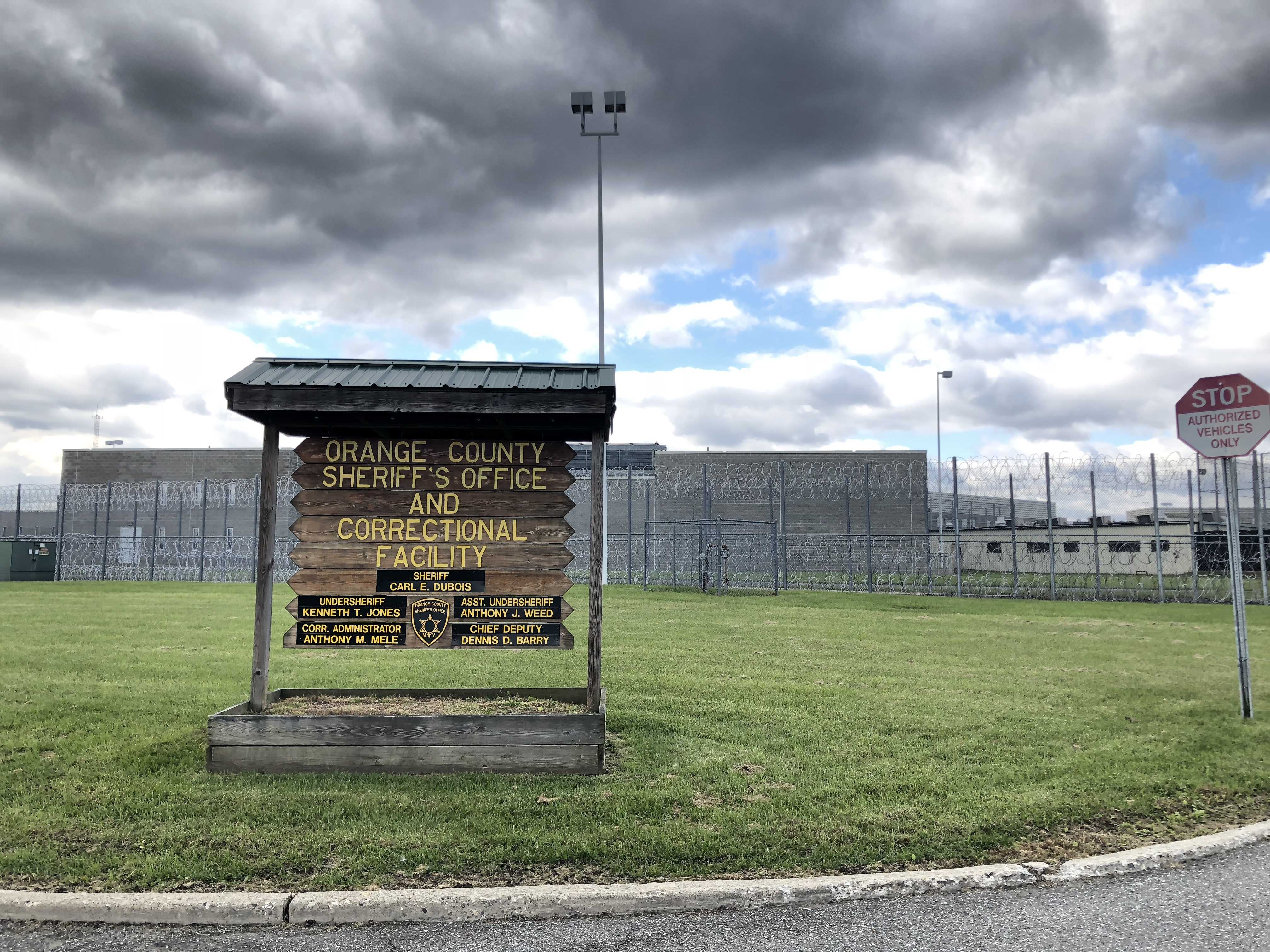
As of 2026, the term "Orange County ICE Detention Center" refers primarily to the administrative and custodial operations within Orange County, Florida, as the long-standing detention contracts in Orange County, California, were terminated years ago. For those seeking to locate, contact, or provide legal assistance to an individual in federal immigration custody within these jurisdictions, understanding the current facility protocols, bond procedures, and communication restrictions is essential for navigating the complex U.S. Immigration and Customs Enforcement (ICE) ecosystem.
Locating an Individual in ICE Custody
The first step for families or legal representatives is verifying the exact location of a detainee. ICE manages a massive network of federal, private, and county-run facilities. Because individuals are often transferred between facilities based on bed space or processing requirements, a person arrested in one county may be moved hundreds of miles away within 24 to 48 hours.
Using the Online Detainee Locator System (ODLS)
The most reliable method for finding a detainee is the ICE Online Detainee Locator System. To use this system effectively in 2026, you generally need one of two sets of information:
- A-Number and Country of Birth: The Alien Registration Number (A-Number) is a unique nine-digit identifier assigned to non-citizens. If the A-Number has only seven or eight digits, you must add leading zeros to make it nine digits. This is the most accurate search method.
- Biographic Information: If the A-Number is unavailable, you can search by the person’s full legal name, date of birth, and country of birth. Note that names must match the ICE records exactly; common issues arise with hyphenated last names or middle names used as primary identifiers.
If the online system does not return a result, it may be because the individual is still in the intake process, is under 18 years of age (juveniles are not listed in ODLS), or has been released or deported. In such cases, contacting the local ICE Enforcement and Removal Operations (ERO) field office directly is the necessary next step.
The Orange County Jail (Florida) and ICE Operations
In Orange County, Florida, ICE maintains a significant presence through an Intergovernmental Service Agreement (IGSA) with the local corrections department. The Orange County Jail in Orlando serves as a primary holding point for individuals detained by ICE in the Central Florida region.
Facility Identification and Contact Information
The facility is managed by the Orange County Corrections Department but houses federal immigration detainees under ICE oversight.
- Physical Address: 3723 Vision Blvd, Orlando, FL 32839
- Main Phone (Jail): (407) 836-3400
- ICE ERO Field Office (Orlando): (407) 812-3600
Individuals held here are typically awaiting their first appearance before an Immigration Judge at the Orlando Immigration Court or are being held pending the execution of a final order of removal.
Visitation Protocols and Requirements
Visitation for ICE detainees at the Orange County Jail is subject to strict security protocols. As of 2026, many facilities have transitioned to a hybrid model of in-person and video visitation.
- Identity Verification: All visitors must present a valid, government-issued photo ID. This includes a U.S. driver's license, a state identification card, or a valid foreign passport.
- Background Checks: Visitors may be subject to a warrant check upon entry. It is advised that individuals with unresolved legal issues or precarious immigration status consult with an attorney before attempting an in-person visit at a correctional facility.
- Dress Code: Conservative attire is strictly enforced. Prohibited clothing typically includes see-through fabrics, shorts above the mid-thigh, tank tops, and any clothing featuring gang-related symbols or offensive language.
- Prohibited Items: No cell phones, cameras, recording devices, or bags are allowed in the visitation area. Most facilities provide lockers for a small fee, but it is better to leave these items in a vehicle.
The Status of ICE Detention in Orange County, California
A common point of confusion for those searching for the "Orange County ICE Detention Center" involves the California jurisdiction. Historically, the Orange County Sheriff’s Department (OCSD) held a multi-million dollar contract to house ICE detainees at the Theo Lacy Facility in Orange and the James A. Musick Facility in Irvine.
The 2019 Contract Termination
In 2019, the Orange County Sheriff's Department officially terminated its contract with ICE. This decision was driven by several factors, including the need to prioritize local jail space for mental health services and the increasing complexity of state laws (such as the California Values Act or SB 54) which limited local law enforcement's cooperation with federal immigration authorities.
Where are Southern California Detainees Held Now?
Since the closure of the Orange County, CA, facilities to immigration detainees, individuals arrested in the region are typically transported to larger, dedicated ICE processing centers. These include:
- Adelanto ICE Processing Center: Located in San Bernardino County, this is one of the largest facilities in the United States and is managed by the GEO Group.
- Otay Mesa Detention Center: Located in San Diego, managed by CoreCivic.
- Imperial Regional Detention Facility: Located in Calexico.
For those in Orange County, CA, looking for a loved one, the search should begin with the Adelanto Facility or the Los Angeles ERO Field Office.
Legal Rights and Administrative Procedures
Regardless of the specific facility, all individuals held in ICE detention are afforded certain rights under the U.S. Constitution and the National Detention Standards. Unlike criminal defendants, however, immigration detainees do not have a Sixth Amendment right to a government-funded attorney. They have the "privilege" of being represented by counsel, but it must be at no expense to the government.
The Role of Form G-28
To represent a detainee, an attorney must file Form G-28 (Notice of Entry of Appearance as Attorney or Accredited Representative). This document allows the attorney to speak with ICE officials, receive updates on the case, and access the detainee’s records. Family members should prioritize finding an attorney who can file this form immediately to prevent the individual from being transferred or deported without notice.
Access to Legal Materials
Facilities are required to provide detainees with access to a law library and legal research materials. This is crucial for those who are "pro se" (representing themselves). In 2026, most libraries are digital, providing access to the Immigration and Nationality Act (INA) and relevant case law.
Reporting Civil Rights Violations
If a detainee experiences medical neglect, physical abuse, or a denial of religious freedom, complaints can be filed with the DHS Office for Civil Rights and Civil Liberties (CRCL). It is important to document specific dates, names of officers involved, and any witnesses to the alleged misconduct.
Posting an Immigration Bond
A bond is a set amount of money paid to the government to guarantee that the detainee will attend all future court hearings. If the individual complies with all court orders, the bond is returned to the "obligor" (the person who paid it) at the conclusion of the case.
Eligibility for Bond
Not everyone is eligible for a bond. Under the INA, certain individuals are subject to "mandatory detention" due to specific criminal convictions or because they are classified as "arriving aliens." For those who are eligible, a bond can be set in two ways:
- ICE Custody Determination: An ICE officer may set an initial bond amount during the intake process.
- Bond Hearing: If ICE denies bond or sets it too high, the detainee can request a bond hearing before an Immigration Judge. The judge will evaluate whether the person is a flight risk or a danger to the community.
How to Pay the Bond (Form I-352)
Bonds must be paid at an ICE ERO office, not usually at the jail itself. For the Orange County, Florida area, the payment is typically processed at the Orlando Field Office.
| Requirement | Detail |
|---|---|
| Acceptable Payment | Cashier's check from a bank or a money order. Cash and personal checks are never accepted. |
| Payable To | "U.S. Department of Homeland Security" |
| Payer Requirements | The person paying (the obligor) must be a U.S. citizen or Legal Permanent Resident (Green Card holder). |
| Documentation | The obligor must provide a valid ID and a Social Security card. |
| Form Provided | Upon payment, the obligor receives Form I-352 (Immigration Bond) and Form I-305 (Receipt). |
Caution: Always keep the original I-305 receipt. It is required to claim the money back once the immigration case is closed.
Communication: Mail, Phones, and Funds
Maintaining contact with the outside world is vital for the mental health of detainees and the preparation of their legal defense.
Sending Mail
When sending mail to a detainee at the Orange County Jail (FL) or other ICE facilities, the envelope must be formatted correctly to ensure delivery.
Correct Mailing Format:
- Full Name of Detainee
- A-Number (Alien Registration Number)
- Facility Name and Unit
- Address of Facility (e.g., 3723 Vision Blvd, Orlando, FL 32839)
All incoming mail is inspected for contraband. Do not send polaroids, stamps, or envelopes, as these are often restricted. Legal mail must be clearly marked "Legal Mail" and is typically opened in the presence of the detainee without being read by staff.
Telephone Access
Detainees cannot receive incoming phone calls. To make outgoing calls, they must use the facility's designated phone service provider (often Talton Communications or GTL). Families can set up pre-paid accounts to lower the cost of these calls. Note that all calls, except those to verified legal counsel, are recorded and can be used against the detainee in immigration court.
Depositing Funds (Commisary)
Money can be deposited into a detainee's "commissary" or "trust" account. These funds allow them to purchase snacks, hygiene products, and phone credits. Deposits can usually be made via kiosks in the jail lobby, through the service provider's website, or via mail using a money order.
Comparison of Key Contact Points
The following table summarizes the contact information and functions for the entities most relevant to an Orange County search.
| Entity | Role | Location | Contact Number |
|---|---|---|---|
| Orange County Jail (FL) | Primary Custodial Facility (Contract) | Orlando, FL | (407) 836-3400 |
| ICE Orlando ERO | Administrative & Bond Processing | Orlando, FL | (407) 812-3600 |
| Orlando Immigration Court | Legal Proceedings/Hearings | Orlando, FL | (407) 204-5100 |
| Adelanto Processing Center | Primary SoCal Detention Site | Adelanto, CA | (760) 561-6100 |
| Los Angeles ERO | Oversight for CA Detainees | Los Angeles, CA | (213) 830-7911 |
Frequently Asked Questions
1. How long does an individual stay at the Orange County ICE Detention Center?
There is no fixed duration for immigration detention. Some individuals may be released on bond or parole within weeks, while others with complex legal cases or those challenging a removal order may remain in custody for several months. In 2026, the average length of stay is influenced by the backlog of the specific Immigration Court handling the case.
2. Can I visit a detainee if I am undocumented myself?
It is highly discouraged. Entering a government building or a jail facility requires presenting identification and, in many cases, undergoing a background check. If you have an outstanding order of deportation or a warrant, you may be detained on the spot. Legal representatives recommend that only U.S. citizens or Legal Permanent Residents visit facilities in person.
3. What happens if a detainee needs medical attention?
ICE is required to provide "necessary and appropriate" medical care according to the Performance-Based National Detention Standards (PBNDS). This includes access to dental, mental health, and emergency services. If a facility fails to provide adequate care, the detainee or their attorney should file a Form G-28 and then submit a formal medical grievance.
4. How do I get an A-Number if the detainee doesn't know it?
The A-Number is usually printed on any immigration documents the person has received, such as a Notice to Appear (NTA), a work permit, or a green card. If these are unavailable, you can obtain the number by calling the ERO field office with the person's full name and date of birth, though they may only release it to an immediate family member or an attorney of record.
5. Are there "Know Your Rights" presentations at these facilities?
Many facilities allow non-profit organizations to provide "Know Your Rights" (KYR) presentations. These sessions explain the court process, how to apply for asylum or other forms of relief, and the importance of legal representation. Detainees are encouraged to attend these sessions if they are available.
Recommendation for Next Actions
If a loved one has been detained, the most critical window is the first 24 hours. Immediately locate the individual using the Online Detainee Locator System to ensure they haven't been transferred. Once located, your primary goal should be to retain a qualified immigration attorney who can file a G-28 and request a bond hearing.
Avoid paying "notarios" or non-attorney consultants, as immigration law is a federal specialty that requires licensed legal expertise. If you cannot afford an attorney, request a list of "Pro Bono Legal Service Providers" from the immigration court. Finally, ensure the detainee has the "A-Number" memorized or written down, as it is the key to all future administrative actions.
Image Gallery
Select an image to open it in a new tab.


Mateo Castillo
Decentralized Finance and E-Payments Strategist
