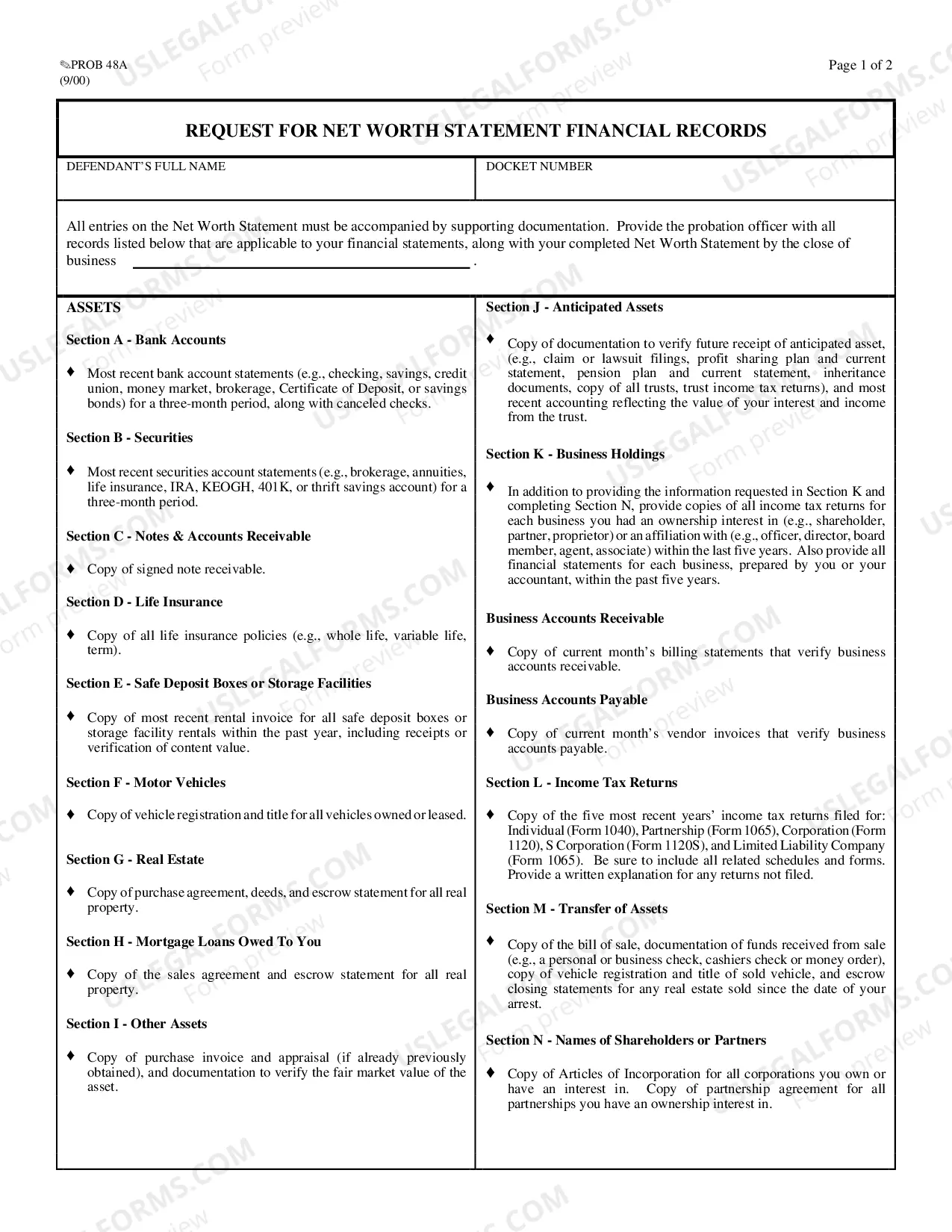
Calculating and managing the net worth for minors requires navigating a complex framework of property laws, trust structures, and fiduciary responsibilities. Because individuals under the age of majority generally lack the legal capacity to hold title to real estate, enter into binding contracts, or manage traditional investment accounts independently, building and preserving wealth for children involves specialized vehicles like custodial accounts and trusts. Adults who oversee these assets must adhere to strict legal boundaries designed to protect the minor's financial interests until they reach legal maturity.
Defining Net Worth in the Context of Minors
Net worth represents the total value of assets owned minus liabilities owed. For an adult, this calculation is straightforward, encompassing real estate equity, retirement accounts, liquid savings, and personal debts like mortgages or credit cards. For a minor, however, the composition of net worth is fundamentally different due to legal incapacities. Minors cannot traditionally hold property deeds or direct brokerage accounts in their own names without adult co-ownership or legal representation.
Consequently, the "net worth" of a minor is almost universally held, managed, and controlled by adults through specific fiduciary mechanisms. This includes cash gifts, savings bonds, custodial accounts, and inheritance distributions held in trust. While the economic value belongs beneficially to the child, the legal title and management rights reside elsewhere. Understanding this distinction is critical for parents, grandparents, and guardians who wish to track, grow, or protect a child's financial standing without running afoul of tax and property laws.
Legal Ownership vs. Beneficial Interest
The cornerstone of understanding a minor's net worth lies in the legal separation between holding title to an asset and reaping its financial benefits.
- Legal Title: This refers to who officially owns the asset in the eyes of the law. For minors, legal title is typically held by a custodian, a trustee, or a court-appointed conservator.
- Beneficial Interest: This represents the right to the economic benefits of the asset, such as investment growth, dividends, or the eventual principal. The minor holds the beneficial interest.
This division exists because contract law in most jurisdictions dictates that agreements made by minors are generally voidable. Therefore, financial institutions and asset registries require an adult or a legal entity to maintain legal control. This prevents minors from making improvident transactions while ensuring that wealth dedicated to their future is preserved safely.
Primary Financial Vehicles for Minor Wealth
Building a net worth for a minor requires utilizing specialized accounts and legal instruments designed to bridge the gap between their legal incapacity and their long-term financial accumulation.
Uniform Transfers to Minors Act (UTMA) and Uniform Gifts to Minors Act (UGMA)
UTMA and UGMA accounts are custodial accounts managed by an adult custodian for the benefit of the minor.
- UGMA accounts typically hold cash, securities, and insurance policies.
- UTMA accounts are broader, allowing the inclusion of real estate, intellectual property, and fine art alongside traditional financial assets.
The defining characteristic of these accounts is irrevocability. Once an asset is transferred into a UTMA or UGMA account, it legally belongs to the minor, even though the custodian controls investment decisions. Upon reaching the age of majority—which varies by jurisdiction, typically between 18 and 21—full control of the account transfers unconditionally to the young adult, regardless of their financial maturity.
Trusts
For larger estates or specific generational wealth transfer strategies, irrevocable or revocable trusts offer superior control compared to custodial accounts. A trust is a legal arrangement where a trustee holds and manages assets for the beneficiary. Grantors can establish precise conditions for distribution, such as releasing funds only for education, purchasing a first home, or distributing principal incrementally across specific ages (e.g., one-third at 25, one-third at 30, and the remainder at 35).
Custodial 529 College Savings Plans
While technically designated for higher education expenses, 529 plans represent a major component of many minors' asset portfolios. The account owner (often a parent or grandparent) maintains control over the funds, while the minor is named as the beneficiary. These accounts offer significant tax advantages, as earnings grow federally tax-free if used for qualified education expenses.
| Vehicle Type | Asset Flexibility | Control Retention | Age of Termination / Transfer | Tax Treatment |
|---|---|---|---|---|
| UGMA Account | Limited to cash, stocks, bonds, mutual funds. | Until majority; custodian decides investments. | Age 18 or 21 (depending on state law). | Subject to "Kiddie Tax" rules on investment income. |
| UTMA Account | Broad; includes real estate, art, and traditional securities. | Until majority; custodian decides investments. | Age 18 or 21 (depending on state law). | Subject to "Kiddie Tax" rules on investment income. |
| Irrevocable Trust | Highly flexible based on trust document terms. | Determined by trust grantor via named trustee. | Specified by grantor (can be past age of majority). | Trust taxed at separate rates unless distributed. |
| 529 Savings Plan | Restricted to qualified higher education expenses. | Account owner retains control indefinitely. | N/A (Beneficiary can be changed by owner). | Tax-free growth and withdrawals for education. |
Fiduciary Duties and Legal Boundaries
Adults managing assets on behalf of a minor operate under strict legal obligations known as fiduciary duties. A fiduciary must act solely in the best financial interest of the beneficiary, avoiding self-dealing, conflicts of interest, and imprudent risk-taking.
The Uniform Prudent Investor Act (UPIA)
Custodians and trustees managing minor accounts are generally bound by principles similar to the Uniform Prudent Investor Act. This requires them to balance risk and return appropriately, diversify investments, and avoid speculative ventures. Using a minor’s custodial funds for parental expenses, household bills, or personal loans constitutes a breach of fiduciary duty and can result in severe legal and financial penalties, including court-ordered restitution.
Income Tax Implications and the "Kiddie Tax"
Asset growth within a minor's portfolio is subject to specific tax regulations. Under tax provisions commonly referred to as the "Kiddie Tax," unearned income (such as dividends, capital gains, and interest) above a certain inflation-adjusted threshold generated in a minor's account is taxed at the parents' marginal tax rates rather than the child's lower rate. This prevents high-net-worth families from improperly shifting investment income to children solely to exploit lower tax brackets. Adults managing these assets must maintain meticulous records for annual tax filing compliance.
Practical Considerations and Common Pitfalls
Navigating the financial boundaries of minor wealth requires foresight regarding long-term consequences and potential systemic risks.
- Loss of Financial Aid Eligibility: Assets legally owned by the minor (such as UTMA and UGMA accounts) are assessed heavily on federal financial aid applications like the FAFSA, requiring up to 20% of the asset's value to be counted toward the Expected Family Contribution. In contrast, parent-owned 529 plans are assessed at a much lower rate (maximum of 5.6%).
- Unconditional Handover at Majority: A major risk of UGMA and UTMA accounts is the abrupt transfer of control at the age of majority. Handing a massive inheritance or investment portfolio to an 18- or 21-year-old without financial literacy training can lead to rapid asset dissipation. Families concerned about this transition often utilize trusts instead.
- Gifting Limits and Gift Tax Exclusions: Individuals contributing to a minor's financial accounts must navigate annual federal gift tax exclusion limits. Contributions exceeding these thresholds require the filing of a gift tax return and may draw against the donor's lifetime gift and estate tax exemption.
Disclaimer: Financial and legal frameworks governing minor assets vary significantly by jurisdiction and change through legislative updates. Individuals should consult with a qualified estate planning attorney or certified financial planner before establishing accounts or transferring assets for minors.
Frequently Asked Questions
Can a minor legally own a house or real estate?
Minors generally cannot hold direct legal title to real estate because they lack the contractual capacity to sign mortgages, insurance policies, or purchase agreements. However, real estate can be held for a minor through an UTMA account (in states that permit real estate holdings), a formal trust, or by naming a legal custodian or guardian on the property deed.
What happens to a custodial account if the custodian dies?
If a custodian passes away before the minor reaches the age of majority, a successor custodian named in the original account paperwork takes over management. If no successor was designated, the court will appoint a successor custodian or guardian, or the matter may be handled through the deceased custodian's probate estate according to state law.
Are earnings in a minor's savings account taxable?
Yes. Minors are subject to income tax rules just like adults, though they only file a return if their income exceeds statutory thresholds. However, unearned investment income exceeding annual thresholds is subject to the Kiddie Tax, requiring parents to report and pay taxes on that income at parental tax rates.
Can parents use money from a minor's account for everyday living expenses?
No. Funds in a UGMA, UTMA, or formal trust belong beneficially to the child. While custodians can use funds to purchase items directly benefiting the minor (such as education, specialized clothing, or medical care), using these funds to cover basic parental obligations like housing, food, and utilities is legally prohibited and considered a breach of fiduciary duty.
How do custodial accounts impact college financial aid?
Custodial accounts owned outright by the minor are treated as student assets on financial aid formulas like the FAFSA, assessing up to 20% of their value toward the family's expected contribution. Parent-owned accounts, such as 529 plans, are treated more favorably as parental assets, which are assessed at a maximum rate of 5.6%.
To safeguard a minor's financial future while ensuring strict adherence to legal boundaries, begin by auditing all existing accounts to verify that legal titles, beneficiary designations, and custodial appointments align with current state laws and long-term family wealth planning goals.
Image Gallery
Select an image to open it in a new tab.
Vivian Cho
Executive IT and Emerging Technologies Reporter
