How to Get Your Credit Report from Experian

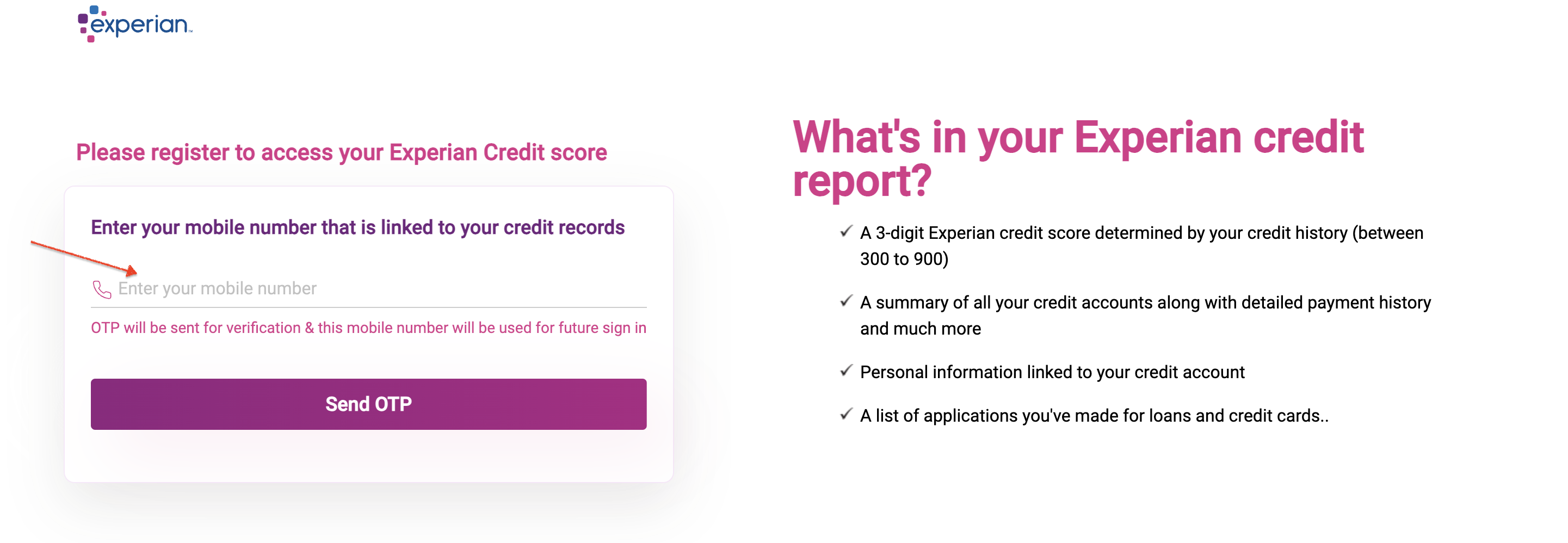
You can obtain your Experian credit report for free through the federally authorized website, AnnualCreditReport.com, which currently provides weekly access to reports from all three major bureaus. Alternatively, you can request your report directly through the Experian website, mobile application, or via phone and mail-in requests.
As we navigate the financial landscape of 2026, maintaining a clear view of your credit health is more than a recommendation; it is a fundamental component of personal security and financial planning. Experian, one of the "Big Three" national credit reporting agencies (CRAs), maintains records on hundreds of millions of consumers. These records dictate your eligibility for mortgages, auto loans, credit cards, and even certain employment opportunities or insurance premiums. Accessing this data is a straightforward process, but understanding the various channels and legal protections available to you is essential for maximizing the benefit of your inquiry.
The Legal Right to Your Data: Understanding the FCRA
The ability to access your Experian credit report is anchored in federal law, specifically the Fair Credit Reporting Act (FCRA). Enacted to ensure the accuracy, fairness, and privacy of information in the files of consumer reporting agencies, the FCRA mandates that bureaus provide you with a copy of your information upon request.
While the original statute guaranteed one free report every twelve months, the consumer finance environment has evolved. Following the global shifts in digital banking and increased identity theft risks in the early 2020s, the major bureaus—Experian, Equifax, and TransUnion—made weekly free reports a permanent fixture of the American credit system. In 2026, this high-frequency access remains the gold standard for consumers who wish to monitor their credit activity without incurring monthly subscription fees.
Under the FCRA, your Experian report must be:
- Accurate: The bureau is legally obligated to correct or delete inaccurate, incomplete, or unverifiable information.
- Private: Access to your report is limited to those with a "permissible purpose," such as a lender, landlord, or insurer.
- Accessible: You have the right to know what is in your file, which is why the methods for obtaining your report are designed to be accessible to all, regardless of digital literacy.
Method 1: Using AnnualCreditReport.com (The Federal Route)
The primary and most official method for obtaining your Experian credit report is through AnnualCreditReport.com. This is the only website specifically authorized by the Federal Trade Commission (FTC) and the Consumer Financial Protection Bureau (CFPB) for this purpose.
Step-by-Step Online Request
- Navigate to the Site: Ensure you are on the correct URL. Beware of "imposter" sites that use similar names but charge for services.
- Enter Personal Information: You will be required to provide your full legal name, date of birth, Social Security Number (SSN), and current residential address. If you have lived at your current address for less than two years, you may need to provide your previous address.
- Select Experian: You will be given the choice to view reports from all three bureaus. You can select Experian individually or choose to view all three to compare data.
- Security Verification: This is the most critical step. Experian will present several "out-of-wallet" questions. These are multiple-choice questions based on information in your credit file that only you should know, such as "Which of the following lenders did you have a mortgage with in 2019?" or "What was the monthly payment on your 2022 auto loan?"
- Review and Save: Once verified, your Experian report will load. It is highly recommended to save the report as a PDF or print it immediately, as the session will expire for security reasons.
Phone and Mail Alternatives
If you prefer not to use the internet or cannot pass the online verification, the FCRA provides alternative channels.
- By Phone: Call 877-322-8228. You will go through an automated verification process, and your report will be mailed to you within 15 days.
- By Mail: Download the Annual Credit Report Request Form from the FTC website, fill it out, and mail it to: Annual Credit Report Request Service P.O. Box 105281 Atlanta, GA 30348-5281

Method 2: Accessing Directly via Experian.com
Experian also offers reports directly through its own consumer portal and mobile application. While the "Free Credit Report" marketed on their homepage is legitimate, it often serves as an entry point for their paid subscription services, such as Experian CreditWorks or identity theft insurance.
The Experian Member Portal
When you create a free account at Experian.com, you gain access to a "live" version of your credit report. Unlike the one-time snapshot from AnnualCreditReport.com, the direct portal often updates more frequently.
- Experian Boost: One unique feature of getting your report directly from the source is the ability to use Experian Boost. This allows you to add positive payment history from utility bills, streaming services, and rent directly to your Experian file, which may increase your FICO Score.
- Mobile App: The Experian app (available on iOS and Android) provides biometrically secured access to your report. In 2026, most users find this the most convenient way to check for new inquiries or changes in credit utilization in real-time.
Comparison of Methods
| Feature | AnnualCreditReport.com | Experian Direct Portal | Mail-In Request |
|---|---|---|---|
| Cost | Always Free | Free (Basic) / Paid (Premium) | Free |
| Frequency | Weekly (Online) | Continuous / Real-time | Every 12 Months (Statutory) |
| Verification | Security Questions | Account Setup + Identity Verification | Physical Signature + Info |
| Format | PDF / Web Page | Interactive Dashboard / App | Physical Paper |
| FICO Score Included | No (Usually) | Yes (Experian FICO 8) | No |
| Ease of Use | High (No account needed) | Medium (Requires account) | Low (Manual mailing) |
Method 3: Special Circumstances for Free Reports
Beyond the standard weekly access, there are specific legal triggers that entitle you to a free Experian credit report. These are particularly useful if you have already exhausted other methods or if you are facing financial hardship.
Adverse Action Notices
If a lender, insurance company, or employer denies your application based on information in your credit report, they are required to send you an Adverse Action Notice. This notice includes the name of the credit bureau used (often Experian) and grants you the right to request a free copy of that specific report within 60 days of the denial. This right is independent of your "once-a-week" free report.
Identity Theft and Fraud
If you have a "reasonable cause" to believe your file contains inaccurate information due to fraud, you are entitled to a free report. Placing an initial fraud alert on your Experian file automatically triggers a process where you can request a copy of your report to review for unauthorized accounts.
Unemployment and Public Assistance
Under the FCRA, you are entitled to one free report per year if:
- You are currently unemployed and intend to apply for employment within 60 days.
- You are a recipient of public welfare assistance.
- Your report is inaccurate due to fraud.
Preparing for the Verification Process
The most common reason consumers fail to get their report on the first try is a failure of the Knowledge-Based Authentication (KBA) process. Because credit reports contain highly sensitive data, Experian must be certain that the person requesting the file is indeed the consumer.
To prepare for these questions, have the following information nearby:
- Previous Addresses: Know the house numbers and street names of places you lived 5–10 years ago.
- Loan Details: Be aware of the approximate original loan amounts for your mortgage or student loans.
- Monthly Payments: Know your approximate monthly car payment or minimum credit card payments from several years ago.
- Co-signers: If you co-signed a loan for someone else, that information will appear on your report and may be used as a security question.
If you fail the online KBA, do not panic. Experian will typically lock the online request for 24 to 48 hours for security. In this event, your best course of action is to use the mail-in request method, as physical documents (like a copy of your driver’s license and a utility bill) serve as the verification instead of the automated questions.
Navigating the Experian Credit Report Structure
Once you successfully retrieve your report, it is vital to understand how the data is organized. An Experian report is typically divided into four main sections:
1. Personal Information
This includes your name, known aliases, current and former addresses, Social Security Number (truncated for security), and employment history. Check this carefully. Small typos in names or old addresses are common, but entirely unfamiliar names or addresses can be a red flag for identity theft.
2. Credit Accounts (Trade Lines)
This is the core of the report. It lists your credit cards, mortgages, and loans. For each account, Experian displays:
- The date the account was opened.
- The credit limit or original loan amount.
- The current balance.
- The payment status (e.g., "Never late" or "30 days past due").
- A 24-to-84 month payment history grid.
3. Inquiry Information
Inquiries are records of who has accessed your credit report.
- Hard Inquiries: Occur when you apply for credit. These can stay on your report for two years and may slightly lower your credit score.
- Soft Inquiries: Occur when a company checks your credit for pre-approved offers or when you check your own report. These do not affect your score and are only visible to you.
4. Public Records and Collections
Experian includes public record information such as bankruptcies. Note that as of recent regulatory changes leading into 2026, most tax liens and civil judgments no longer appear on credit reports, but bankruptcies remain for 7 to 10 years depending on the chapter filed. This section also includes accounts that have been turned over to a third-party collection agency.
Troubleshooting and Correcting Errors
Finding an error on your Experian report is a significant discovery. According to the Consumer Financial Protection Bureau, millions of consumers have found errors that could negatively impact their scores.
If you find an error, you should:
- Initiate a Dispute: You can do this online through the Experian Dispute Center, by phone, or by mail.
- Provide Documentation: If a debt was paid off but shows as "active," provide a copy of the "paid in full" letter from the creditor.
- Wait 30 Days: By law, Experian generally has 30 days to investigate your claim and respond. If they cannot verify the disputed information with the lender, they must remove it.
- Check Other Bureaus: If an error exists on your Experian report, it may also be on your Equifax or TransUnion reports. You must dispute the error with each bureau individually.
Protecting Your Access with a Credit Freeze
As you access your report in 2026, you should also consider the "Security Freeze" (or credit freeze). This is a free tool that prevents identity thieves from opening new accounts in your name by blocking lenders from accessing your Experian report.
Even with a freeze in place, you can still get your own credit report through the methods described above. If you need to apply for credit, you can "thaw" or lift the freeze temporarily through the Experian app or website, usually within minutes. This adds a powerful layer of protection to the data you worked so hard to retrieve.
Frequently Asked Questions
Does checking my own Experian credit report lower my score?
No. Checking your own credit report is considered a "soft inquiry." Unlike "hard inquiries," which occur when you apply for a loan or credit card, soft inquiries have no impact on your credit score. You can check your Experian report as often as you like without fear of damaging your credit standing.
What is the difference between a credit report and a credit score?
A credit report is a detailed history of your credit activity and current credit status, including loan paying history and the status of your accounts. A credit score is a three-digit number, calculated using a mathematical algorithm, that summarizes the information in your report. While AnnualCreditReport.com provides the report for free, it does not always provide the score for free; however, the Experian direct portal usually includes a free FICO Score 8.
Can I get my Experian report in a language other than English?
Yes. AnnualCreditReport.com and the Consumer Financial Protection Bureau provide resources in multiple languages, including Spanish. If you are requesting your report via phone, you can request an interpreter or a Spanish-speaking representative to assist with the verification process.
How long does information stay on my Experian report?
Most negative information, such as late payments, foreclosures, and collections, stays on your Experian report for seven years. Chapter 7 bankruptcies stay for ten years. Positive information—accounts that are open and paid on time—can stay on your report indefinitely, though closed accounts in good standing typically drop off after ten years.
Is the Experian report I get online different from the one I get by mail?
The data contained in the reports is identical. However, the formatting differs. The online report is interactive, allowing you to click on accounts for more details and often providing links to start a dispute. The mailed report is a static document, which some consumers prefer for long-term record-keeping or for use in legal proceedings.
What should I do if Experian says they have "no file" for me?
If you are told that Experian cannot find a file for you, you likely have what is known as a "thin file" or "no file." This happens if you have never had a credit card, student loan, or other traditional credit account in your name. To begin building a file, consider options like a secured credit card or being added as an authorized user on a family member's account.
Practical Recommendation
To maintain optimal financial health in 2026, the most effective strategy is to use AnnualCreditReport.com once every four months for one of the three bureaus, but specifically pull your Experian report via their official mobile app monthly. This hybrid approach allows you to benefit from the legal protections of the federal site while utilizing the real-time monitoring and "Boost" features of the Experian direct portal. Always ensure your "Security Freeze" is active between applications to protect the integrity of your credit file.
Image Gallery
Select an image to open it in a new tab.



Declan O'Connor
Higher Education and Campus Culture Reporter
