Understanding Fiberglass: Is It Actually Made of Glass and What the Term Truly Means
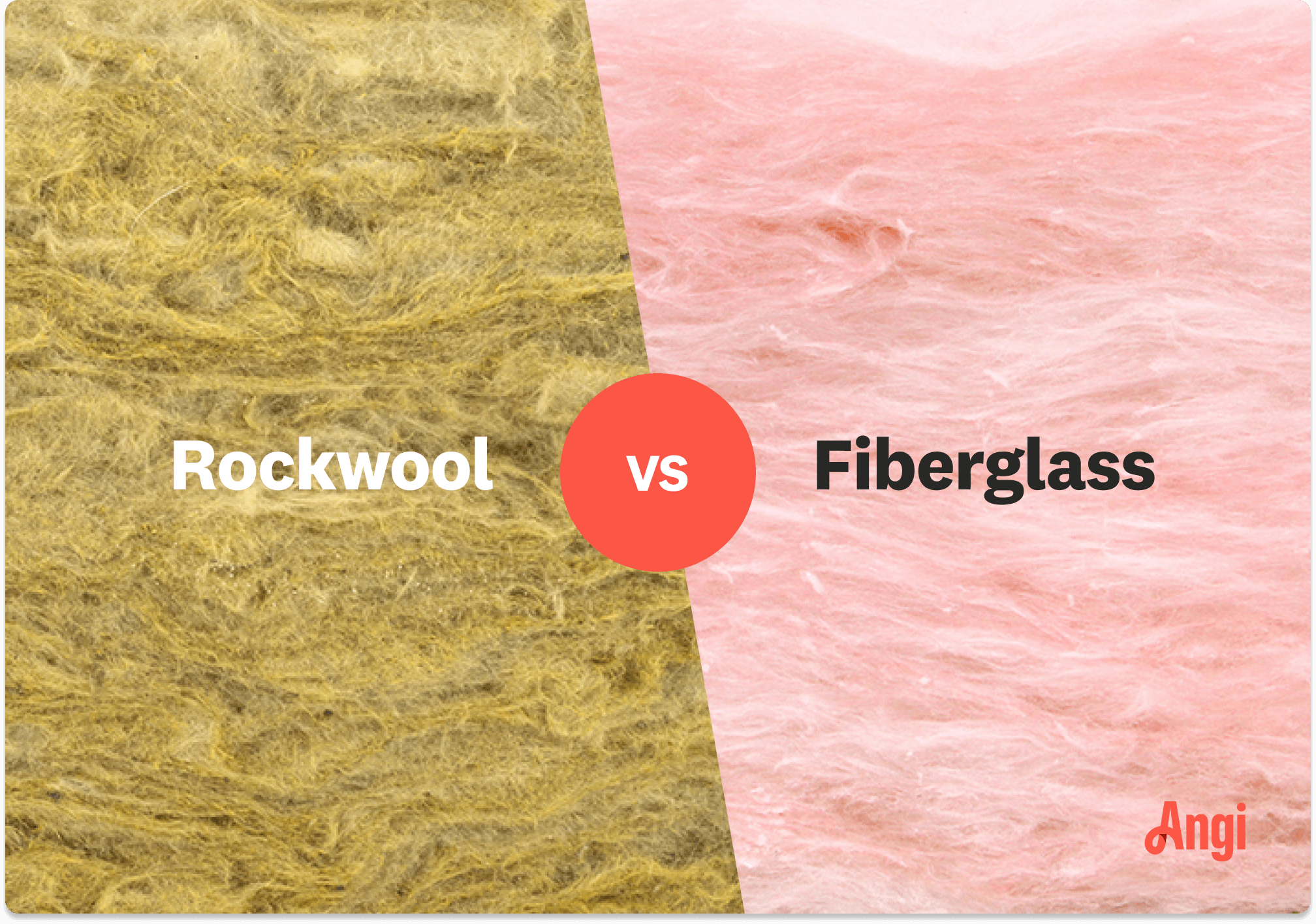
Fiberglass is literally made of glass, specifically extremely fine fibers of silica-based glass. However, the term usually refers to a composite material called Glass Reinforced Plastic (GRP), where these glass fibers provide structural reinforcement within a resin or polymer matrix, creating a lightweight, durable, and versatile material used across countless industries.
To understand fiberglass, one must distinguish between the raw material—the glass filaments themselves—and the finished product most consumers interact with, such as boat hulls, insulation, or auto body panels. While the name implies a single substance, it represents a marriage of two distinct material classes: ceramics (the glass) and polymers (the resin).
The Dual Identity: Material vs. Composite
In common parlance, "fiberglass" is used interchangeably to describe two different things. This is the root of most confusion regarding the term.
First, there are the glass fibers themselves. These are manufactured by extruding molten glass through tiny orifices, creating filaments that are often thinner than a human hair. On their own, these fibers are flexible and have incredibly high tensile strength, but they lack rigidity.
Second, there is the Fiber-Reinforced Plastic (FRP) or Glass-Reinforced Plastic (GRP). This is what most people mean when they talk about a "fiberglass ladder" or a "fiberglass boat." In this context, the glass fibers are embedded in a plastic resin (usually polyester, vinyl ester, or epoxy). The resin acts as a "glue" that holds the fibers in place, protects them from environmental damage, and distributes loads across the fibers.
This synergy is similar to how rebar works in concrete. The concrete (like the resin) provides the shape and handles compression, while the rebar (like the glass fibers) provides the tensile strength that prevents the structure from snapping.
The Chemistry and Composition of Fiberglass
At its core, fiberglass is made from the same primary ingredient as a windowpane or a drinking glass: silica sand ($SiO_2$). However, raw silica has a very high melting point, so manufacturers add other minerals to modify the properties of the glass and make the manufacturing process more efficient.
The glass used for fibers typically includes:
- Silica ($SiO_2$): The primary glass-former.
- Alumina ($Al_2O_3$): Added to increase chemical resistance and strength.
- Calcium Oxide (CaO) and Magnesium Oxide (MgO): Used to lower the melting temperature and improve durability.
- Boron Trioxide ($B_2O_3$): Added to reduce the thermal expansion coefficient, particularly in E-glass.
The specific "recipe" of these minerals determines the type of glass produced. By 2026, advancements in material science have led to even more specialized glass formulations that prioritize sustainability and the reduction of heavy metals in the manufacturing process.

How Fiberglass is Manufactured: The Drawing Process
The transformation of solid glass into microscopic fibers is a marvel of industrial engineering. The process, known as "drawing" or "attenuation," involves several critical steps:
- Melting: Raw materials are fed into a furnace and heated to approximately 2,500°F (1,370°C) until they form a molten pool.
- Extrusion: The molten glass flows through a "bushing," which is a heat-resistant metal plate (usually a platinum-rhodium alloy) containing hundreds or thousands of tiny holes.
- Attenuation: As the glass drops through these holes, it is caught by a high-speed winder. The mechanical tension pulls the glass, stretching it into incredibly thin filaments before it has a chance to cool and harden completely.
- Sizing: Before the fibers are wound, they are coated with a chemical "size." Sizing is crucial because it protects the fragile fibers from abrading each other and, more importantly, acts as a coupling agent that allows the glass to bond chemically with the plastic resin later.
- Final Form: The fibers are then gathered into "rovings" (bundles of filaments), chopped into "chopped strand mat," or woven into fabrics resembling traditional textiles.
Why Use Glass? The Science of Strength
A common question is why we use glass—a material known for being brittle—to reinforce structures. The answer lies in the Griffith Theory of Brittle Fracture.
In bulk form (like a sheet of window glass), glass is full of microscopic surface defects. When stress is applied, these defects act as stress concentrators, causing cracks to propagate quickly and shatter the glass. However, when glass is drawn into a fiber with a very small diameter, the probability of a significant defect occurring in any given section of the fiber is greatly reduced.
Furthermore, the molecular structure of the glass becomes more oriented during the drawing process. The result is a material that, pound for pound, is stronger than steel in tension, yet remains flexible enough to be woven into fabric.
Types of Glass Fibers and Their Applications
Not all fiberglass is created equal. Depending on the intended use, different glass formulations are employed. The following table highlights the primary types recognized in the industry as of 2026.
| Glass Type | Technical Name | Primary Characteristic | Common 2026 Applications |
|---|---|---|---|
| E-Glass | Electrical Glass | Excellent insulation and low cost | Circuit boards, general automotive, home insulation. |
| S-Glass | Strength Glass | High tensile strength and stiffness | Aerospace components, military armor, high-end sporting goods. |
| C-Glass | Chemical Glass | High resistance to acid and corrosion | Chemical storage tanks, underground pipes, battery separators. |
| AR-Glass | Alkali-Resistant | Resists corrosion from concrete | Glass Fiber Reinforced Concrete (GFRC) for architectural facades. |
| D-Glass | Dielectric Glass | Low dielectric constant | High-performance radomes and advanced telecommunications gear. |
The Role of the Resin Matrix
While the glass provides the strength, the resin determines the shape and environmental resistance of the final fiberglass product. In 2026, the industry has seen a significant shift toward bio-based resins to reduce the carbon footprint of composite manufacturing.
- Polyester Resins: The most common and economical choice. They are easy to use and provide good weather resistance, making them the standard for boat building and general parts.
- Vinyl Ester Resins: A middle-ground option that offers better chemical resistance and tougher mechanical properties than polyester. They are frequently used in the chemical processing industry.
- Epoxy Resins: The premium choice. Epoxies offer superior bonding to the glass fibers, higher strength, and better resistance to heat and moisture. They are the standard for aerospace and high-performance racing.
Without the resin, the glass fibers would just be a pile of "wool" or a limp piece of fabric. The resin locks the fibers in their optimal orientation, ensuring the material can withstand complex multi-directional loads.
Fiberglass vs. Carbon Fiber: Understanding the Trade-offs
In the world of composites, fiberglass is often compared to carbon fiber. While both are "fiber-reinforced plastics," they serve different needs.
As we move through 2026, carbon fiber has become more accessible, but fiberglass remains the workhorse of the industry for several reasons. Carbon fiber is significantly stiffer and lighter, which is why it dominates the high-performance cycling and Formula 1 worlds. However, carbon fiber is also much more expensive and is "catastrophically brittle"—meaning it tends to shatter rather than deform under extreme impact.
Fiberglass, by contrast, has a higher "elongation at break." This means it can flex and absorb more energy before failing. This toughness, combined with its transparency to radio waves and its non-conductive nature, makes fiberglass the better choice for many infrastructure and telecommunications projects.
Safety and Handling in Modern Environments
The term "fiberglass" also carries a reputation for being an irritant. Because the material is made of microscopic glass shards, handling it—especially the insulation variety—can lead to "mechanical dermatitis."
The tiny fibers can penetrate the outer layer of the skin, causing itching and redness. More importantly, if fibers become airborne (during cutting or sanding), they can be inhaled. While the Occupational Safety and Health Administration (OSHA) and other regulatory bodies categorize fiberglass as a nuisance dust rather than a potent carcinogen like asbestos, strict PPE (Personal Protective Equipment) is still required.
In 2026, professional standards require:
- N95 or P100 Respirators: To prevent inhalation of glass dust during fabrication.
- Tyvek Suits or Long Sleeves: To minimize skin contact.
- High-Efficiency Particulate Air (HEPA) Vacuums: For cleaning workspaces to prevent the re-circulation of fibers.
Environmental Impact and the 2026 Sustainability Outlook
A major challenge for the fiberglass industry has historically been recycling. Because the material is a "thermoset" composite (the resin cannot be melted back down once cured), most fiberglass waste ended up in landfills.
However, as of 2026, several "circular economy" initiatives have gained traction. Pyrolysis and solvolysis are two chemical processes now being used to break down the resin and reclaim the glass fibers. Additionally, decommissioned wind turbine blades—one of the largest sources of fiberglass waste—are being mechanically ground to be used as filler in cement or as structural elements in pedestrian bridges and sound barriers.
The longevity of fiberglass is its greatest environmental asset; a fiberglass boat can last 50 years or more with proper maintenance, reducing the need for frequent replacements and the consumption of new raw materials.
Frequently Asked Questions
Is fiberglass the same as plastic?
No, but it contains plastic. Fiberglass is a composite material where glass fibers provide the strength and a plastic resin provides the structure. It is more accurately called Glass-Reinforced Plastic (GRP).
Does fiberglass melt?
The glass fibers within the material have a very high melting point (over 2,000°F). However, the resin matrix is much more sensitive to heat. Depending on the type of resin, it will generally begin to soften, char, or burn at temperatures between 150°F and 500°F.
Is fiberglass flammable?
Most resins used in fiberglass are organic and can burn. However, manufacturers often add flame retardants to the resin to meet safety standards. The glass fibers themselves are non-combustible and can act as a fire barrier.
Why is fiberglass used for home insulation if it's made of glass?
Fiberglass insulation works by trapping pockets of air. The glass fibers are spun into a wool-like "batt." These fibers are very poor conductors of heat, and the trapped air prevents convection, making it an excellent thermal barrier.
Can fiberglass be painted?
Yes, fiberglass is highly receptive to painting, provided the surface is properly prepared. Because the resin surface can be very smooth or contain "mold release" agents, it must be sanded and primed with a high-quality epoxy or marine-grade primer to ensure adhesion.
Practical Recommendation for Consumers and Professionals
When selecting or working with fiberglass in 2026, the most important step is to verify the resin type and the glass-to-resin ratio. For structural repairs, ensure you are using a resin that is compatible with the original material; for example, using polyester resin over an existing epoxy structure often results in a "secondary bond" failure.
If you are a DIY enthusiast, always prioritize dust management. Use "wet sanding" techniques whenever possible to keep glass particles from entering the air. For those purchasing fiberglass products, look for "low-VOC" (Volatile Organic Compound) certifications, which indicate that the resin curing process has a minimal impact on indoor air quality.
Image Gallery
Select an image to open it in a new tab.
Akira Tanaka
International Academic Trends Correspondent
