Duck Boat Accident in Branson: A Closer Look at the Tragedy, Safety Failties, and Industry Reform

The July 19, 2018, sinking of the Stretch Duck 7 amphibious vehicle on Table Rock Lake near Branson, Missouri, which claimed 17 lives, remains one of the deadliest tourism industry disasters in modern United States history. A closer look at the incident reveals a complex convergence of severe weather warnings, historical design vulnerabilities, operational decisions, and regulatory oversights that fundamentally transformed the national conversation surrounding amphibious passenger vessel safety.
Understanding the Branson Duck Boat Tragedy
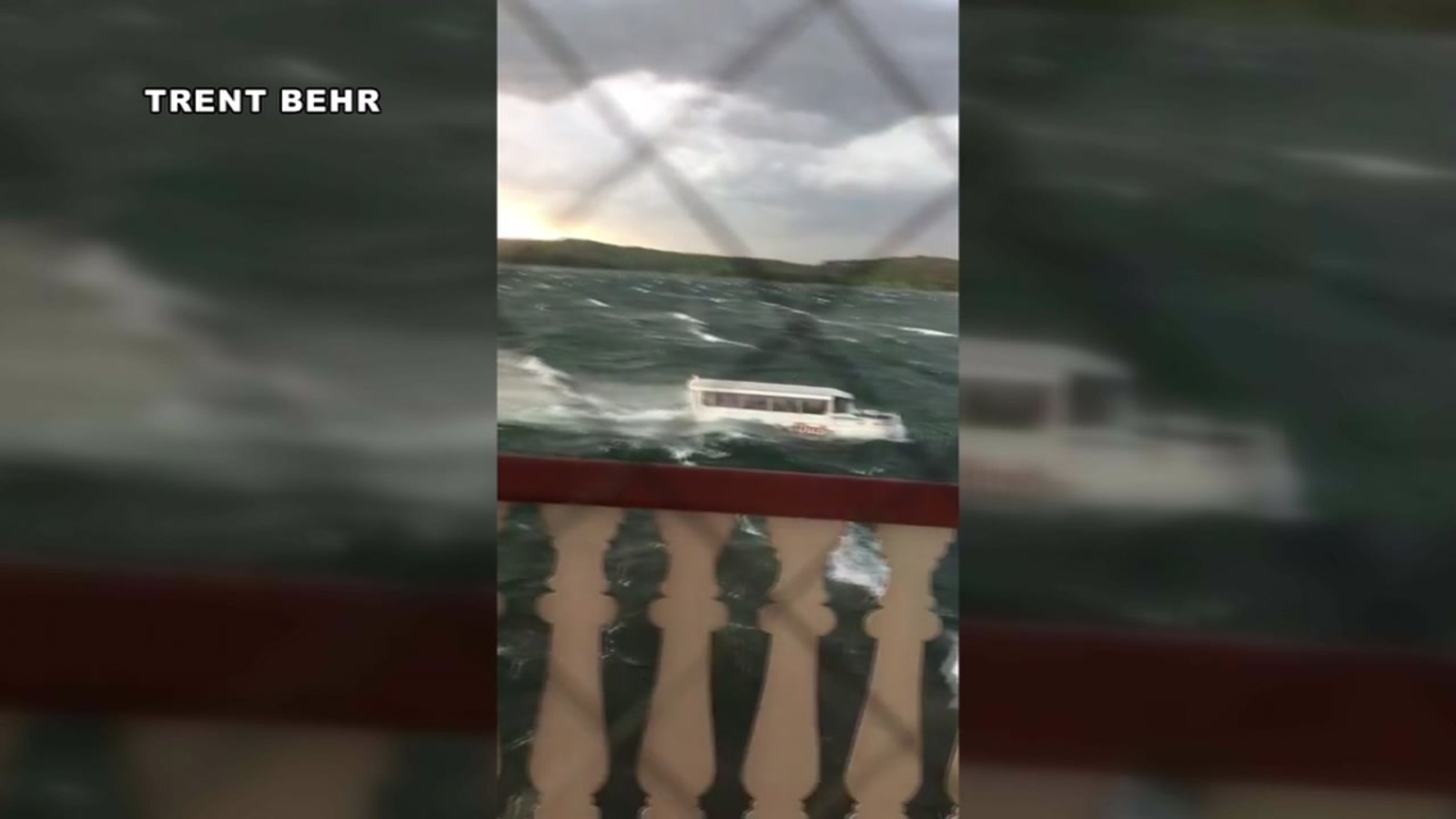
On the evening of July 19, 2018, Ripley Entertainment’s Ride the Ducks operation in Branson launched two amphibious vessels into Table Rock Lake as a severe thunderstorm warning approached the region. The storm intensified rapidly into a derecho—a widespread, long-lived wind storm associated with a band of rapidly moving showers or thunderstorms—bringing straight-line winds exceeding 73 miles per hour and creating massive, lake-ripping waves.
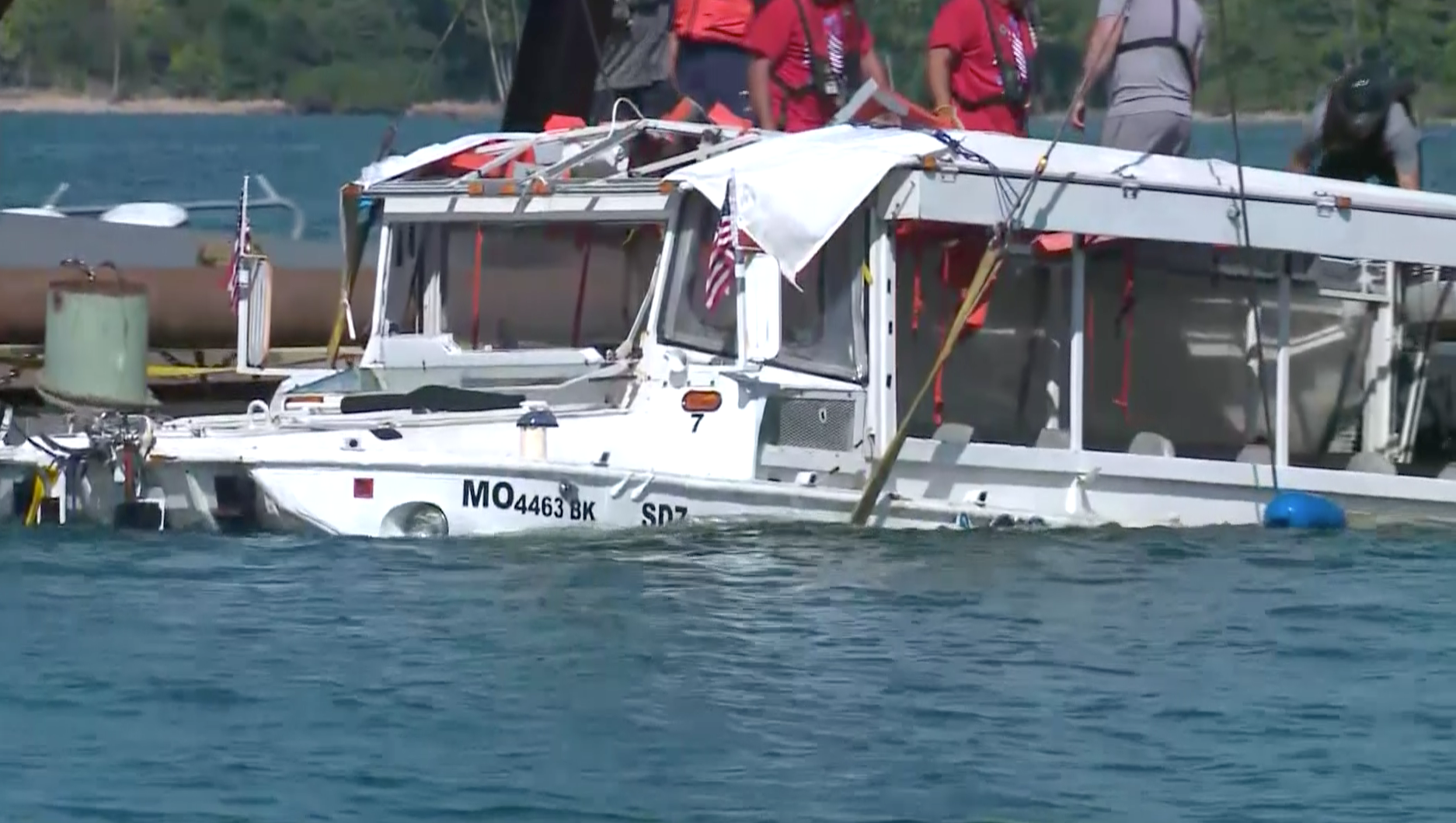
While the first duck boat managed to return to shore safely, Stretch Duck 7 encountered overwhelming wind and wave action on the lake. Water rapidly overwhelmed the vessel's freeboard and entered the hull, compounded by heavy rain and the structural weight of the canopy.
As the craft took on water, it lost buoyancy and sank in approximately 80 feet of water. Of the 31 passengers and crew members on board, 17 individuals perished, including nine members of a single extended family.
Subsequent investigations by the National Transportation Safety Board (NTSB) and the U.S. Coast Guard exposed critical systemic failures. These ranged from ignored weather advisories to the inherent buoyancy and canopy design flaws of World War II-era-derived stretch design vehicles.
The Role of Weather and Operational Decisions
A central focus of investigations into the Branson accident involved the timeline of weather alerts and the decisions made by local tour operators. The National Weather Service (NWS) issued a severe thunderstorm watch for the Branson area at 6:30 p.m., followed by a severe thunderstorm warning at 6:32 p.m., explicitly warning of destructive winds in excess of 60 miles per hour.
Despite these clear meteorological warnings, Stretch Duck 7 and its sister ship entered the water at approximately 6:55 p.m. Evidence gathered by federal investigators showed that the captain of Stretch Duck 7, who also lost his life in the accident, was aware of approaching severe weather but chose to proceed with the water portion of the tour before the land portion. This decision violated basic mariner risk assessment protocols.
| Time Frame (July 19, 2018) | Meteorological Event & Operational Action |
|---|---|
| 6:30 PM | National Weather Service issues a severe thunderstorm watch for Taney County, Missouri. |
| 6:32 PM | National Weather Service upgrades the alert to a severe thunderstorm warning, citing 60+ mph winds. |
| 6:55 PM | Stretch Duck 7 enters Table Rock Lake with 31 passengers and crew on board. |
| 7:00 PM | Sustained winds reach 73 mph, generating high waves that swamp the amphibious vessel. |
| 7:09 PM | Stretch Duck 7 sinks beneath the surface of Table Rock Lake, resulting in 17 fatalities. |
Furthermore, investigators noted a pervasive culture within the local tourism industry that prioritized schedule adherence and ticket sales over passenger safety in marginal weather conditions. The operators failed to establish concrete threshold policies for canceling water operations when severe weather alerts were active in the immediate vicinity.
Design Vulnerabilities and Coast Guard Oversight
Beyond human error and operational miscalculation, the physical design of the stretch duck boat was a primary catalyst for the disaster. The vessel was a modified DUKW, a utility vehicle originally engineered for military logistics during World War II. When converted for civilian tourism, these vehicles were frequently lengthened—or "stretched"—to accommodate more paying passengers, a modification that altered their structural integrity, weight distribution, and handling characteristics.
The NTSB highlighted several critical engineering deficiencies inherent to these vessels:
- Fixed Canopies and Side Curtains: The overhead canopies and roll-down canvas side curtains acted as traps when water entered the vessel, preventing passengers from escaping easily and adding massive top-heavy weight that accelerated capsizing.
- Lack of Reserve Buoyancy: Unlike modern commercial passenger vessels, these converted military vehicles lacked adequate closed-cell foam or internal air-compartment compartments to maintain positive buoyancy when flooded.
- Inadequate Pumping Capacity: The bilge pumps installed on the vessel were insufficient to manage the volume of water shipped during a high-wind weather event on an open lake.
The regulatory framework governing these craft also faced heavy criticism. Because DUKWs were originally classified under older marine inspection rules, they existed in a regulatory gray area. The U.S. Coast Guard had previously issued safety recommendations following earlier fatal duck boat incidents—such as the 1999 sinking of the Miss Majestic in Hot Springs, Arkansas, which killed 13 people—but many of these recommendations were never enacted into mandatory federal law.
Legal Fallout, Settlements, and Criminal Indictments
The aftermath of the Branson disaster triggered extensive civil litigation and criminal proceedings that reshaped legal accountabilities for tourism operators. Ripley Entertainment and other associated corporate entities faced numerous wrongful death and negligence lawsuits filed by surviving family members.
In late 2018 and subsequent years, most civil suits were settled out of court for undisclosed confidential amounts. Plaintiffs argued that corporate management was fully aware of the stability and weather-vulnerability issues associated with stretch duck boats yet continued to operate them for profit without implementing basic safety upgrades like removing canopies or installing independent flotation systems.
On the criminal front, federal prosecutors indicted three key employees associated with Ride the Ducks Branson: the operations manager, the general manager, and the captain on duty (who survived). They faced federal charges under the U.S. Seaman's Manslaughter Act, a statute dating back to the 19th century designed to hold maritime operators criminally liable for misconduct, negligence, or inattention to duty resulting in death.
However, the legal path proved complex. In late 2021, a federal judge dismissed several of the primary felony counts against the managers, citing a lack of direct operational control over the specific voyage on the water at the exact moment of the squall, though state-level legal reckonings and ongoing civil accountability continued to reverberate through the industry.
Industry-Wide Impact and the Push for Federal Reform
The tragedy on Table Rock Lake galvanized lawmakers, safety advocates, and federal agencies to push for permanent legislative and regulatory changes to protect passengers on amphibious tour boats nationwide.
The NTSB issued a series of urgent safety recommendations directed at the U.S. Coast Guard, calling for mandatory safety modifications to all operational amphibious passenger vessels. Key safety mandates advocated by federal investigators included:
- Canopy Removal: Requiring all duck boats to remove fixed canopies and side enclosures or redesign them to ensure they do not impede rapid evacuation or trap passengers during a sinking event.
- Positive Buoyancy Requirements: Mandating that vessels be retrofitted with supplemental reserve buoyancy (such as foam blocks or watertight chambers) to ensure the craft remains afloat even when completely swamped.
- Mandatory Life Jacket Access: Ensuring that personal flotation devices are not stored in overhead canopies or under seats where they become inaccessible once water floods the cabin.
- Stricter Weather Operating Limits: Enforcing rigid operational baselines that automatically ground amphibious craft whenever a severe thunderstorm watch or warning is issued for the local body of water.
In response to the mounting pressure, several municipalities and tour operators across the United States voluntarily suspended or permanently retired their duck boat fleets. While a few major cities phased out the vehicles entirely, others sought federal legislative paths—such as the proposed "Duck Boat Safety Act"—to codify stricter federal oversight and remove the regulatory loopholes that allowed vintage military conversions to operate under lax civilian standards.
Frequently Asked Questions
What caused the duck boat accident in Branson?
The accident was caused by a combination of severe and sudden storm winds exceeding 73 mph, operational decisions to enter the water despite active severe thunderstorm warnings, and inherent structural design flaws—such as a fixed canopy and lack of reserve buoyancy—that caused the vintage military-surplus vehicle to take on water and sink rapidly.
How many people died in the Table Rock Lake duck boat sinking?
Seventeen people lost their lives in the July 19, 2018, disaster, including children and multiple members of the Coleman family from Indiana. Fourteen passengers survived the sinking, some with serious injuries.
Are duck boats still operating after the Branson tragedy?
While some tourism companies permanently retired their amphibious fleets following the disaster, others continued to operate in select cities after implementing various safety modifications. However, federal safety boards and maritime advocates continue to push for a nationwide ban or comprehensive federal redesign mandates.
What is a stretch DUKW?
A stretch DUKW is a modified version of a World War II-era amphibious military truck that has been physically lengthened to carry a larger number of civilian sightseeing passengers. Critics and federal investigators note that these modifications altered the vessel's original engineering specifications and stability margins.
What recommendations did the NTSB make following the disaster?
The National Transportation Safety Board recommended the mandatory removal or redesign of vessel canopies to prevent passenger entrapment, the installation of passive reserve buoyancy systems to prevent sinking when flooded, and stricter adherence to local meteorological advisories by commercial operators.
Conclusion and Next Actions
The 2018 Branson duck boat accident serves as a sobering reminder of the catastrophic consequences when commercial expediency overrides foundational maritime safety protocols. For consumers, travelers, and policymakers, understanding the mechanics of this disaster underscores the importance of scrutinizing safety records, demanding rigorous regulatory oversight, and respecting severe weather parameters in recreational tourism. When evaluating water-based tour operations, travelers should verify that operators adhere to transparent safety standards, maintain accessible personal flotation devices, and enforce strict, weather-dependent cancellation policies.
Image Gallery
Select an image to open it in a new tab.
Zara El-Hashem
Sociocultural Dynamics and Academics Writer
