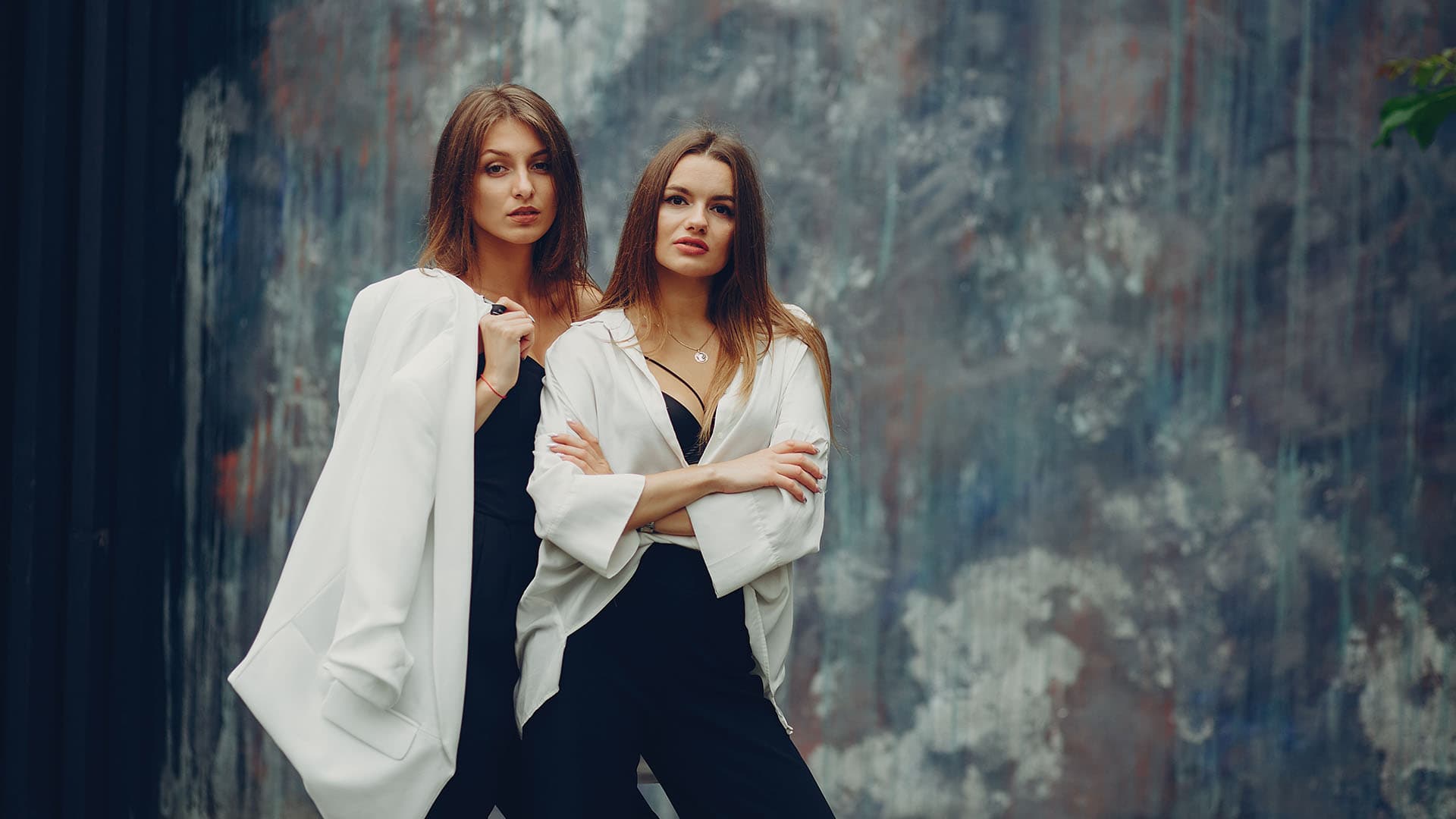
Building a high-impact female model portfolio involves curating a diverse, professional collection of images that demonstrate your versatility, physical proportions, and ability to collaborate with creative teams. Success in the modeling industry as of 2026 relies on balancing high-quality commercial work with artistic editorial shots that showcase your range, ensuring you can meet the specific requirements of agencies, casting directors, and prospective clients.
Understanding the Core Purpose of Your Portfolio
Your portfolio acts as your professional resume. In the industry, it is frequently referred to as a "book." Its primary purpose is to prove that you are a reliable, photogenic professional who can embody different characters and styles. Whether you are aiming for high-fashion runways, commercial advertisements, or catalog work, the portfolio serves as the definitive evidence of your marketability.
Unlike a social media feed, which focuses on trends and personal branding, a model portfolio must maintain a level of technical consistency. Agents look for images that illustrate how you look in various lighting conditions, with different styling, and under the direction of diverse photographers. Your book should tell a story of your professional trajectory, moving from foundational "digitals" to high-end, polished editorial work.
Essential Components of a Professional Portfolio
Every successful model portfolio is structured to display specific facets of your potential. An effective book is not merely a collection of your favorite photos; it is a strategic selection designed to capture interest within the first few seconds of a review.
1. Digitals (Polaroids)
Digitals are the most important images in your portfolio. They are unedited, natural, and simple. Agencies use these to see your "true" look without the interference of heavy makeup, professional lighting, or complex retouching.
- Requirements: A plain background, natural lighting, and minimal clothing (typically a fitted tank top and jeans or a simple swimsuit).
- Essential shots: Close-up (headshot), profile, waist-up, and full-length body shots.
- Purpose: To verify your height, proportions, and skin texture.
2. The Commercial Portfolio
Commercial modeling is the bread and butter of the industry. This category includes lifestyle, beauty, and retail advertisements. Clients in this space look for "relatable" beauty—a smile that sells a product or a look that suggests a lifestyle their customers aspire to.
- Characteristics: Friendly, approachable, and clean.
- Subjects: You in everyday settings, activewear, or simple studio beauty shots.
3. The Editorial (High Fashion) Portfolio
Editorial work is the "art" side of modeling. It is where you show the ability to pose with high-concept fashion, creative hair and makeup, and artistic lighting.
- Characteristics: Avant-garde, moody, and expressive.
- Subjects: Designer clothing, high-fashion makeup, and dynamic, non-standard posing.

Comparing Portfolio Types
| Portfolio Element | Audience | Key Objective | Styling Approach |
|---|---|---|---|
| Digitals | Mother Agencies/Agents | Verify raw measurements | Natural, no makeup |
| Commercial | Retail Brands/Ads | Project relatability | Clean, bright, smiling |
| Editorial | Magazines/Designers | Project artistic vision | High-fashion, edgy |
| Beauty | Skincare/Cosmetics | Focus on skin and features | Close-up, precision |
Executing Your First Photoshoots
When you are starting out, you may need to organize "TFP" (Time for Print) shoots. This is an arrangement where you, the photographer, the makeup artist, and the hair stylist work without a fee in exchange for the high-resolution images for your portfolios.
Finding the Right Team
Your creative team determines the quality of your images. Research photographers who have a portfolio that aligns with your professional goals. If you want to break into the commercial market, do not waste time shooting with a photographer who only does gothic or conceptual editorial work. Reach out to photographers whose lighting and posing techniques are consistent with the brands you want to work with.
Pre-Production Planning
Never show up to a shoot without a mood board. A mood board is a digital collage of poses, lighting styles, and clothing vibes that you aim to emulate. Communicating your vision with the photographer beforehand ensures that both parties are aligned on the outcome, preventing a wasted session and unusable images.
Managing Your Portfolio Growth and Evolution
As your career progresses, your portfolio should evolve. A mistake many models make is keeping outdated images in their book. If your look has changed—for example, if you have cut your hair or changed your hair color—you must update your digitals and portfolio images immediately.
Curation Strategy
- Less is More: An agent would rather see 10 incredible images than 30 mediocre ones. Curate your book down to the absolute best shots.
- Variety in Motion: Ensure you have shots showing different expressions. If every photo features the same "smize," you are not demonstrating range.
- Quality over Quantity: One professional, high-end editorial shot is infinitely more valuable than five amateur, over-processed photos.
Navigating the Technical Requirements
In 2026, most model portfolios are digital. While a physical leather book is still used for in-person go-sees (auditions), your digital presence must be optimized for speed and clarity.
File Formats and Sizes
- Website Presence: Your personal portfolio website should feature high-resolution images, but they must be compressed for fast loading. A slow-loading page is a deterrent for busy casting directors.
- The Digital "Book" File: Have a PDF version of your portfolio ready to email. Ensure it is under 5MB so it doesn't get blocked by email servers.
Common Pitfalls
- Over-Retouching: Never let a photographer over-process your skin. Agencies need to see the real you. Excessive skin smoothing suggests you are hiding blemishes or imperfections, which creates distrust.
- Inconsistent Lighting: Avoid mixing low-quality "selfie" style photos with professional studio work. The lack of contrast highlights the poor quality of the amateur images.
- Stagnation: Failing to refresh your look leads to an outdated portfolio. Professional models typically update their "book" every six to twelve months.
Frequently Asked Questions
How many photos should I have in my portfolio?
A strong professional portfolio typically contains between 10 and 15 high-quality images. These should cover a mix of beauty headshots, full-body shots, and commercial vs. editorial styles to show versatility.
Can I include selfies in my professional book?
No. Selfies are not considered professional-grade content. While they are useful for social media engagement, they do not belong in a formal portfolio as they lack the lighting, angle, and camera quality required by industry professionals.
What should I wear for my first professional shoot?
Focus on solid, neutral colors that do not distract from your features. Black, white, grey, or navy are standard. Avoid large logos, busy patterns, or trends that will date the photo in a few months. Always bring form-fitting clothing to show your body shape.
Do I need to hire a professional retoucher?
If you are working with an experienced, reputable photographer, the retouching is usually included. If you are doing TFP work, clarify the expectations regarding post-production before the shoot. You should never be the one to heavily edit your own professional portfolio photos.
How do I know if my portfolio is "good enough" for an agency?
If you are unsure of your portfolio's quality, look at the books of models currently represented by agencies you admire. If your images look significantly lower in quality, lighting, or posing technique, it is time to invest in a new shoot with a professional team rather than submitting your current portfolio.
Next Steps for Success
Start by auditing your current images against the criteria of the agencies you wish to approach. If your portfolio lacks a certain "look"—such as a high-fashion editorial shot—prioritize finding a collaborative team to help you bridge that specific gap. Once your book is refined, prioritize your digital presence by creating a clean, fast-loading portfolio website, and ensure your Instagram or professional profiles serve as a cohesive extension of your book. Success in the modeling industry is a marathon; maintain a high standard of quality in every image you display.
Image Gallery
Select an image to open it in a new tab.
Celine Dubois
Contemporary Living and Global Arts Columnist
