
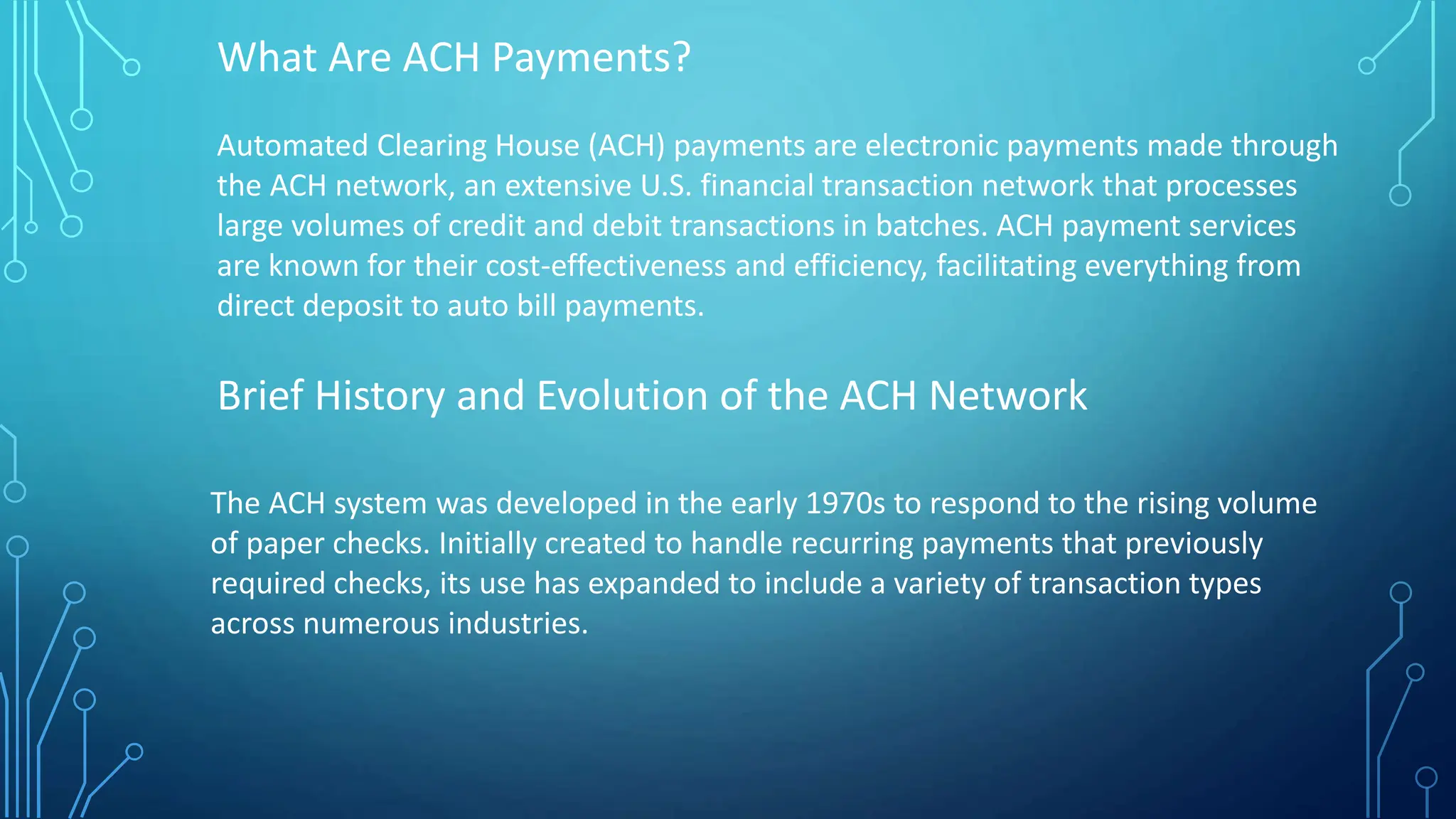
An Automated Clearing House (ACH) recurring payment is a process where funds are electronically debited from a customer's bank account on a pre-authorized, repeating schedule. This system relies on the batch processing network managed by Nacha (formerly the National Automated Clearinghouse Association), allowing businesses to collect consistent payments like subscriptions, utility bills, or membership fees without manual intervention for every transaction.
The Mechanics of the ACH Network
The ACH network acts as the connective tissue between financial institutions in the United States. Unlike wire transfers, which are often individual, real-time events, ACH payments are processed in batches. When a recurring payment is initiated, it flows through a structured hierarchy of entities before the funds finally settle into the merchant’s account.
At the core of this operation are the Originating Depository Financial Institution (ODFI) and the Receiving Depository Financial Institution (RDFI). The ODFI is the merchant's bank, responsible for sending the payment instructions into the network. The RDFI is the customer’s bank, which receives the request to debit the specific amount from the customer's account. The Nacha network acts as the clearinghouse, sorting these batches and ensuring that instructions reach the correct destinations. Because this process is asynchronous, it is highly efficient and significantly less expensive than credit card processing, making it the preferred choice for predictable, recurring billing cycles.
Prerequisites for Recurring ACH Payments
Before a merchant can initiate recurring debits, they must ensure they have established the correct legal and technical framework. The most critical component is the Authorization. Under Nacha operating rules, a merchant must obtain clear, written, or electronically signed authorization from the customer. This document must specify the amount, the timing of the debits (e.g., the 1st of every month), and the duration of the agreement.
Technically, a merchant needs to utilize an ACH payment gateway or a merchant services provider that supports "stored credentials." Since the recurring payment is essentially a series of "pull" transactions initiated by the merchant, the bank account details—specifically the Routing Number and Account Number—must be securely tokenized. Storing raw bank account numbers is a security risk and a violation of standard data protection practices. Tokenization replaces these sensitive numbers with a unique identifier that can be used to trigger future debits without exposing the underlying financial data.
Step-by-Step Lifecycle of a Recurring Debit
Understanding how an ACH recurring payment moves from initiation to settlement helps in troubleshooting delays or failures.
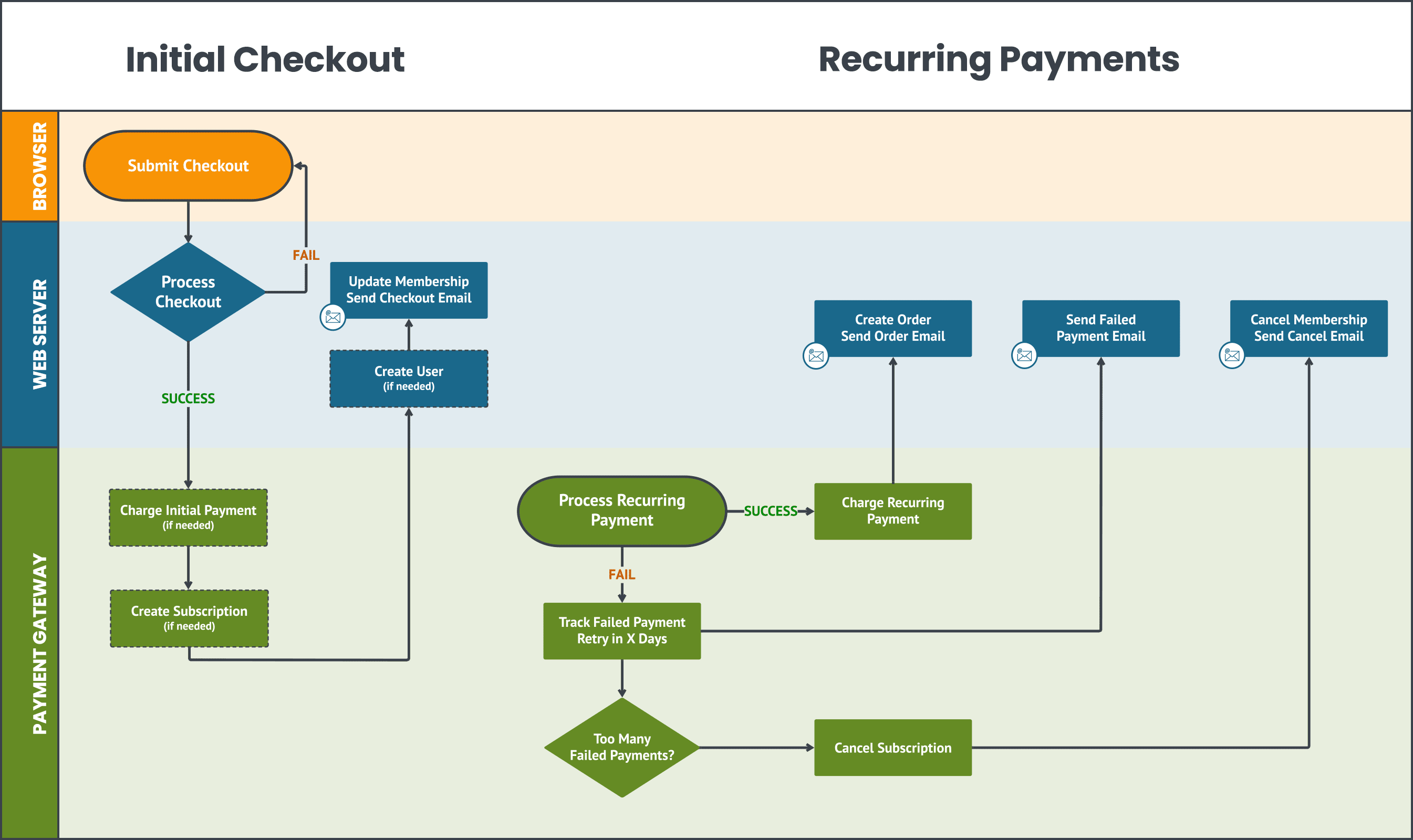
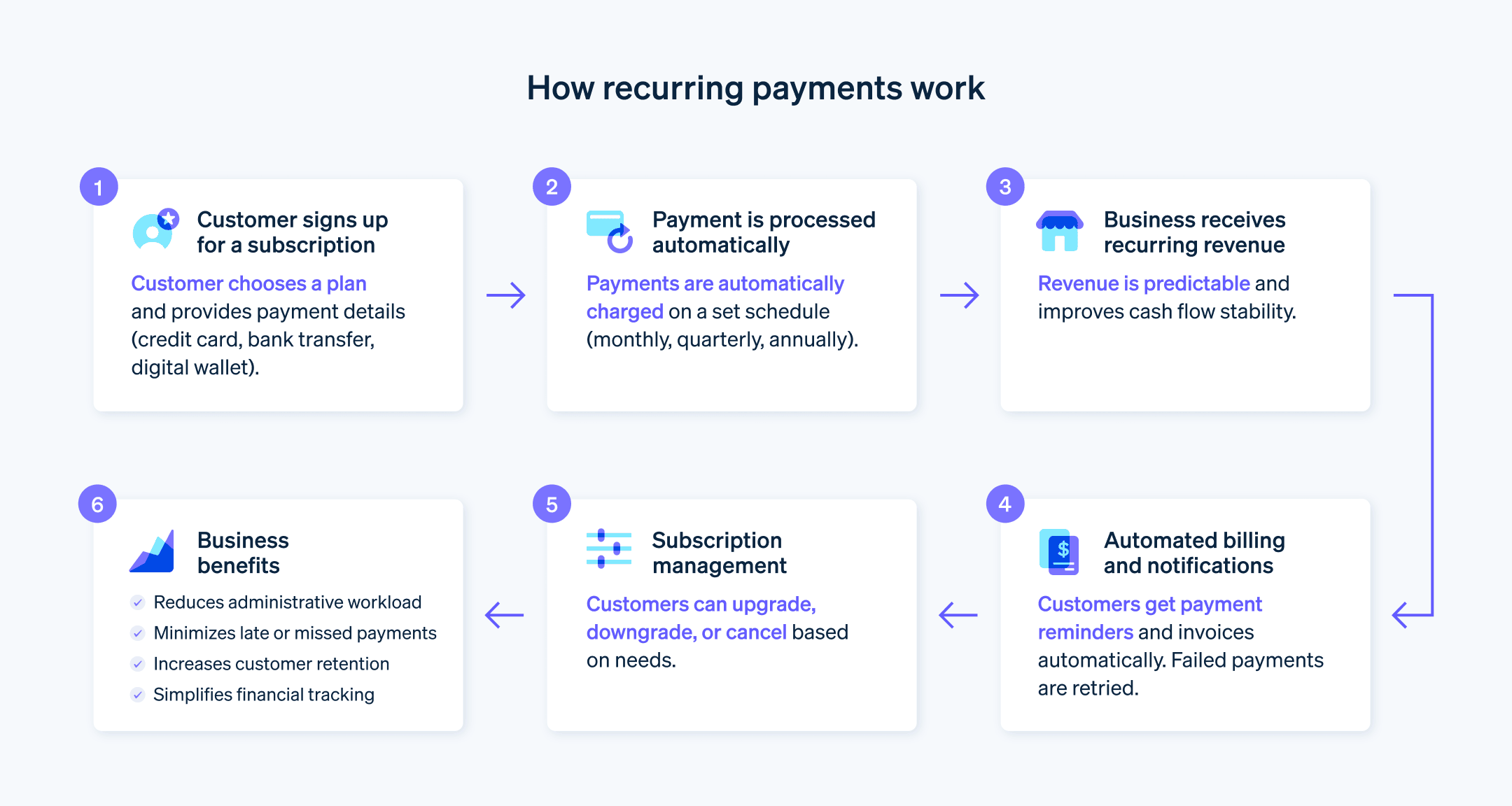
- Authorization: The customer completes an online form or a physical mandate authorizing the merchant to debit their account on a set schedule.
- Scheduling: The merchant’s billing software stores this instruction and triggers a request to their payment processor as the due date approaches.
- The Batching Process: The payment processor, acting as the ODFI, bundles the request into an ACH file along with thousands of other transactions. These files are typically transmitted to the Federal Reserve or another clearinghouse at specific times throughout the day.
- Clearing and Settlement: The clearinghouse sorts the file and forwards the debit instruction to the customer’s bank (the RDFI). The RDFI verifies that the account exists and, provided there are sufficient funds, debits the account.
- Settlement: Once cleared, the funds are moved through the Federal Reserve’s system to the ODFI, which then deposits the funds into the merchant's business account. This usually takes 1 to 3 business days.
ACH Payment Types and Comparison
Not all ACH transactions function the same way. When setting up recurring payments, businesses typically use the PPD (Prearranged Payment and Deposit) entry class, which is specifically designed for consumer accounts.
| Feature | ACH Recurring (PPD) | Credit Card Processing |
|---|---|---|
| Transaction Cost | Low (Flat fee or low %) | High (Percentage + per-tx) |
| Typical Speed | 1–3 Business Days | Near Instant |
| Failure Mode | NSF (Insufficient Funds) | Expired Cards / Declines |
| Compliance | Nacha Operating Rules | PCI-DSS Standards |
As shown in the table, ACH is generally more cost-effective for businesses with high volumes of recurring transactions, though it lacks the instant confirmation of credit card networks.
Managing Common Challenges and Failures
While the ACH system is robust, it is not infallible. Merchants must be prepared to manage transaction failures, which are reported via Return Codes.
- Insufficient Funds (NSF): This is the most common failure. The customer’s bank rejects the debit because the account balance is too low. Many merchants use "retry logic," where the software automatically attempts to debit the account again after 3–5 days.
- Account Closed/Invalid: If a customer changes banks or closes their account, the payment will return with a specific code indicating the account is no longer active. In this case, the merchant must contact the customer to obtain updated banking credentials.
- Unauthorized Returns: If a customer claims they did not authorize the recurring payment, they have the right to dispute it. This can lead to heavy fines and the potential loss of ACH processing privileges. This is why maintaining clear, timestamped proof of authorization is essential for business continuity.
Security and Compliance Requirements
Operating within the Nacha framework requires strict adherence to security protocols. Because bank account information is essentially an "open gate" to a customer's liquid cash, it must be handled with extreme care. In 2026, merchants are expected to utilize multi-factor authentication (MFA) for their own administrative access to payment portals and to implement robust encryption for all data-at-rest.
Furthermore, merchants must provide the customer with a copy of the original authorization form. If the payment amounts vary (e.g., a utility bill that changes every month), the merchant is required to provide the customer with notice of the amount and the date of the debit at least ten days before the transaction occurs. Failure to provide this notice can invalidate the debit, resulting in a successful customer dispute.
Troubleshooting and Best Practices
For businesses managing recurring payments, the most effective way to minimize errors is through rigorous data validation at the point of entry. Use services like Account Validation APIs that verify that a routing number is valid and that the account number follows the correct formatting logic before the first payment is even scheduled.
If you encounter recurring issues with a specific bank, consult the Nacha Return Reason Codes manual. These codes are standardized; for instance, an R01 code indicates insufficient funds, while an R03 indicates no account/unable to locate account. Understanding these codes prevents guessing and allows the accounts receivable team to take the correct action, such as sending a notification to the customer versus manually updating database records.
Frequently Asked Questions
How long does an ACH recurring payment take to clear? Typically, ACH transactions take 1 to 3 business days to settle. While "Same Day ACH" is available through many processors, it is often utilized for expedited one-time payments rather than standard recurring billing cycles.
Can a customer stop a recurring ACH payment? Yes. A customer can contact their bank to place a "stop payment" order on a specific authorization. Additionally, they can revoke authorization with the merchant, at which point the merchant must immediately cease all future attempts to debit the account.
What happens if a customer has insufficient funds? If an ACH debit is returned for insufficient funds (Return Code R01), most merchants choose to retry the transaction. Before retrying, verify the company's policy and state regulations, as some jurisdictions limit the number of times you may attempt to collect on a single debt.
Are ACH payments safer than credit cards? In terms of fraud protection, ACH is highly secure, but it is also more difficult to reverse once a transaction has settled. Because there is no "chargeback" process in the traditional sense, merchants must be vigilant about maintaining accurate authorization records to defend against unauthorized debit claims.
What is the difference between PPD and WEB entries? PPD (Prearranged Payment and Deposit) is the standard for recurring payments initiated by a business. WEB entries are used for online, internet-initiated transactions. For a recurring subscription, PPD is the appropriate class.
Do I need a merchant account to collect ACH payments? Yes. You cannot initiate ACH transactions directly through your standard business checking account. You must partner with a payment processor, bank, or SaaS billing platform that acts as the ODFI to handle the technical interface with the ACH network.
Final Recommendation
To implement a successful recurring ACH strategy, focus on three pillars: Clear Authorization, Secure Tokenization, and Proactive Communication. Ensure your sign-up process includes a clear acknowledgment of the recurring nature of the charge, and use a trusted payment processor that provides automated notifications for failed transactions. By verifying bank details at the point of capture and maintaining a digital audit trail of customer agreements, you can minimize churn and operational costs while scaling your recurring revenue effectively.

Image Gallery
Select an image to open it in a new tab.




Simon Caldwell
Enterprise Technology and Systems Editor
