The 1990 Measles Outbreak Explained: Causes, Impact, and the Shift in Public Health Policy

The 1990 measles outbreak, occurring within a broader resurgence from 1989 to 1991, saw over 55,000 reported cases and 123 deaths in the United States. It was caused by low vaccination coverage among preschool-aged children and the limitations of the then-standard single-dose vaccine strategy, leading to the implementation of the two-dose MMR schedule and the Vaccines for Children (VFC) program.
Historical Context: The Resurgence of a Preventable Disease
To understand the 1990 measles outbreak, one must first look at the state of public health in the decade prior. Following the introduction of the measles vaccine in 1963 and the subsequent shift to the combined Measles-Mumps-Rubella (MMR) vaccine, the United States saw a precipitous drop in cases. By the early 1980s, public health officials were optimistic that measles could be eliminated from the country entirely. Throughout most of the 1980s, the number of annual cases remained relatively low, often hovering between 2,000 and 4,000.
However, the period between 1989 and 1991 shattered this optimism. During these three years, a massive resurgence occurred, peaking in 1990. This was not a localized event but a national crisis that strained pediatric hospital wings and forced a complete re-evaluation of how the U.S. managed preventative medicine. The year 1990 alone accounted for approximately 27,786 cases, representing a nearly tenfold increase from the mid-80s averages.
The significance of the 1990 outbreak lies in its role as a "stress test" for the American healthcare infrastructure. It revealed deep-seated inequities in healthcare access and highlighted technical flaws in the vaccination schedule that had been overlooked during years of low disease prevalence. As we look back from 2026, the 1990 outbreak remains the definitive case study for why high-density population centers require aggressive, proactive vaccination strategies rather than reactive ones.
Why Did the Outbreak Happen? Identifying the Failure Points
The 1990 measles outbreak was not the result of a single failure but rather a "perfect storm" of immunological, socioeconomic, and systemic factors. Public health retrospective analyses have identified two primary drivers that allowed the virus to spread so rapidly through the population.
The Limitations of the One-Dose Vaccine Strategy
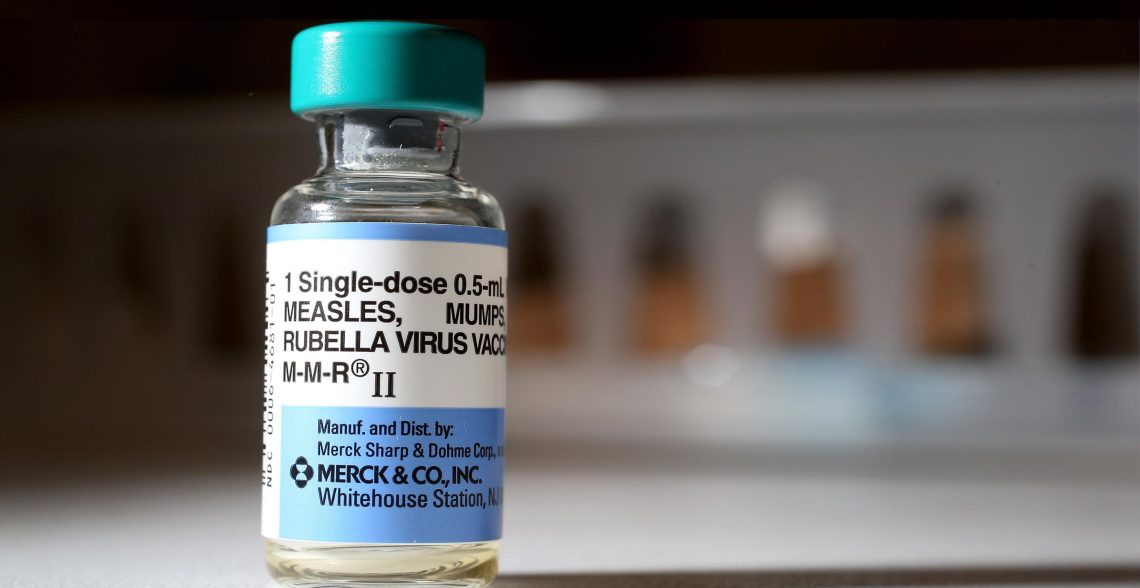
In 1990, the standard medical recommendation was a single dose of the MMR vaccine, typically administered at 15 months of age. At the time, it was believed that one dose provided lifelong immunity for the vast majority of recipients. However, the 1989–1991 resurgence provided clear evidence of "primary vaccine failure."
Approximately 2% to 5% of individuals do not develop an adequate immune response after a single dose of the measles vaccine. While this percentage seems small, in a population of millions, it creates a significant pool of susceptible individuals. Furthermore, the outbreak saw a high number of cases among school-aged children who had been vaccinated once but either failed to seroconvert or saw their immunity wane over time. This realization led to the eventually universal adoption of the two-dose schedule, which increases the protection rate to roughly 97% to 99%.
Socioeconomic Barriers and Low Coverage in Urban Centers
Perhaps the most distressing aspect of the 1990 outbreak was that it disproportionately affected preschool-aged children in inner-city environments. Unlike modern outbreaks that are often linked to intentional vaccine refusal (philosophical or religious exemptions), the 1990 crisis was driven largely by a lack of access.
In cities like Los Angeles, Chicago, Houston, and New York, vaccination rates among toddlers in low-income neighborhoods were estimated to be as low as 50% in some districts. Families faced significant hurdles, including:
- Cost of Care: Before the mid-90s reforms, many private insurance plans did not cover routine immunizations, and the cost of the vaccine was a burden for uninsured families.
- Healthcare Fragmentation: Many children did not have a "medical home" or a consistent pediatrician, leading to missed opportunities for vaccination during emergency room visits or unrelated sick visits.
- Administrative Hurdles: Long wait times at public health clinics and complex requirements for documentation often discouraged parents from completing the series.
Statistical Breakdown of the 1989–1991 Epidemic
The scale of the 1990 outbreak is best understood through the hard data provided by the Centers for Disease Control and Prevention (CDC). During the three-year peak, the impact on the healthcare system was immense.
| Metric | 1989–1991 Total | 1990 Peak Year (Approx.) | Notes |
|---|---|---|---|
| Total Reported Cases | 55,467 | 27,786 | Highest since the early 1970s. |
| Hospitalizations | 11,000+ | 6,000+ | Nearly 20% of cases required hospital care. |
| Total Deaths | 123 | 64 | Most deaths occurred in children under 5. |
| Most Affected Group | Preschoolers | Unvaccinated Toddlers | Primary focus of subsequent policy. |
| Case-Fatality Rate | 2.2 per 1,000 | 2.3 per 1,000 | Higher than seen in previous decades. |
The case-fatality rate during this period was particularly alarming to officials. Before the outbreak, the mortality rate for measles in developed nations was thought to be lower. However, the 1990 data showed that when the virus hit vulnerable, under-vaccinated populations with limited access to supportive care, the lethality increased. More than 90% of those who died from measles during this period had not received a single dose of the vaccine.
Clinical Impact and Public Health Consequences
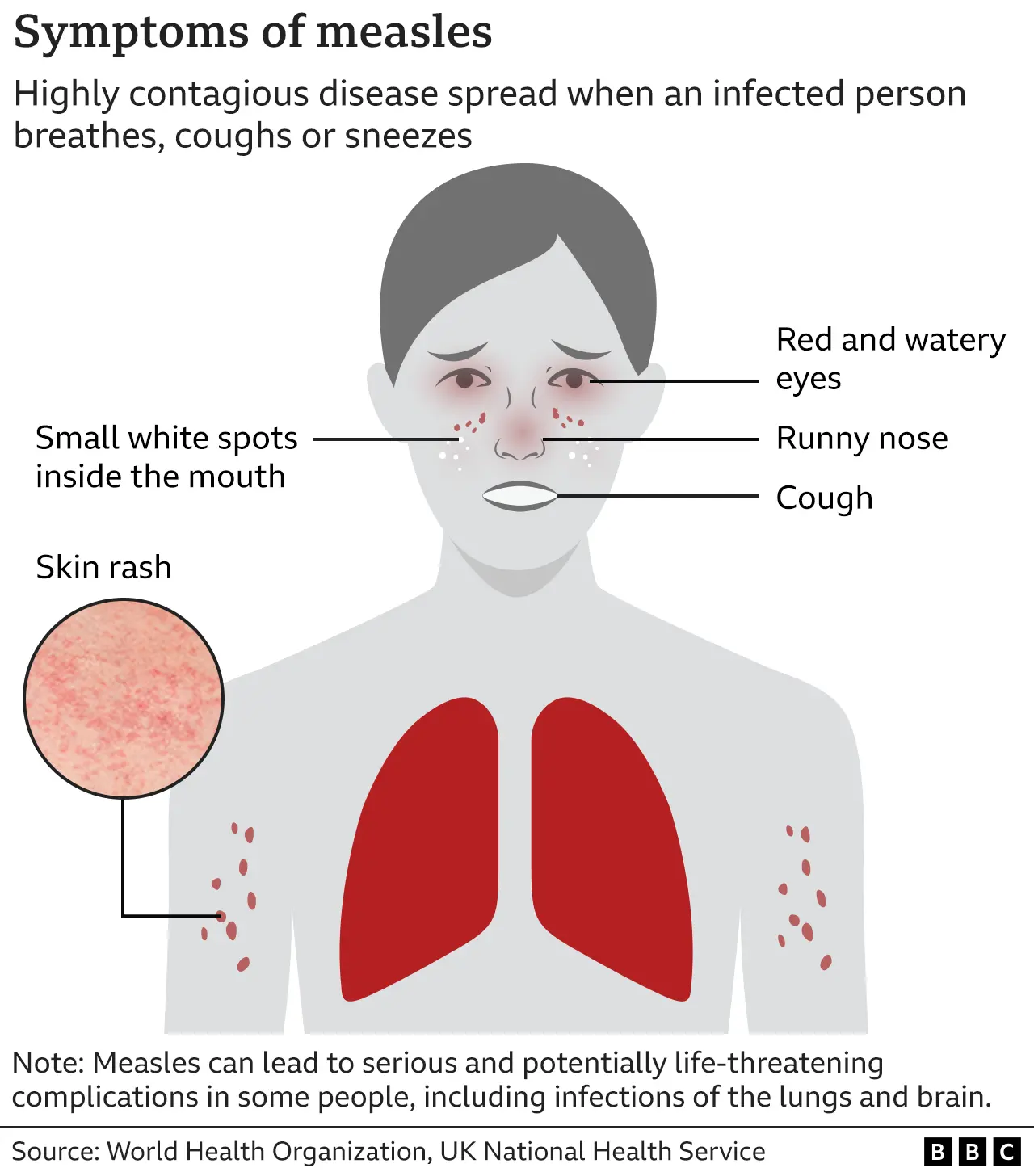
Measles is often colloquially dismissed as a "childhood rash," but the 1990 outbreak highlighted the severe clinical complications associated with the morbillivirus. For many of the 11,000 people hospitalized, the virus led to secondary infections that were far more dangerous than the initial fever and maculopapular rash.
Common Complications Observed
- Pneumonia: This was the most common cause of death in measles-related fatalities during the outbreak. The virus severely weakens the immune system, making the lungs susceptible to secondary bacterial or viral pneumonia.
- Encephalitis: Approximately 1 in every 1,000 cases during the outbreak resulted in acute encephalitis (swelling of the brain), which can lead to permanent neurological damage or deafness.
- Diarrhea and Dehydration: Especially in malnourished or vitamin A-deficient populations in urban centers, severe diarrhea led to dangerous levels of dehydration in infants.
The strain on hospitals was significant. In Los Angeles County, which was the epicenter of the 1990 surge, pediatric wards were overwhelmed. This forced a shift in emergency room protocols and led to the first major push for "standing orders," where nurses could administer vaccines without a specific physician's order for every patient, thereby utilizing every clinical encounter as a chance to immunize.
The Institutional Response: Creation of the Vaccines for Children (VFC) Program
The 1990 measles outbreak served as the primary catalyst for one of the most successful public health programs in U.S. history: the Vaccines for Children (VFC) program.
Following the outbreak, an investigation by the National Vaccine Advisory Committee (NVAC) found that the high cost of vaccines was a major deterrent for both parents and providers. At the time, if a child was on Medicaid or lacked insurance, the cost of the vaccine often fell on the provider, who then had to refer the child to a distant public clinic. This "referral out" resulted in many children never receiving the shot.
In 1993, Congress passed the Omnibus Budget Reconciliation Act, which created the VFC program. Launched in 1994, the program ensures that children can receive recommended vaccines at no cost if they are:
- Medicaid-eligible.
- Uninsured.
- American Indian or Alaska Native.
- Underinsured (if they receive vaccines at a Federally Qualified Health Center).
By removing the financial barrier, the VFC program fundamentally changed the landscape of American pediatrics. It essentially "cured" the primary cause of the 1990 outbreak by making the MMR vaccine a standard, accessible part of childhood regardless of a family's socioeconomic status.
Lessons Learned and Modern Implications in 2026
As of 2026, the 1990 measles outbreak remains a cautionary tale about the fragility of herd immunity. Although measles was declared eliminated in the United States in 2000—meaning the disease is no longer constantly present—it continues to be imported by international travelers. When it enters communities with low vaccination rates, the same patterns observed in 1990 begin to emerge.
The primary lesson from 1990 is that coverage must be uniform. It is not enough for a country to have a 90% national vaccination rate if specific neighborhoods or social groups have only 50% coverage. These "pockets of susceptibility" act as fuel for the virus. In 2026, public health officials use sophisticated mapping and data analytics to identify these pockets before an outbreak can take hold, a direct evolution of the manual tracking methods used during the 1990 crisis.
Furthermore, the 1990 outbreak solidified the importance of the two-dose requirement. Today, the first dose is typically given at 12–15 months and the second at 4–6 years. This strategy has proven highly effective at preventing the type of large-scale resurgence seen three decades ago.
FAQ: Understanding the 1990 Resurgence
Why was the 1990 outbreak so much worse than previous years?
The 1990 outbreak was worse because of a significant drop in immunization rates among toddlers and a failure of the single-dose vaccine strategy to provide "herd immunity" in crowded urban environments. During the mid-to-late 1980s, federal funding for immunization programs had stagnated, and the rising cost of vaccines made them less accessible to low-income families.
Who was most at risk during the 1990 outbreak?
Unvaccinated children under the age of five, particularly those living in impoverished urban areas, were at the highest risk. Racial and ethnic minority groups were disproportionately affected due to systemic barriers to healthcare access. Additionally, young adults who had only received one dose of the vaccine in the 1970s were also susceptible.
Did the 1990 measles outbreak lead to any laws?
Yes. The outbreak led directly to the creation of the Vaccines for Children (VFC) program via the Omnibus Budget Reconciliation Act of 1993. It also prompted states to strictly enforce immunization requirements for entry into daycare and school, ensuring that the two-dose MMR schedule became the standard for participation in public life.
How does the 1990 outbreak compare to recent measles cases?
While the 1990 outbreak resulted in over 55,000 cases, modern outbreaks (such as those in 2014 or 2019) typically involve hundreds or low thousands of cases. The modern outbreaks are usually driven by intentional vaccine refusal in specific communities, whereas the 1990 outbreak was primarily driven by a lack of access and healthcare infrastructure failures.
Can someone who had the vaccine in 1990 still get measles?
If a person received only one dose during that era, they may have a small risk of being part of the 3-5% of people who did not develop full immunity. However, most people who completed the two-dose series (which became standard shortly after the outbreak) are considered protected for life. If you are unsure of your status, a blood test (titer) can confirm your immunity.
Recommended Actions for Continued Protection
To prevent a repeat of the 1990 crisis, individuals and policymakers must remain vigilant. If you are a parent or a healthcare provider in 2026, ensure that the two-dose MMR series is completed according to the CDC's Advisory Committee on Immunization Practices (ACIP) schedule. For those traveling internationally, verify that your immunization records are up to date, as measles remains endemic in many parts of the world.
If you suspect you were under-vaccinated during the transition period of the early 1990s, consult with a healthcare professional about a booster dose. Maintaining a high level of community immunity is the only way to ensure that the events of 1990 remain a historical footnote rather than a recurring reality.
Image Gallery
Select an image to open it in a new tab.



Mateo Castillo
Decentralized Finance and E-Payments Strategist
