The Final Love Letter of Richard Burton to Elizabeth Taylor: A Legacy of Passion
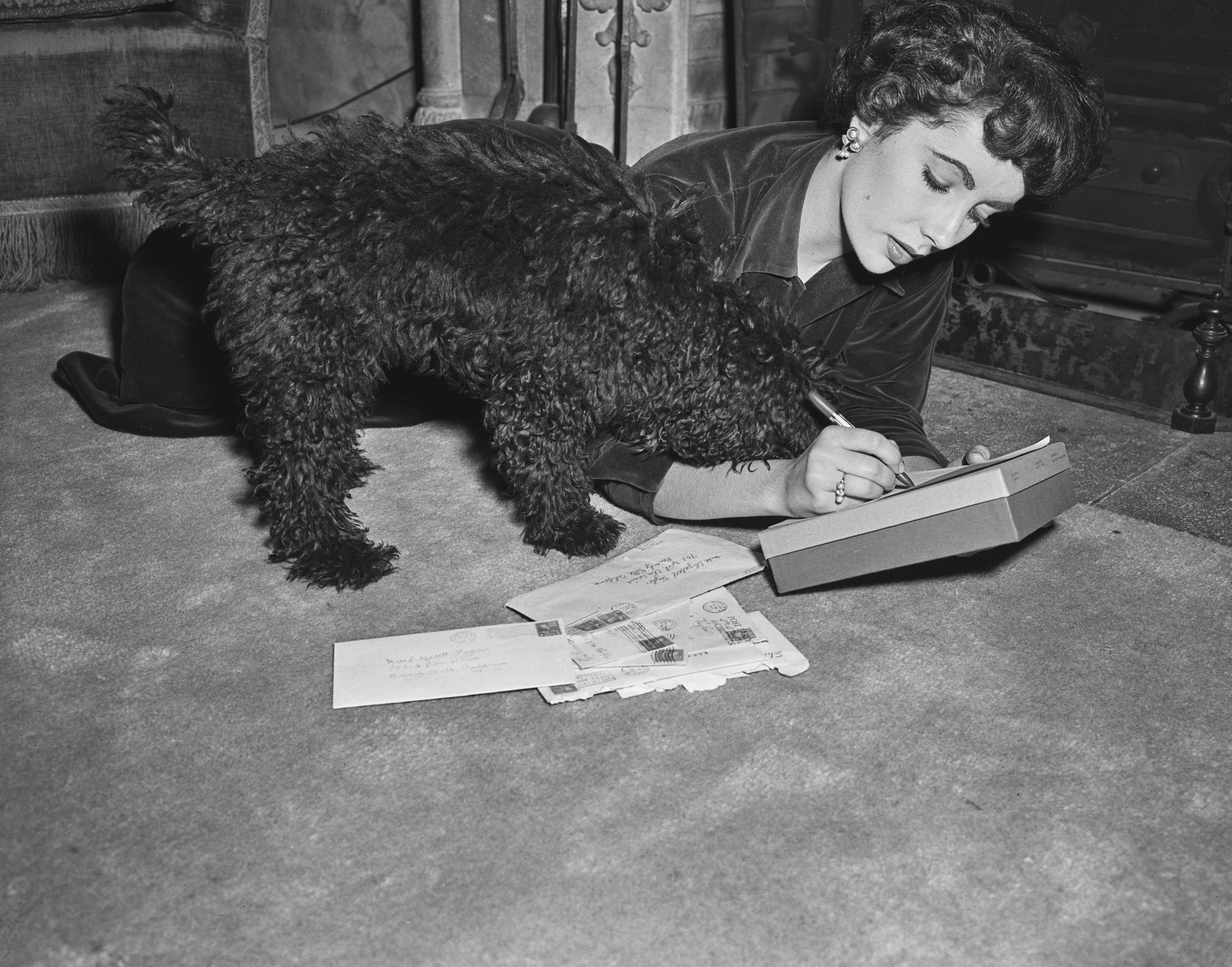
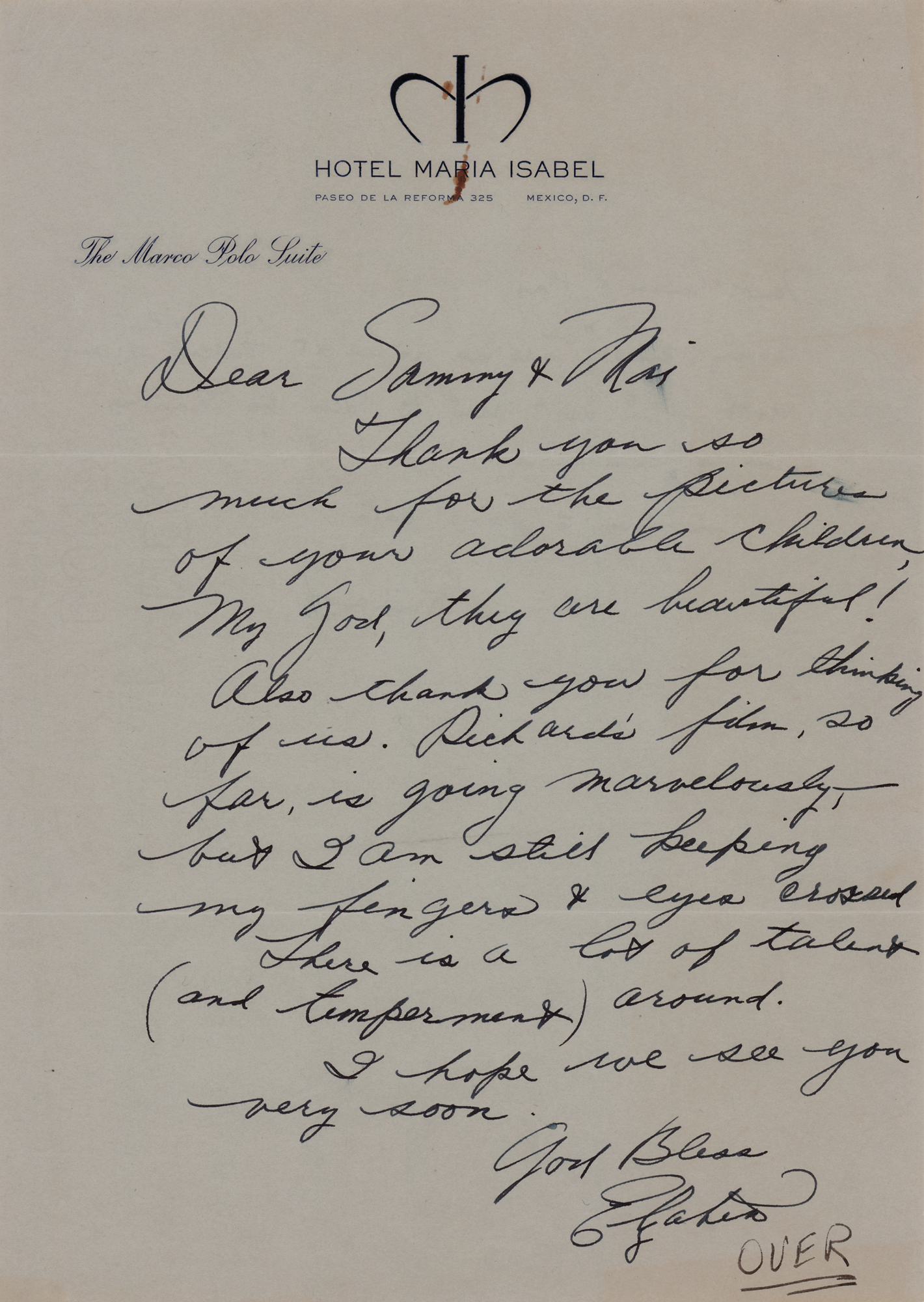
The final letter from Richard Burton to Elizabeth Taylor, written just days before his death in August 1984, remains one of the most poignant artifacts in Hollywood history. In it, Burton reportedly expressed a desire to "come home" to Taylor, reaffirming that she was the primary love of his life despite their two divorces and subsequent marriages to others. Elizabeth Taylor kept this letter by her bedside until her death in 2011, viewing it as the definitive closure to their tumultuous twenty-year saga.
The Context of a Literary Romance
To understand the weight of Richard Burton’s letters, one must first understand the man behind the pen. Burton was not merely a movie star; he was a classically trained Shakespearean actor with a profound, almost obsessive, command of the English language. He viewed the world through a literary lens, and his correspondence with Elizabeth Taylor reflects a level of prose rarely seen in private celebrity exchanges.
Their relationship, which began on the set of Cleopatra in 1961, was defined by "Le Scandale"—an extramarital affair that captivated the world and even drew condemnation from the Vatican. For the next two decades, they would marry and divorce twice, a cycle of passion and volatility fueled by fame, alcoholism, and an unbreakable emotional bond. Throughout these years, letters served as Burton’s primary tool for reconciliation, confession, and the expression of an intensity that speech often failed to capture.
As of 2026, the fascination with these documents persists because they represent the last era of the "grand romance" before the digital age. These were hand-written, ink-on-paper testimonies of a love that was as destructive as it was creative.
The Revelation of the Letters: Furious Love
For decades, the specific contents of Burton’s letters were the stuff of legend, guarded fiercely by Taylor. It wasn't until the 2010 publication of Furious Love: Elizabeth Taylor, Richard Burton, and the Marriage of the Century by Sam Kashner and Nancy Schoenberger that the public gained significant access to this archive.
Taylor, nearing the end of her life, granted the authors access to her private collection of Burton’s correspondence. She felt that the world should know how much he truly loved her, and perhaps more importantly, how brilliant a writer he was. The letters revealed a man who was deeply self-aware, often torturing himself over his failings as a husband while simultaneously celebrating Taylor as his "eternal" muse.
The Themes of the Correspondence
Analysis of the letters reveals several recurring themes that defined their relationship:
- The Inevitability of Their Bond: Burton frequently wrote about the "magnetic" pull they had on one another, suggesting that no matter where they were or who they were with, they were fundamentally part of the same entity.
- Intellectual Equality: While the media focused on Taylor’s beauty, Burton’s letters focused on her mind. He praised her wit, her resilience, and her ability to handle his "black moods" and "Welsh gloom."
- Self-Deprecation and Regret: Many of the letters served as apologies. Burton’s struggle with alcoholism is a frequent backdrop, with the actor using the written word to seek a forgiveness he felt he didn't deserve.
- Literary Allusion: Burton often compared their love to great literary tragedies, referencing Shakespeare and Dylan Thomas, elevating their Hollywood romance to the level of high art.

The Enigma of the "Final" Letter
The most famous of all the letters is the one Burton wrote in Céligny, Switzerland, on August 2, 1984. He died of a brain hemorrhage just three days later, on August 5, at the age of 58.
Elizabeth Taylor received this letter when she returned to her home in Bel Air after attending Burton’s memorial service in London. While she allowed biographers to see many other letters, she kept the full text of this final missive largely private, though she did share its general sentiment.
What the Final Letter Contained
According to those Taylor confided in, the letter was not a goodbye, but a plea for a new beginning. At the time, Burton was married to Sally Hay, and Taylor was single, having recently divorced John Warner. Despite their separate lives, Burton wrote that he was happiest when he was with her and expressed a desire to "come home."
The letter was a shock to Taylor—not because she didn't know he loved her, but because of the timing. It arrived at the exact moment she was grieving him, serving as a voice from beyond the grave that confirmed her status as his "only" wife in spirit. In 2026, historians and biographers continue to cite this letter as the ultimate proof that the "Burton-Taylor" entity never truly ended, even when they were legally apart.
Comparison of Key Correspondence Periods
The nature of Burton's writing shifted significantly over the twenty years of their relationship. The following table outlines the evolution of his letters to Taylor:
| Period | Relationship Status | Dominant Tone | Primary Focus |
|---|---|---|---|
| 1962–1964 | The Affair (Cleopatra) | Urgent, Erotic, Defiant | The struggle against social norms and the intensity of new passion. |
| 1964–1970 | First Marriage (The Golden Years) | Devoted, Playful, Poetic | Celebrating their domestic life and shared professional success. |
| 1971–1974 | The Breakdown | Desperate, Apologetic, Dark | Attempts to save the marriage amidst Burton's escalating alcoholism. |
| 1975–1976 | Second Marriage (Remarriage) | Hopeful but Fragile | Acknowledging their flaws while trying to recapture the "old magic." |
| 1980–1984 | The Final Years (Post-Divorce) | Reflective, Melancholic, Eternal | Reasserting that Taylor remained his soulmate despite their separate lives. |
The Physical Legacy and the Christie's Auction
In 2011, following Elizabeth Taylor’s death, her legendary collection of jewelry, fashion, and memorabilia was auctioned by Christie's. While the "La Peregrina" pearl and the "Taylor-Burton Diamond" garnered the most headlines, the personal papers and letters remained a subject of intense speculation.
Taylor had requested that many of the most personal letters remain with her family or be kept out of the public eye for a specified duration. However, the letters that have been documented provide a roadmap to her emotional life. Unlike the jewelry, which represented the external glamour of their relationship, the letters represented the internal reality.
In 2026, the preservation of these letters is managed through the Elizabeth Taylor Trust. They are treated not just as celebrity memorabilia, but as significant cultural documents that record the private lives of two of the 20th century's most influential figures.
Why the Letters Still Resonate in 2026
The enduring power of Richard Burton’s letters to Elizabeth Taylor lies in their authenticity. In an age where communication is often brief and ephemeral, Burton’s letters offer a deep, sustained exploration of love and human frailty.
1. The Mastery of Language
Burton’s letters are studied by fans of literature as much as fans of film. His use of alliteration, rhythm, and metaphor is exceptional. He once wrote to her: "You are as exotic as a Halley’s Comet... I am a dull, dark, and dismal man, but you are a creature of the sun." Such writing elevates the celebrity letter to the level of poetry.
2. The Vulnerability of a "Tough" Man
Burton was known for his rugged masculinity and his "man's man" persona. Seeing such a figure be so emotionally naked on the page—admitting to fear, loneliness, and a desperate need for his wife's approval—provides a complex look at 20th-century masculinity.
3. The Definition of "Soulmates"
The letters provide a case study in what it means to be "soulmates" in a way that is both romantic and tragic. They illustrate that love is not always enough to keep two people together, but that the connection can survive even when the relationship fails.
Common Myths and Clarifications
There are several misconceptions regarding the letters that have persisted over the decades. It is important to distinguish between the documented history and the romanticized legend.
- Myth: Richard Burton wrote a letter every single day.
- Fact: While he was a prolific writer, especially when they were apart for filming, the "daily letter" claim is an exaggeration. He wrote when he was moved by emotion or when he needed to bridge a distance.
- Myth: All the letters were sold at auction.
- Fact: Elizabeth Taylor kept the most personal letters, including the final one from 1984. They were not part of the general Christie's jewelry auction.
- Myth: The letters were written for public consumption.
- Fact: These were strictly private. Burton’s diaries (which were also published later) show that he used writing as a way to process his own thoughts, never intending for his raw, often drunken, or overly emotional letters to be read by the world.
Frequently Asked Questions
Did Elizabeth Taylor ever write back?
Yes, Taylor was a consistent correspondent, though her letters are generally described as less "literary" than Burton’s. Her writing was more direct, focusing on her feelings and her fierce loyalty to him. Most of her letters to Burton are held in the Burton archives at Swansea University in Wales, as Burton had left many of them in his home there.
Where is the final letter located now?
The final letter from August 1984 is held by the Elizabeth Taylor estate. It has never been fully transcribed for the public, as it was considered Taylor’s most "sacred" possession. It is believed to be stored in a private archive alongside other highly sensitive personal documents.
How many letters did Richard Burton write to Elizabeth Taylor?
While the exact number is unknown, it is estimated to be in the hundreds. The book Furious Love features approximately 40 of these letters in significant detail, which Taylor felt were the most representative of their journey.
Can I see the letters in a museum?
Occasionally, specific letters are loaned to exhibitions focusing on Hollywood history or the life of Elizabeth Taylor. The Harry Ransom Center in Austin, Texas, and Swansea University are two major institutions that hold significant papers related to the couple, though many of the most personal letters remain with the family.
What did Richard Burton call Elizabeth Taylor in the letters?
He had many nicknames for her, ranging from the affectionate ("Dearest Scubby-Do") to the worshipful ("My Eternal Muse"). He often addressed her as "E." or simply "My Love," but his prose often expanded into long, elaborate descriptions of her beauty and spirit.
Final Recommendation for Historians and Fans
For those seeking to truly understand the depth of Richard Burton’s letters to Elizabeth Taylor, the primary recommendation is to read the authorized biography Furious Love. This remains the most reliable source for the letters’ content, as it was produced with Elizabeth Taylor’s direct cooperation.
Furthermore, exploring the Richard Burton Archives at Swansea University provides a broader context for his writing style and his intellectual life. For the casual fan, the letters serve as a reminder that behind the "larger than life" personas of movie stars are human beings who struggle, love, and seek connection just as anyone else does—albeit with a significantly better vocabulary.
Image Gallery
Select an image to open it in a new tab.



Zara El-Hashem
Sociocultural Dynamics and Academics Writer
