Navigating the World of Railway Management Games: A Comprehensive Guide to Logistics, Construction, and Simulation
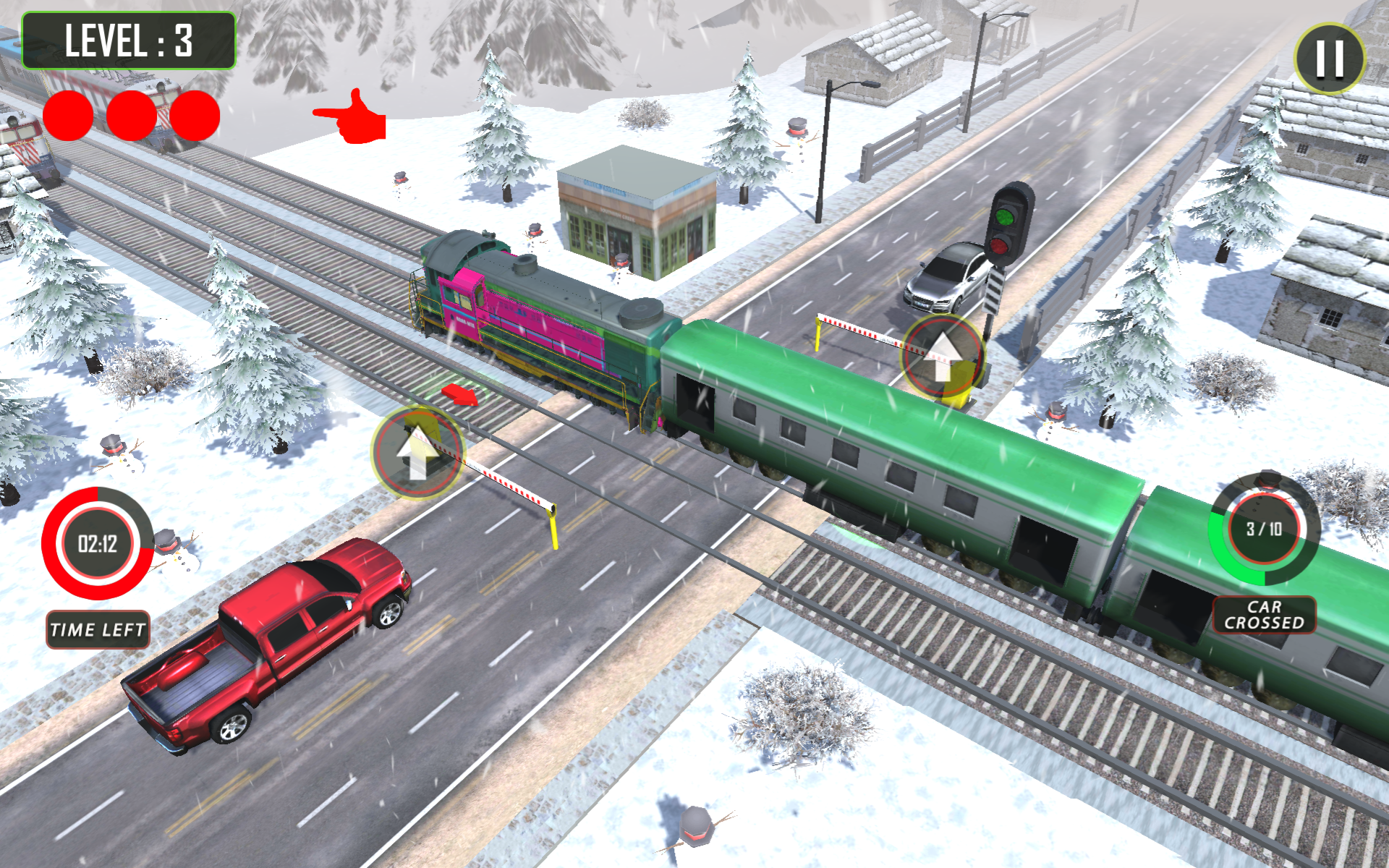
Railway management games combine intricate logistics, urban planning, and economic simulation, challenging players to design, build, and optimize rail networks that keep passengers and freight moving efficiently. These titles range from relaxing sandbox experiences focused on scenic route-building to hardcore corporate simulations requiring ruthless financial optimization and complex signaling management.
Understanding the Railway Management Genre
Railway management games are a specialized sub-genre of simulation and strategy titles where players assume the role of a rail tycoon, network planner, or operations director. Unlike traditional train simulators that place the player in the cab of a single locomotive, these games zoom out to a macro perspective. The primary objective is to build infrastructure—tracks, signals, stations, and depots—while managing rolling stock, timetables, and budgets to turn a profit or meet specific logistical goals.
The appeal of the genre lies in its unique blend of spatial puzzle-solving and economic management. Players must balance aesthetic track design with strict geometric and physical constraints, such as turning radii, incline limits, and acceleration curves. As networks grow, the challenge shifts from simple point-to-point connections to managing high-density traffic corridors, preventing gridlocks, and upgrading technology eras from steam engines to high-speed electric trains.
Key Pillars of Gameplay
- Infrastructure Engineering: Laying tracks, building bridges, tunneling through mountains, and placing complex junction layouts.
- Logistics and Scheduling: Managing cargo types, passenger demands, platform assignments, and timetable coordination.
- Economic Strategy: Controlling ticket prices, taking out loans, purchasing rolling stock, and maintaining infrastructure to maximize return on investment.
- Signaling and Automation: Implementing signal blocks, interlocking systems, and automated routing to maintain high throughput safely.
Core Sub-Genres and Variations
Not all railway games play the same. Developers approach the subject through different lenses, catering to players who want everything from casual puzzle mechanics to hyper-realistic operations. Understanding these sub-genres helps players identify which titles match their preferred playstyle.
Tycoon and Economic Simulations
These games emphasize the business side of railroading. Inspired by classics like Railroad Tycoon, modern entries in this space require players to compete against rival companies, manipulate stock markets, fulfill industrial supply chains, and build vast empires across entire continents. Financial survival depends on efficiently moving high-value cargo and connecting growing cities before competitors do.
Sandbox and Route-Building Builders
For players who prefer creative freedom without the pressure of bankruptcy or aggressive AI competitors, sandbox builders provide a relaxing environment. Titles like Mini Metro or certain modes of Transport Fever allow players to focus purely on aesthetic network design, passenger flow optimization, and geographic puzzle-solving.
Hardcore Operations and Signaling Puzzles
At the most technical end of the spectrum are pure operations and signaling games. Titles such as SimSig or Factorio-inspired rail networks focus almost entirely on track capacity, interlocking logic, block signaling, and resolving complex traffic bottlenecks. These games appeal to real-world rail enthusiasts and players who enjoy rigorous logic problems.

Comparing Popular Railway Management Titles
Choosing the right game depends on your tolerance for micromanagement, financial pressure, and visual fidelity. The table below compares several prominent titles in the genre across key operational aspects.
| Game Title | Primary Focus | Economic Depth | Signaling Complexity | Visual Style |
|---|---|---|---|---|
| Transport Fever 2 | Comprehensive transport network building | Moderate to High | Moderate (Path/Block signals) | 3D, highly detailed |
| Railway Empire 2 | Historical campaign and corporate tycoon | High | Low to Moderate | 3D, polished historical eras |
| Mini Metro | Abstract minimalist passenger routing | None (Score-based) | None | 2D vector graphic minimalism |
| SimSig | Realistic UK signaling operations | None | Very High (Authentic rulebooks) | 2D schematic diagrams |
| Mashinky | Era-progression logistics and tile building | High | Moderate | 3D, tabletop model railroad aesthetic |
Essential Mechanics for Success
Mastering railway management games requires understanding systems that govern train movement, passenger demand, and network throughput. Whether playing a casual puzzle title or a deep economic simulation, applying sound operational principles prevents common pitfalls.
Signaling and Network Capacity
The single most important technical skill in railway management is understanding block signaling. Without signals, trains will occupy the same track segments, leading to head-on collisions or catastrophic gridlocks.
- Block Sections: Divide tracks into distinct zones. Only one train is permitted in a block at any given time.
- One-Way vs. Two-Way Signals: Proper orientation prevents trains from entering single-track corridors from opposite directions simultaneously.
- Path Signals: Advanced games feature path-based signaling, where a train reserves its entire route through a complex junction before entering, dramatically improving throughput compared to traditional block systems.
Supply Chain and Cargo Routing
In economic simulators, trains do not run on passenger volume alone. Industrial chains require careful planning. Raw materials such as coal and iron ore must be transported to steel mills, which in turn supply manufacturing plants that feed goods to metropolitan areas.
- Demand Saturation: Supplying more cargo than an industry or city demands wastes operational capacity and burns capital on maintenance.
- Vehicle Specialization: Matching the right locomotive and wagon type to the cargo—such as open wagons for bulk goods and refrigerated cars for food—ensures maximum revenue generation.
Common Mistakes and Troubleshooting
New players often encounter specific operational bottlenecks that stall network growth and drain finances. Recognizing these issues helps streamline gameplay.
- Over-Reliance on Single-Track Lines: While cheap initially, single tracks with passing loops quickly become bottlenecks as traffic increases. Upgrading to dedicated double-track corridors for opposing traffic is essential for scaling.
- Junction Gridlock: Building overly complex, un-signaled multi-track junctions inevitably leads to deadlocks where trains block each other's paths. Simplifying junctions or implementing strict one-way loops resolves most flow issues.
- Ignoring Maintenance Costs: High-speed and aging rolling stock require substantial maintenance capital. Neglecting fleet upgrades can turn profitable routes into financial liabilities.
Frequently Asked Questions
What is the difference between a train simulator and a railway management game?
Train simulators focus on driving a single locomotive from an in-cab perspective, adhering to real-world throttle, braking, and signaling rules. Railway management games operate from a bird's-eye view, tasking the player with building the infrastructure, scheduling the trains, and managing the economic viability of an entire network.
Do I need real-world knowledge of railroads to play these games?
No. Most games feature tutorial campaigns that gradually introduce concepts like track laying, platform allocation, and signaling. However, an interest in logistics, geography, or civil engineering enhances the experience and helps players design more efficient layouts.
Are railway management games suitable for casual players?
Yes, the genre offers varying levels of complexity. Titles like Mini Metro or casual modes in transport builders provide relaxing, low-stress puzzle gameplay, while titles like SimSig or hardcore economic tycoons cater to players seeking deep intellectual challenges.
How do I prevent my train network from getting congested?
Congestion is typically caused by insufficient signaling, shared single-track lines, or poorly designed junctions. Implementing separate lines for freight and passenger traffic, upgrading to multi-track corridors, and utilizing advanced path signals will significantly improve network flow.
Can I play these games on consoles or mobile devices, or are they PC-only?
While the deep simulation titles like Transport Fever 2 and SimSig are primarily designed for PC due to complex UI and keyboard/mouse requirements, many streamlined titles, including Railway Empire and Mini Metro, are widely available on modern consoles and mobile platforms.
Next Steps for Aspiring Rail Tycoons
To begin your journey into railway management, choose a title that aligns with your preferred complexity level. If you enjoy historical campaigns and corporate competition, start with Railway Empire 2. For deep, expansive network building with modding support, Transport Fever 2 remains an industry standard. Begin with small regional lines, master basic signaling, and gradually expand your empire into a continent-spanning logistics powerhouse.
Image Gallery
Select an image to open it in a new tab.
Lars Thomsen
Global Labor Markets and Economic Strategy Editor
