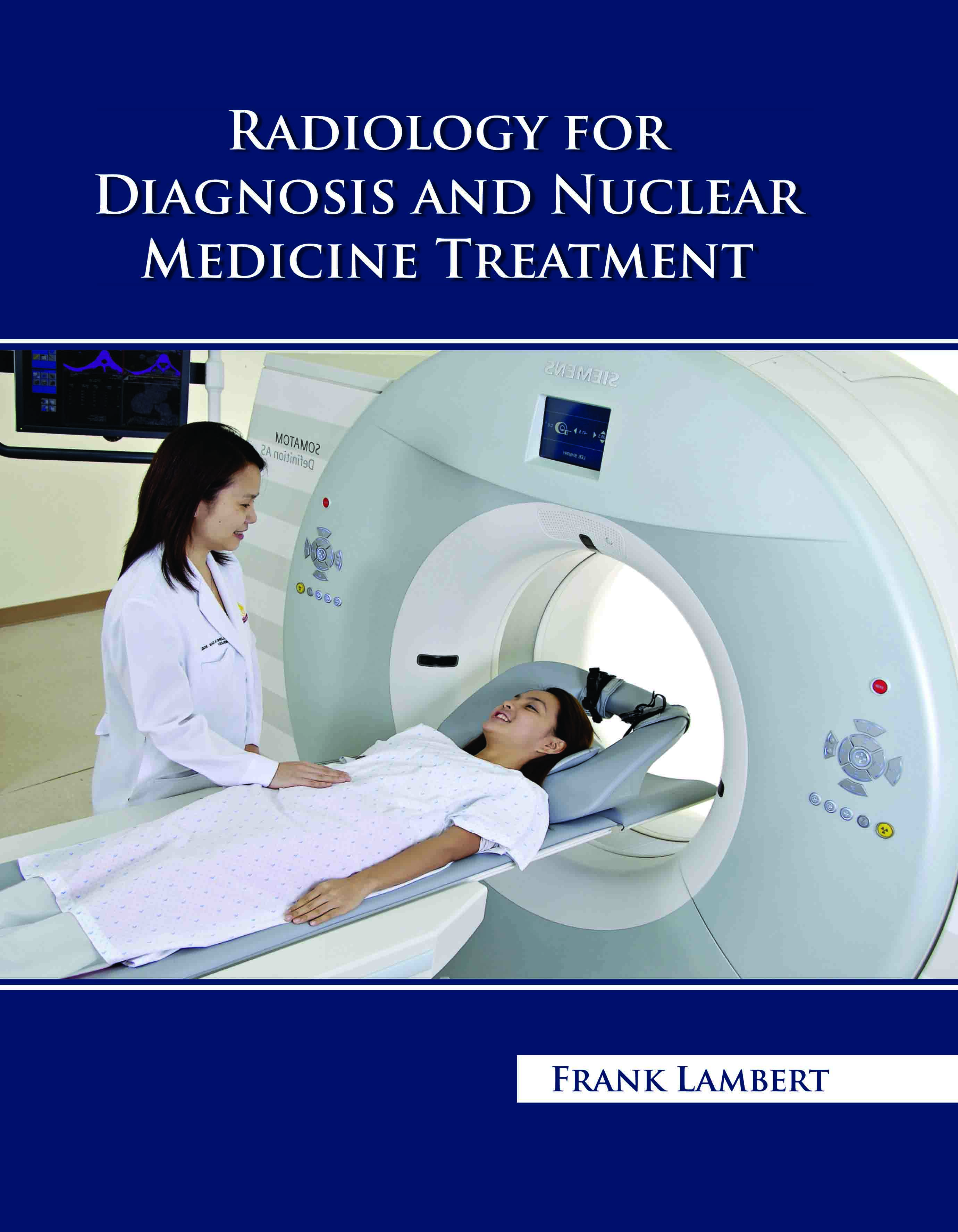
Nuclear medicine treatments use radioactive substances, known as radiopharmaceuticals, to target and destroy diseased cells or regulate physiological functions. Unlike external beam radiation, these therapies are systemic or targeted "unsealed" sources administered orally, intravenously, or through catheters to deliver high-energy radiation directly to tumors or specific organs while minimizing damage to healthy tissue.
Nuclear medicine represents a paradigm shift in oncology and endocrinology. By leveraging the biological pathways of the body, these treatments offer a level of precision that traditional chemotherapy often lacks. As we move through 2026, the field has expanded from its traditional roots in thyroid care to a sophisticated landscape of "theranostics"—a dual-purpose approach where the same biological vector is used for both imaging and therapy. This guide provides a detailed analysis of current nuclear medicine treatment modalities, safety protocols, and patient considerations.
Understanding the Fundamentals of Nuclear Medicine Therapy
The core principle of nuclear medicine treatment is the delivery of targeted radiation. In traditional radiation therapy, high-energy X-rays or protons are directed at the body from an external machine. In contrast, nuclear medicine treatments involve the administration of a radioactive isotope that is chemically bound to a targeting molecule. This "radioconjugate" circulates through the bloodstream and attaches to specific receptors or metabolic pathways found on target cells.
Once the radiopharmaceutical reaches its target, the radioactive isotope decays, emitting particles—usually beta particles or alpha particles—that travel very short distances. These particles induce double-strand DNA breaks in the target cells, leading to cell death (apoptosis). Because the radiation travel distance is measured in millimeters (for beta particles) or micrometers (for alpha particles), the surrounding healthy organs receive a significantly lower dose of radiation than the diseased tissue.
In 2026, the clinical distinction between different types of emitters is essential for understanding treatment choice. Beta-emitters, such as Lutetium-177 and Iodine-131, are the workhorses of the field, effective for medium-sized tumors. Alpha-emitters, such as Radium-223 and Actinium-225, deliver much higher energy over an even shorter distance, making them exceptionally potent against micro-metastases and small cell clusters while sparing bone marrow and adjacent organs.
Primary Nuclear Medicine Treatment Modalities
The application of nuclear medicine is specialized, focusing on specific diseases that express unique biomarkers. The following represent the most established and widely used treatments currently available in clinical practice.
Radioactive Iodine (I-131) Therapy
Radioactive Iodine therapy remains the "gold standard" for treating hyperthyroidism (Graves' disease) and differentiated thyroid cancer. The thyroid gland naturally absorbs nearly all the iodine in the body. By administering I-131, physicians can ensure that the radiation is concentrated almost exclusively in the thyroid tissue.
For hyperthyroidism, a lower dose is used to shrink the overactive gland and return thyroid hormone levels to normal. In thyroid cancer, a higher dose is administered following surgery (thyroidectomy) to ablate any remaining microscopic thyroid tissue or to treat cancer that has spread to the lymph nodes or lungs. Patients usually undergo a "thyroid hormone withdrawal" or receive injections of recombinant human TSH (Thyrogen) to ensure the remaining cells are highly active and "thirsty" for the radioactive iodine.
Peptide Receptor Radionuclide Therapy (PRRT)
PRRT is a molecular therapy used to treat neuroendocrine tumors (NETs). These tumors often express a high density of somatostatin receptors. The treatment typically uses Lutetium-177 dotatate (Lutathera). The "dotatate" part of the molecule acts as a key that fits into the somatostatin receptor "lock" on the tumor cell, while the Lutetium-177 provides the therapeutic radiation.
PRRT is generally administered in a series of four infusions, spaced roughly eight weeks apart. This treatment has significantly improved progression-free survival for patients with midgut NETs. In 2026, PRRT protocols often include amino acid infusions to protect the kidneys, as the kidneys are responsible for filtering the excess radiopharmaceutical from the body.
Radioligand Therapy for Prostate Cancer
One of the most significant breakthroughs in nuclear medicine is the development of Prostate-Specific Membrane Antigen (PSMA) targeted therapy. Lutetium-177 vipivotide tetraxetan (Pluvicto) is used for patients with metastatic castration-resistant prostate cancer (mCRPC).
Before treatment, patients undergo a PSMA-PET scan to verify that their cancer cells express the PSMA protein. If the scan is "positive," the Lu-177 ligand is administered. This treatment has become a critical option for patients who have already undergone chemotherapy and hormone therapy but have seen their disease progress. Clinical data in 2026 suggests that early intervention with radioligand therapy may yield even better outcomes than waiting for end-stage progression.
Targeted Alpha Therapy (TAT)
Targeted Alpha Therapy is an emerging frontier using isotopes like Radium-223 (Xofigo) or Actinium-225. Radium-223 mimics calcium and is naturally absorbed by bone areas with high turnover, making it highly effective for treating bone metastases in prostate cancer. Because alpha particles have a very short range, TAT is particularly useful for treating the bone marrow without causing the systemic toxicity (such as severe anemia) often associated with other bone-seeking radiopharmaceuticals.

The Concept of Theranostics: A Precision Revolution
The term "theranostics" combines "therapy" and "diagnostics." This is the cornerstone of nuclear medicine in 2026. The process involves using a low-energy diagnostic isotope (like Gallium-68 or Fluorine-18) to image the location and density of specific receptors in the body via a PET/CT scan.
If the diagnostic scan shows that the radioactive "probe" has successfully mapped the tumor sites, the physician simply swaps the diagnostic isotope for a high-energy therapeutic isotope (like Lutetium-177 or Actinium-225) while keeping the targeting molecule exactly the same. This ensures that the physician knows exactly where the treatment will go before it is even administered, allowing for personalized dosimetry—calculating the precise dose needed for the specific volume of the patient's tumor burden.
Preparing for a Nuclear Medicine Procedure
Preparation is vital for both the efficacy of the treatment and the safety of the patient. Depending on the specific radiopharmaceutical, preparation may involve:
- Dietary Restrictions: For I-131 therapy, patients must follow a low-iodine diet for 1–2 weeks prior to treatment to ensure the body is "iodine-starved," which maximizes the uptake of the radioactive dose.
- Medication Adjustments: Some medications can interfere with the radiopharmaceutical's ability to bind to targets. For example, patients receiving PRRT may need to temporarily stop long-acting somatostatin analogs.
- Hydration: Most nuclear medicine treatments require the patient to be exceptionally well-hydrated. This helps flush the excess radioactivity out of the body through the urinary system, reducing the radiation dose to the bladder and kidneys.
- Laboratory Work: Comprehensive blood panels, including renal function (creatinine/GFR) and hematology (white blood cell and platelet counts), are required to ensure the patient can safely tolerate the treatment.
Comparison of Common Nuclear Medicine Treatments
The following table compares the primary radiopharmaceuticals used in 2026 based on their clinical application and characteristics.
| Radiopharmaceutical | Primary Indication | Isotope Type | Administration Route | Typical Frequency |
|---|---|---|---|---|
| Iodine-131 | Thyroid Cancer / Hyperthyroidism | Beta / Gamma | Oral (Capsule/Liquid) | Single dose (usually) |
| Lu-177 Dotatate | Neuroendocrine Tumors (NETs) | Beta | Intravenous Infusion | 4 doses, 8 weeks apart |
| Lu-177 PSMA-617 | Prostate Cancer (mCRPC) | Beta | Intravenous Injection | Up to 6 doses, 6 weeks apart |
| Radium-223 | Bone Metastases (Prostate) | Alpha | Intravenous Injection | 6 doses, 4 weeks apart |
| Yttrium-90 Microspheres | Liver Cancer (SIRT) | Beta | Intra-arterial Catheter | Single or repeat (per lobe) |
Safety Protocols and Post-Treatment Care
Because patients become "radioactive" for a short period following treatment, strict adherence to radiation safety protocols is mandatory. The goal is to minimize exposure to family members, the public, and the environment.
Immediate Post-Treatment Period
For the first 3 to 7 days after treatment, the majority of the radioactive substance is excreted through urine, saliva, and sweat. Patients are typically advised to:
- Distance: Maintain a distance of at least 6 feet from other people, especially children and pregnant women.
- Sleeping: Sleep in a separate bed (and ideally a separate room) from partners.
- Hygiene: Flush the toilet twice after use and wash hands thoroughly. In some cases, male patients are advised to sit while urinating to avoid splashing.
- Laundry/Utensils: Use separate towels, linens, and eating utensils, or wash them separately from the rest of the household's items.
Travel and Monitoring
Radioactivity can trigger sensitive radiation detectors at airports or border crossings for several weeks after treatment. Patients are provided with an official "Radiation Treatment Card" or letter from their nuclear medicine department to explain the situation to security personnel.
Risks, Side Effects, and Eligibility
While nuclear medicine is generally well-tolerated compared to systemic chemotherapy, it is not without risks. The side effects are usually related to the specific organ where the radiopharmaceutical might "pool" or be excreted.
- Xerostomia (Dry Mouth): Common in I-131 and PSMA treatments because salivary glands can inadvertently take up the radioactive substance.
- Bone Marrow Suppression: High doses of radiation can temporarily lower white blood cell, red blood cell, and platelet counts (anemia or leukopenia).
- Nausea: Frequently occurring immediately following the infusion of PRRT or I-131, though this is usually manageable with standard anti-emetics.
- Kidney Toxicity: Because the kidneys filter many of these substances, long-term monitoring of renal function is essential.
Eligibility is determined by a multidisciplinary tumor board. Prerequisites include a confirmed diagnosis via biopsy, positive expression of the target receptor on a PET scan, and sufficient organ function (particularly kidney and liver) to process the radiopharmaceutical.
FAQ
Is nuclear medicine the same as chemotherapy?
No. Chemotherapy uses chemicals to stop cell division throughout the whole body, which often affects all rapidly dividing cells (like hair and stomach lining). Nuclear medicine uses targeted radiation to kill specific cells by binding to unique receptors on their surface, typically resulting in fewer systemic side effects.
How long does the radiation stay in my body?
The "effective half-life" varies by treatment. Most of the radioactivity is excreted within the first 48 to 72 hours. However, trace amounts can remain for several weeks. The isotopes used are chosen because they decay relatively quickly into stable, non-radioactive forms.
Will I lose my hair during nuclear medicine treatment?
Generally, no. Unlike some forms of chemotherapy, nuclear medicine treatments do not typically cause systemic hair loss. If hair loss occurs, it is usually very localized to the site of intense radiation, but even this is rare with current targeted radioligands.
Can I drive myself home after the treatment?
Most patients can drive themselves home after an intravenous injection or oral capsule, provided they did not receive sedation. However, the specific safety rules regarding distance from others mean you should not have passengers in the car for long durations immediately following the procedure.
Is nuclear medicine treatment covered by insurance in 2026?
Most established treatments like I-131, Pluvicto, and Lutathera are covered by major insurance providers and Medicare/Medicaid when clinical indications are met. However, newer alpha-therapies or "off-label" uses of isotopes may require specific prior authorization or participation in a clinical trial.
Next Steps and Recommendations
If you or a loved one are considering nuclear medicine treatment, the first step is to consult with a Nuclear Medicine Physician or a Radiation Oncologist who specializes in molecular therapy. Ensure that a diagnostic PET/CT scan (such as a Gallium-68 PSMA or Dotatate scan) is performed to confirm that your specific cancer expresses the targets necessary for the treatment to be effective.
Before starting therapy, request a detailed "Radiation Safety Plan" tailored to your living situation. This is especially important if you live with small children, pets, or individuals who are immunocompromised. Finally, verify that your treatment facility uses a multidisciplinary approach, coordinating closely with your primary oncologist to monitor blood counts and organ function throughout the duration of your treatment cycle.
Image Gallery
Select an image to open it in a new tab.
Celine Dubois
Contemporary Living and Global Arts Columnist
