The Most Beautiful Airport in the US: A Guide to America’s Architectural Marvels
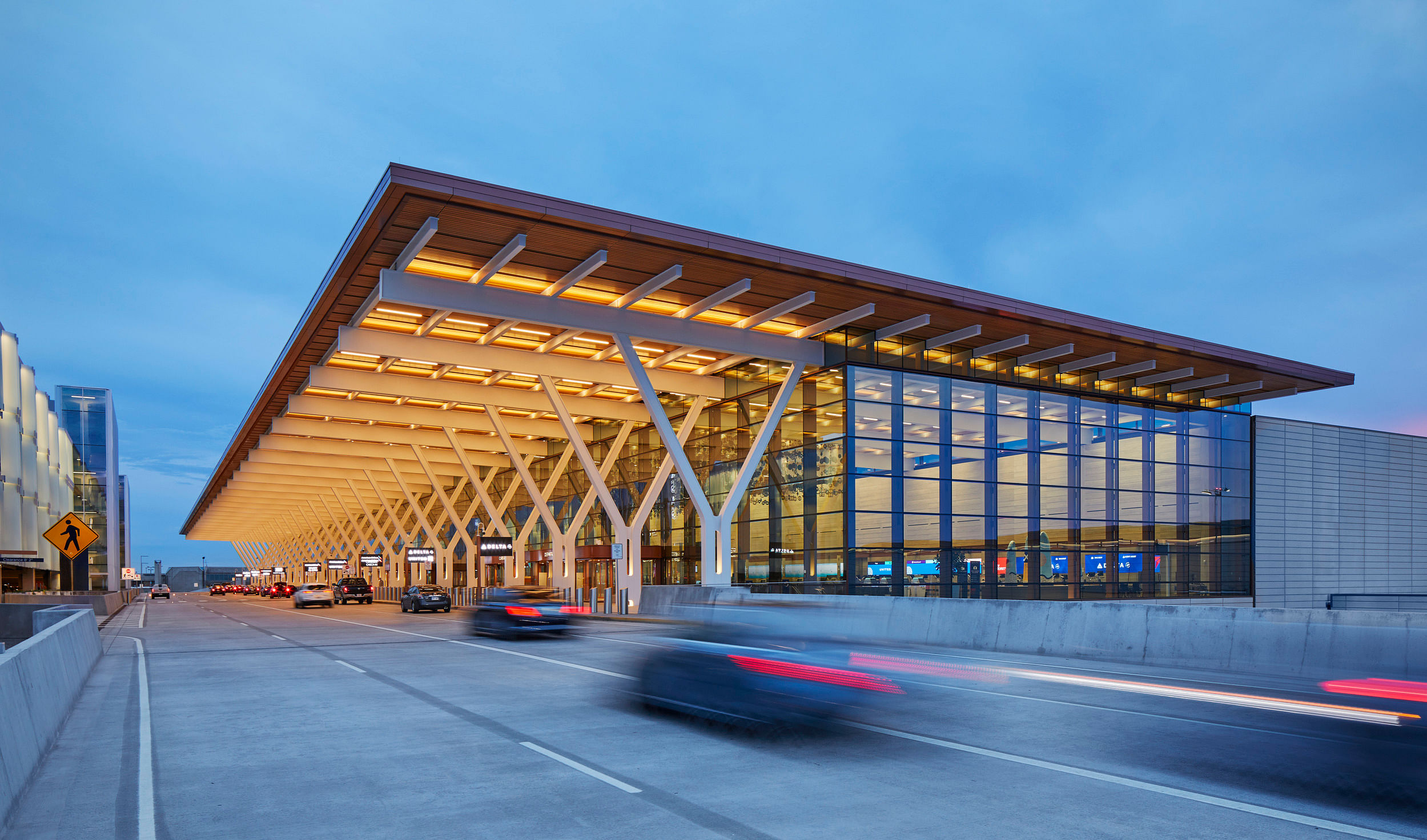
As of 2026, LaGuardia Airport (LGA) in New York, specifically Terminal B, is widely considered the most beautiful airport in the US. Following a multi-billion-dollar transformation, it has transitioned from a maligned facility into a global masterpiece of light, water features, and world-class art installations.
For decades, American airports were criticized for being utilitarian, cramped, and aesthetically uninspiring compared to their counterparts in Asia and the Middle East. However, a massive wave of redevelopment across the United States has changed that narrative. Today, several airports compete for the title of "most beautiful," each offering a unique blend of regional culture, sustainable architecture, and innovative passenger experiences. This guide explores the leading contenders and what makes them stand out in the 2026 travel landscape.
The Transformation of LaGuardia Airport (LGA)
Once famously described by then-Vice President Joe Biden as feeling like a "third-world country," LaGuardia has undergone one of the most successful infrastructure rehabilitations in American history. The centerpiece of this renovation is Terminal B, which has won numerous architectural accolades, including the Prix Versailles for the world’s best new airport.
The Water Feature and Natural Light
The most striking element of LaGuardia’s Terminal B is the indoor water feature. This isn't a mere fountain; it is a programmable, multi-story water curtain that uses laser projection and music to create choreographed shows. It serves as a focal point for passengers, turning a stressful waiting area into a tranquil space. Complementing the water is an abundance of floor-to-ceiling windows that flood the terminal with natural light, a stark contrast to the windowless, subterranean feel of the old LGA.
Integrated Public Art
Beauty at LaGuardia isn't just about the building's skeleton; it’s about the soul within. The airport partnered with the Public Art Fund to commission site-specific works by world-renowned artists like Jeppe Hein and Sarah Sze. Hein’s "All Your Wishes" features colorful, balloon-like sculptures that appear to float toward the ceiling, while Sze’s "Shorter than the Day" uses a massive constellation of photographs to represent the passage of time. These installations transform the terminal into a functional art museum.
The New Jersey Jewel: Newark Liberty Terminal A
Often overshadowed by its New York neighbors, Newark Liberty International (EWR) has emerged as a top-tier aesthetic contender with the completion of Terminal A. In 2024 and 2025, this terminal was consistently ranked as one of the best new airport terminals in the world by Skytrax.
Celebrating the Garden State
The beauty of Terminal A lies in its "Forest of Jersey" design philosophy. The terminal uses branching columns that resemble trees, creating an organic, airy atmosphere. The color palette—soft woods, muted earth tones, and vibrant digital displays—reflects New Jersey’s diverse landscapes.
Digital Immersion
Newark Terminal A utilizes massive LED screens that display stunning local scenery and digital art. These screens are integrated into the architecture, rather than feeling like tacked-on advertisements. The "Sense of Place" is reinforced through 27 local artists' works, ensuring that travelers know exactly where they are the moment they step off the plane.

Portland International (PDX) and the Power of Wood
While New York and Newark focus on glass and steel, Portland International Airport (PDX) has taken a different approach to beauty. The 2024 completion of its massive new timber roof has made it a darling of sustainable architecture.
The 9-Acre Timber Roof
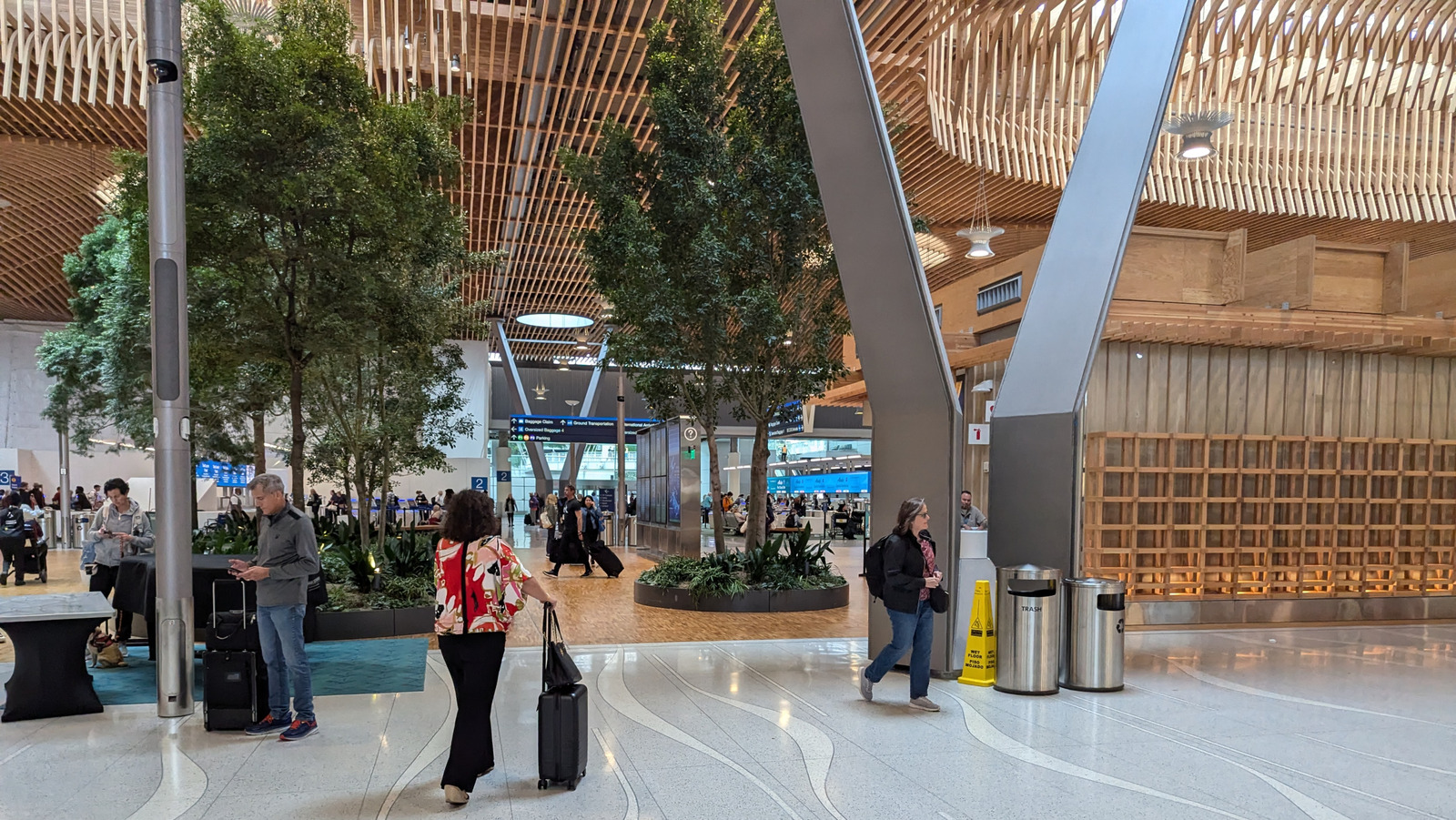
PDX’s beauty is rooted in biophilic design—the concept of connecting people with nature. The new roof is a 9-acre lattice made entirely of sustainably sourced Douglas fir from local forests and Indigenous-owned lands. This massive wooden structure provides warmth and a "living room" feel that is rare in aviation.
Biophilic Benefits
Beyond aesthetics, the use of wood and greenery throughout the terminal reduces passenger anxiety. The light filtering through the skylights and reflecting off the timber creates a soft, golden glow that makes the terminal feel more like a botanical garden or a high-end lodge than a transit hub. For travelers who value craftsmanship and sustainability, PDX is arguably the most beautiful airport in the country.
Comparing the Top Contenders
To help you decide which airport deserves your next layover, here is a comparison of the primary aesthetic and functional features of the top US airports in 2026.
| Airport | Primary Feature | Design Style | Notable Aesthetic Element |
|---|---|---|---|
| LaGuardia (LGA) | Terminal B | Modern/Metropolitan | Programmable water curtain & Public Art Fund installations |
| Newark (EWR) | Terminal A | Organic/Digital | "Forest of Jersey" branching columns and digital landscapes |
| Portland (PDX) | Main Terminal | Biophilic/Rustic | 9-acre locally sourced Douglas fir lattice roof |
| Washington (IAD) | Main Terminal | Mid-Century Modern | Eero Saarinen’s iconic catenary curved roof |
| Orlando (MCO) | Terminal C | Tropical/High-Tech | Large-scale "The Boulevard" with interactive media trees |
| Denver (DEN) | Jeppesen Terminal | Iconic/Post-Modern | Teflon-coated fabric "tent" roof mimicking the Rockies |
The Timeless Elegance of Washington Dulles (IAD)
While newer terminals rely on high-tech features, Washington Dulles International Airport remains a masterpiece of mid-century modern design. Designed by Eero Saarinen in the 1960s, the Main Terminal is a testament to the "Jet Age."
The Catenary Curve
The beauty of Dulles is found in its sweeping, suspended roof. The concrete structure mimics the grace of flight, creating a sense of motion even when standing still. In 2026, it remains one of the most photographed pieces of architecture in the United States.
Preservation and Light
Recent efforts to modernize the interior have respected Saarinen’s original vision. The terminal’s vast, open floor plan and the way the slanted windows frame the sunrise and sunset make it a favorite for architectural purists. It represents a different kind of beauty: one of form, function, and historical significance.
Orlando International (MCO) Terminal C: The "The Boulevard" Concept
Orlando’s Terminal C, which opened in late 2022 and has been refined through 2026, focuses on the "Orlando Experience." It challenges the traditional airport layout by emphasizing the journey from the curb to the gate.
The Experiential Media Environment (EME)
MCO Terminal C uses high-definition screens that are three stories tall to bring Florida’s natural beauty indoors. These "Moment Vaults" use 3D motion-tracking technology to allow passengers to interact with digital environments, such as swimming through a virtual spring or walking through a cypress grove.
Natural Light and Airiness
The terminal was designed with "The Boulevard" as its spine—a long, sun-drenched corridor lined with palms and seating. This design ensures that travelers never feel trapped indoors, a crucial element of the Florida aesthetic.
San Francisco (SFO): The Harvey Milk Terminal 1
San Francisco International Airport has long been a leader in combining sustainability with aesthetics. Terminal 1, named after civil rights leader Harvey Milk, is a museum-quality space that prioritizes the human experience.
Circadian Lighting and Calm
The beauty of SFO Terminal 1 is subtle. It features a sophisticated lighting system that adjusts its color temperature based on the time of day, helping to regulate passengers' circadian rhythms. This "quiet" beauty is complemented by rotating art exhibitions from the SFO Museum, the first accredited museum in an airport.
The "Living Room" Lounging
The terminal replaces traditional gate seating with plush chairs, ottomans, and communal tables. The materials—recycled woods, high-end fabrics, and stone—give the airport a sophisticated, residential feel that is both beautiful and functional.
Frequently Asked Questions
Which US airport has the best art collection?
LaGuardia (LGA) and Miami International (MIA) are the leaders in public art. LGA features permanent, massive installations by world-class contemporary artists, while MIA is known for its "Art in Public Places" program, including the famous "Harmonic Convergence" sound and light walk.
Is the TWA Hotel at JFK considered part of the airport's beauty?
Yes. While it is a hotel, the TWA Flight Center at JFK is a preserved architectural landmark designed by Eero Saarinen. Even if you are not flying out of Terminal 5, visiting the TWA Hotel provides access to what is arguably the most beautiful and historically significant aviation space in the US.
What is the most scenic airport to fly into?
While terminal beauty is one thing, the view from the window is another. Reagan National (DCA) in Washington, D.C., offers the "River Visual" approach, providing stunning views of the National Mall and monuments. San Francisco (SFO) and Seattle-Tacoma (SEA) also offer breathtaking views of water and mountains, respectively.
Are these "beautiful" airports more expensive to fly into?
Not necessarily. The beauty of an airport is usually funded by Passenger Facility Charges (PFCs) and airport authority bonds, rather than direct ticket price increases for specific routes. However, newer, more beautiful terminals often attract premium airlines, which may have higher fares than budget carriers operating out of older, less-renovated terminals.
How can I experience these terminals without a flight?
Due to TSA regulations, you generally need a boarding pass to see the "airside" beauty of these terminals (like the LGA water feature). However, some airports, like Orlando (MCO) and Seattle (SEA), have introduced "visitor pass" programs that allow non-travelers to apply for security clearance to visit the shops, restaurants, and art installations.
Practical Recommendation for Travelers
If you want to experience the pinnacle of modern American airport design, plan a trip through New York LaGuardia (LGA) or Newark Liberty (EWR). These facilities represent the highest standard of the "New American Airport"—spaces that are no longer just transit points, but destinations in their own right. For those who prefer a more serene, natural aesthetic, a connection through Portland (PDX) to see the timber roof is highly recommended. Always allow for an extra hour of "dwell time" in these terminals to truly appreciate the architecture and art without the rush of boarding.
Image Gallery
Select an image to open it in a new tab.

Zara El-Hashem
Sociocultural Dynamics and Academics Writer
