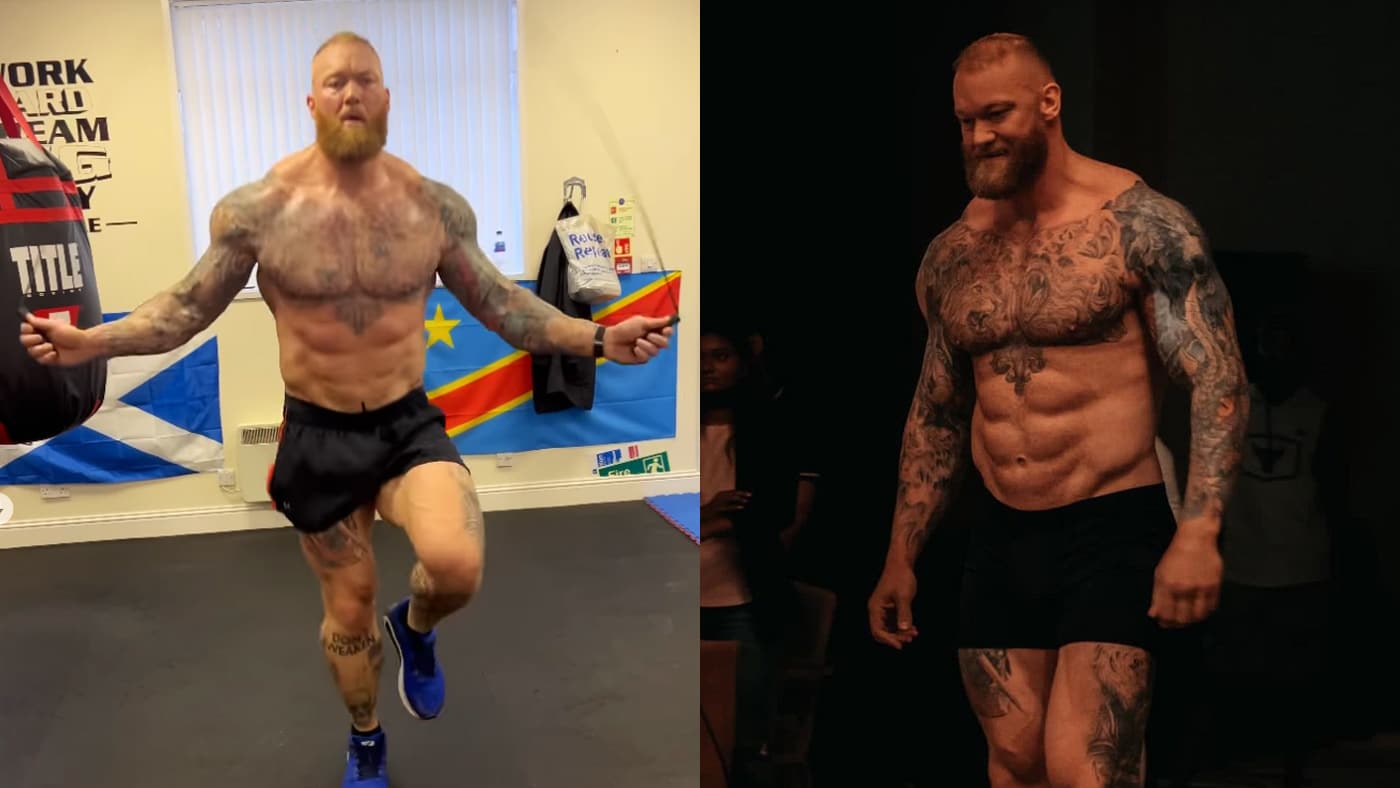
Achieving a lean and shredded physique involves reaching a body fat percentage low enough to reveal significant muscle definition, vascularity, and deep separation between muscle groups. Generally, for men, "shredded" is defined as falling below 8-10% body fat, while for women, it typically refers to reaching the 14-17% range. This goal requires a precise combination of a sustained caloric deficit, high protein intake, and progressive resistance training to preserve lean mass while stripping away subcutaneous fat.
Defining the Terms: Lean vs. Shredded
In the fitness landscape of 2026, the terms "lean" and "shredded" are often used interchangeably by the general public, but within the professional physique community, they represent distinct stages of body composition. Understanding these nuances is critical for setting realistic expectations and designing an appropriate training and nutrition protocol.
Lean typically describes an athletic physique with visible muscle tone and a relatively flat stomach. For men, this usually corresponds to a body fat percentage of 12% to 15%. For women, the range is roughly 20% to 23%. At this level, an individual looks "fit" in clothing and possesses visible abdominal outlines, but may lack the extreme muscular "striations" or the prominent vascularity found in more advanced stages. Being lean is often considered a sustainable, healthy year-round goal for most enthusiasts.
Shredded, on the other hand, represents the extreme end of the fat-loss spectrum. It is the point where the skin appears "thin," and the individual muscle fibers (striations) become visible during contraction. Vascularity—the visibility of veins, particularly in the arms, legs, and lower abdominals—becomes a primary characteristic. Reaching this state requires significantly more discipline and is often associated with competitive bodybuilding, photoshoots, or specific peak-performance windows rather than a permanent lifestyle state.
The Physiological Requirements for a Shredded Physique
To reach a shredded state, the body must be pushed beyond its natural "set point"—the weight and fat level it instinctively tries to maintain for survival. This process involves complex hormonal and metabolic shifts that must be managed carefully to avoid excessive muscle loss or health complications.
The Role of Body Fat Distribution
Genetics play a massive role in how "shredded" an individual looks at a specific body fat percentage. Humans store fat in different depots: subcutaneous (under the skin), visceral (around organs), and intramuscular (within muscles). Those who naturally store less subcutaneous fat in their midsection will look shredded at higher overall body fat percentages than those who tend to hold "stubborn" fat in the abdominal or hip regions.
Hormonal Adaptations
As body fat drops to elite levels, the endocrine system reacts. Leptin, the hormone responsible for signaling satiety, decreases, leading to increased hunger. Simultaneously, ghrelin (the hunger hormone) rises. Thyroid hormones, which regulate metabolic rate, may downregulate as the body attempts to conserve energy. In 2026, many athletes use advanced tracking to monitor these markers, ensuring that their pursuit of a shredded physique does not lead to long-term metabolic damage or hormonal imbalances, such as suppressed testosterone in men or menstrual irregularities in women.

Body Fat Percentage Thresholds and Visual Markers
Establishing where you sit on the spectrum is the first step in defining your goal. While bioimpedance scales provide a rough estimate, more accurate methods like DEXA (Dual-Energy X-ray Absorptiometry) or hydrostatic weighing are preferred for those chasing a shredded look.
| Category | Men (Body Fat %) | Women (Body Fat %) | Key Visual Indicators |
|---|---|---|---|
| Athletic/Lean | 12% – 15% | 20% – 23% | Visible abs, clear muscle separation, "fit" appearance. |
| Shredded | 8% – 10% | 14% – 17% | Deep abdominal definition, vascularity in extremities, limited fat on lower back. |
| Extreme/Stage Ready | < 7% | < 13% | Striations in chest/glutes, "paper-thin" skin, visible muscle fibers. |
| Overweight | > 20% | > 30% | Little to no muscle definition, soft appearance. |
Nutrition: The Engine of Fat Loss
You cannot out-train a poor diet when the goal is to become shredded. While a simple caloric deficit is enough for general weight loss, reaching elite levels of definition requires a more nuanced approach to macronutrient timing and composition.
The "Aggressive yet Sustainable" Deficit
To lose fat, you must consume fewer calories than you burn (Total Daily Energy Expenditure or TDEE). However, if the deficit is too aggressive (e.g., cutting calories by 50%), the body is more likely to burn muscle tissue for energy. A standard recommendation is a 15% to 25% deficit below maintenance. As an individual becomes leaner, the deficit often needs to become more conservative to protect existing muscle.
Protein: The Non-Negotiable Macronutrient
High protein intake is the most critical factor for preserving Lean Body Mass (LBM) during a cut. Research, including studies cited by the National Institutes of Health (NIH), consistently shows that higher protein diets (ranging from 1.8 to 2.2 grams per kilogram of body weight) help maintain nitrogen balance and muscle protein synthesis even when energy is scarce. Protein also has a higher Thermic Effect of Food (TEF), meaning the body burns more calories digesting it compared to fats or carbohydrates.
Carbohydrate and Fat Manipulation
Carbohydrates are the primary fuel for high-intensity training. To remain shredded while still training hard, many athletes utilize "carb cycling." This involves higher carbohydrate intake on heavy training days (legs or back) and lower intake on rest days or light cardio days. Fats are kept at a minimum level necessary for hormonal health (usually 0.5 to 0.7 grams per kilogram of body weight) to allow for more calories to be allocated to protein and carbohydrates.
Training Protocols for Maximum Definition
Training while getting shredded is not about "burning fat" directly through the workout; it is about providing the body with a reason to keep its muscle tissue.
Resistance Training and Mechanical Tension
A common mistake is switching to high reps and light weights to "tone" the muscle. In reality, maintaining heavy loads is vital. High mechanical tension signals to the body that the muscle is necessary for survival, preventing the catabolism of muscle tissue. The goal during a "shred" is to maintain the strength levels achieved during the building phase.
Strategic Cardio: LISS vs. HIIT
Cardiovascular exercise is a tool to increase the caloric deficit without further reducing food intake.
- Low-Intensity Steady State (LISS): Walking or light cycling. It is easy to recover from and does not interfere significantly with weightlifting performance.
- High-Intensity Interval Training (HIIT): Sprints or circuit training. It burns more calories per minute but carries a higher recovery cost. In 2026, the consensus among elite coaches favors a "NEAT-first" approach (Non-Exercise Activity Thermogenesis), encouraging high daily step counts (10,000–15,000) as the primary fat-loss driver before adding structured cardio.
The Biological and Psychological Challenges
Achieving a shredded physique is a feat of willpower as much as it is a physical endeavor. The "leaner" one gets, the more the body fights back. It is important to recognize the potential downsides:
- Increased Food Focus: The brain becomes hyper-aware of food, often leading to dreams about eating or obsessive calorie tracking.
- Reduced Energy Levels: Daily tasks can become exhausting as the body enters an energy-conservation mode.
- Sleep Disturbances: Low body fat can interfere with the ability to fall and stay asleep, which ironically makes fat loss harder due to increased cortisol.
- Social Isolation: The strictness required for the "shredded" look often makes dining out or participating in social events difficult.
2026 Assessment Tools and Verification
In 2026, technology has made it easier to track progress beyond the bathroom scale. Relying on weight alone is deceptive because weight can fluctuate based on water retention, glycogen storage, and inflammation.
- AI-Enhanced Vision Tracking: Many modern fitness apps now use smartphone cameras to create 3D body scans, providing more accurate measurements of body volume and fat distribution than traditional tape measures.
- Metabolic Breath Analyzers: Portable devices that measure Respiratory Exchange Ratio (RER) can tell an individual if they are primarily burning fats or carbohydrates in real-time, allowing for "on-the-fly" adjustments to nutrition.
- Blood Biomarker Monitoring: Finger-prick tests can now monitor fasted glucose and ketone levels, providing data on metabolic flexibility—the body's ability to switch between fuel sources efficiently.
Common Pitfalls and Troubleshooting
Many individuals stall on their way to becoming shredded. This is rarely due to a "broken metabolism" and usually due to one of the following:
- Underestimating Calorie Intake: "Hidden" calories in cooking oils, sauces, or "cheat bites" can easily erase a deficit.
- The "Whoosh Effect" and Water Retention: Chronic dieting increases cortisol, which causes the body to hold water. This can mask fat loss for weeks until a "whoosh" occurs, where the body suddenly drops several pounds of water weight.
- Overtraining: Doing too much cardio and too much lifting on too few calories can lead to burnout and muscle loss.
- Neglecting Micronutrients: While macros matter for weight, micros (vitamins and minerals) matter for health. A deficiency in zinc or magnesium can tank testosterone, making it harder to stay lean and muscular.
Frequently Asked Questions
Is it healthy to stay shredded year-round?
For most people, maintaining a "shredded" look (under 8% for men) year-round is not healthy or sustainable. It can lead to chronic fatigue, lowered immune function, and hormonal imbalances. Most athletes maintain a "lean" look (12-15%) and only "peak" for a shredded look for short periods.
How long does it take to get shredded?
It depends on the starting point. A safe rate of fat loss is 0.5% to 1% of body weight per week. If an individual is at 20% body fat and wants to reach 8%, they likely need 12 to 16 weeks of consistent, disciplined dieting.
Can you build muscle while getting shredded?
This is known as "body recomposition." It is primarily possible for beginners, those returning from a long break, or those using hormonal assistance. For experienced natural lifters, the goal is usually to preserve as much muscle as possible rather than building new tissue while in a deficit.
Are fat burner supplements necessary?
No. While some supplements like caffeine can slightly increase metabolic rate and suppress appetite, they are secondary to the caloric deficit. According to the American Council on Exercise (ACE), no supplement can replace the necessity of a controlled diet and exercise program.
Why did I stop losing weight even though I'm dieting?
This is likely due to metabolic adaptation. As you lose weight, your body requires fewer calories to function. You may need to either slightly decrease your calories or increase your activity levels to re-establish a deficit. Additionally, ensure you aren't experiencing high water retention from stress.
Practical Recommendation
If your goal is to be lean and shredded in 2026, start by establishing a solid foundation of muscle mass. Trying to "shred" without underlying muscle often results in a "skinny-fat" look rather than an athletic one. Aim to reach a "lean" state first (approx. 12-15% for men) and maintain it for several months to stabilize your metabolism. When you decide to push for "shredded," do so in a structured 8-12 week phase, prioritizing protein intake and heavy lifting. Once you reach your goal, utilize a "reverse diet"—slowly increasing calories back to maintenance—to avoid rapid fat regain and to restore hormonal health.
Image Gallery
Select an image to open it in a new tab.
Omar Farooq
EdTech Innovation and Virtual Pedagogy Journalist
