Understanding the Jewish Funeral: Traditions, Procedures, and Etiquette
A Jewish funeral is a sacred rite centered on two core principles: Kavod Ha-Met (honoring the deceased) and Nichum Aveilim (comforting the mourners). Characterized by its simplicity, speed, and focus on the natural return of the body to the earth, the process follows specific religious laws (Halakha) that emphasize equality in death and the sanctity of the human form.
The Philosophical Foundations of Jewish Burial
In the Jewish tradition, the human body is considered a vessel that housed a divine soul. Because the body was created in the image of God, it must be treated with the utmost respect even after the soul has departed. This belief dictates almost every aspect of the funeral process, from the way the body is washed to the materials used in the casket.
In 2026, while modern technology and environmental concerns have influenced many funeral practices globally, the Jewish funeral remains remarkably consistent with its ancient roots. The primary objective is to facilitate the soul's transition and ensure the body returns to the dust from which it came, as dictated by the biblical verse in Genesis: "For dust you are, and to dust you shall return."
The transition from life to death involves three distinct stages for the family:
- Aninut: The period from the moment of death until the burial.
- Shiva: The seven-day intensive mourning period following the burial.
- Shloshim: The thirty-day period of gradual re-entry into society.
Immediate Steps Following a Death
When a death occurs, the family enters the state of Aninut. During this time, the immediate relatives (parents, siblings, spouses, and children) are referred to as Onanim. In Jewish law, an Onen is exempt from all positive religious commandments—such as daily prayers or wearing tefillin—because their sole focus must be on the logistics of the burial.
Notification and the Chevra Kadisha
The first call is typically to a Jewish funeral home or the local Chevra Kadisha (Holy Society). The Chevra Kadisha is a group of volunteers, often highly respected members of the community, who ensure the body is prepared according to Jewish law. Their work is considered a Chesed Shel Emet (a kindness of truth) because the recipient cannot possibly repay the favor.
The Role of Shemira (Guarding)
From the time of death until burial, the body is never left alone. This practice is known as Shemira. A Shomer (guardian) sits with the body, often reciting Psalms (Tehillim). This serves both a practical purpose (protection) and a spiritual one, providing comfort to the departing soul, which is believed to remain near the body until interment.
Ritual Preparation: Taharah and Tachrichim
Unlike secular Western funerals, Jewish tradition strictly forbids embalming, cosmetic restoration, or "viewing" of the deceased. The focus is on natural purity.
Taharah (Purification)
The body undergoes a ritual purification called Taharah. Performed by members of the Chevra Kadisha (men for men, women for women), the process involves a physical cleaning followed by a ritual washing. Water is poured over the body in a continuous stream to symbolize a mikvah (ritual bath), purifying the deceased for their final journey.
Tachrichim (The Shrouds)
After the Taharah, the deceased is dressed in Tachrichim. These are simple, white linen or cotton garments. They have no pockets, symbolizing that a person leaves this world with no material possessions. Every Jew is buried in the same style of shroud, ensuring that the poor and the wealthy are treated with absolute equality in the eyes of the Creator.
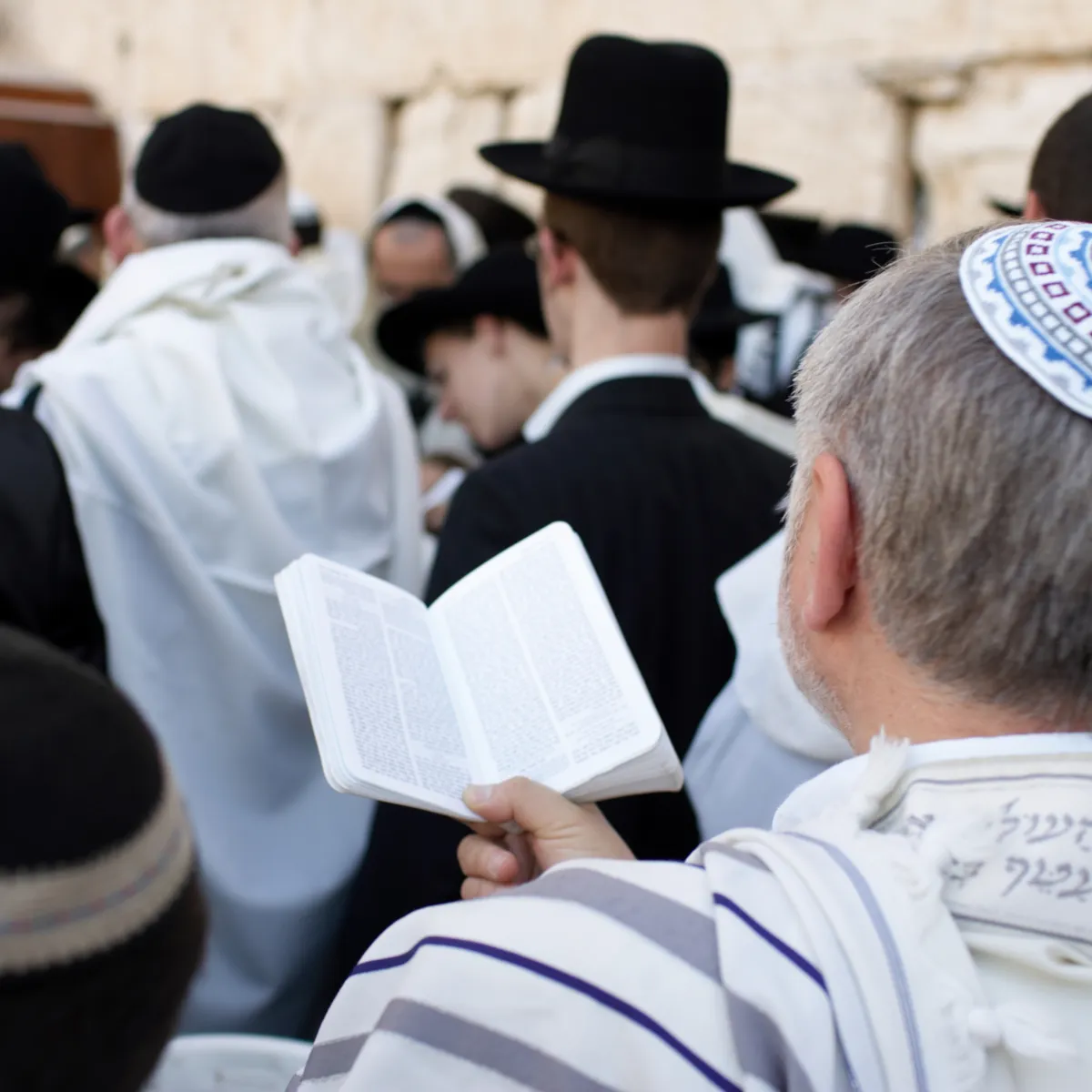
Men (and in some progressive communities, women) are also wrapped in their Tallit (prayer shawl). One of the tzitzit (fringes) of the Tallit is cut to signify that the person is no longer bound by the commandments of the living.
The Casket (Aron)
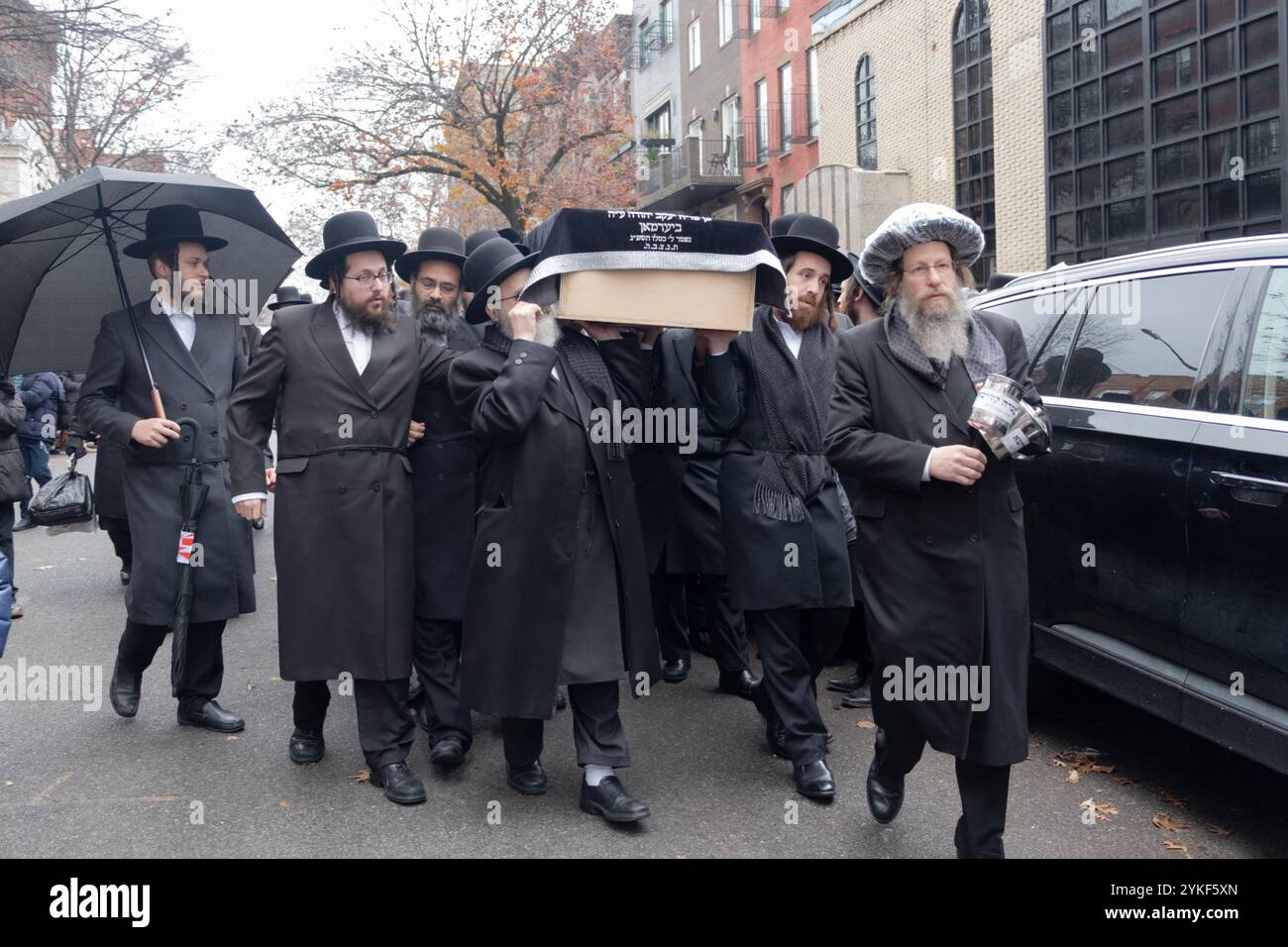
The Jewish casket, known as an Aron, must be constructed entirely of wood. To adhere to the requirement of returning to the earth, no metal components are permitted—this includes nails, hinges, or handles. Wood glue and wooden dowels are used instead.
Many Arons feature holes drilled into the bottom. This is a deliberate design choice to accelerate the body's contact with the earth, fulfilling the biblical mandate. In Israel, it is common practice to bury the deceased in shrouds alone, without a casket, though most jurisdictions in the United States and Europe require a casket for health and safety regulations.
The Funeral Service (Levayah)
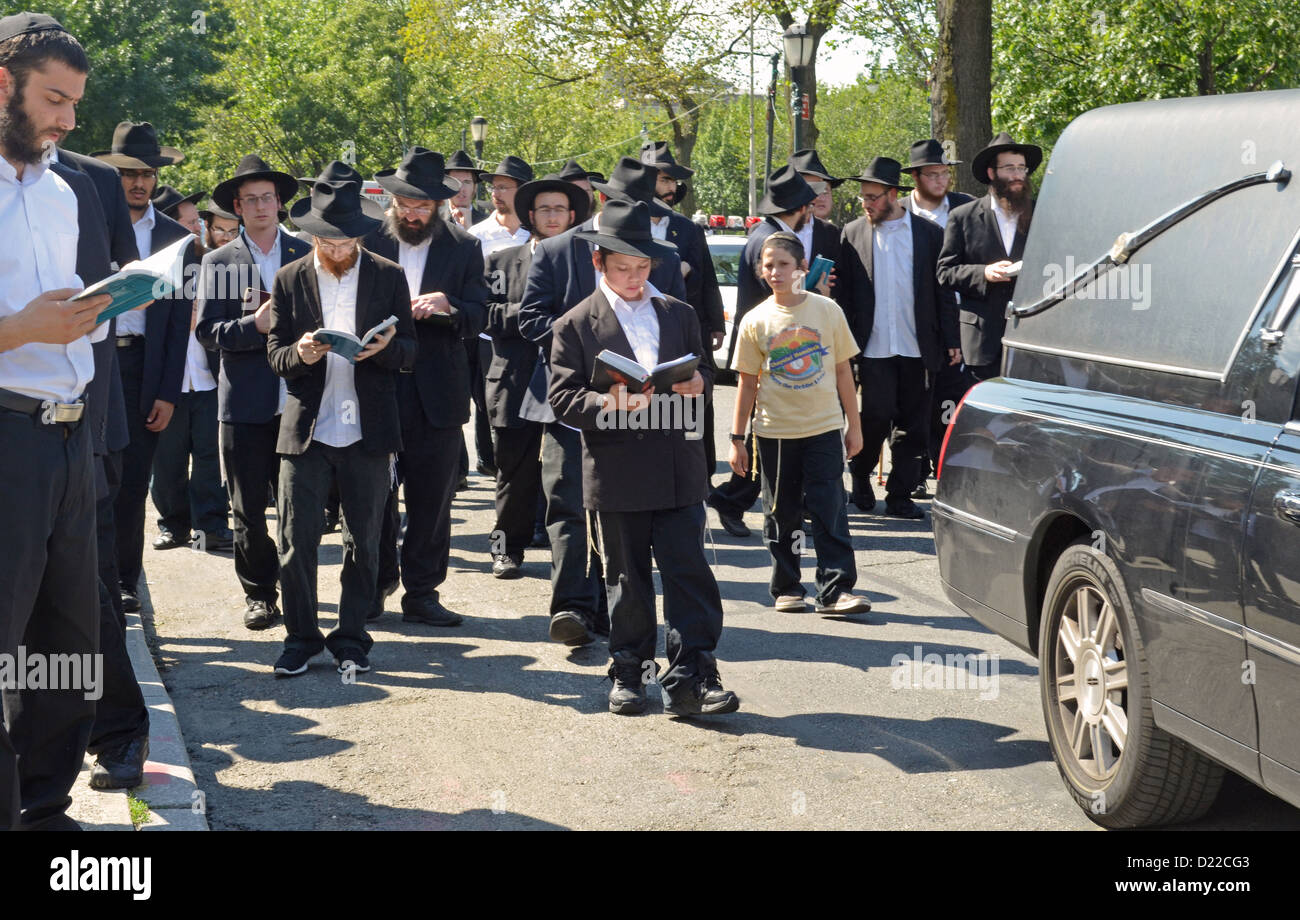
The word for funeral in Hebrew is Levayah, which literally means "escorting." The purpose of the service is to escort the deceased to their final resting place.
Timing of the Service
Jewish law mandates that burial take place as soon as possible, ideally within 24 hours of death. Delays are only permitted for the Sabbath, holy days, or to allow immediate family to travel from great distances.
The Order of Service
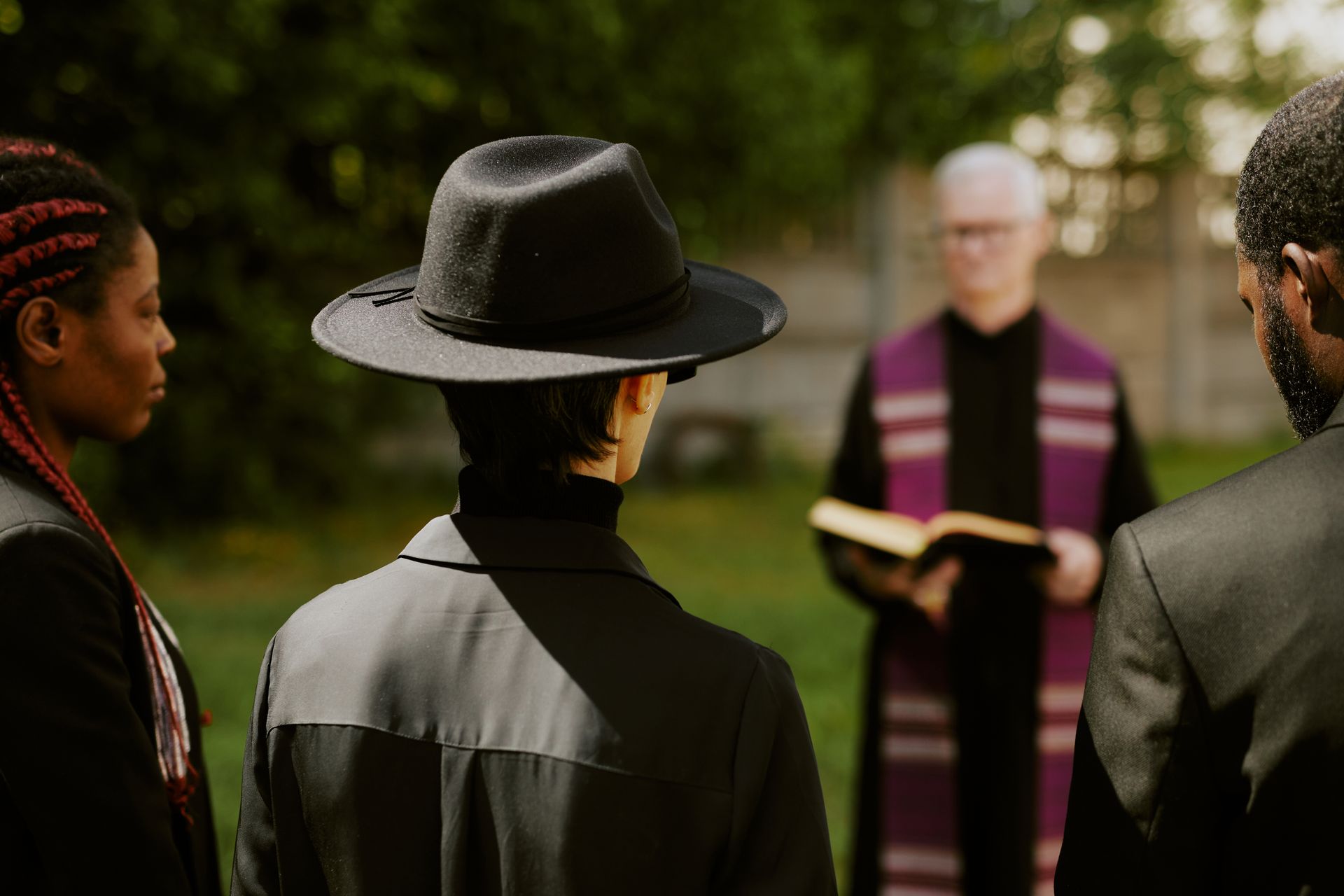
The service is typically brief and solemn, held either at a funeral home, a synagogue (though less common in some traditions), or directly at the graveside.
- Tehillim (Psalms): Recitation of specific chapters, such as Psalm 23.
- Hesped (Eulogy): A tribute to the deceased’s life and character. The goal of a Hesped is not to canonize the person but to offer a truthful and moving account of their impact on the living.
- El Maleh Rachamim: A memorial prayer asking for the soul to find rest under the "wings of the Divine Presence."
Kriah (Tearing)
Before or during the service, the immediate mourners perform Kriah, the ritual of tearing their clothing. This is a physical manifestation of the heartbreak they feel. In modern practice, many use a black ribbon pinned to their clothing which is then torn, though traditional practice involves tearing the actual garment. For a parent, the tear is on the left side (over the heart); for other relatives, it is on the right.
The Burial (Kevurah)
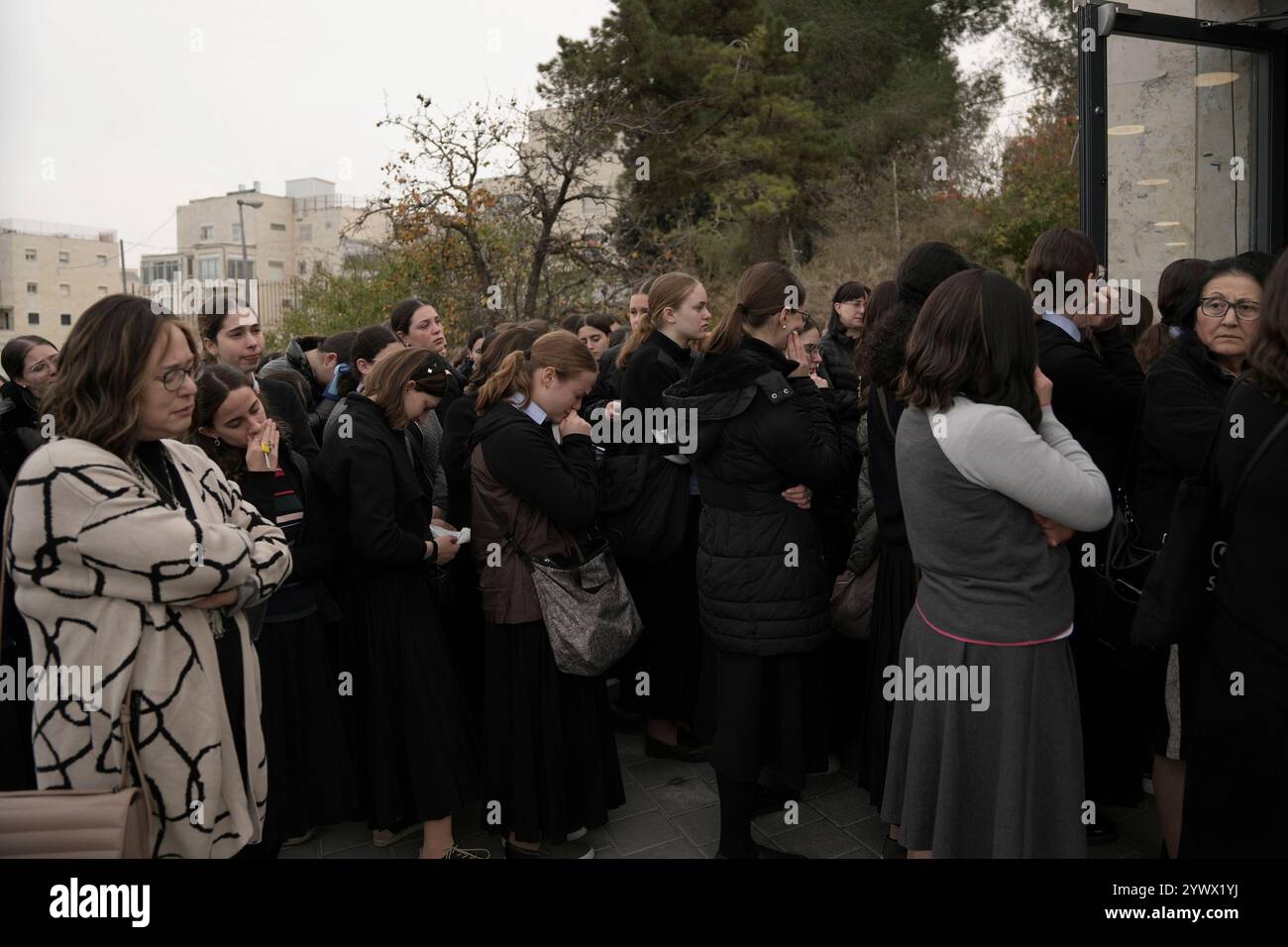
The most poignant part of a Jewish funeral is the Kevurah, or the actual interment. It is considered a significant mitzvah (commandment) for those present to participate in the burial.
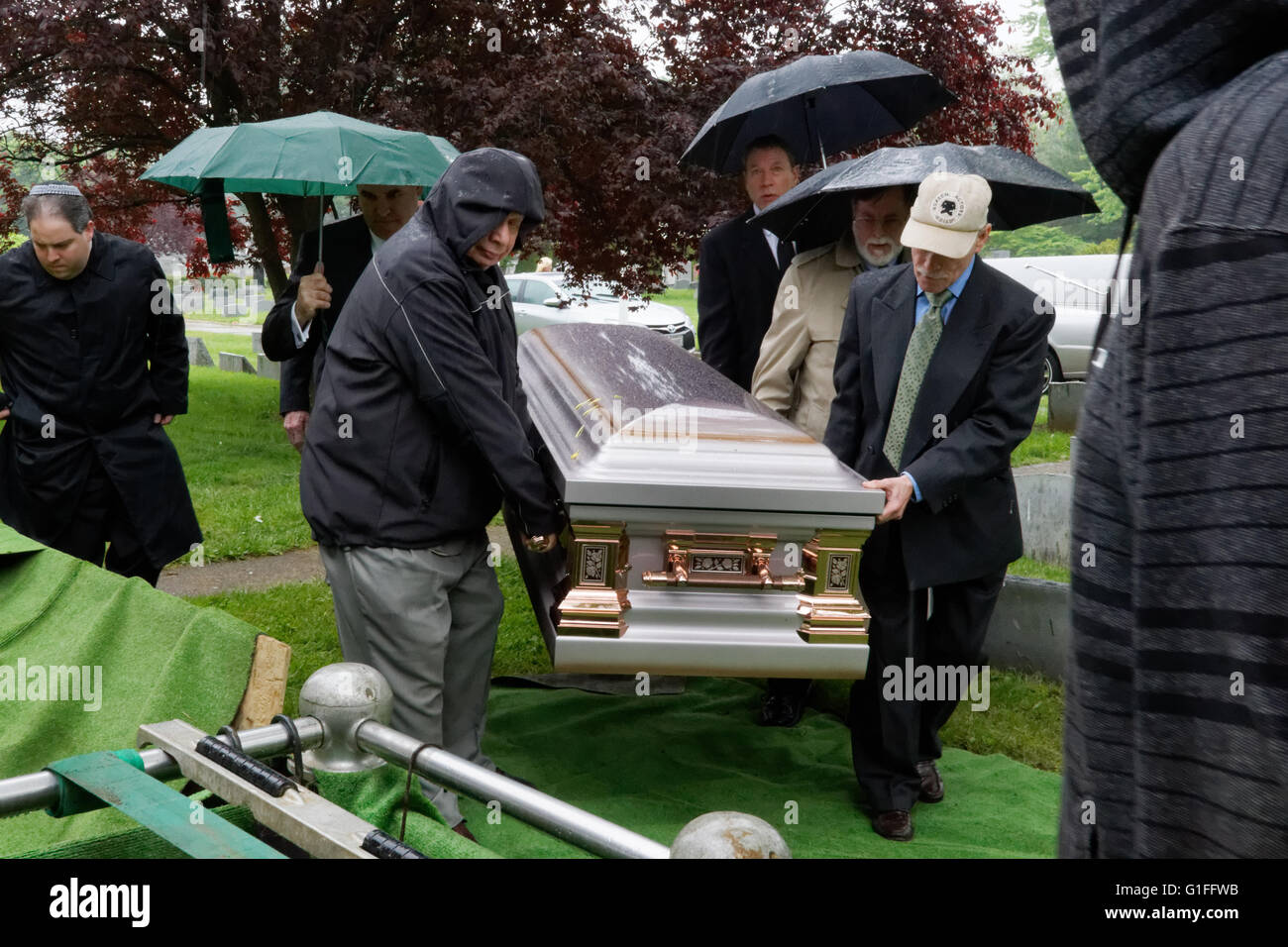
Once the casket is lowered into the grave, family and friends use a shovel—often using the back of the shovel first to show reluctance—to place earth onto the casket. This continues until the casket is covered. This act provides "finality" for the mourners, a psychological step that is essential for the beginning of the healing process.
Mourner’s Kaddish
After the grave is filled, the mourners recite the Kaddish. Interestingly, the Kaddish does not mention death or the deceased; it is a prayer that sanctifies God’s name and affirms life, even in the face of loss.
Summary of Mourning Periods
The Jewish tradition provides a structured "ladder" of mourning to help individuals transition from deep grief back into the world.
| Stage | Name | Duration | Primary Focus |
|---|---|---|---|
| Stage 1 | Aninut | Death to Burial | Logistics and high-intensity shock. |
| Stage 2 | Shiva | 7 Days | "Sitting" at home, receiving visitors, no work. |
| Stage 3 | Shloshim | 30 Days | Return to work; avoidance of parties and music. |
| Stage 4 | Yud-Gimel Chodesh | 12 Months | For those mourning a parent; daily Kaddish. |
| Stage 5 | Yahrzeit | Annual | Anniversary of the death; lighting a 24-hour candle. |
Etiquette for Attending a Jewish Funeral
If you are attending a Jewish funeral as a non-Jewish guest or for the first time, there are several cultural norms to keep in mind.
- Dress Code: Modesty is key. Men should wear a suit or a dress shirt and slacks. In most services, men are expected to wear a Kippah (head covering), which is usually provided by the funeral home. Women should wear modest dresses or suits; in Orthodox settings, head coverings for women may also be appropriate.
- No Flowers: It is not customary to send flowers to a Jewish funeral or the home of the mourners. Flowers represent life and beauty, which can feel out of place in the immediate shadow of death. Instead, it is common to make a charitable donation (Tzedakah) in memory of the deceased.
- The Condolence Line: At the cemetery, as the mourners leave the grave, guests often form two lines. The mourners walk between these lines as guests say: "May the Almighty comfort you among the other mourners of Zion and Jerusalem."
- Visiting the Shiva Home: After the funeral, the family "sits Shiva." When visiting, it is customary to enter quietly. Often, the door is left unlocked so you do not have to ring the bell and disturb the mourners. Let the mourner initiate the conversation. If they don't want to talk, your silent presence is enough.
Current Trends and Costs in 2026
As of 2026, the cost of a traditional Jewish funeral typically ranges between $7,000 and $12,000, depending on the location and the specific cemetery fees. Because Jewish law requires an all-wood casket and forbids embalming, families often save on the expensive "luxury" caskets and chemical procedures common in secular funerals.
Environmental "Green Burials" have seen a massive surge in 2026. Because traditional Jewish burial is inherently "green" (biodegradable shrouds, no chemicals, wooden caskets), many Jewish cemeteries are now being recognized as leaders in eco-friendly end-of-life care.
For those looking for financial assistance, many local Jewish Federations or Hebrew Free Burial Societies offer services for those who cannot afford a traditional burial, ensuring that every Jew receives a dignified funeral regardless of their financial status.
Frequently Asked Questions
Why aren't Jewish funerals held on Saturdays?
The Sabbath (Shabbat) is a day of joy and rest. Burial and the labor associated with it are prohibited on the Sabbath and on major Jewish festivals (such as the first and last days of Passover or Sukkot). Funerals are typically scheduled for Sundays or weekdays.
Can a person be cremated and still have a Jewish funeral?
Traditional Jewish law strictly prohibits cremation, viewing it as a violation of the body's sanctity. However, in 2026, Reform and some Conservative movements have become more accommodating of families who choose cremation, though many Orthodox rabbis will still decline to officiate a service where cremation is planned.
What should I bring to a Shiva house?
The most traditional gift is food. Since mourners are not supposed to cook for themselves, bringing a kosher meal or a basket of fruit is helpful. However, always check the family’s level of kosher observance before bringing home-cooked items.
Is it okay to attend the funeral if I am not Jewish?
Yes, absolutely. Your presence is considered a great comfort to the family. Simply follow the lead of the community, wear a head covering if asked, and participate in the burial by placing a shovel of dirt if you feel comfortable doing so.
Why do people put small stones on the headstone?
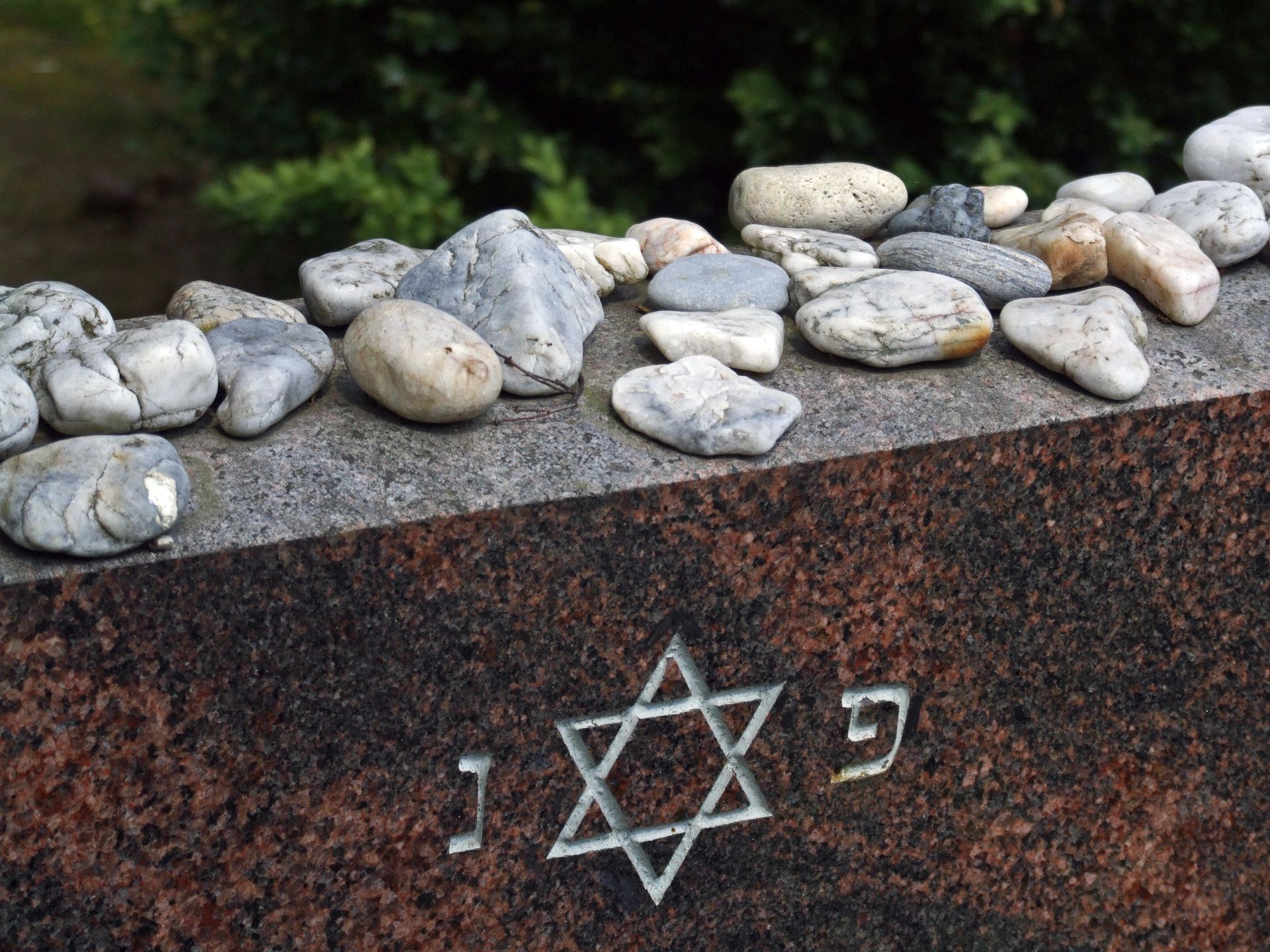
This is a long-standing custom. While flowers wither and die, stones are permanent. Leaving a stone signifies that someone visited the grave and that the person’s memory is still being kept alive. It is a way of "marking" the grave with an enduring token of respect.
What is an "Unveiling"?
An unveiling is a ceremony held within the first year of death (often around the 11th month) where the headstone is officially revealed. It is a shorter, more private service that marks the end of the formal mourning period.
Practical Recommendation
If you are currently tasked with organizing a Jewish funeral, your first step should be to contact a local rabbi or a Jewish funeral home that understands the specific requirements of your community’s movement (Orthodox, Conservative, or Reform). They will coordinate with the Chevra Kadisha and the cemetery. To facilitate the process in 2026, ensure you have the deceased's Hebrew name (and their father’s and mother’s Hebrew names) ready, as this is required for the religious documents and the headstone.
Image Gallery
Select an image to open it in a new tab.