
Floating ribs, specifically the 11th and 12th pairs, serve as essential protectors for the kidneys and assist in torso flexibility. Unlike other ribs, they lack anterior attachment to the sternum, allowing the lower thorax to expand and twist without restriction, while providing structural support for the diaphragm and core musculature.
The human rib cage is a marvel of biological engineering, designed to balance the contradictory needs of rigid protection and fluid mobility. While most people are familiar with the rib cage as a protective "basket" for the heart and lungs, the lower portion of this structure—the floating ribs—often remains misunderstood. As of 2026, advancements in biomechanical modeling and evolutionary biology have further clarified why these specific bones exist and how their unique "unattached" status is vital to human physiology.
Defining the Floating Ribs: An Anatomical Overview
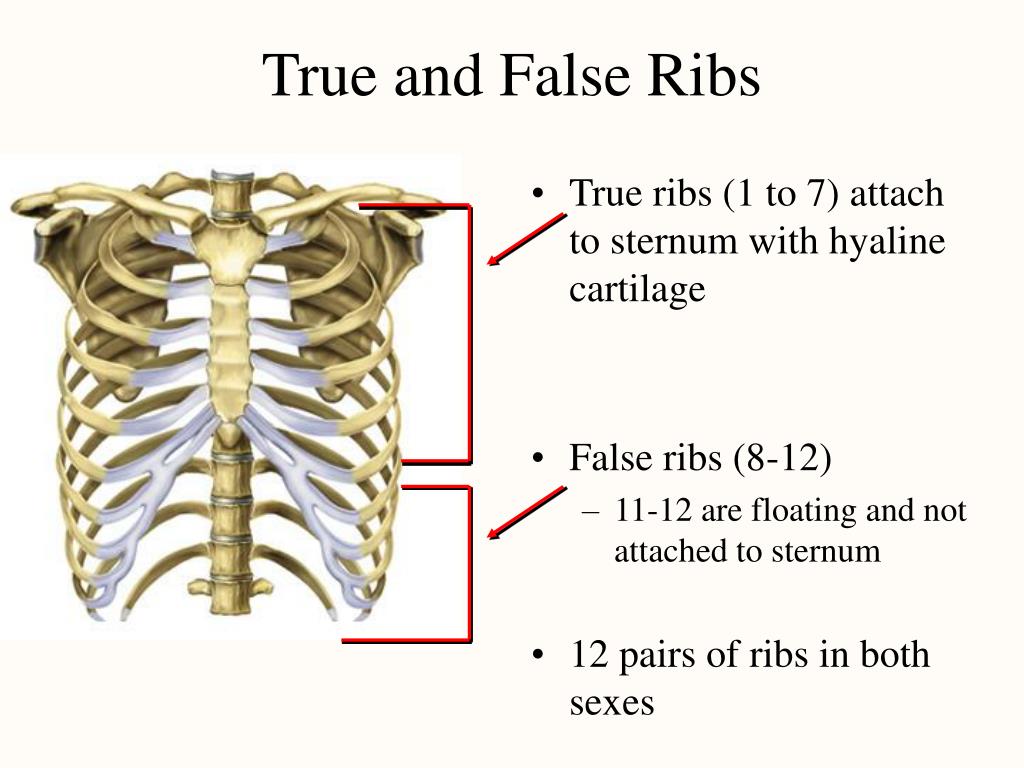
To understand why we have floating ribs, one must first understand their placement within the broader skeletal system. The human body typically possesses 12 pairs of ribs, which are categorized into three distinct groups based on their attachment to the sternum (breastbone).
- True Ribs (1–7): These ribs attach directly to the sternum via their own individual costal cartilages.
- False Ribs (8–10): These ribs do not attach directly to the sternum. Instead, their costal cartilages fuse with the cartilage of the rib above them, creating the costal margin.
- Floating Ribs (11–12): These are a sub-category of false ribs. They are called "floating" because they have no anterior (front) attachment at all. They originate at the thoracic vertebrae (T11 and T12) in the back but terminate within the muscular wall of the abdomen.
The floating ribs are typically shorter than the other ten pairs. Their distal ends are capped with a small amount of costal cartilage that tapers into the soft tissues. Because they are only anchored at one end—the spine—they possess a degree of mobility that the upper ribs lack. This anatomical independence is precisely what allows them to perform their specialized functions.
The Evolutionary Purpose: Why "Floating" Is Better
From an evolutionary perspective, the presence of floating ribs in humans and other mammals is an adaptation that favors mobility and visceral accommodation. As humans transitioned to bipedalism, the demands on the lower torso changed significantly compared to our quadrupedal ancestors.
In many quadrupedal mammals, a longer, more rigid rib cage provides a stable "suspension bridge" for the internal organs while the animal is horizontal. However, for a vertical, bipedal human, a fully enclosed rib cage extending down to the pelvis would be a massive disadvantage. If the 11th and 12th ribs were attached to the sternum, the human torso would be significantly more rigid. We would find it difficult, if not impossible, to bend sideways (lateral flexion) or rotate our spine (axial rotation) with the fluidity required for complex movements like running, climbing, or throwing.
By "shortening" the rib cage and leaving the bottom two pairs unattached, evolution provided a solution that protects the upper abdominal organs without sacrificing the range of motion in the lumbar region. This transition allows the lower thorax to act as a bridge between the rigid upper chest and the highly mobile lower back.
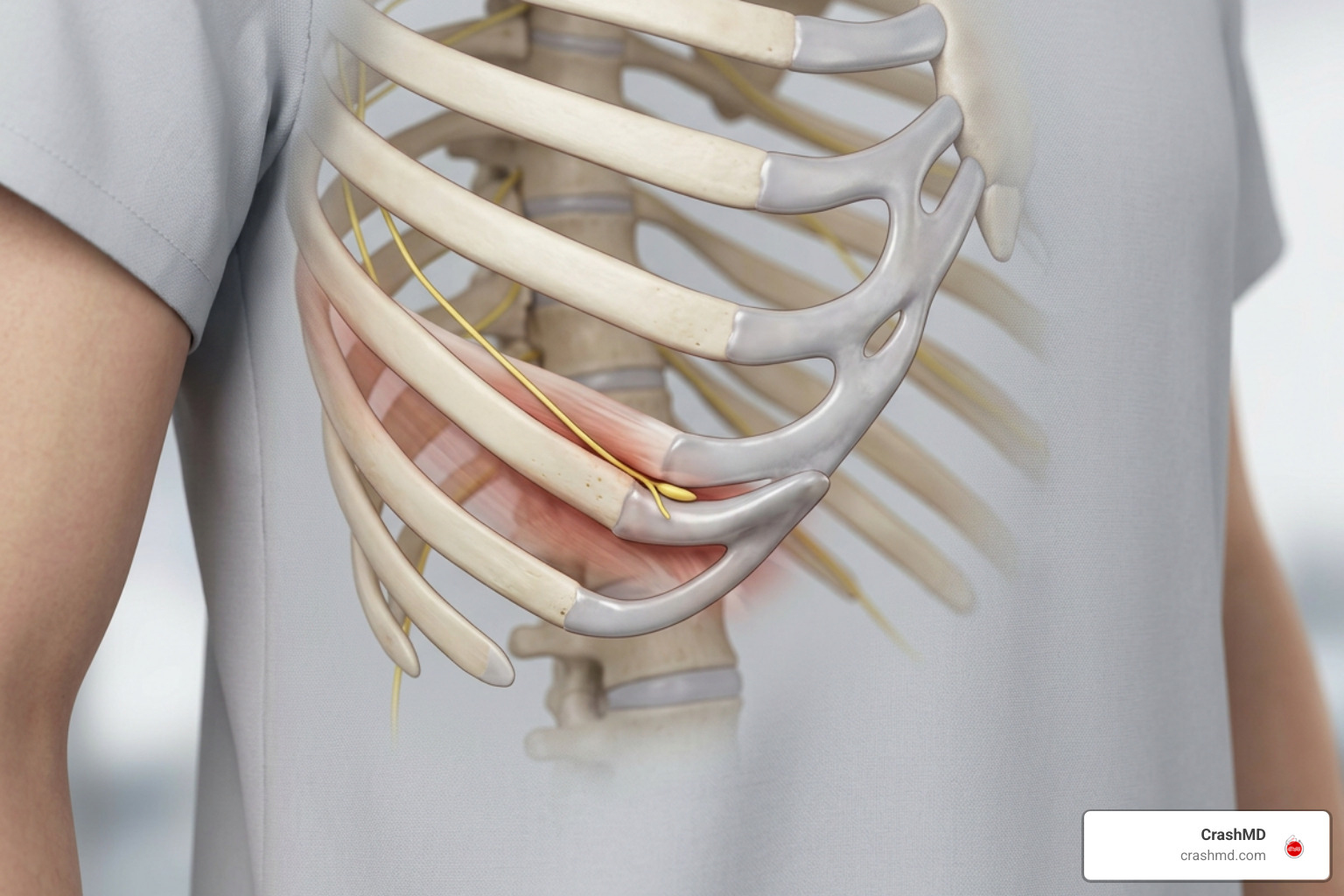
Vital Functions of the 11th and 12th Ribs
While they are often dismissed as "extra" or "evolutionary leftovers," the floating ribs perform several critical roles that are essential for daily survival and physical performance.
Protection of the Retroperitoneal Organs
The primary "job" of the floating ribs is to provide a physical shield for the kidneys. The kidneys are located in the retroperitoneal space, meaning they sit behind the abdominal cavity, tucked against the muscles of the back. Because the kidneys are positioned relatively high in the posterior abdomen, the floating ribs act as a protective "bumper."
Without these ribs, the kidneys would be much more vulnerable to blunt force trauma from the back or sides. The 11th and 12th ribs absorb and dissipate the energy of impacts that might otherwise cause renal lacerations or internal hemorrhaging.
Diaphragm and Muscular Support
The floating ribs are not just sitting idle in the muscle wall; they serve as critical attachment points for various muscles. Most notably, parts of the diaphragm—the primary muscle of respiration—attach to the internal surfaces of the lower ribs, including the floating pairs.
Additionally, several key muscles of the core and back rely on these ribs for anchorage:
- Quadratus Lumborum: This muscle helps stabilize the spine and assists in lateral bending.
- External and Internal Obliques: These abdominal muscles are essential for torso rotation and core stability.
- Latissimus Dorsi: Parts of this large back muscle interface with the lower rib cage.
By providing a stable point of origin for these muscles, the floating ribs contribute to the overall strength and structural integrity of the human "core."
Accommodating Internal Expansion
One of the most practical reasons for the "floating" nature of these bones is the need for the abdomen to expand. Unlike the heart and lungs, which stay relatively consistent in size (aside from the rhythmic expansion of breathing), the abdominal organs can change volume significantly.
During a large meal, the stomach expands upward and outward. During pregnancy, the uterus pushes the abdominal viscera upward toward the rib cage. If the lower ribs were rigidly fixed to the sternum, this expansion would be painful and physically restricted. The floating ribs can move outward and upward, essentially "giving way" to accommodate the temporary increase in abdominal volume.
Clinical Significance and Common Medical Issues
Because the floating ribs are only attached at the back, they are prone to specific clinical conditions that do not affect the upper ribs. Understanding these issues is vital for anyone experiencing unexplained lower-side or back pain.
Slipping Rib Syndrome (SRS)
Slipping Rib Syndrome occurs when the costal cartilage on the tips of the floating ribs (or the 8th, 9th, and 10th ribs) becomes hypermobile. This allows the rib to "slip" or move abnormally, often irritating the intercostal nerves that run alongside the bone. This can cause sharp, stabbing pain in the lower chest or upper abdomen. In 2026, diagnostic imaging using dynamic ultrasound has become the gold standard for identifying this condition, as static X-rays often fail to show the displacement.
Rib Fractures and Organ Injury
While the floating ribs are more flexible and thus harder to break than the middle ribs, they can still fracture under significant stress. A fracture of the 11th or 12th rib is a serious clinical finding because of the proximity to the kidneys, spleen (on the left), and liver (on the right). A displaced fracture of a floating rib can act like a spear, potentially puncturing these vital organs. Therefore, trauma to the lower back or "flank" area always requires a thorough medical evaluation.
The Myth of Rib Removal
There is a long-standing cultural myth regarding the surgical removal of floating ribs for aesthetic purposes (to achieve a smaller "hourglass" waist). While such procedures do exist in the realm of extreme plastic surgery, they are medically discouraged by the majority of thoracic surgeons. Removing these ribs eliminates the protection they provide to the kidneys and weakens the attachment points for the core musculature, potentially leading to long-term spinal instability or organ vulnerability.
Comparing the Different Rib Types
To better visualize the role of the floating ribs, the following table compares the three main types of ribs found in the human body.
| Feature | True Ribs (1–7) | False Ribs (8–10) | Floating Ribs (11–12) |
|---|---|---|---|
| Anterior Attachment | Directly to the Sternum | Indirectly (via shared cartilage) | None (ends in muscle) |
| Posterior Attachment | Thoracic Vertebrae (T1–T7) | Thoracic Vertebrae (T8–T10) | Thoracic Vertebrae (T11–T12) |
| Primary Function | Protects Heart and Lungs | Protects Upper Abdominal Organs | Protects Kidneys; Torso Mobility |
| Flexibility | Lowest (Rigid structure) | Moderate | Highest (Free-moving tips) |
| Clinical Vulnerability | Common Fractures | Cartilage Inflammation | Slipping Rib Syndrome |
How to Protect Your Floating Ribs and Core Health
Maintaining the health of the lower rib cage involves protecting the surrounding musculature and ensuring proper spinal alignment. Since these ribs are anchored to the T11 and T12 vertebrae, the health of the thoracic-lumbar junction is paramount.
- Core Strengthening: Strengthening the obliques and the quadratus lumborum provides a muscular "cushion" around the floating ribs, reducing the risk of impact injuries.
- Proper Posture: Slumping or chronic "hunched" sitting can compress the lower rib cage against the pelvis, potentially leading to nerve irritation or discomfort in the floating rib area.
- Hydration and Kidney Health: Since these ribs protect the kidneys, it is equally important to care for the organs themselves. High-impact sports participants should always wear appropriate flank protection to prevent the ribs from being driven into the kidneys.
Professional-Advice Limitation
The information provided in this article is for educational purposes only and does not constitute medical advice, diagnosis, or treatment. Always seek the advice of a physician or other qualified health provider with any questions you may have regarding a medical condition or physical pain. Never disregard professional medical advice or delay in seeking it because of something you have read here.
Frequently Asked Questions
Can you live without your floating ribs?
Yes, it is possible to live without floating ribs. They are sometimes removed during surgery for bone grafting in other parts of the body or in rare cases of severe Slipping Rib Syndrome that does not respond to other treatments. However, removal increases the risk of injury to the kidneys and can alter the mechanics of certain core muscles.
Why do my floating ribs hurt when I breathe deeply?
Pain in the floating rib area during deep inhalation often points to an issue with the diaphragm or the intercostal muscles. Since the diaphragm attaches to these ribs, any strain in that muscle can feel like rib pain. Alternatively, it may indicate "pleurisy" (inflammation of the lung lining) or a minor misalignment where the rib meets the spine.
Are floating ribs more common in women than men?
No, the number of ribs is typically the same regardless of biological sex. Most humans, regardless of gender, have 12 pairs of ribs. The myth that men have one less rib than women (stemming from religious narratives) has no basis in human anatomy.
What should I do if I feel a "pop" in my lower ribs?
A "popping" or "clicking" sensation in the lower rib cage is a classic symptom of Slipping Rib Syndrome. This occurs when the cartilage moves over or under an adjacent rib. If this is accompanied by pain, you should consult an orthopedic specialist or a physical therapist who specializes in thoracic wall mechanics.
Do all mammals have floating ribs?
Most mammals have a variation of floating ribs, though the number varies by species. For example, dogs typically have 13 pairs of ribs, with the last pair being floating. The presence of these ribs is a consistent evolutionary trait across many species to facilitate breathing and movement.
Recommendation for Next Actions
If you are researching floating ribs due to persistent discomfort in your lower back or side, your first step should be to monitor the specific movements that trigger the pain. Does it happen when twisting, coughing, or sitting? Documenting these triggers will be invaluable for a healthcare professional.
For those interested in fitness, focusing on "diaphragmatic breathing" and "lateral core stability" can help ensure that the muscles surrounding your floating ribs are functioning optimally, providing the best possible support for these unique and vital bones.
Image Gallery
Select an image to open it in a new tab.
Vivian Cho
Executive IT and Emerging Technologies Reporter
