Comprehensive Guide to Debit Card Coverage: Protections, Liabilities, and Security Limits
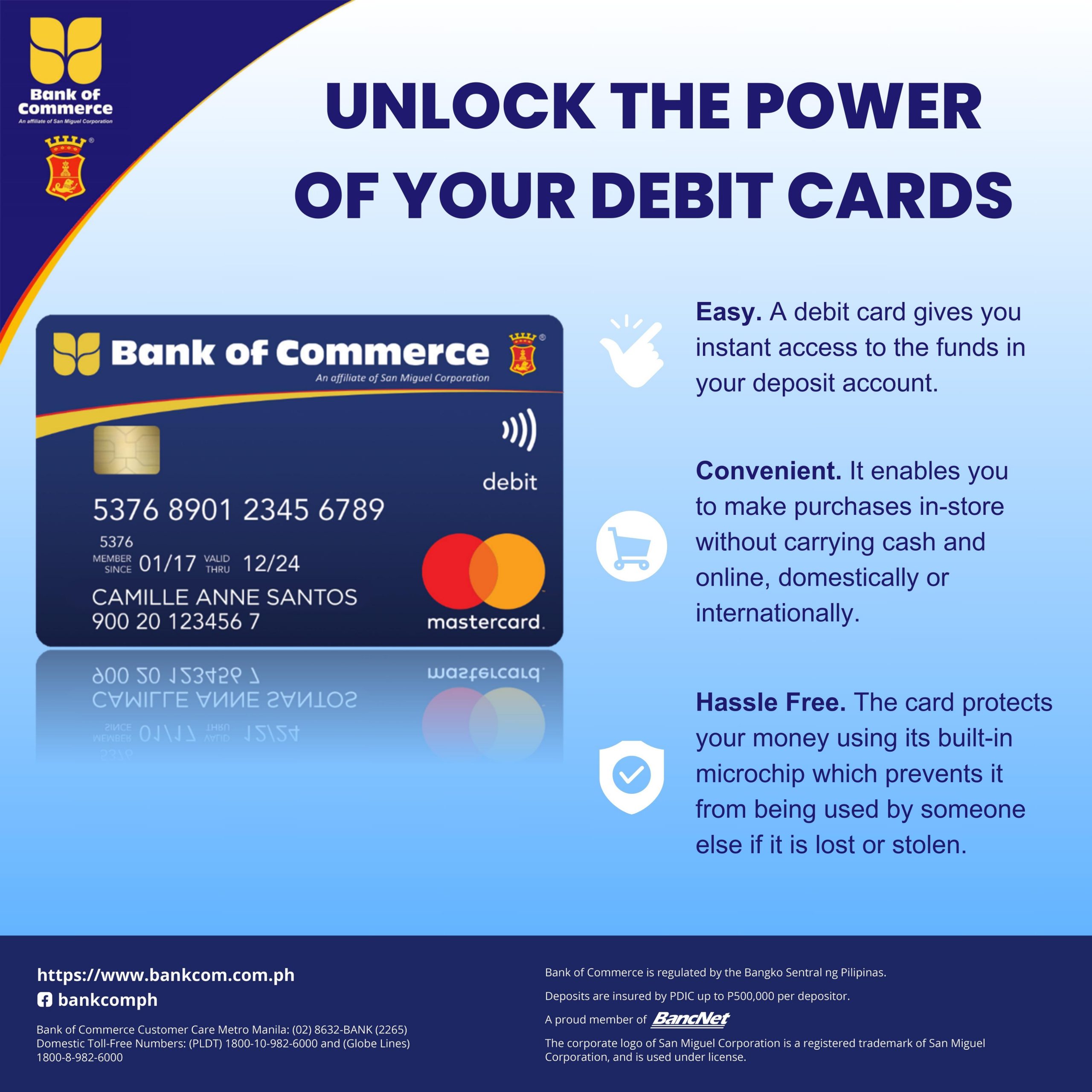
Debit card coverage refers to the various consumer protections, fraud liabilities, overdraft policies, and network guarantees that protect cardholders when they make purchases, withdraw cash, or store funds in a linked checking account. Unlike credit cards, which rely on revolving lines of credit regulated by distinct legal frameworks, debit cards tap directly into a consumer’s liquid bank balance, making clear knowledge of coverage terms essential for safeguarding personal finances.
Navigating the landscape of debit card coverage requires understanding how federal laws, banking agreements, and payment network rules intersect. Whether you are dealing with unauthorized point-of-sale transactions, lost or stolen cards, disputed merchant charges, or account overdrafts, the scope of your financial protection depends on prompt reporting, the specific network logo on your card, and the institution that issued the account.
The Legal Framework of Debit Card Liability
Consumer protection for debit cards in the United States is anchored primarily by the Electronic Fund Transfer Act (EFTA), implemented via Regulation E. This federal regulation establishes the foundational baseline for consumer liability when unauthorized electronic fund transfers occur, setting clear rules that all federally insured banks and credit unions must follow.
Unlike credit cards, which are governed by the Truth in Lending Act and generally limit consumer liability for unauthorized charges to a flat $50, debit card liability scales according to how quickly the cardholder reports the loss or theft.
Regulation E Liability Tiers
Understanding the timing of your notification to your financial institution is critical to minimizing financial loss:
- Notification Within Two Business Days: If you notify your bank within two business days after learning about the loss or theft of your debit card, your maximum liability for unauthorized transactions is capped at $50.
- Notification After Two Business Days But Within 60 Days: If you fail to notify the bank within two business days of learning of the loss or theft, but report it within 60 calendar days after the transmittal of the periodic statement showing unauthorized transfers, your liability can jump to $500.
- Notification After 60 Days: If you fail to report an unauthorized electronic fund transfer within 60 days after the transmittal of the bank statement showing the unauthorized activity, you risk suffering unlimited financial loss. You could lose all the money in your checking account, as well as any linked overdraft protection line of credit.
Zero Liability Protections from Major Networks
In addition to federal baselines established by Regulation E, major payment networks such as Visa and Mastercard enforce their own "Zero Liability" policies. These network rules typically protect cardholders from bearing any financial responsibility for unauthorized purchases made in-store, online, or over the phone, provided the cardholder was not grossly negligent or fraudulent in handling the card.
However, it is vital to distinguish between network policies and statutory law. While network zero-liability rules offer a vital layer of extra security, they are contractual agreements enforced by card issuers and networks rather than direct federal statutes. Consumers should review their specific bank's deposit agreement to confirm how network policies apply to their accounts.
Overdraft Coverage and Opt-In Rules
One of the most consequential aspects of debit card coverage involves how banks handle transactions that exceed your available checking account balance. Under federal regulations introduced by the Federal Reserve, banks cannot automatically enroll consumers in standard overdraft coverage services for everyday debit card transactions and ATM withdrawals without explicit consent.
Overdraft Protection vs. Standard Overdraft Services
- Standard Overdraft Coverage: If you attempt to make a debit card purchase or withdraw cash from an ATM and your account balance is insufficient, the bank may choose to pay the transaction anyway, assessing a fixed overdraft fee (often ranging from $30 to $38 per transaction). Under current regulations, you must affirmatively opt in to this service for debit and ATM transactions. If you do not opt in, the transaction is simply declined at the register or ATM free of charge.
- Overdraft Protection Transfers: This is an optional service where you link your checking account to a secondary account—such as a savings account, a credit card, or a designated line of credit—to automatically cover shortfalls. While these transfers may incur a lower transfer fee or modest interest charges, they prevent declined transactions without relying on high courtesy-pay overdraft fees.
Regulatory Guidance on Multiple Overdraft Fees
Financial regulators, including the Consumer Financial Protection Bureau (CFPB), monitor bank overdraft practices closely. Recent supervisory guidance and proposed rules target abusive or unexpected fees, such as "non-sufficient funds" (NSF) fees charged on transactions that were declined immediately or multiple fees assessed on the same re-presented transaction. Consumers should carefully evaluate their bank’s fee schedule to avoid accumulating high costs during periods of tight cash flow.

Comparing Consumer Protections: Debit Cards vs. Credit Cards
Choosing how to pay at checkout involves weighing convenience against the strength of consumer protection. While debit cards draw directly from your own bank account, credit cards utilize lender funds, fundamentally altering the mechanisms for fraud recovery and dispute resolution.
| Feature | Debit Card Coverage | Credit Card Coverage |
|---|---|---|
| Governing Law | Electronic Fund Transfer Act (Regulation E) | Truth in Lending Act (Regulation Z) |
| Maximum Liability for Loss/Theft | $50 if reported within 2 days; up to full account loss if reported after 60 days | Capped at $50 maximum by federal law (most major cards offer $0) |
| Source of Funds | Direct access to personal checking account funds | Line of credit extended by the issuing bank |
| Dispute Resolution Process | Provisional credit issued while bank investigates (can take up to 10-45 days) | Right to withhold payment during billing error disputes under the Fair Credit Billing Act |
| Cash Flow Impact | Immediate withdrawal of liquid funds | Deferred payment with a monthly grace period |
Understanding the Dispute Process
When you dispute a charge on a debit card—such as paying for goods that were never delivered or being billed twice by a merchant—you must submit a formal dispute claim to your bank. Under Regulation E, the bank generally has 10 business days to investigate (though complex international or point-of-sale investigations can extend this window up to 45 or 90 days).
During this investigation window, the bank is usually required to provide provisional credit to your account so you are not left without funds while the dispute is resolved. If the bank ultimately rules against you in the investigation, that provisional credit will be reversed, and you will be notified of the final determination.
Steps to Take When Fraud or Unauthorized Charges Occur
Swift action is your strongest defense when dealing with compromised debit card coverage. If you suspect unauthorized activity, lost your card, or notice an unfamiliar charge on your bank statement, execute the following steps immediately:
- Contact Your Bank or Credit Union Immediately: Call the customer service number listed on the back of your card or via your mobile banking application. Most institutions maintain 24/7 dedicated fraud reporting lines.
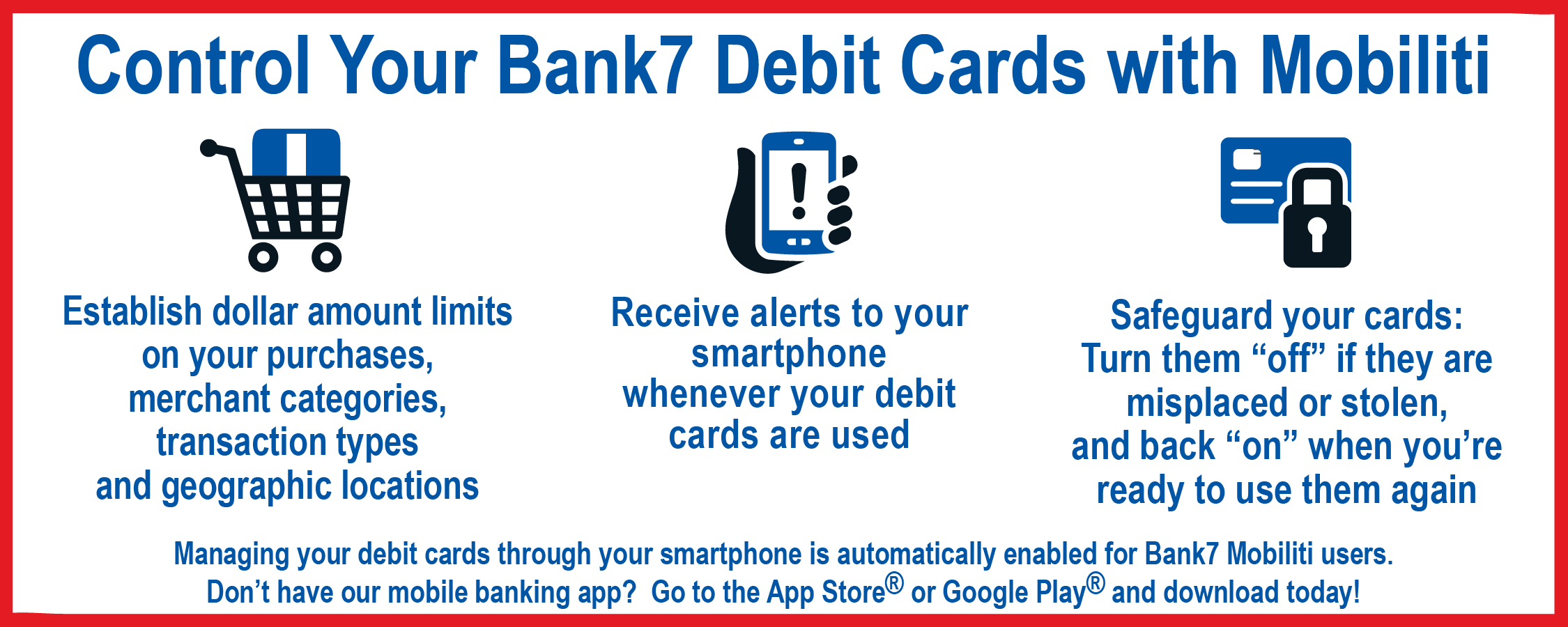
- Freeze or Lock Your Card: Use your bank’s mobile app to instantly lock or freeze the card. This prevents any further unauthorized transactions from clearing while you speak with a representative.
- Request a Card Replacement: Ask the issuer to cancel the compromised card entirely and issue a new card with a new primary account number and security CVV code.
- File a Written Confirmation: If requested by your bank, submit a written statement of unauthorized debit or completion of an error resolution form within the timeframe specified by Regulation E (typically within 10 business days).
- Update Automatic Billing Profiles: Once your replacement card arrives, remember to update recurring subscriptions, utility payments, and digital wallets with your new card details to prevent service interruptions.
Common Mistakes and Pitfalls in Debit Card Management
Navigating debit card coverage safely requires avoiding several persistent operational errors that can jeopardize your funds or weaken your legal protections under federal law.
- Ignoring Periodic Statements: Waiting months to review bank statements forfeits your legal protections under the 60-day rule of Regulation E, leaving you vulnerable to total financial loss if fraud goes unnoticed.
- Confusing Credit and Debit at Checkout: Selecting "Credit" when running a debit card at a merchant terminal routes the transaction through a signature network rather than a PIN network, but it does not convert the card into a credit card. The funds still come directly out of your checking account, and credit card dispute protections do not apply.
- Sharing PIN Numbers: Disclosing your Personal Identification Number (PIN) to family members, friends, or third parties can be classified by banks as "gross negligence," which may invalidate your fraud protection claims and leave you liable for unauthorized ATM withdrawals.
- Failing to Monitor Overdraft Opt-Ins: Automatically agreeing to bank agreements without checking overdraft preferences can result in hundreds of dollars in unexpected fees for small incidental purchases.
Frequently Asked Questions
What happens if my debit card is stolen and used online?
If your debit card number is stolen and used for unauthorized online purchases, report it to your bank immediately. Under Regulation E and major network zero-liability policies, you are protected against financial loss as long as you report the unauthorized transactions promptly. The bank will investigate, issue provisional credit, and replace your card.
Does debit card coverage protect me if a merchant goes out of business?
Unlike credit cards, which offer robust chargeback rights under the Fair Credit Billing Act for undelivered goods or services when a merchant fails, debit cards offer more limited recourse. You can still file a billing error dispute with your bank, but recovery depends heavily on the specific card network's rules and whether merchant processing funds are recoverable.
Are ATM withdrawals covered under zero-liability policies?
While network zero-liability policies generally cover unauthorized point-of-sale and online transactions, unauthorized ATM withdrawals executed with a stolen physical card and your actual PIN are treated strictly under Regulation E. If your PIN was used, the bank may investigate whether you compromised your PIN security through negligence.
How long does a bank take to resolve a debit card dispute?
Under Regulation E, banks generally have up to 10 business days to investigate a reported error or unauthorized transfer. If the investigation takes longer, the bank must credit your account provisionally while wrapping up the inquiry, which can legally take up to 45 days (or 90 days for point-of-sale or foreign transactions).
Can I opt out of debit card overdraft fees after I have already opted in?
Yes. Federal regulations allow consumers to revoke their overdraft opt-in consent for everyday debit card and ATM transactions at any time. You can submit this revocation through your bank's mobile application, customer service phone line, or written request. Once processed, future transactions exceeding your balance will be declined without fee assessments.
Next Actions and Practical Guidance
Protecting your finances through proper debit card management requires ongoing vigilance. Begin by logging into your online banking portal today to verify your current overdraft preferences, ensuring you are not unnecessarily opted into high-fee courtesy coverage for everyday purchases. Next, set up real-time transaction alerts via SMS or push notifications for all card activity exceeding a low threshold (such as $1.00) or for any international transactions. Finally, save your bank’s 24/7 emergency fraud reporting telephone number in your mobile contacts so you can act instantly if your card is lost, stolen, or compromised.
Image Gallery
Select an image to open it in a new tab.






Simon Caldwell
Enterprise Technology and Systems Editor
