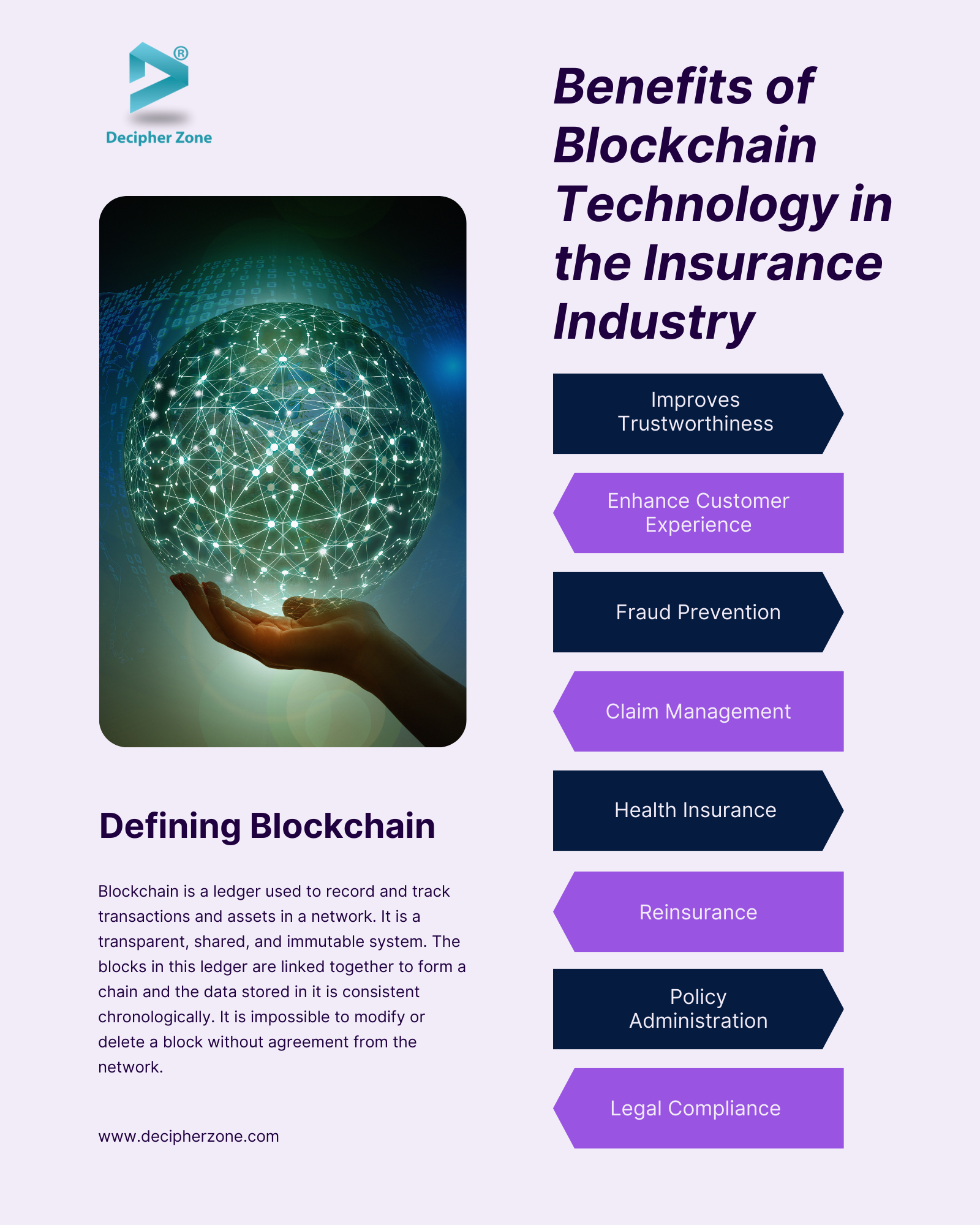
Blockchain life insurance operates by encoding policy terms into self-executing smart contracts on a decentralized ledger. It eliminates manual claims processing by using digital "oracles" to verify death records from official databases. This triggers an immediate, automated payout to beneficiaries, ensuring transparency, security, and significantly reduced administrative overhead.
The traditional life insurance industry has long been characterized by manual paperwork, slow claims processing, and a lack of transparency between the insurer and the policyholder. As of 2026, blockchain technology has moved from a theoretical concept to a foundational layer for many modern insurance providers. By shifting the architecture of insurance from centralized databases to decentralized ledgers, the industry has solved several historical "pain points," particularly regarding the speed of payouts and the verification of death benefits.
The Architectural Core: Decentralized Ledgers and Smart Contracts
To understand how blockchain life insurance works, one must first look at the underlying infrastructure. Unlike a traditional insurance company that stores its data in a private, siloed database, a blockchain-based insurer utilizes a shared, immutable ledger.
The Role of Immutability
In a standard insurance relationship, the "source of truth" is the insurance company's internal server. If there is a dispute over the terms of the policy or the timing of a premium payment, the policyholder is often at a disadvantage, relying on the company’s internal records. In a blockchain environment, the policy is recorded as a transaction on a ledger that cannot be altered retroactively without the consensus of the network. This immutability ensures that once a policy is issued, its terms—including the payout amount, beneficiaries, and conditions—are locked in a tamper-proof state.
Smart Contracts as the Policy Engine
The most transformative element is the smart contract. A smart contract is not a legal document in the traditional sense, but a piece of code that executes automatically when certain conditions are met. In the context of life insurance, the smart contract replaces the claims department.
When a policy is purchased, the rules of the agreement are written into the contract code. For example: "IF the insured is confirmed deceased by the Social Security Administration's Death Master File, THEN transfer 500,000 USDC to the beneficiary’s wallet address." This automation removes the need for a beneficiary to file a complex series of forms and wait weeks for a human adjuster to review the case.
The Critical Role of Oracles and Data Feeds
A blockchain is a closed system; it cannot "see" what is happening in the physical world on its own. To bridge this gap, blockchain life insurance relies on oracles. Oracles are third-party services that feed external data—such as government death registries, hospital records, or obituary databases—into the smart contract.
In 2026, the reliability of these oracles is governed by strict protocols. Many insurers use a "consensus oracle" model, where the smart contract requires confirmation from multiple independent sources (e.g., a state health department and a funeral home registry) before triggering a payout. This redundancy prevents a single point of failure and protects against "false positives" where a payout might be triggered by a clerical error in a single database.
Verified Data Sources
- Government Registries: National or regional databases that record vital statistics.
- Healthcare Providers: Encrypted data feeds from hospitals that confirm the time and cause of death.
- Public Records: Digitized legal notices and court filings.
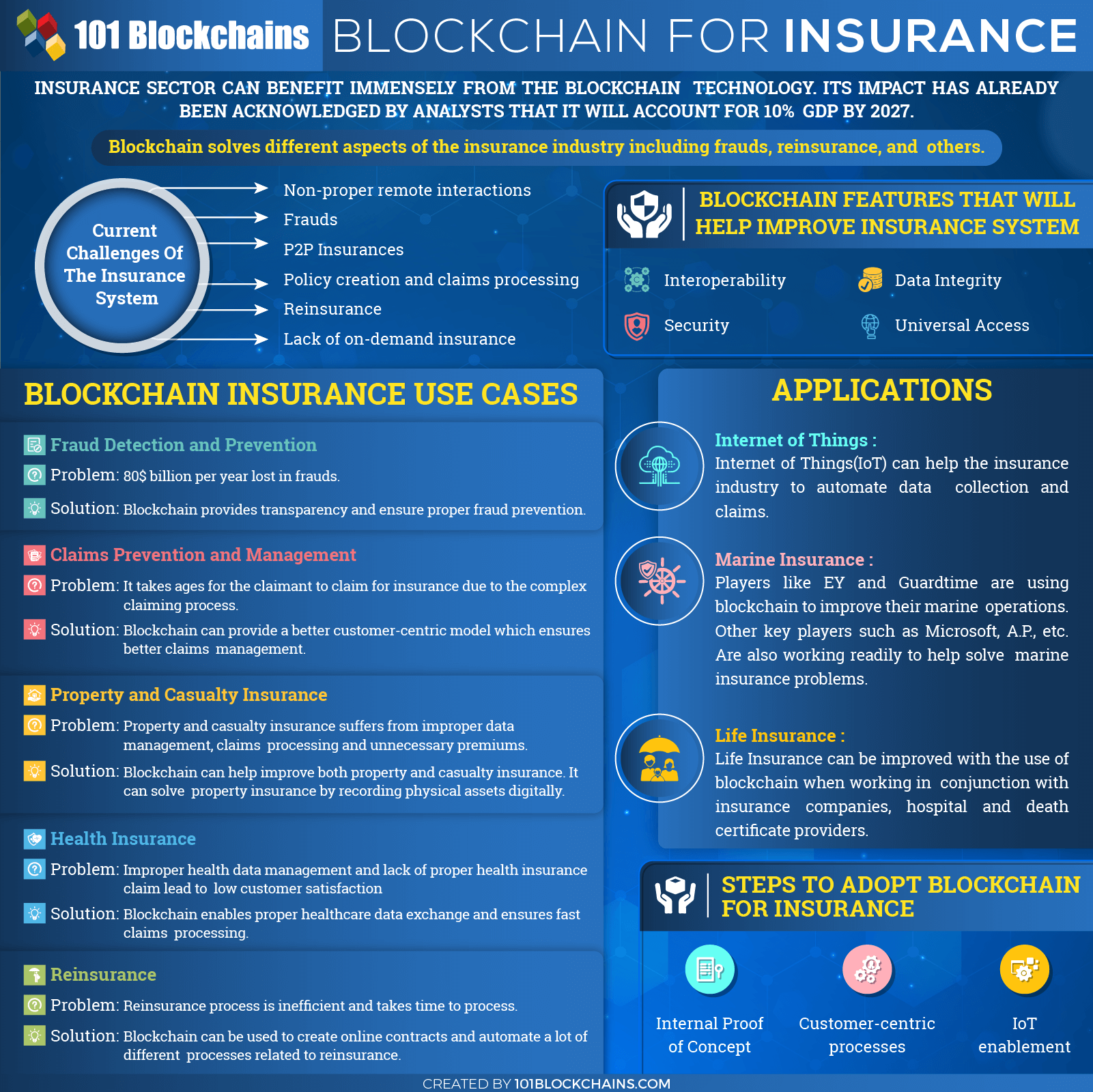
The Lifecycle of a Blockchain Life Insurance Policy
The operational flow of a blockchain-integrated policy differs significantly from the legacy model, beginning with the application and ending with an automated settlement.
1. Onboarding and Underwriting
In 2026, underwriting has become more precise through the use of Decentralized Identifiers (DIDs). A prospective policyholder can grant the insurer temporary, encrypted access to their health records via a blockchain. This allows the insurer’s algorithm to assess risk without ever actually "owning" or storing the sensitive medical data, which drastically improves privacy and reduces the insurer’s liability in the event of a data breach.
2. Premium Payments and Maintenance
Premiums are typically paid using stablecoins or Central Bank Digital Currencies (CBDCs). These payments are recorded on the ledger, providing an indisputable record of the policy’s active status. If a payment is missed, the smart contract can automatically trigger a grace period notification or, eventually, a policy lapse according to the pre-coded terms.
3. Claim Triggering and Verification
In the event of the insured's passing, the oracle network detects the update in official records. This information is pushed to the smart contract. Because the "proof of death" is verified cryptographically by the oracle, there is no need for the beneficiary to search for the original paper policy or even contact the insurance company in many cases.
4. Automated Payout
Once the conditions are verified, the smart contract executes the transfer of funds. The money moves from the insurer’s escrow or liquidity pool directly to the beneficiary's digital wallet. This process, which used to take 30 to 60 days, can now be completed in minutes or hours.
Comparing Traditional vs. Blockchain Life Insurance
| Feature | Traditional Life Insurance | Blockchain Life Insurance (2026) |
|---|---|---|
| Claim Process | Manual filing, physical documentation | Automated, triggered by oracles |
| Payout Speed | 30 to 90 days on average | Near-instant to 48 hours |
| Transparency | Low; terms stored in private silos | High; terms visible on-chain |
| Administrative Cost | High (brokers, adjusters, paperwork) | Low (automated by smart contracts) |
| Data Privacy | Insurer stores all personal data | Policyholder controls data via DIDs |
| Risk of Fraud | Higher (manual document forgery) | Lower (cryptographic verification) |
Privacy and Regulatory Compliance in 2026
A common concern with blockchain is the public nature of the ledger. However, modern blockchain life insurance uses Zero-Knowledge Proofs (ZKPs) to maintain confidentiality. ZKPs allow the system to verify that a condition is true (e.g., "The insured has passed away" or "The insured is a non-smoker") without revealing the underlying sensitive data to the entire network.
Compliance with Global Standards
Insurance is one of the most heavily regulated industries in the world. In 2026, blockchain insurers must comply with evolving frameworks from bodies like the International Association of Insurance Supervisors (IAIS). These regulations ensure that smart contracts are audited for security vulnerabilities and that there is always a "kill switch" or a legal recourse mechanism if a smart contract malfunctions.
Furthermore, jurisdictions like the European Union have integrated blockchain-specific clauses into their data protection laws, ensuring that the "Right to be Forgotten" can coexist with the immutable nature of a blockchain through the use of off-chain data storage and on-chain hashing.
Benefits for the Insurer and the Beneficiary
The transition to blockchain provides a symbiotic benefit for both the provider and the customer.
For the Beneficiary: Financial Certainty
The greatest burden for beneficiaries is often the financial strain during a period of grief. Blockchain life insurance ensures that the "death benefit" is actually a benefit, providing immediate liquidity for funeral expenses or debt obligations without the administrative hurdle of proving the death to a skeptical insurer.
For the Insurer: Operational Efficiency
Insurers spend billions of dollars annually on "lost policy" searches and claims processing. By using a blockchain, the insurer reduces the need for a massive claims department. Additionally, the risk of "double-dipping" or fraudulent claims is nearly eliminated because the ledger provides a single, verifiable history of the policy.
Potential Challenges and Risks
Despite the advancements seen by 2026, blockchain life insurance is not without its hurdles.
- The Oracle Problem: If a government death registry contains an error, the smart contract will execute based on that error. While multi-signature oracles mitigate this, a systemic failure in data reporting remains a risk.
- Smart Contract Vulnerability: Like any software, smart contracts can have bugs. An error in the code could lead to funds being locked or sent to the wrong address. Rigorous auditing by firms specializing in blockchain security is mandatory.
- Digital Divide: Beneficiaries must be capable of managing a digital wallet or interacting with the blockchain interface. For older generations or those in areas with poor digital infrastructure, this remains a barrier to entry.
Frequently Asked Questions
What happens if the insurance company goes out of business?
In a decentralized insurance model, the funds for payouts are often held in an audited, on-chain escrow or a "solvency pool" that is independent of the company's daily operating expenses. Because the contract is on a public or consortium blockchain, the obligation to pay remains visible and, in some cases, can be fulfilled automatically even if the originating company ceases operations.
Do I need to be a tech expert to use blockchain life insurance?
No. In 2026, the "blockchain" part is mostly the backend infrastructure. For the consumer, the interface looks like a standard mobile app or website. You pay your premiums in currency, and your beneficiaries receive funds in a way that can be easily converted back to traditional bank deposits.
Is the payout taxable if it comes through a smart contract?
The tax treatment of life insurance benefits generally remains the same regardless of the technology used. In most jurisdictions, death benefits are not considered taxable income for the beneficiary. However, the use of stablecoins or digital assets for the payout may require specific reporting under 2026 tax guidelines.
Can a smart contract be changed after the policy starts?
Standard blockchain policies are "immutable," meaning the core terms cannot be changed. However, most policies include "upgradeable" contract features that allow for administrative updates (like changing a beneficiary or updating a phone number) if both the insurer and the policyholder provide a digital signature.
What if the beneficiary loses their digital wallet access?
Most modern blockchain insurance platforms utilize "Social Recovery" wallets or "Dead Man's Switches." If a beneficiary loses their keys, a pre-designated group of trusted individuals or a legal entity can verify their identity and help them regain access to the funds, similar to a modern password recovery process but with higher security.
Summary and Next Actions
Blockchain life insurance represents a shift from a "trust me" model to a "verify me" model. By automating the most painful parts of the insurance lifecycle—claims and payouts—it provides a level of efficiency and transparency that was previously impossible.
If you are considering a blockchain-based policy in 2026:
- Verify the Oracle Sources: Ask the provider which data feeds trigger their smart contracts.
- Audit the Contract: Ensure the provider's smart contracts have been audited by a reputable third-party security firm.
- Check Regulatory Status: Confirm that the insurer is licensed to operate in your specific jurisdiction, as blockchain doesn't exempt them from state or national insurance laws.
- Prepare your Beneficiaries: Ensure your loved ones understand how to access the digital payout when the time comes.
Image Gallery
Select an image to open it in a new tab.





Declan O'Connor
Higher Education and Campus Culture Reporter
