Auto insurance for a 16-year-old is exceptionally expensive primarily because teenage drivers lack driving experience, possess undeveloped risk-assessment skills, and statistically have the highest crash rates of any age group, causing insurance companies to offset this immense statistical liability with very high premiums.
When a teenager reaches the age of 16 and receives their driver's license, families often experience a profound financial shock. Adding a brand-new, inexperienced driver to an existing auto insurance policy can cause monthly or annual premiums to skyrocket, sometimes doubling or even tripling the total cost of coverage. Understanding why auto insurance for 16-year-olds is so pricey requires looking past arbitrary rate hikes and examining the hard actuarial data, legal realities, and behavioral science that govern the property-and-casualty insurance industry.
Insurance is fundamentally a business built on risk management and probability. When underwriters calculate a rate, they are attempting to predict the likelihood that a policyholder will file a claim and how expensive that claim will be. For a 16-year-old motorist, every available metric points to a high probability of costly accidents. By breaking down the specific risk factors, vehicle dynamics, financial structures, and mitigation strategies, policyholders can better navigate this notoriously expensive milestone in a young driver's life.
The Actuarial Reality of Inexperience and Crash Statistics
The single greatest driver of high insurance costs for 16-year-olds is a total lack of behind-the-wheel experience. According to data tracked by the Centers for Disease Control and Prevention, the crash rate per mile driven is nearly three times as high for drivers aged 16 to 19 as it is for drivers aged 20 and older.
When an adolescent first takes to the road, they have not yet developed the automatic muscle memory and split-second pattern recognition that seasoned drivers rely on to avoid collisions. A seasoned motorist subconsciously scans intersections, predicts the behavior of surrounding traffic, and reacts to changing weather conditions smoothly. A 16-year-old is processing all of these environmental stimuli consciously for the first time. This cognitive overload directly translates into delayed reaction times, improper braking, and failure to yield right-of-way.
Furthermore, insurance is a collective pool. Premiums paid by low-risk drivers subsidize the payouts for high-risk drivers. Because 16-year-olds statistically form the highest-risk segment of the driving population, insurance carriers must charge significantly more upfront to ensure they have adequate capital reserves to cover potential multi-vehicle accidents, injuries, and property damage caused by teenage policyholders.
Developmental Psychology and Risk-Taking Behaviors
Beyond mere lack of practice, the human brain undergoes substantial structural and functional development throughout adolescence, particularly in areas governing impulse control, long-term planning, and risk evaluation.
Neuroscientific research indicates that the prefrontal cortex—the region of the brain responsible for weighing consequences and inhibiting impulsive behavior—does not fully mature until a person reaches their mid-twenties. At age 16, the brain's reward center is highly active, often overriding caution in favor of sensation-seeking behavior.
Insurers factor these neurological realities into their underwriting algorithms, often pointing to specific behavioral risk multipliers that elevate teenage claims:
- Peer Pressure and Passenger Distractions: Studies consistently show that the presence of teenage passengers significantly increases the risk of a crash for a 16-year-old driver. The distraction level multiplies with each additional peer in the vehicle.
- Electronic and Smartphone Distractions: Despite widespread legal bans on handheld device usage for minor drivers, teenagers remain statistically vulnerable to digital distractions, including texting, social media navigation, and streaming media while driving.
- Nighttime and Weekend Driving: The most severe accidents involving 16-year-olds disproportionately occur during late-night hours and weekends, when fatigue, reduced visibility, and lowered inhibitions intersect.
- Overestimation of Ability: Inexperience often breeds a false sense of security. A 16-year-old may believe they can handle high speeds or adverse weather conditions just as well as an adult, leading to dangerous maneuvers.
The Financial Mechanics of Adding a Minor to a Policy
From a logistical standpoint, insurers generally require that all licensed drivers living in a household be listed on the household's auto insurance policy. Because a 16-year-old typically does not own a home, hold independent credit history, or possess an independent financial track record, they cannot easily purchase a standalone policy at an affordable rate. Instead, they must be added as a rated driver to an existing family policy.
This addition expands the liability exposure of the entire household. If a parent carries high liability limits to protect their home and savings, adding a high-risk 16-year-old to that policy means the insurer is now extending those high-limit protections to a driver with a maximum statistical probability of causing a catastrophic claim.
Insurance companies use rating territories, vehicle classifications, and driver assignments to distribute this cost. If the family owns multiple vehicles, the insurer will typically assign the 16-year-old to the vehicle with the highest risk profile or distribute the surcharge evenly across the household fleet, resulting in an immediate, sharp spike in the billing statements.
Vehicle Selection and Its Impact on Teen Premiums
The type of car a 16-year-old drives plays a massive role in determining the price of insurance. Insurers evaluate vehicles based on their safety ratings, repair costs, engine size, and overall weight.
Many well-meaning parents make the mistake of purchasing a brand-new car or a sporty vehicle for their 16-year-old, not realizing that this decision triggers the highest possible insurance brackets. A brand-new car features expensive electronics, specialized body panels, and advanced sensors that cost thousands of dollars to calibrate and repair after even a minor fender-bender. Consequently, comprehensive and collision coverage premiums skyrocket.
Conversely, older, heavier, mid-sized sedans or SUVs with top-tier crash-test ratings from organizations like the Insurance Institute for Highway Safety are far cheaper to insure. These vehicles absorb kinetic energy effectively in a crash, protecting the teenage occupant while presenting lower replacement and repair costs for the insurance carrier.
| Vehicle Category | Typical Safety Rating | Repair & Replacement Cost | Impact on Teen Insurance Premium |
|---|---|---|---|
| New Sports Cars / Coupes | Variable / High Speed Risk | Extremely High | Severe Surcharge / Often Prohibitive |
| Brand-New Compact Sedans | High | Moderate to High | High Due to Parts Costs and Theft Rates |
| Used Mid-Sized Sedans | Good to Excellent | Moderate | Moderate (Optimal Balance for Cost) |
| Older, Heavy SUVs | Moderate to Good | Low to Moderate | Favorable for Liability, Moderate for Rollover Risk |
Practical Strategies to Lower 16-Year-Old Insurance Costs
While auto insurance for a 16-year-old is invariably expensive, families are not entirely powerless. Insurance providers offer a variety of discounts and structural adjustments that can help soften the financial blow. Utilizing these methods requires proactive management and consistent oversight of the young driver's habits and academic performance.
Good Student Discounts
Most major insurance carriers offer substantial discounts—often ranging from 10% to 25%—for teenage drivers who maintain a B average or a 3.0 GPA (or rank in the upper portion of their class). Insurers view academic diligence as a proxy for maturity, responsibility, and lower risk aversion behind the wheel.
Telematics and Usage-Based Insurance
Modern insurance companies frequently offer mobile apps or plug-in tracking devices (telematics) that monitor driving habits in real-time. These programs track speed, rapid acceleration, hard braking, cornering, and smartphone usage while driving. While a poor driving score can raise rates, a 16-year-old who demonstrates safe, cautious habits can earn significant discounts.
Graduated Driver Licensing (GDL) Compliance
States enforce Graduated Driver Licensing laws to ease teenagers into driving by restricting nighttime driving and limiting the number of passengers. Adhering strictly to these laws keeps the teen legal, prevents costly citations that spike insurance rates, and builds safe foundational habits.
Higher Deductibles and Strategic Coverage Adjustments
If the 16-year-old is driving an older, paid-off car that has depreciated significantly, families can consider dropping comprehensive and collision coverage entirely. If the vehicle's market value is lower than the cost of premiums plus the deductible over a couple of years, carrying physical damage coverage is financially inefficient. Raising collision and comprehensive deductibles from $500 to $1,000 can also lower the immediate premium.
Frequently Asked Questions
Why does my insurance double just by adding my 16-year-old?
Insurance rates double or triple because pricing is risk-based. Statistically, 16-year-olds have the highest accident rates of any demographic due to inexperience and developing risk assessment skills. Insurers charge higher premiums to offset the massive statistical likelihood that a minor will file a costly claim.
Is it cheaper to put a 16-year-old on their own separate insurance policy?
In most cases, no. Minors generally cannot legally enter into binding contracts in many jurisdictions, making it difficult or impossible for them to purchase a standalone policy without an adult cosigner. Furthermore, standalone policies for teenage drivers without an established credit history or driving record are astronomically expensive compared to adding them as a rated driver on an established family policy.
Do good grades actually lower a teenager's car insurance?
Yes. Most major insurance providers offer a "Good Student Discount" that can reduce a teen's portion of the premium by 10% to 25%. Insurers correlate academic success and disciplined study habits with lower risk-taking behavior on the road.
Does the make and model of the car affect a teen's insurance rate?
Dramatically so. Insuring a brand-new car, a sports car, or a vehicle with expensive aluminum body panels and advanced sensors costs far more than insuring a safe, reliable, used mid-sized sedan. High horsepower and expensive repair parts trigger steep surcharges for young drivers.
How long will a 16-year-old's insurance remain this expensive?
Insurance rates for young drivers typically begin to taper off around age 19 or 20, provided they maintain a clean driving record free of at-fault accidents and speeding tickets. Rates generally decrease more significantly once the driver turns 25, when actuarial tables show a stabilization in maturity and risk evaluation.
Next Steps for Parents and Young Drivers
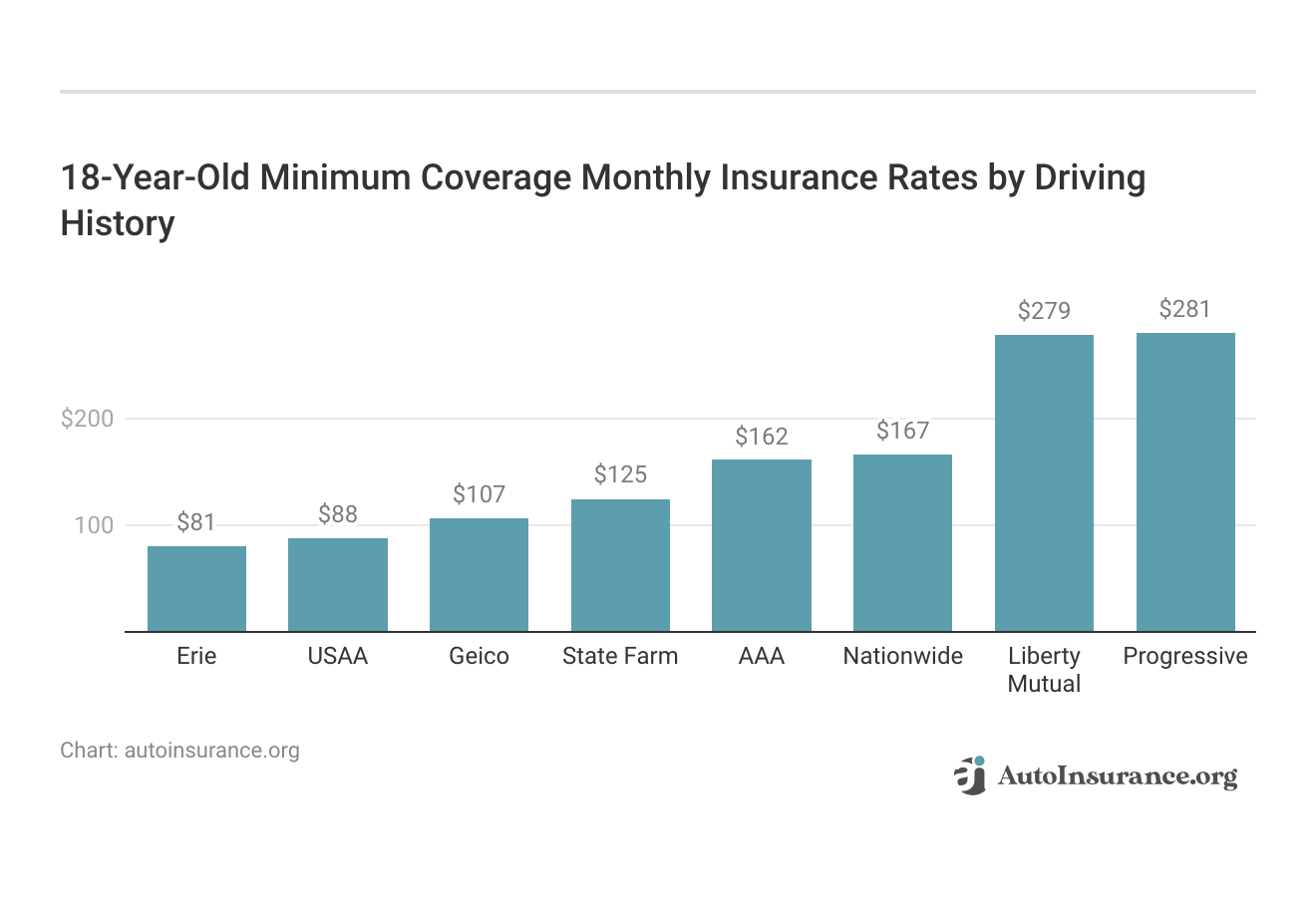
Navigating the financial hurdle of insuring a 16-year-old requires advance planning before the teen even gets behind the wheel. Families should shop around and obtain quotes from multiple insurance carriers before purchasing a vehicle for their teenager. Comparing rates across different providers can reveal significant variances in how different companies price youthful drivers. Additionally, integrating defensive driving courses approved by the Department of Motor Vehicles can unlock further discounts while instilling vital safety techniques that protect new drivers on the road.
Image Gallery
Select an image to open it in a new tab.

Declan O'Connor
Higher Education and Campus Culture Reporter
