Alcoholic Seizures Are Not the Same as Alcohol Withdrawal Seizures: Clinical Differences Explained
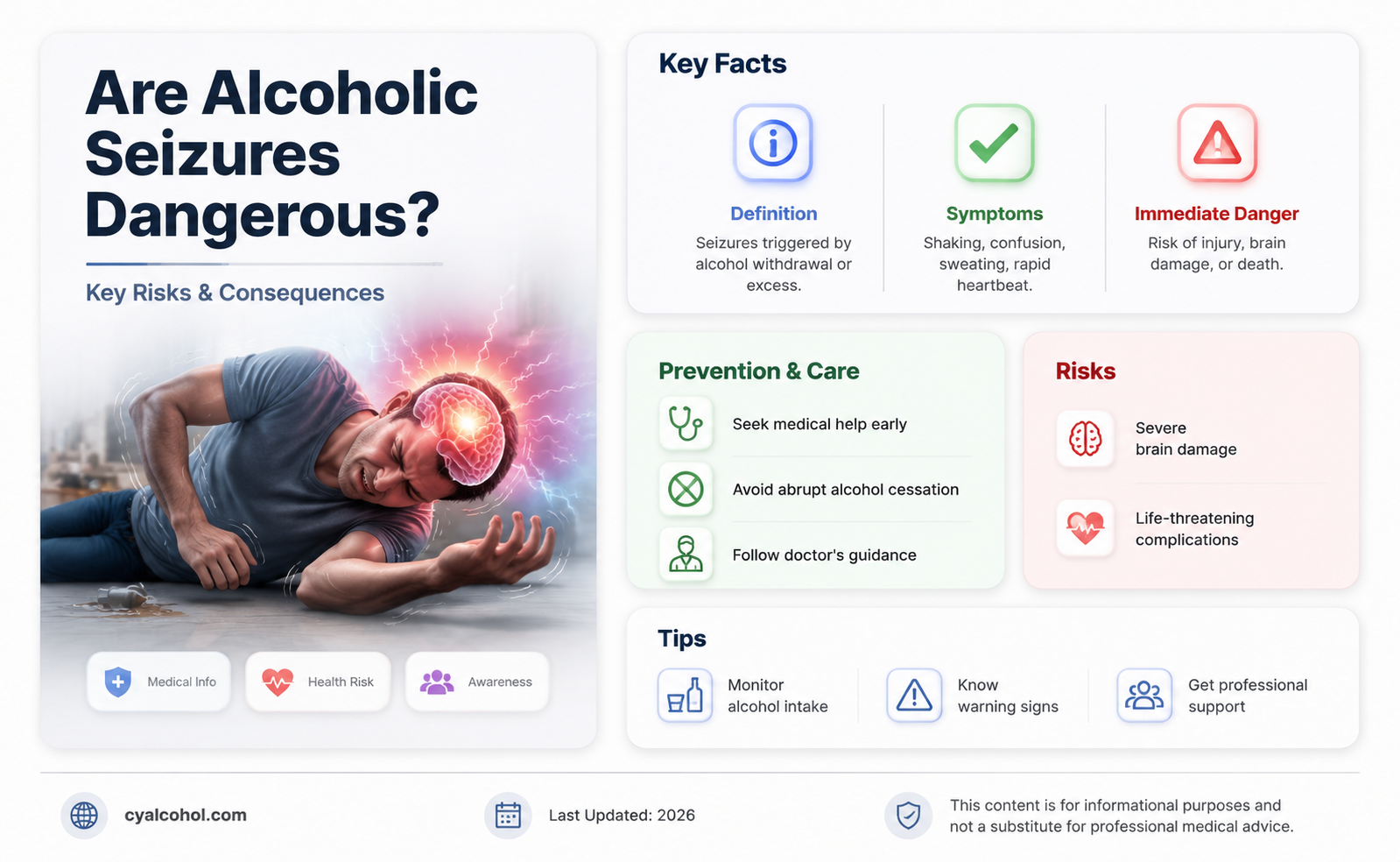
While the terms are often used interchangeably in casual conversation, alcoholic seizures and alcohol withdrawal seizures represent distinct medical phenomena with different underlying causes, onset timelines, and clinical management strategies. Alcohol withdrawal seizures stem from central nervous system hyperexcitability following the abrupt reduction or cessation of chronic drinking. Conversely, alcoholic seizures encompass direct ethanol toxicity, metabolic imbalances, alcohol-induced head trauma, or underlying epilepsy triggered during active alcohol consumption.
Medical Disclaimer: The information in this article is provided for educational purposes only and should not be used as a substitute for professional medical advice, diagnosis, or treatment. Alcohol withdrawal and seizure activity are life-threatening medical emergencies requiring immediate clinical evaluation.
Defining the Terminology: Alcohol-Related Seizures vs. Withdrawal Seizures
To understand why these conditions are distinct, it is necessary to examine how medical professionals categorize seizure activity associated with alcohol use disorder (AUD) and heavy drinking episodes.
In clinical neurology and addiction medicine, alcohol withdrawal seizures (historically referred to in medical literature as "rum fits") refer specifically to generalized tonic-clonic seizures that occur as a direct result of stopping or significantly reducing prolonged, heavy alcohol consumption. These seizures are a hallmark complication of severe alcohol withdrawal syndrome (AWS).
On the other hand, the broader term alcoholic seizures (or non-withdrawal alcohol-related seizures) refers to seizure events occurring during active intoxication, acute heavy binge drinking, or as a secondary consequence of chronic alcohol abuse. This category includes:
- Direct Acute Toxicity Seizures: Seizures triggered by severe, acute ethanol poisoning or toxic contaminants present in non-beverage alcohol.
- Metabolic and Electrolyte-Induced Seizures: Seizures secondary to profound electrolyte derangements common in chronic alcohol dependency, such as severe hyponatremia (potomania), hypomagnesemia, hypocalcemia, or hypoglycemia.
- Trauma-Induced Seizures: Seizures stemming from structural brain injuries—such as acute or chronic subdural hematomas, epidural hematomas, or cerebral contusions—sustained during episodes of intoxication-induced falls or head trauma.
- Alcohol-Exacerbated Epilepsy: Seizures in individuals with established idiopathic or secondary epilepsy whose seizure threshold is lowered by acute alcohol intake, sleep deprivation associated with drinking, or missed anti-seizure medication (ASM) doses.
Confusing these two entities can lead to dangerous clinical misunderstandings. Treating a withdrawal seizure requires calming a hyperexcitable, unmedicated nervous system during detoxification, whereas treating a direct alcoholic seizure during active intoxication may require managing acute metabolic crisis, neurotrauma, or toxic overdose.
Pathophysiology and Mechanisms in the Central Nervous System
The neurochemical mechanisms driving withdrawal seizures contrast sharply with those driving non-withdrawal alcoholic seizures.
- Chronic Heavy Alcohol Intake
- Downregulates Inhibitory GABA-A Receptors
- Upregulates Excitatory NMDA (Glutamate) Receptors
- (Abrupt Cessation / Drop in BAC) Unopposed Excitatory Glutamatergic Storm
- ALCOHOL WITHDRAWAL SEIZURE (Neurochemical Rebound)
Neurochemical Rebound in Withdrawal Seizures
Ethanol acts primarily as a central nervous system depressant. It enhances the inhibitory action of gamma-aminobutyric acid (GABA) by binding to GABA-A receptors, increasing chloride ion influx and hyperpolarizing neurons. Simultaneously, ethanol inhibits N-methyl-D-aspartate (NMDA) receptors, which are responsible for excitatory glutamatergic signaling.
When an individual engages in chronic heavy drinking, the central nervous system attempts to maintain neurochemical equilibrium through neuroadaptation:
- GABA-A Receptor Downregulation: The brain decreases the number and sensitivity of GABA-A receptors to counter persistent depressant activity.
- NMDA Receptor Upregulation: The brain increases the density and sensitivity of excitatory NMDA receptors to compensate for glutamate suppression.
When alcohol is suddenly removed from the system, the depressant brake is eliminated while the hyper-responsive excitatory apparatus remains intact. This creates a state of massive glutamatergic neuro-excitability. The resulting uninhibited firing of cerebral neurons drastically lowers the seizure threshold, predisposing the patient to generalized tonic-clonic seizures.
Mechanisms Behind Non-Withdrawal Alcoholic Seizures
In contrast, seizures occurring during active drinking or outside the classic withdrawal window involve entirely different physiological pathways:
- Electrolyte and Glucose Disturbances: Heavy alcohol use impairs renal function, dietary intake, and hepatic glycogenolysis. Severe hyponatremia (low sodium levels caused by fluid overload from excessive beer consumption, known as beer potomania) can cause cerebral edema, leading to acute seizures. Similarly, hypoglycemia (low blood sugar) occurs when alcohol inhibits hepatic gluconeogenesis, depriving the brain of essential glucose.
- Structural Lesions from Head Trauma: Individuals with acute alcohol intoxication experience gait ataxia and impaired motor control, leading to high rates of traumatic brain injury (TBI). Subdural hematomas are particularly prevalent among individuals with chronic AUD due to brain atrophy, which stretches fragile bridging veins. A expanding hematoma creates localized cortical irritation, causing focal or secondarily generalized seizures.
- Lowered Seizure Threshold in Established Epilepsy: Alcohol directly alters neuronal membrane permeability and disrupts normal sleep Architecture. For patients with pre-existing epilepsy, consuming even moderate to heavy amounts of alcohol can provoke break-through seizures by disturbing sleep patterns and accelerating the metabolic clearance of anti-seizure medications.

Timing and Onset Relative to Alcohol Consumption
Understanding the temporal relationship between alcohol intake and seizure onset is one of the most critical factors in making an accurate clinical diagnosis.
Timeline of Alcohol Withdrawal vs. Intoxication Events:
- Last Drink (0 Hours)
- Acute Intoxication Trauma / Toxicity (Non-withdrawal Seizures)
- 6-48 Hours Window
- Alcohol Withdrawal Seizures (Peak Risk: 12-24 hrs)
- 48-96 Hours Window
- Delirium Tremens (DTs) Risk
Onset of Alcohol Withdrawal Seizures
Withdrawal seizures follow a predictable chronological window:
- Typical Window: Symptoms usually begin between 6 and 48 hours after the last drink or after a sudden, significant reduction in blood alcohol concentration (BAC).
- Peak Incidence: The peak incidence for withdrawal seizures occurs between 12 and 24 hours after cessation.
- Clinical Presentation: They typically manifest as brief, self-limiting, generalized tonic-clonic (grand mal) seizures. They may occur as a single seizure or as a short cluster of two to three seizures over a few hours.
- Progression Risk: Untreated withdrawal seizures can precede Delirium Tremens (DTs)—the most severe form of withdrawal characterized by extreme autonomic instability, profound confusion, and hallucinations—which generally develops between 48 and 96 hours after the last drink.
Onset of Non-Withdrawal Alcoholic Seizures
Seizures unrelated to neurochemical rebound withdrawal do not adhere to the 6-to-48-hour cessation window:
- Active Intoxication Period: Acute toxic seizures or trauma-induced seizures occur while the individual has a measurable blood alcohol concentration (BAC), often at peak intoxication.
- Variable Timelines: Seizures triggered by structural head injury may manifest days or weeks after the initial traumatic event, regardless of current alcohol intake status.
- Electrolyte-Driven Timing: Metabolic seizures coincide with severe drops in serum sodium, glucose, or magnesium levels, which can happen during acute binges or prolonged malnourishment.
Diagnostic Criteria and Clinical Evaluation
Distinguishing between these two conditions requires a comprehensive medical evaluation in an emergency setting. Clinicians rely on clinical history, laboratory testing, continuous physiological monitoring, and neuroimaging.
- Patient Presents with Seizure
- Active Intoxication / Trauma / Known Epilepsy
- Workup for Non-AWS (CT Head, Tox Screen, Electrolytes)
- Abrupt Cessation / Chronic AUD History
- Workup for AWS (CIWA-Ar, Benzodiazepine Protocol)
- Active Intoxication / Trauma / Known Epilepsy
Initial Clinical Assessment
The diagnostic process begins with establishing the timeline of alcohol consumption and gathering a collateral history from family, paramedics, or bystanders:
- Blood Alcohol Concentration (BAC): A positive BAC does not completely exclude withdrawal if the patient's baseline tolerance is extremely high and levels have dropped precipitously from baseline. However, a zero BAC combined with an onset 24 hours post-cessation strongly points toward withdrawal.
- History of Seizures or Brain Injury: Determining whether the patient has a known history of idiopathic epilepsy, prior head trauma, or previous withdrawal seizures guides immediate diagnostic priorities.
Diagnostic Testing Protocols
To rule out non-withdrawal etiologies, standard emergency department evaluations include:
- Serum Electrolytes and Metabolic Panels: Checking serum sodium, potassium, calcium, magnesium, and blood glucose levels to identify metabolic triggers like hyponatremia or severe hypoglycemia.
- Non-Contrast Head Computed Tomography (CT): Essential for patients presenting with their first seizure episode, focal neurological deficits, head trauma, altered mental status out of proportion to withdrawal, or persistent fever. Head CT scans rule out acute intracranial hemorrhage, skull fractures, and structural masses.
- Electroencephalogram (EEG): Interictal EEGs in pure alcohol withdrawal seizures typically show non-specific background slowing or normal findings, as the seizure focus is transient and generalized. Conversely, localized spikes or focal epileptiform discharges on an EEG point toward underlying focal epilepsy or structural brain injury.
- Toxicology Screening: Identification of co-ingested substances (e.g., cocaine, amphetamines, synthetic cannabinoids, or prescription sedative-hypnotic withdrawal) that lower seizure thresholds independently.
Side-by-Side Comparison: Alcoholic Seizures vs. Alcohol Withdrawal Seizures
The following table summarizes the key distinctions between non-withdrawal alcoholic seizures and classic alcohol withdrawal seizures.
| Feature | Non-Withdrawal Alcoholic Seizures | Alcohol Withdrawal Seizures (AWS) |
|---|---|---|
| Primary Underlying Cause | Acute toxicity, structural brain trauma, metabolic/electrolyte crises, or co-existing epilepsy. | Neurochemical rebound (GABA downregulation & NMDA upregulation) following cessation. |
| Timing Relative to Last Drink | Occurs during active drinking, peak intoxication, or at variable intervals post-trauma. | Typically occurs 6 to 48 hours after stopping or reducing heavy alcohol intake (peaks at 12–24 hrs). |
| Blood Alcohol Concentration (BAC) | Often elevated (positive BAC) during the event. | Typically zero or falling rapidly from high chronic baseline levels. |
| Seizure Character | Can be focal, complex partial, or generalized, depending on underlying cause. | Almost exclusively generalized tonic-clonic; short duration, self-limiting or brief clusters. |
| Risk of Delirium Tremens (DTs) | Low (unless the patient subsequently enters severe withdrawal). | High risk of progressing to DTs (up to 30% of untreated cases). |
| EEG Findings | May demonstrate focal spikes, localized slowing, or specific epileptiform activity. | Usually non-specific or normal interictally; transient generalized slowing. |
| Acute Medical Treatment | Address underlying cause (e.g., glucose, sodium correction, neurosurgery, anti-seizure meds). | Rapid-acting Benzodiazepines (e.g., Diazepam, Lorazepam) to restore GABAergic inhibition. |
| Long-Term Medication Role | Long-term Antiepileptic Drugs (AEDs) if underlying epilepsy is present. | AEDs generally not indicated for unprovoked withdrawal seizures; detox & AUD treatment required. |
Acute Treatment Protocols and Emergency Management
Both types of seizures represent medical emergencies, but their acute pharmacologic management differs substantially based on underlying pathophysiology.
- Acute Seizure Presentation
- Confirmed Alcohol Withdrawal Seizure
- IV Benzodiazepines (Lorazepam/Diazepam)
- Symptom-Triggered Therapy (CIWA-Ar)
- Supportive Thiamine & Hydration
- Avoid Routine Maintenance AEDs
- Non-Withdrawal / Intoxication Seizure
- Protect Airway, Oxygenation, IV Access
- Correct Hypoglycemia / Electrolytes
- Stat Head CT for Neurotrauma / Mass
- Anticonvulsant Therapy if Epilepsy Present
- Confirmed Alcohol Withdrawal Seizure
Emergency Management of Alcohol Withdrawal Seizures
The primary goal in treating withdrawal seizures is to restore central nervous system inhibition and prevent progression to status epilepticus or Delirium Tremens.
- Benzodiazepine Administration: First-line treatment relies on cross-tolerant GABA-A receptor agonists. Direct-acting intravenous (IV) or intramuscular (IM) benzodiazepines—such as Lorazepam, Diazepam, or Midazolam—are administered immediately. Lorazepam is preferred in patients with severe hepatic impairment due to its minimal hepatic metabolism.
- Symptom-Triggered Protocols: In hospital settings, validated assessment tools such as the Clinical Institute Withdrawal Assessment for Alcohol, Revised (CIWA-Ar) scale guide symptom-triggered benzodiazepine dosing to prevent further seizure spikes.
- Avoidance of Standard Antiepileptic Drugs (AEDs): Routine anti-seizure medications like phenytoin or carbamazepine are ineffective for isolated, unprovoked alcohol withdrawal seizures because the underlying mechanism is a temporary neurochemical rebound rather than an ongoing epileptic focus.
- Nutritional Support: High-dose parenteral Thiamine (Vitamin B1) must be administered prior to or alongside IV glucose to prevent Wernicke-Korsakoff syndrome, a devastating neurological disorder common in chronic alcohol use.
Emergency Management of Non-Withdrawal Alcoholic Seizures
When a seizure is caused by active intoxication, head trauma, or an acute metabolic disturbance, management targets the primary driver:
- Airway Protection and Stabilization: Intoxicated patients presenting with seizure activity face a high risk of aspiration pneumonitis due to impaired protective airway reflexes. Supplemental oxygen, suctioning, and endotracheal intubation may be necessary.
- Correction of Metabolic Disturbances: Immediate administration of hypertonic saline for symptomatic severe hyponatremia, or IV dextrose for alcohol-induced hypoglycemia, is crucial to stop seizure activity.
- Surgical and Neurosurgical Intervention: If a CT scan reveals a expanding subdural or epidural hematoma resulting from intoxication-related head trauma, emergent neurosurgical evaluation for craniotomy or burr hole evacuation is required.
- Initiation of Anti-Seizure Medication (ASM): If diagnostic evaluation confirms that alcohol consumption triggered an acute manifestation of underlying epilepsy, adjustment or initiation of long-term anticonvulsants (e.g., Levetiracetam, Lamotrigine) is indicated under the direction of a neurologist.
Long-Term Prevention, Management, and Substance Use Rehabilitation
Preventing recurrent seizures requires a two-pronged strategy: addressing underlying neurological conditions and providing structured treatment for Alcohol Use Disorder (AUD).
Medical Detoxification and Prevention of Withdrawal
For individuals with physical dependence on alcohol, stopping "cold turkey" without medical supervision is extremely dangerous due to the risk of life-threatening withdrawal seizures and Delirium Tremens.
- Medically Supervised Detoxification: Safe withdrawal management involves inpatient or intensive outpatient medical detox using tapered benzodiazepine regimens or long-acting anticonvulsants like carbamazepine or gabapentin, which attenuate withdrawal hyperexcitability.
- Maintenance Medications for AUD: Once detoxified, evidence-based pharmacotherapies approved by regulatory bodies (such as the U.S. FDA) help maintain abstinence:
- Naltrexone: Blocks opioid receptors to reduce cravings and the rewarding effects of alcohol.
- Acamprosate: Modulates glutamatergic neurotransmission, helping to normalize brain chemistry disrupted by chronic drinking.
- Disulfiram: Produces an unpleasant physical reaction if alcohol is ingested by inhibiting aldehyde dehydrogenase.
Managing Co-Occurring Epilepsy
For individuals living with epilepsy who also consume alcohol:
- Lifestyle Modifications: Strict moderation or complete abstinence from alcohol is recommended to eliminate seizure triggers.
- Medication Adherence: Ensuring consistent adherence to prescribed ASMs, as erratic dosing combined with alcohol consumption significantly elevates seizure frequency.
- Sleep Hygiene: Maintaining consistent sleep schedules, as sleep deprivation—a common consequence of heavy drinking—lowers the seizure threshold independently.
Frequently Asked Questions
Can an alcohol withdrawal seizure happen while someone still has alcohol in their system?
Yes. While withdrawal seizures typically occur after blood alcohol levels drop to zero, severe alcohol withdrawal can begin in individuals with high chronic tolerance when their blood alcohol concentration drops significantly from their baseline level, even if some alcohol remains measurable in the blood.
Are alcohol withdrawal seizures considered epilepsy?
No. Alcohol withdrawal seizures are classified as "provoked seizures" caused by acute, transient neurochemical changes following alcohol cessation. Epilepsy, by contrast, is characterized by an enduring predisposition to generate unprovoked seizures. A person who experiences a withdrawal seizure does not necessarily have epilepsy.
How quickly can a withdrawal seizure occur after stopping drinking?
Alcohol withdrawal seizures can occur as early as 6 hours after the last drink, though peak incidence occurs between 12 and 24 hours post-cessation. The risk window generally spans up to 48 hours, although secondary complications like Delirium Tremens can persist longer.
Will standard anti-seizure medications prevent withdrawal seizures?
Standard anti-seizure medications (such as phenytoin) are generally ineffective for treating or preventing acute, isolated alcohol withdrawal seizures. Benzodiazepines remain the gold-standard treatment because they directly target the GABA-A receptor deficiency driving the withdrawal state.
What is the relationship between alcohol withdrawal seizures and Delirium Tremens (DTs)?
Withdrawal seizures and Delirium Tremens are both severe manifestations of alcohol withdrawal syndrome, but they are distinct conditions. Seizures occur early in withdrawal (6–48 hours), whereas DTs manifest later (48–96 hours). However, having an untreated withdrawal seizure significantly increases the probability of developing DTs.
Critical Next Steps and Seeking Emergency Assistance
Any individual who experiences a seizure—whether related to active alcohol intake, head trauma, or alcohol cessation—requires immediate emergency medical evaluation. Seizures can lead to physical injury, respiratory failure, status epilepticus, or progression to dangerous withdrawal complications.
If you or someone you know is planning to stop heavy, prolonged alcohol consumption, do not attempt to quit without consulting a healthcare provider. A physician or specialized addiction medicine clinic can assess the risk of severe withdrawal and arrange for safe, medically supervised detoxification to prevent withdrawal seizures.
To locate local treatment resources, support groups, or certified rehabilitation centers, contact national health organizations such as the Substance Abuse and Mental Health Services Administration (SAMHSA) or consult a qualified medical practitioner.
Image Gallery
Select an image to open it in a new tab.
Lars Thomsen
Global Labor Markets and Economic Strategy Editor
