
A life insurance organization is a financial institution licensed to issue life insurance policies and annuities. These entities manage risk by pooling premiums from a large number of policyholders to pay out guaranteed death benefits to beneficiaries or provide living benefits, such as cash value accumulation, to the policyholders themselves.
Life insurance organizations are the backbone of personal financial security for millions of families. In 2026, these entities have evolved from traditional paper-heavy corporations into data-driven institutions that leverage advanced analytics to assess risk and manage vast investment portfolios. While their primary function remains the protection against financial loss following a death, their internal structures, regulatory requirements, and operational methods are complex.
To understand what a life insurance organization is, one must look beyond the policy document. You must examine how these companies are structured, how they maintain solvency, and how they interact with both the financial markets and the legal systems that govern them.
The Core Function of a Life Insurance Organization
At its most fundamental level, a life insurance organization is a risk-management entity. It operates on the principle of risk pooling. By collecting relatively small amounts of money (premiums) from a vast group of individuals, the organization creates a massive fund. Because only a small percentage of policyholders are expected to die in any given year—a calculation based on rigorous actuarial data—the organization can afford to pay out significant sums to the beneficiaries of those who do.
The Law of Large Numbers
The mathematical foundation of any insurance organization is the Law of Large Numbers. This principle suggests that as the number of exposure units (policyholders) increases, the actual loss experience will more closely approximate the expected loss experience. Life insurance organizations employ actuaries to analyze mortality tables and predict these outcomes with high precision. This allows the organization to set premium prices that are high enough to cover claims and operating expenses while remaining competitive in the market.
Asset Management and Investment
A life insurance organization is also a major institutional investor. Because there is often a long delay between the collection of premiums and the payout of a death benefit (especially in whole life or universal life policies), the organization must invest the capital it holds in reserves. In 2026, these organizations continue to be significant players in the bond markets, commercial real estate, and private equity. The income generated from these investments helps keep premiums lower and, in the case of mutual companies, may be returned to policyholders as dividends.
Types of Life Insurance Organizational Structures
Not all life insurance organizations are owned or operated in the same way. The legal structure of the organization dictates who owns it, how profits are distributed, and how the company is governed.
1. Stock Life Insurance Companies
A stock life insurance company is a corporation owned by shareholders. These companies are organized with the primary goal of generating a profit for their investors.
- Ownership: Private or public shareholders.
- Governance: A board of directors elected by shareholders.
- Dividends: Profits are typically paid out as dividends to stockholders, not policyholders.
- Policy Types: They usually issue "non-participating" policies, meaning the policyholder does not share in the company's surplus or earnings.
2. Mutual Life Insurance Companies
A mutual life insurance company is owned by its policyholders. There are no external shareholders.
- Ownership: The policyholders themselves have an ownership interest in the company.
- Governance: Policyholders have the right to vote for the board of directors.
- Dividends: If the company performs well and has a surplus after paying claims and expenses, it may distribute "dividends" to its policyholders.
- Policy Types: They often issue "participating" policies. While dividends are never guaranteed, they are a hallmark of the mutual structure.
3. Fraternal Benefit Societies
Fraternal benefit societies are non-profit organizations that provide life insurance and other benefits to their members. These organizations are typically based on a common religious, ethnic, or vocational bond.
- Structure: They operate under a lodge system and have a representative form of government.
- Non-Profit Status: Because they provide social and charitable benefits to their communities, they often receive specific tax exemptions.
- Requirement: To purchase insurance from a fraternal organization, you must generally be a member of that society.
How a Life Insurance Organization Operates Internally
To fulfill its promises, a life insurance organization is divided into several critical departments, each handling a specific stage of the insurance lifecycle.
The Actuarial Department
The actuarial department is the "brain" of the organization. Actuaries use historical data, medical trends, and statistical models to determine the probability of death at various ages. They are responsible for:
- Pricing products to ensure long-term solvency.
- Calculating the "reserves" the company must keep on hand to pay future claims.
- Analyzing the financial impact of catastrophic events (like pandemics) on the company’s stability.
Underwriting and Risk Assessment
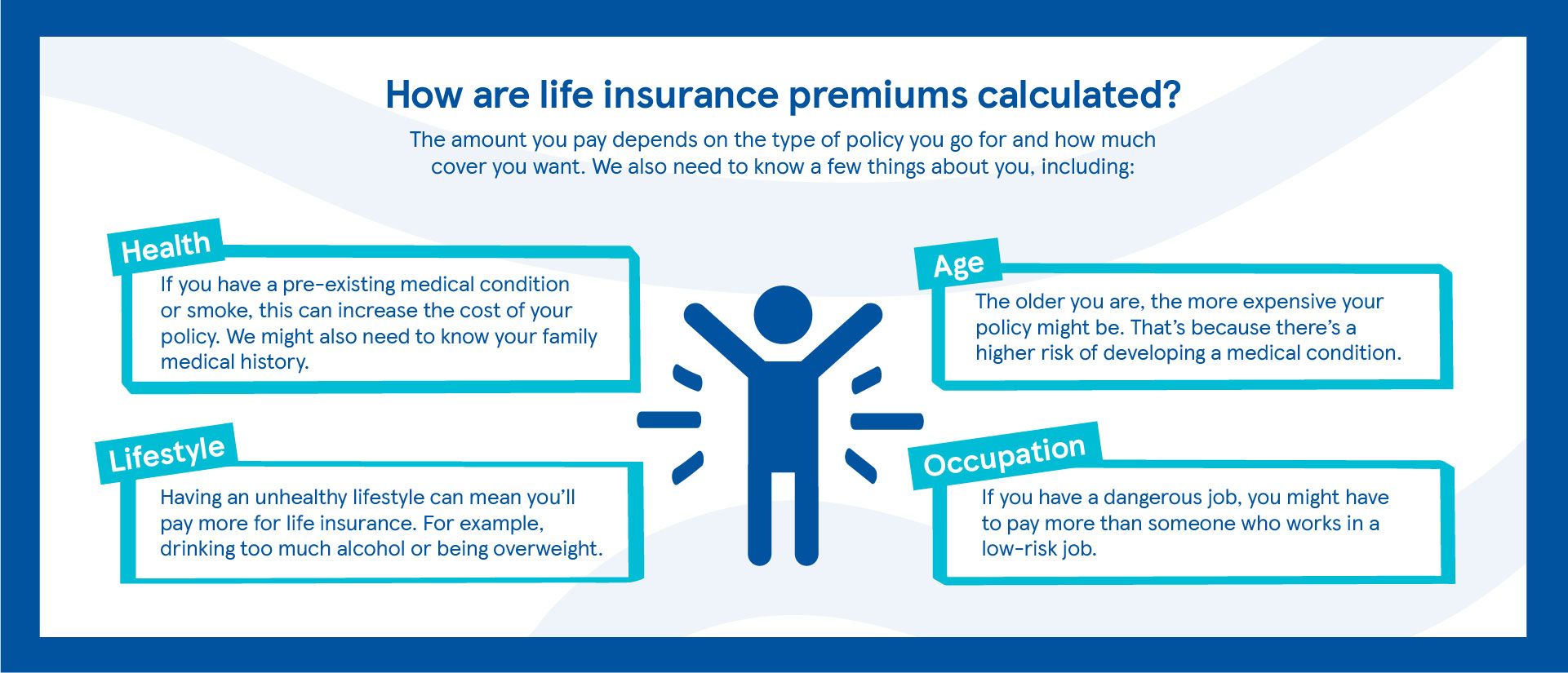
The underwriting department evaluates individual applicants. When you apply for a policy, underwriters look at your medical history, lifestyle, occupation, and even driving record. In 2026, this process is increasingly supplemented by automated underwriting, where AI algorithms analyze vast datasets—including prescription history and electronic health records—to provide near-instant approvals for many applicants. The underwriter's goal is to ensure that the risk of the applicant matches the premium being charged.
The Claims Department
The claims department is responsible for the "moment of truth"—when a policyholder passes away and the beneficiary files a claim. This department must verify the death (usually through a death certificate), ensure the policy was in force, and check for any exclusions (such as suicide within the first two years of the policy). Once verified, they process the payout. Efficiency in this department is a major factor in an organization’s reputation.
The Legal and Compliance Department
Life insurance is one of the most heavily regulated industries in the world. The legal team ensures the organization complies with state and federal laws. In the United States, insurance is primarily regulated at the state level through organizations like the National Association of Insurance Commissioners (NAIC). This department manages licensing, policy filings, and market conduct examinations.
Comparing Organizational Models
| Feature | Stock Company | Mutual Company | Fraternal Benefit Society |
|---|---|---|---|
| Primary Owner | Shareholders | Policyholders | Society Members |
| Primary Objective | Profit for shareholders | Service/Value for policyholders | Social/Charitable & Benefits |
| Dividend Recipient | Shareholders | Policyholders (Participating) | Members (often as social funds) |
| Governance | Board elected by stockholders | Board elected by policyholders | Representative lodge system |
| Tax Status | For-profit / Taxable | For-profit / Taxable | Non-profit / Tax-exempt (mostly) |
Financial Stability and Ratings
Because a life insurance organization may not have to pay out a claim for 30, 40, or even 50 years after a policy is purchased, its financial "strength" is paramount. If the organization goes bankrupt, the policyholders lose their protection.
To help consumers, independent agencies evaluate the financial health of life insurance organizations. The most prominent rating agencies include:
- A.M. Best: Focuses almost exclusively on the insurance industry.
- Standard & Poor’s (S&P): Provides credit ratings for many financial institutions.
- Moody’s Investors Service: Evaluates the ability of the company to meet its long-term debt and policy obligations.
- Fitch Ratings: Provides global credit ratings and research.
A "Secure" or "Excellent" rating (such as A+ or AA) indicates that the organization has a strong balance sheet, adequate reserves, and a history of prudent management. Consumers are generally advised to look for organizations with consistently high ratings from at least two of these agencies.
The Role of Technology in 2026
As of 2026, the definition of a life insurance organization has expanded to include "InsurTech" companies. These are often digital-first entities that may not always carry the risk themselves (sometimes acting as "MGAs" or Managing General Agents) but provide the platform through which insurance is sold and managed.
Modern organizations utilize:
- Blockchain: For transparent and immutable record-keeping of policy contracts and claims processing.
- Artificial Intelligence: For refined mortality modeling and fraud detection.
- Wearable Data: Some organizations now offer premium discounts to policyholders who share data from fitness trackers, moving the organization from a passive risk-payer to an active health-partner.
Regulatory Oversight and Policyholder Protection
In the United States, life insurance organizations are regulated by state insurance departments. If an organization becomes insolvent (runs out of money), there is a safety net known as the Life and Health Insurance Guaranty Association. Every state has one.
When an insurance company fails, the guaranty association in the state where the policyholder lives will step in to cover claims, up to certain limits (often $300,000 in death benefits). This system ensures that even if a specific organization fails, the integrity of the life insurance promise is maintained for the public. These associations are funded by assessments on other insurance companies operating within that state.
Challenges Facing Life Insurance Organizations
Life insurance organizations face several systemic challenges in the mid-2020s.
First is the interest rate environment. Because these organizations invest heavily in bonds, low interest rates can make it difficult for them to generate the returns needed to fund permanent insurance products like Whole Life. Conversely, rapid rate hikes can decrease the value of their existing bond holdings.
Second is longevity risk. While life insurance organizations worry about people dying too young, they also sell annuities, where the risk is that people will live too long. As medical technology advances and lifespans increase, organizations must constantly recalibrate how they manage these lifelong payment obligations.
Finally, cybersecurity is a top priority. Life insurance organizations hold massive amounts of sensitive personal data, including Social Security numbers and detailed medical records. A data breach can be catastrophic for the organization’s reputation and financial standing.
Frequently Asked Questions
Is a life insurance organization different from a life insurance agency?
Yes. A life insurance organization (the carrier) is the entity that actually issues the policy, carries the risk, and pays the claim. A life insurance agency is a firm that employs agents to sell policies from one or more organizations. The agency does not pay the death benefit; the organization does.
Can a life insurance organization change its structure?
Yes. This process is called demutualization. A mutual company can convert into a stock company to gain access to capital markets. When this happens, policyholders are often compensated with shares of stock or cash in exchange for their ownership rights.
How do I know if a life insurance organization is legitimate?
You can verify the license of any life insurance organization through your State Insurance Commissioner's office. The NAIC Consumer Insurance Search Tool allows you to look up a company’s financial data and complaint history.
Do life insurance organizations pay taxes?
Most do. Stock and mutual companies are for-profit entities subject to corporate income taxes. However, they are often taxed under specific sections of the tax code (such as Subchapter L in the U.S.) that account for the unique way they must hold reserves for future liabilities. Fraternal societies are generally exempt from federal income tax under Section 501(c)(8).
What happens if a life insurance organization goes out of business?
If an organization is at risk of insolvency, state regulators will typically first try to rehabilitate it or find another healthy company to take over its policies. If that fails, the state guaranty association will step in to pay claims up to the state-mandated limits.
Summary and Next Steps
A life insurance organization is more than just a provider of a financial product; it is a complex risk-management entity that balances mathematical probability with long-term investment strategy. Whether structured as a stock company, a mutual company, or a fraternal society, these organizations must maintain high levels of solvency and adhere to strict regulatory standards to ensure they can fulfill promises made decades in the past.
If you are considering purchasing a policy or evaluating an existing one, your next step should be to check the financial strength ratings of the organization. Look for "A" ratings or better from agencies like A.M. Best or S&P. This step, combined with verifying the company's license with your state insurance department, is the best way to ensure the organization will be there when your beneficiaries need it most.
Image Gallery
Select an image to open it in a new tab.




Simon Caldwell
Enterprise Technology and Systems Editor
