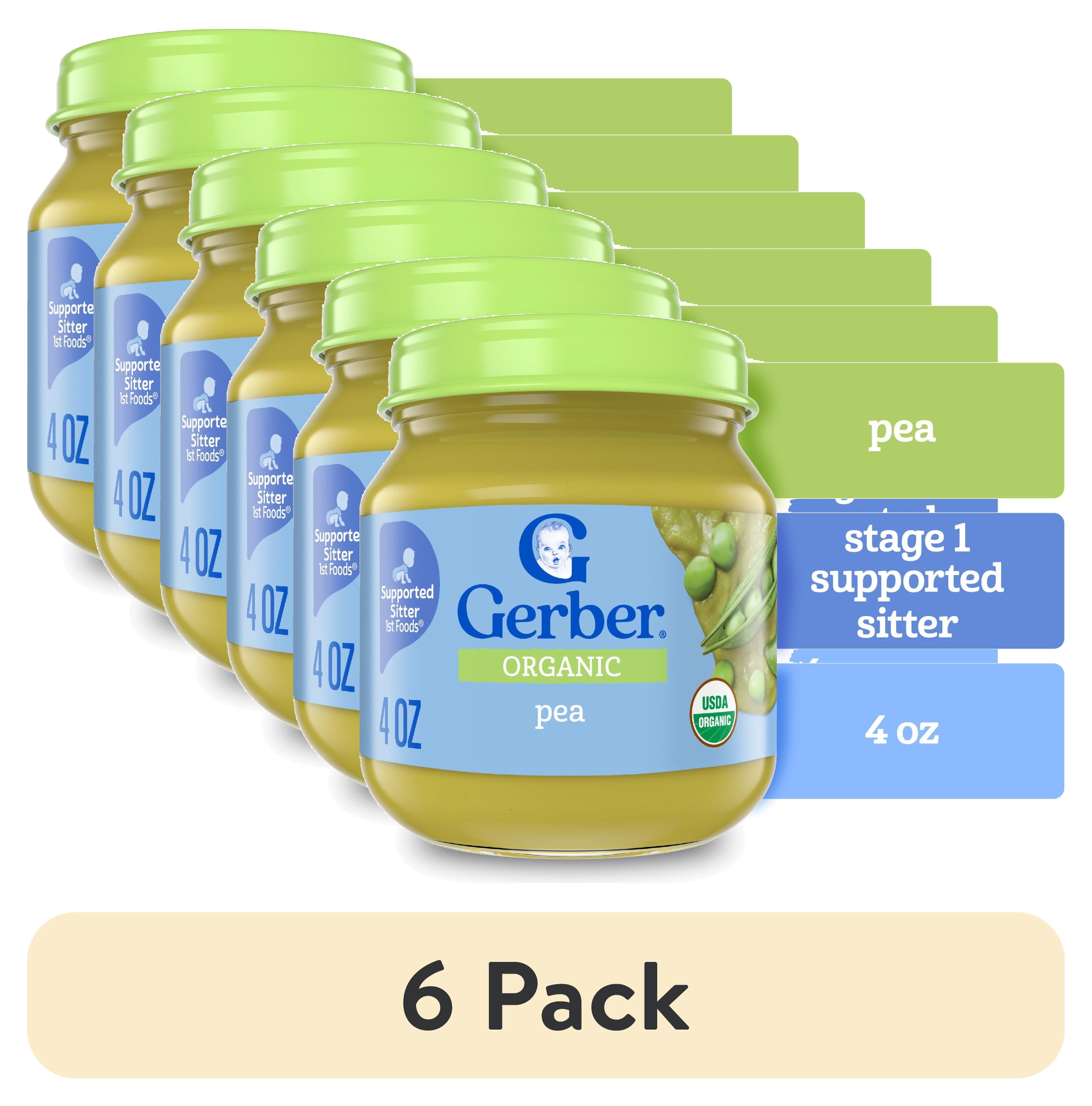
Level 1 baby food, also known as Stage 1, consists of single-ingredient purees that have been strained and thinned to a completely smooth, liquid-like consistency. Designed for infants typically aged 4 to 6 months, these foods serve as a gentle introduction to solid nutrition while minimizing choking risks and identifying potential food allergies.
The transition from a purely liquid diet of breast milk or formula to solid foods is a monumental milestone in an infant's first year. As we move through 2026, the guidance surrounding early childhood nutrition continues to emphasize the importance of texture progression and nutrient density. Level 1 baby food is the foundational step in this journey, focusing on simplicity, safety, and the development of oral motor skills.
The Purpose and Science of Level 1 Nutrition
Level 1 baby food is not intended to replace breast milk or formula; rather, it is "complementary feeding." At approximately six months of age, an infant's natural stores of iron and zinc begin to deplete, and their caloric needs increase beyond what liquid nutrition alone can provide. Level 1 foods are engineered to fill these nutritional gaps while respecting the immaturity of the infant's digestive system.
The primary goal of Level 1 is to introduce the baby to the concept of swallowing something other than liquid. Infants are born with an "extrusion reflex," where the tongue automatically pushes out any solid object placed in the mouth. Between four and six months, this reflex diminishes, allowing the baby to move food from the front of the mouth to the back for swallowing. Level 1 purees are thin enough to be managed by a baby who is still perfecting this coordination.
Furthermore, Level 1 focuses on single ingredients to help parents and pediatricians monitor for adverse reactions. By introducing only one new food at a time, it becomes easy to isolate the cause of any rashes, digestive upset, or respiratory issues that may indicate a food allergy or sensitivity.
Identifying Developmental Readiness
While many commercial baby foods are labeled "Stage 1: For 4 Months+," age is not the only factor. Parents must look for specific physiological and developmental signs of readiness. The American Academy of Pediatrics (AAP) and other health organizations emphasize that starting solids too early can lead to digestive issues or an increased risk of choking.
Key indicators that a baby is ready for Level 1 food include:
- Head Control: The baby can hold their head up steadily and independently for an extended period.
- Sitting Support: The baby can sit upright in a high chair or infant seat with little to no assistance.
- Weight Gain: Generally, a baby is ready when they have doubled their birth weight (typically around 13 to 15 pounds).
- Curiosity: The baby watches you eat, reaches for your food, or opens their mouth when a spoon is presented.
- Loss of Extrusion Reflex: The baby no longer automatically pushes food out of their mouth with their tongue.
Characteristics of Level 1 Commercial Foods
When browsing the aisles in 2026, you will notice that Level 1 or Stage 1 products from brands like Gerber, Beech-Nut, and various organic startups share several common traits. These are strictly regulated to ensure they meet the specific needs of the youngest eaters.
Texture and Consistency
The most defining feature of Level 1 food is its uniformity. There are no seeds, skins, or lumps. The consistency is often described as "drippy" or "runny." If you were to tilt a spoon, the puree should slide off easily. This ensures that the baby does not have to chew, as they do not yet have the "munching" motion required for thicker textures.
Ingredient Purity
Level 1 foods are almost exclusively single-ingredient purees (plus water or liquid used for processing). For example, a jar will contain "Just Carrots" or "Prunes and Water." In 2026, clean-label standards have become the industry norm, meaning these products rarely contain added salt, sugar, corn starch, or artificial preservatives. The focus is on the natural flavor of the fruit, vegetable, or grain.
Portion Size
Level 1 containers are typically smaller than those for older babies. Usually ranging from 2 to 2.5 ounces, these portions reflect the fact that a beginner eater may only consume one or two teaspoons in a single sitting.
Common First Foods for Level 1
The choice of a baby's very first food has shifted over the years. While iron-fortified rice cereal was the standard for decades, modern pediatric guidance often suggests starting with pureed vegetables or fruits to encourage a palate for diverse flavors.
| Food Category | Examples | Nutritional Highlights | Notes |
|---|---|---|---|
| Vegetables | Sweet Potato, Carrots, Peas | Beta-carotene, Fiber, Vitamin C | Often recommended first to avoid a preference for sweetness. |
| Fruits | Apples, Pears, Bananas | Potassium, Vitamin C, Natural sugars | High palatability; pears/prunes help with constipation. |
| Grains | Oatmeal, Rice, Barley | Iron, Zinc, B-vitamins | Usually sold as dry flakes to be mixed with breast milk or formula. |
| Legumes | Chickpeas, Lentils | Protein, Iron, Fiber | Must be thinned significantly to reach Level 1 consistency. |
The "Four-Day Rule" for Safety
When introducing Level 1 foods, practitioners recommend the "four-day rule." This involves introducing a single new food and waiting four days before introducing another. During this window, parents should watch for signs of an allergic reaction or intolerance.
Common symptoms to monitor include:
- Hives or red, itchy welts on the skin.
- Vomiting or excessive diarrhea.
- Swelling of the lips, tongue, or face.
- Wheezing or difficulty breathing (seek emergency care immediately).
If no reaction occurs after four days, the food is considered "safe," and a new ingredient can be introduced. Once several foods have been cleared individually, they can be mixed together, even if the baby is still in the Level 1 phase.
Homemade Level 1 Purees: A How-To Guide
Many parents in 2026 choose to prepare Level 1 food at home to control ingredient quality and reduce environmental waste. Creating Level 1 consistency at home requires more than just mashing with a fork; it requires high-powered blending and straining.
Preparation Steps
- Selection: Choose organic, fresh produce when possible. Thoroughly wash and peel vegetables or fruits.
- Cooking: Steam or boil the food until it is very soft. Steaming is generally preferred as it preserves more heat-sensitive vitamins like Vitamin C.
- Pureeing: Use a blender, food processor, or specialized baby food maker. Pulse until the mixture is entirely smooth.
- Thinning: To reach the "runny" Level 1 consistency, add liquid. The best options are breast milk or infant formula, as they provide familiar flavors and added nutrition. Plain water or the leftover steaming liquid can also be used.
- Straining: To ensure no fibers or skins remain (especially for foods like peas or green beans), press the puree through a fine-mesh sieve.
Storage and Safety
Homemade purees do not contain the preservatives found in some commercial jars. They can be refrigerated for up to 48 hours. For longer storage, freeze the puree in ice cube trays. Once frozen, transfer the cubes to a labeled bag. These "food cubes" are typically 1 ounce each, making it easy to thaw exactly what the baby needs for a meal.
Managing the Transition: Tips for Success
The introduction of Level 1 food is often more about the experience than the calories. Parents should manage their expectations regarding how much the baby will actually consume.
- Timing Matters: Attempt the first feeding when the baby is happy and alert, not when they are overly tired or extremely hungry. A mid-morning session, about an hour after a milk feeding, is often ideal.
- The "Double Spoon" Technique: Give the baby a spoon to hold while you use another spoon to feed them. This keeps their hands occupied and encourages interest in the utensil.
- Embrace the Mess: Learning to eat is a sensory experience. Babies will likely get puree on their face, hands, and high chair. This tactile interaction is part of how they learn about food.
- Respect the "Full" Signs: If a baby turns their head away, pushes the spoon back, or starts crying, the session is over. Forcing a baby to eat can create negative associations with food.
Addressing Heavy Metals and Food Safety in 2026
A significant concern for modern parents is the presence of heavy metals (such as arsenic, lead, and cadmium) in baby foods. While commercial manufacturers have implemented more rigorous testing protocols by 2026, parents can take further steps to minimize exposure during the Level 1 stage.
The U.S. Food and Drug Administration (FDA) suggests diversifying a baby’s diet as the best defense. Instead of relying solely on rice-based cereals, which tend to absorb more arsenic from the soil, parents should rotate between oatmeal, barley, and various vegetable purees. Choosing a wide range of foods naturally limits the cumulative exposure to any single contaminant found in specific soil types or crops.
Comparing Level 1 vs. Level 2
As your baby masters Level 1, you will eventually transition to Level 2 (Stage 2). Understanding the difference is vital for knowing when to move forward.
- Ingredients: Level 1 is single-ingredient; Level 2 introduces combinations (e.g., Apple and Spinach).
- Texture: Level 1 is strained and runny; Level 2 is slightly thicker and may have very fine, soft bits, though it is still mostly a puree.
- Purpose: Level 1 is for introduction and allergy testing; Level 2 is for flavor exploration and increasing caloric density.
Most babies remain on Level 1 for about 4 to 8 weeks before they are ready for the slightly thicker textures of Level 2.
FAQ: Frequently Asked Questions
Can I skip Level 1 and do Baby-Led Weaning (BLW)?
Yes. Baby-led weaning skips purees entirely and offers soft, finger-sized pieces of whole foods to babies starting at 6 months. However, many parents choose a hybrid approach or start with Level 1 purees if their baby shows readiness signs before 6 months or if they are concerned about choking. Always consult your pediatrician before choosing a feeding method.
Why is Level 1 food so watery?
The high liquid content is intentional. It mimics the consistency of the milk the baby is used to, making the transition easier. It also ensures the food is easy to swallow without the need for chewing, which the baby hasn't mastered yet.
How many times a day should my baby eat Level 1 food?
When starting, once a day is sufficient. The goal is practice, not filling the belly. As the baby becomes more proficient, you can increase to two sessions per day. Breast milk or formula remains the primary source of nutrition until age one.
Is it normal for my baby's poop to change after starting Level 1 food?
Absolutely. As soon as anything other than milk enters the digestive tract, the color, consistency, and smell of the stool will change. You may see undigested bits of food or colors reflecting what they ate (like orange stools after carrots). This is normal as long as the baby is not experiencing pain or severe constipation.
What should I do if my baby rejects Level 1 food?
Rejection is common. It can take 10 to 15 exposures to a new flavor before a baby accepts it. If they spit it out, don't worry—try again in a few days. The goal is to keep the experience positive and pressure-free.
Practical Recommendation
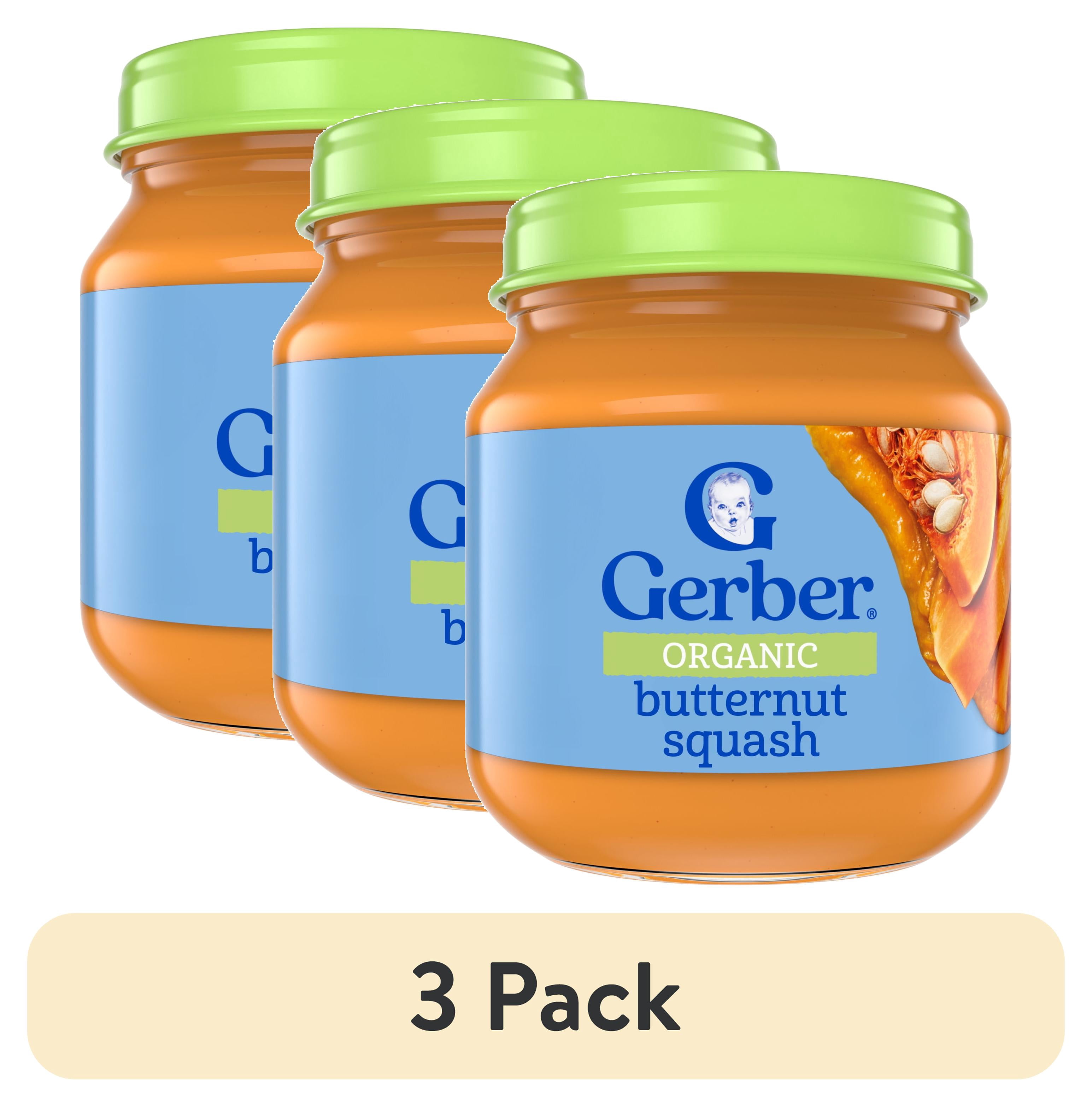
If you are just beginning the Level 1 journey, start with a simple, mild vegetable like pureed butternut squash or green beans. These offer a different flavor profile than the sweetness of breast milk or formula. Prepare a very small amount—no more than two tablespoons—and use a soft, silicone-tipped spoon designed for infant gums. Monitor your baby for four days before introducing the next food, and always prioritize the developmental signs of readiness over the age listed on a food jar.
Image Gallery
Select an image to open it in a new tab.


Mateo Castillo
Decentralized Finance and E-Payments Strategist
