
To board your dog in 2026, most reputable facilities require proof of current vaccinations, specifically for rabies, DHPP (Distemper, Hepatitis, Parainfluenza, and Parvovirus), and Bordetella. These requirements ensure a communal health standard, preventing the spread of contagious diseases in high-density environments where dogs share common air, water, and play areas.
The Standard Tier of Boarding Requirements
When you entrust your pet to a boarding kennel, daycare, or pet hotel, the facility acts as a temporary guardian of your animal’s health. Because boarding involves close, prolonged contact between animals from different households, it creates a unique epidemiological risk profile. To manage this, the vast majority of boarding establishments in North America follow a standardized "core" protocol.
Understanding the logic behind these requirements helps owners prepare early. These policies are not arbitrary; they are typically dictated by the facility’s liability insurance, local health ordinances, and the professional judgment of their consulting veterinarians.
1. Rabies Vaccination
Rabies is a fatal viral disease that is zoonotic, meaning it can be transmitted from animals to humans. Because of this, it is legally mandated by state and municipal laws across nearly all jurisdictions. Boarding facilities are strictly required to verify a current rabies certificate signed by a licensed veterinarian. A simple tag on a collar is rarely sufficient for a facility to admit a dog; they must have the official paperwork on file to comply with local animal control regulations.
2. DHPP (The "Distemper" Shot)
The DHPP vaccine is a multi-valent vaccine covering four distinct threats:
- Canine Distemper: A serious viral disease that attacks the respiratory, gastrointestinal, and nervous systems.
- Hepatitis (Adenovirus Type 1): Affects the liver, kidneys, and eyes.
- Parainfluenza: A respiratory virus that contributes significantly to the "kennel cough" complex.
- Parvovirus: A highly contagious and deadly gastrointestinal disease, particularly in puppies and unvaccinated adults.
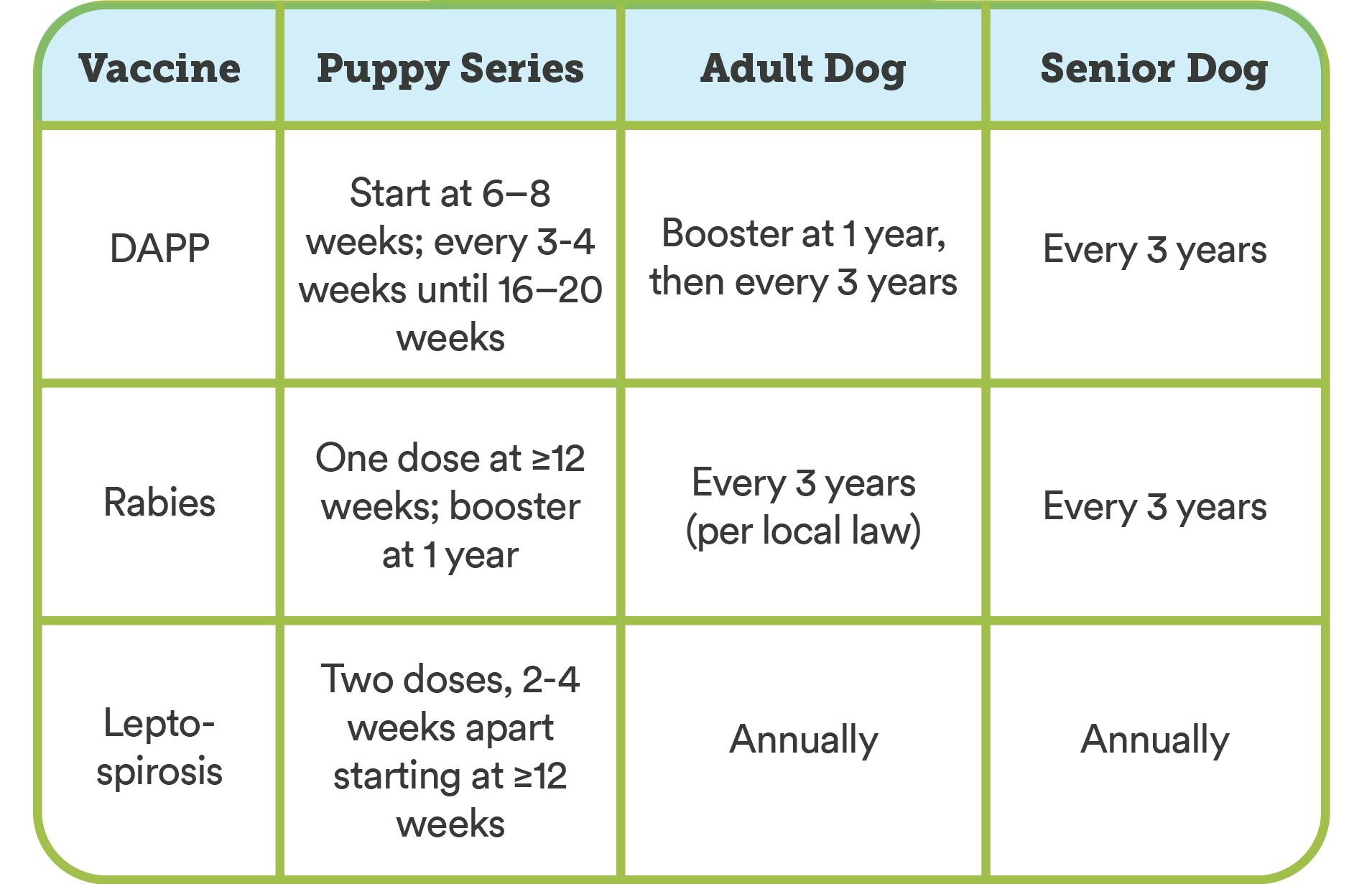
Facilities usually require this vaccine to be administered at least every one to three years, depending on the specific protocol of the vet and the facility’s risk management policy.
3. Bordetella (Kennel Cough)
Bordetella bronchiseptica is the primary bacterium responsible for "kennel cough." It is highly contagious, spread through airborne droplets and direct contact. Because it is so pervasive in boarding environments, most facilities require this vaccine to be updated every six to twelve months. Note that some facilities may specifically require an intranasal or oral version of the vaccine, as these can provide faster localized immunity in the respiratory tract compared to the injectable version.
Comparing Vaccination Requirements
While the "Core Three" listed above are universal, individual facilities may have additional requirements depending on their location and the services they provide.
| Vaccine | Frequency (Standard) | Why Facilities Require It |
|---|---|---|
| Rabies | 1–3 Years | Legal requirement; zoonotic disease risk. |
| DHPP | 1–3 Years | Protects against highly contagious, often fatal viruses. |
| Bordetella | 6–12 Months | Prevents respiratory outbreaks common in social settings. |
| Leptospirosis | Annually | Optional; protects against bacteria found in wildlife urine. |
| Canine Influenza | Annually | Emerging risk; reduces severity of flu-like outbreaks. |
The "Waiting Period" and Why Timing Matters
One of the most frequent points of friction between pet owners and boarding facilities is the "waiting period" rule. Many facilities require that vaccines be administered at least 7 to 14 days before the dog's scheduled arrival.
This is not a bureaucratic hurdle; it is a clinical necessity. When a dog receives a vaccination, it takes time for their immune system to produce the necessary antibodies to fight off the pathogen. If you vaccinate your dog the day before you drop them off, they are not yet protected. Furthermore, some modified live vaccines can cause a temporary state of shedding or slight immunosuppression, making the dog more vulnerable or (in rare cases) a risk to others immediately after the injection. By enforcing a waiting period, facilities ensure that your dog is fully protected before entering the shared space.
Verifying Records: What You Need to Bring
In 2026, most professional boarding facilities utilize digital management software. However, you should never arrive at a check-in without your physical or digital documentation. A "valid" record must include:
- The Clinic's Information: The name, address, and contact information of the veterinary practice.
- The Dog's Information: Name, breed, age, and ideally a microchip number to verify the identity of the animal.
- The Product Administered: The specific name or lot number of the vaccine used.
- Dates: The date the vaccine was administered and the specific expiration date (the "due date").
- Attestation: The signature or professional stamp of the licensed veterinarian.
If you have recently moved or switched clinics, make sure to request these records well in advance of your trip. Many clinics require 24–48 hours to compile and email medical records. Relying on the facility to "call your vet" upon arrival is a risky move, especially if you are checking in on a weekend or a holiday when your primary vet clinic is closed.
Special Circumstances: Titer Tests and Medical Exemptions
Some dog owners prefer to use titer tests—blood tests that measure the level of antibodies in a dog’s system—instead of routine booster vaccinations. While some holistic-leaning boarding facilities accept titer results as proof of immunity, many larger commercial boarding franchises will not. Their insurance policies often demand strict adherence to manufacturer vaccination labels.
If your dog has a medical reason for being unable to receive a vaccine (such as a history of severe allergic reactions or an autoimmune condition), you must speak with the facility manager long before your trip. You will need a signed letter from your veterinarian explicitly stating the medical necessity of the exemption. Even with this, some high-volume facilities may deny entry to unvaccinated dogs due to the inherent liability of an outbreak, regardless of the medical justification.
Troubleshooting Common Documentation Issues
If you find yourself in a situation where your records are incomplete, follow these steps to prevent being turned away at the door:
- Digital Portals: Many veterinary clinics now use online portals. Ensure you have your login credentials ready so you can pull up a PDF of your records on your phone during check-in.
- Emergency Vaccination: If your Bordetella is expired, some clinics can perform a rapid vaccination. However, as noted, the facility may still refuse entry due to the lack of an immunity window.
- Third-Party Records: If you utilize a mobile vet or a vaccine clinic, ensure you have the receipt or certificate they provided. If you lost it, contact the issuing entity immediately; they are required to keep logs of administered medications for state record-keeping purposes.
Frequently Asked Questions
Can my dog stay at a boarding facility if they are not yet fully vaccinated? Generally, no. Most facilities require a "completed" series. For puppies, this means they must have finished their final round of puppy boosters (usually by 16 weeks of age) and have waited the necessary period for immunity to build. Boarding an unvaccinated puppy is considered high-risk due to their immature immune systems.
Is the Canine Influenza vaccine mandatory? It varies by facility. In areas where there have been recent outbreaks of H3N2 or H3N8 influenza, facilities often make this mandatory. In areas where the risk is lower, it may be recommended but not required. Always check the facility’s specific "Requirements" page on their website.
What happens if my dog’s vaccines expire while they are boarding? Most reputable facilities will notify you in advance if they see an expiration date approaching during your stay. If it expires while they are under their care, you may be required to pay for a mobile vet service to visit the facility and administer the booster, or you may be required to pick up your dog earlier than planned.
Do I need proof of heartworm or flea/tick prevention? While this is not a vaccination, many boarding facilities require proof of year-round parasite prevention. This is to ensure that no boarding dog introduces fleas or ticks into the facility, which could lead to a massive infestation requiring professional extermination and the temporary closure of the business.
Final Recommendation for Pet Owners
The best way to ensure a smooth boarding experience is to perform a "Document Audit" three weeks before your departure date. Log into your veterinary portal, verify that every required vaccine is up to date, and confirm that the expiration date falls after your return home. If you notice a missing vaccine, schedule the appointment immediately. By handling the paperwork well before the day of travel, you remove the stress of being turned away at the facility door and allow your dog to settle into their boarding stay without disruption.
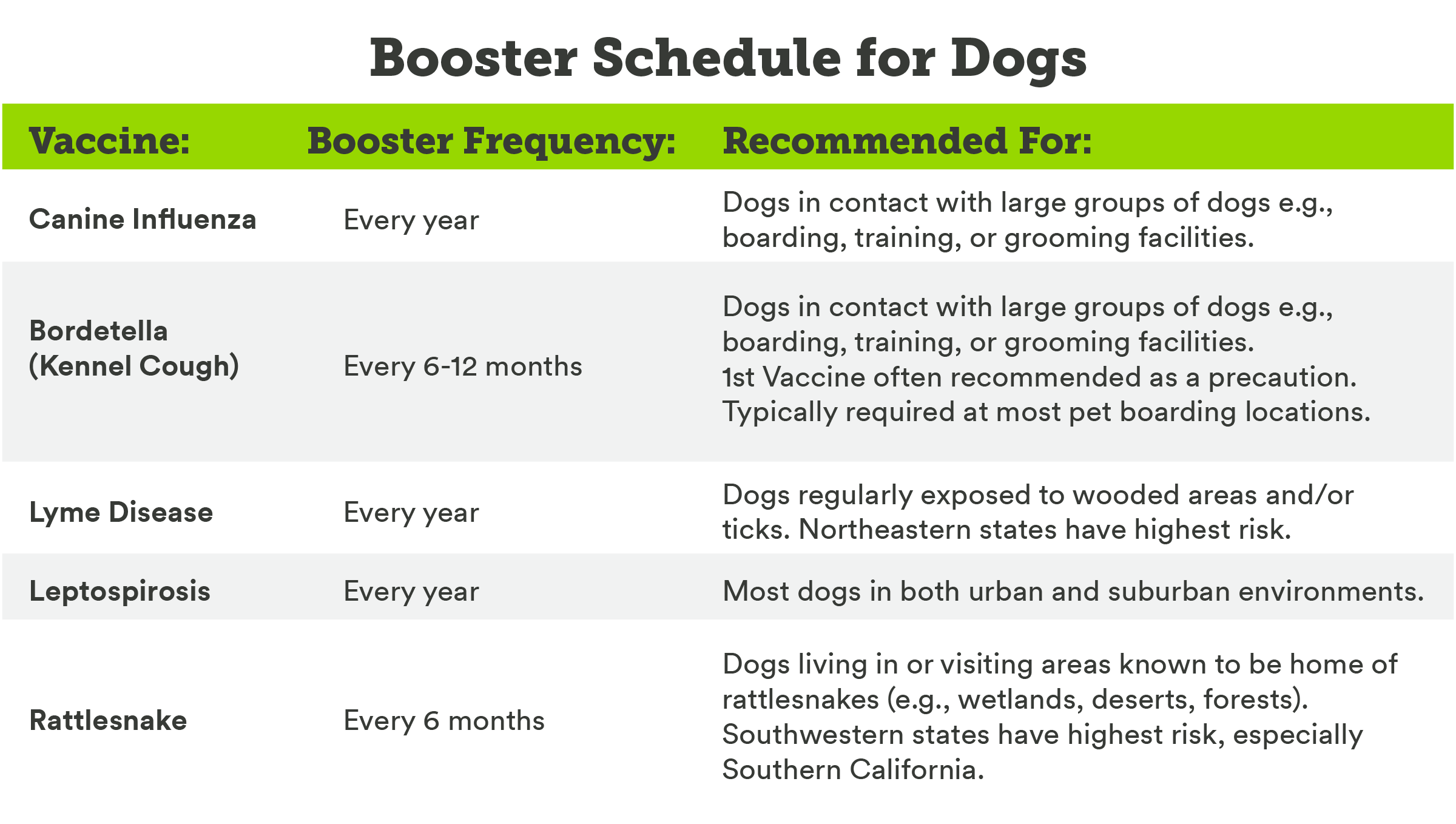
Image Gallery
Select an image to open it in a new tab.
Vivian Cho
Executive IT and Emerging Technologies Reporter
