Understanding Training in Six Sigma: A Comprehensive Guide to Certification and Mastery

Six Sigma training provides a structured framework for professionals to identify process inefficiencies, reduce variability, and improve organizational quality. By mastering statistical tools and project management methodologies, practitioners can systematically eliminate defects and enhance customer satisfaction. This guide outlines the certification hierarchy, core training components, and the practical steps required to build a career in process improvement.
The Six Sigma Framework and Training Hierarchy
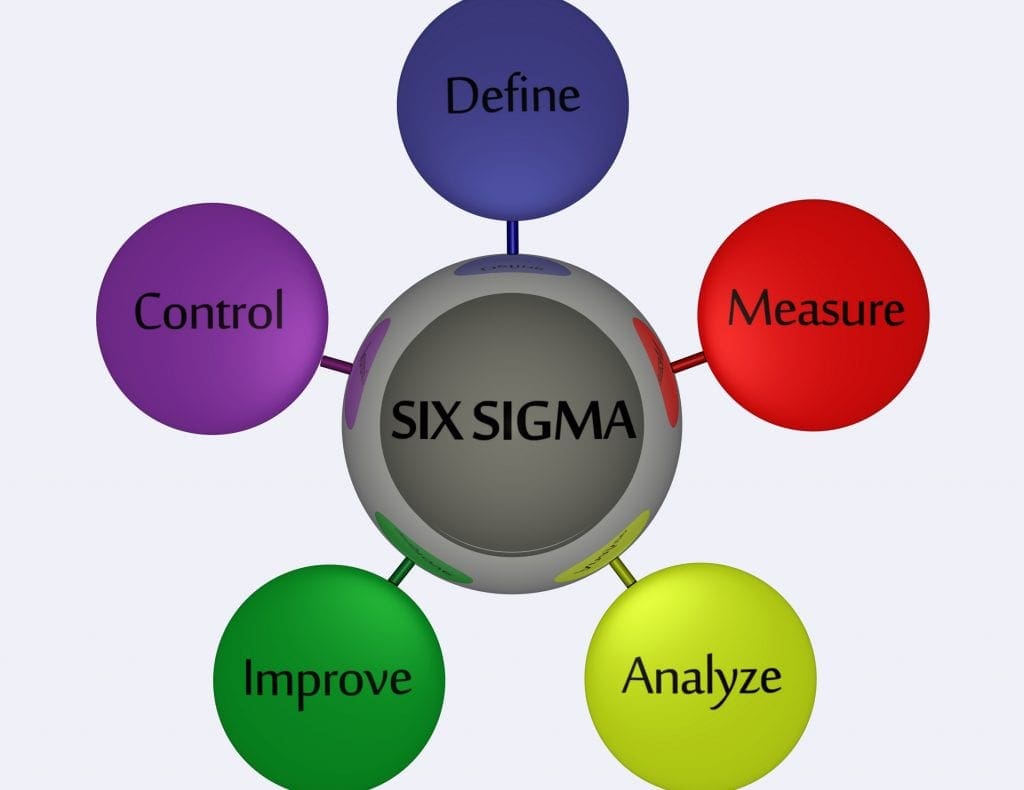
Six Sigma is a data-driven methodology rooted in the DMAIC (Define, Measure, Analyze, Improve, Control) framework. Because it requires varying levels of technical proficiency and organizational oversight, training is categorized into "belts," mirroring the hierarchy found in martial arts. Understanding these levels is the first step toward selecting the right path for your career.
- White Belt: An introductory level providing a high-level overview of Six Sigma concepts, terms, and the importance of quality improvement in a business setting. It is designed for those who need a fundamental understanding without participating in project implementation.
- Yellow Belt: Focuses on the basics of the DMAIC methodology. Yellow Belts often assist project teams or manage smaller improvement projects within their daily work routines.
- Green Belt: The standard level for data-driven professionals. Green Belts are expected to lead small-to-medium-sized projects while balancing their regular operational duties. Training at this level includes intermediate statistical analysis and complex project management tools.
- Black Belt: The leaders of large-scale, enterprise-level initiatives. Black Belts undergo rigorous training in advanced statistical methods, change management, and leadership. They function as full-time project managers for improvement efforts.
- Master Black Belt: The highest tier, reserved for those who act as mentors, trainers, and strategists. They typically influence organizational policy and drive the Six Sigma culture across an entire company.
The Importance of Methodology: DMAIC vs. DMADV
A core component of any reputable Six Sigma training program is the distinction between two primary methodologies. Choosing the correct approach depends on whether you are optimizing an existing process or creating a new one.
DMAIC (Define, Measure, Analyze, Improve, Control) is the engine of Six Sigma. It is used to improve existing processes that are failing to meet customer expectations or exhibit high variability. Most training programs focus heavily on this sequence, as it is the most common application in manufacturing and service sectors.
DMADV (Define, Measure, Analyze, Design, Verify) is used for "Design for Six Sigma" (DFSS). This methodology is applied when a business needs to create a new process or product from the ground up, ensuring it meets Six Sigma quality levels from the very start. Training that covers DMADV is typically found in advanced Black Belt or specialized certification tracks.
Selecting a Training Provider and Verifying Credentials
There is no single global governing body for Six Sigma certification. Unlike some professions, Six Sigma credentials can be issued by universities, private consulting firms, and industry associations. This lack of centralized regulation makes it critical to vet training providers before enrollment.
When evaluating a program, consider the following criteria:
- Body of Knowledge (BoK): Does the training curriculum align with industry standards? Look for programs that map their content to the American Society for Quality (ASQ) Body of Knowledge.
- Project Requirement: Legitimate certification often requires the submission of a real-world project. Avoid "fast-track" programs that promise certification solely based on a multiple-choice exam. A practical project demonstrates the ability to apply statistical tools to solve actual business problems.
- Faculty Credentials: Verify that instructors have real-world experience as Black Belts or Master Black Belts in industrial, healthcare, or corporate settings.
- Accreditation and Recognition: Check if the certification is recognized by potential employers in your specific industry. In many sectors, ASQ or Lean Six Sigma Institute (LSSI) certifications carry significant weight.
Essential Tools and Statistical Proficiency
Six Sigma training is largely defined by its reliance on quantitative analysis. Practitioners must become comfortable with statistical software, such as Minitab or JMP, to interpret data. Training modules typically cover a range of essential tools:
- Control Charts: Used to monitor process stability over time and identify "special cause" variation.
- Pareto Charts: Based on the 80/20 rule, these help teams prioritize which problems to address first to achieve the most significant impact.
- Root Cause Analysis (RCA): Techniques such as "The 5 Whys" or Fishbone (Ishikawa) diagrams are used to trace a defect back to its original source.
- Hypothesis Testing: Advanced training teaches professionals how to use p-values and confidence intervals to validate whether a process improvement has yielded statistically significant results.
Comparison of Certification Levels
The following table provides a breakdown of the typical focus, project expectations, and time commitment required for the primary Six Sigma levels.
| Certification | Primary Focus | Project Expectation | Typical Duration |
|---|---|---|---|
| Yellow Belt | Basic Concepts | Data gathering support | 1–3 days |
| Green Belt | DMAIC application | Lead local projects | 5–10 days |
| Black Belt | Advanced Statistics | Lead cross-functional projects | 15–20 days |
| Master Black Belt | Strategy & Mentoring | Organizational improvements | Ongoing/Advanced |
Note: Durations are estimates based on classroom-style or intensive virtual training formats.
Common Challenges and Mistakes in Training
Many professionals struggle during their Six Sigma journey because they focus too heavily on the "math" while neglecting the "human" aspect of process improvement. Successful implementation requires organizational buy-in. Common pitfalls include:
- Ignoring Change Management: Improving a process often requires changing how people work. If training does not cover how to manage team resistance, the best statistical solution may still fail.
- Over-reliance on Data without Context: Data is only as good as the process used to collect it. "Garbage in, garbage out" is a common theme in training; learners must understand measurement system analysis (MSA) to ensure their data is reliable.
- Certification "Collecting": Earning a certificate without applying the knowledge to a project leads to skill decay. Training is most effective when synchronized with a live, ongoing organizational project.
Professional Prerequisites and Career Impact
Six Sigma is a versatile toolkit that transcends specific industries. While it originated in manufacturing (notably at Motorola), it is now widely used in healthcare, finance, logistics, and software development.
Prerequisites: Most training programs do not have strict educational prerequisites, though a basic comfort with algebra and statistics is highly recommended. For Black Belt certification, many providers require that you have already achieved Green Belt status or have significant experience leading improvement teams.
Career Impact: The professional value of Six Sigma training lies in the ability to quantify performance. Employees who can demonstrate an ability to save a company money through waste reduction (Lean) and variability control (Six Sigma) often see increased compensation and promotion potential. According to market observations, organizations value certified individuals who can act as internal consultants, reducing the need for expensive external auditing.
Frequently Asked Questions
1. Is Six Sigma the same as Lean Six Sigma? Lean Six Sigma is a hybrid approach. While Six Sigma focuses on reducing process variation and defects, Lean focuses on the elimination of waste (non-value-added steps). Most modern training programs combine these, as they are most effective when applied together.
2. Which belt should I start with? Most professionals begin at the Green Belt level unless they have zero exposure to continuous improvement. If you are entirely new to the field, a Yellow Belt course provides a risk-free introduction to determine if the methodology aligns with your professional goals.
3. Do I need to be a math expert to learn Six Sigma? You do not need to be a mathematician, but you must be comfortable with data. Training will cover the necessary statistical formulas, and modern software handles the heavy calculation; your job is to interpret the results and draw actionable conclusions.
4. How long does the certification last? Most Six Sigma certifications do not expire, as the core methodology is timeless. However, because software and industry best practices evolve, many practitioners choose to seek "recertification" or advanced training every 3–5 years to stay competitive in the job market.
Next Steps for Aspiring Practitioners
If you are ready to pursue training, begin by assessing your current workplace. Are there recurring process issues or quality failures that need addressing? If so, seek approval from your management to sponsor your certification as part of an improvement project.
Next, audit at least three training providers. Compare their curricula against the ASQ Body of Knowledge, verify the requirement for a project-based submission, and ensure the instruction format (online vs. in-person) matches your learning style. If you are aiming for Black Belt status, ensure the provider offers a mentor-led component, as the advanced levels of Six Sigma rely heavily on strategic application rather than just theoretical knowledge.

Image Gallery
Select an image to open it in a new tab.



Omar Farooq
EdTech Innovation and Virtual Pedagogy Journalist
