Understanding the First Anal Experience: A Comprehensive Guide to Preparation and Safety
Successfully navigating a first anal experience requires a combination of thorough physical preparation, the right materials, and clear communication between partners. By prioritizing high-quality lubrication, understanding rectal anatomy, and proceeding slowly through progressive steps, individuals can ensure the experience is safe, comfortable, and focused on mutual pleasure rather than discomfort.
The Physiological Foundation: Understanding Rectal Anatomy
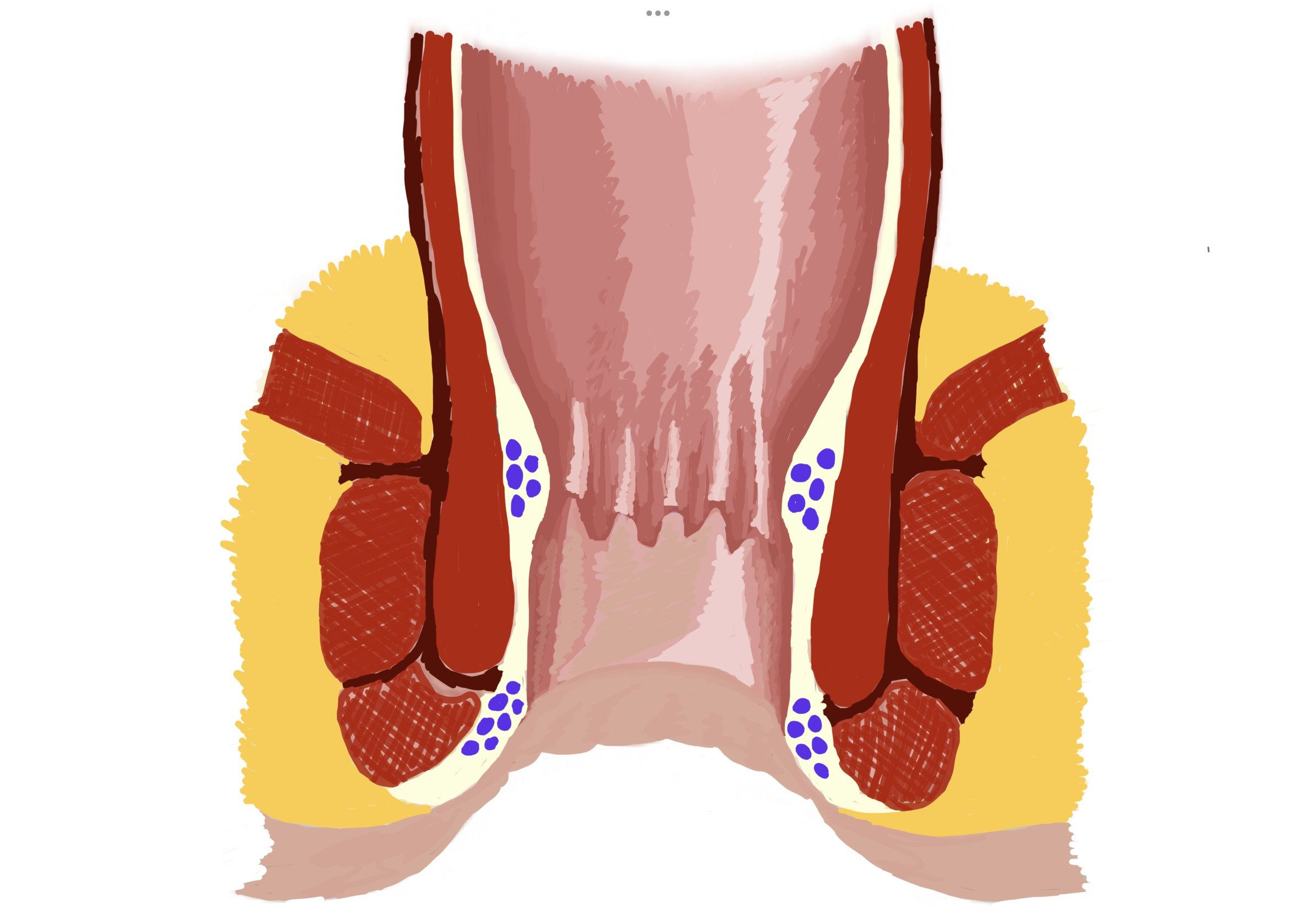
To understand the first anal experience, one must first understand the biological structures involved. Unlike the vaginal canal, the rectum is not self-lubricating and is designed primarily for the storage and elimination of waste. It is controlled by two distinct muscle rings: the internal and external anal sphincters.
The external anal sphincter is under voluntary control. This is the muscle you use to "hold it in." Because it is voluntary, you can consciously relax it. However, the internal anal sphincter is an involuntary muscle. It responds to pressure and stretching. If it senses a sudden intrusion, its natural reflex is to contract tighter to protect the body. This "guarding reflex" is the primary cause of discomfort during first-time experiences.
Overcoming this reflex requires time and psychological comfort. When the brain perceives a situation as safe and pleasurable, it sends signals to the pelvic floor muscles to relax. This is why technical preparation is only half the battle; the psychological state of the participants is equally vital to the physical outcome.
Essential Materials for a Safe Experience
Safety and comfort in anal play are heavily dependent on the tools and products used. Because the tissue in the rectum is thin and highly vascularized (rich in blood vessels), it is more susceptible to micro-tears and the transmission of infections than other parts of the body.
Selecting the Right Lubricant
Lubrication is the most critical component of anal exploration. Without it, friction can cause immediate pain and tissue damage. As of 2026, the market offers several formulations, each with specific technical profiles.
| Lubricant Type | Base Ingredient | Pros | Cons |
|---|---|---|---|
| Water-Based | Water/Glycerin | Safe for all toys and condoms; easy to clean. | Dries out quickly; may require frequent reapplication. |
| Silicone-Based | Silicone polymers | Extremely long-lasting; highly slippery; water-resistant. | Can degrade silicone toys; harder to wash off skin/sheets. |
| Hybrid | Water/Silicone blend | Offers the longevity of silicone with easier cleanup. | Check compatibility with specific toy materials. |
| Oil-Based | Plant oils/Petrolatum | Highly viscous and lasting. | Never use with latex condoms; can cause irritation or infection. |
For a first experience, a high-viscosity (thick) water-based or silicone-based lubricant is generally recommended. Silicone-based lubricants are often preferred for actual intercourse because they do not evaporate or absorb into the skin as quickly as water-based alternatives.
Barrier Protection and Hygiene
Even in long-term monogamous relationships, using condoms for anal play is a standard recommendation for first-timers. The rectum contains high levels of bacteria, and condoms simplify the cleanup process while preventing the transfer of bacteria to the urinary tract or vagina. Furthermore, if toys are involved, they should be made of non-porous materials like medical-grade silicone, borosilicate glass, or stainless steel. Porous materials (like "jelly" or PVC) can harbor bacteria even after washing.
Physical Preparation: Hygiene and Diet
A common concern for those approaching their first experience is hygiene. While the rectum is a part of the digestive system, manageable steps can be taken to ensure both partners feel clean and confident.
Dietary Adjustments
In the 24 to 48 hours leading up to the experience, increasing fiber intake can help ensure that the rectum is naturally clear. Fiber supplements (like psyllium husk) help bind waste together, making elimination more complete. Staying hydrated is equally important, as dehydration can lead to harder stools and increased sensitivity in the rectal lining.
External and Internal Cleaning
For most, a thorough external cleaning in the shower with mild, unscented soap is sufficient. If internal cleaning is desired, a "shallow" enema using a small bulb syringe and lukewarm water can be used. It is important not to over-clean or use "deep" enemas, as this can strip the rectum of its protective mucus lining and disrupt the delicate balance of the microbiome. Use only plain water; avoid store-bought saline enemas unless medically necessary, as they can be dehydrating to the sensitive tissues.
The Role of Psychological Comfort and Consent
The brain is the most important sex organ in anal play. If a person is nervous, anxious, or feels pressured, their pelvic floor muscles will naturally tense up, making penetration difficult or painful.
Establishing Communication Protocols
Before any physical contact begins, partners should discuss "stop" and "slow down" signals. Because anal play can be intense, a simple "no" might not be enough context. Establishing a "traffic light" system—Green (all good), Yellow (slow down/re-adjust), and Red (stop immediately)—allows for precise communication without breaking the mood.
Relaxation Techniques
Deep, diaphragmatic breathing is a technical requirement for relaxing the internal sphincter. Taking slow, deep breaths helps to "push" the pelvic floor down and open, counteractting the natural urge to clench. Most experts recommend at least 20 to 30 minutes of "outercourse" or general relaxation before attempting any anal-specific contact.
A Step-by-Step Approach to the First Time
The "first experience" should not be viewed as a single event, but rather a progressive series of sensations.
- External Stimulation: Begin with light touch around the perianal area. This area is rich in nerve endings. Using plenty of lubricant, gentle circular motions can help the body get used to the sensation of being touched in that region.
- The "One Finger" Rule: Using a gloved and lubricated finger, the partner (or the individual themselves) can apply gentle pressure to the opening. Do not "push" in. Instead, wait for the muscle to "give" or relax. Once the first knuckle is in, stop and wait.
- Dilation and Feedback: Only move deeper once the current level of insertion feels comfortable—or even unnoticeable. The goal is never to "overpower" the muscle, but to coax it into relaxing.
- Transitioning to Intercourse or Toys: If the goal is intercourse, the receiving partner should be the one to control the speed and depth of the initial entry. Many find that being "on top" provides the best control over the angle and pace.
Common Challenges and Troubleshooting
Even with perfect preparation, issues can arise. Understanding how to handle them prevents minor hiccups from becoming negative experiences.
Addressing Pain
Pain is a signal to stop. While "fullness" or a slight "stretching" sensation is normal, sharp or stinging pain indicates a lack of lubrication, a micro-tear, or muscle tension. If pain occurs, withdraw, re-apply lubricant, and return to a previous, comfortable step. If pain persists, the session should end.
The "Mess" Factor
Because the rectum's function is waste elimination, small amounts of residue are a biological possibility. This is why many people prefer to lay down a dark-colored towel beforehand. If a "mess" occurs, remain calm and non-judgmental. It is a natural part of the body's biology and should be handled with a quick trip to the bathroom and a return to the activity if both partners are comfortable.
Managing the "Urge to Go"
It is very common for the receiving partner to feel a sudden urge to use the bathroom upon initial penetration. This is usually a "phantom" sensation caused by the pressure on the rectal walls, which the brain interprets as the need to defecate. Usually, if the person takes a few deep breaths and waits 30 to 60 seconds, the sensation will pass as the nerves adjust to the new pressure.
Health and Safety Considerations
It is important to remember that the rectal lining is delicate.
- Numbing Agents: Be extremely cautious with "anal-ease" or numbing sprays/creams. These products can mask pain, which is your body’s way of telling you that damage is occurring. It is much safer to rely on relaxation and lubricant than to numb the area.
- STIs: The risk of HIV and other STI transmission is statistically higher with unprotected anal sex compared to vaginal sex because the tissue tears more easily. Regular testing and consistent condom use are recommended.
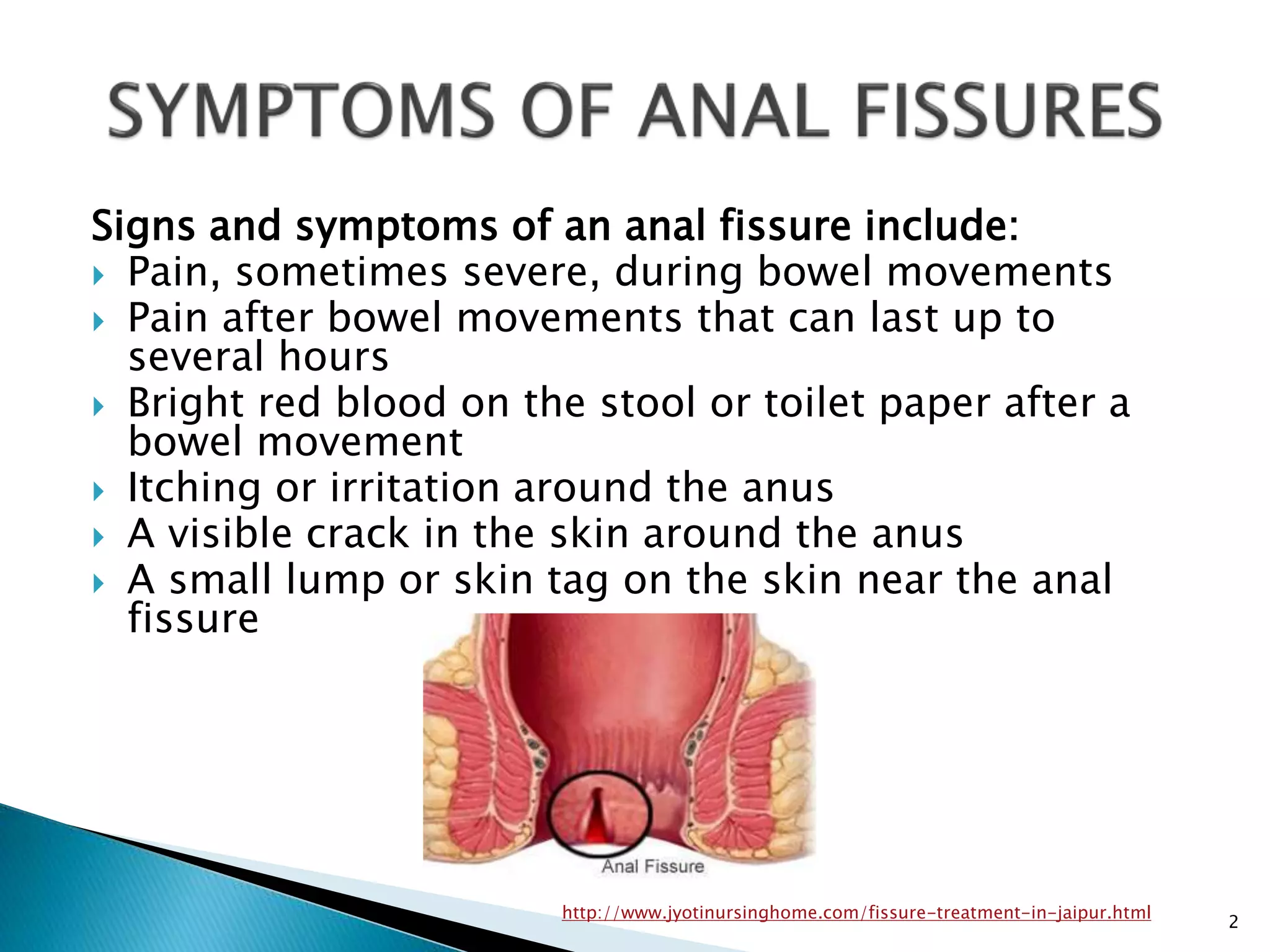
- Pre-existing Conditions: Individuals with active hemorrhoids, anal fissures, or inflammatory bowel disease (IBD) should consult a healthcare provider before engaging in anal play, as these conditions can be exacerbated by the friction and pressure.
Disclaimer: This article provides educational information and is not a substitute for professional medical advice, diagnosis, or treatment. Always seek the advice of your physician or other qualified health provider with any questions you may have regarding a medical condition.
Frequently Asked Questions
Does the first time always hurt?
No, it does not have to hurt. Pain is usually the result of rushing, insufficient lubrication, or anxiety-induced muscle tension. When approached with patience, high-quality silicone lubricant, and proper relaxation techniques, the experience can be entirely comfortable and pleasurable.
What is the best position for a first-timer?
Most experts recommend positions where the receiving partner has maximum control. Being on top (straddling) or lying on the side (spooning) are often cited as the most comfortable because they allow for easy communication and control over the depth and angle of penetration.
How much lubricant is "too much"?
In the context of anal play, there is no such thing as too much lubricant. Because the rectum does not produce its own moisture, you must provide all the glide. If things start to feel "sticky" or if there is any friction, immediately apply more.
How long should the first session take?
There is no set timeframe, but it should never be rushed. A first experience often involves 30 minutes or more of slow, incremental preparation before any actual penetration occurs. The "warm-up" is the most important part of the process.
Practical Recommendation
For those planning their first anal experience in 2026, the most effective next step is to practice solo exploration first. Using a lubricated finger or a small, flared-base silicone toy in a private, low-pressure environment allows you to understand your own anatomy and relaxation triggers without the added pressure of a partner. This builds "muscle memory" and confidence, which significantly increases the likelihood of a positive experience when sharing it with someone else.
Image Gallery
Select an image to open it in a new tab.


Declan O'Connor
Higher Education and Campus Culture Reporter
