The Truth About Jumpers on the Golden Gate Bridge: History, Statistics, and the New Era of Prevention

For decades, the Golden Gate Bridge held a somber reputation as one of the most frequent sites for suicide in the world, with over 1,700 confirmed deaths since its opening in 1937. However, as of 2024, the completion of the Suicide Deterrent System—a stainless-steel safety net—has fundamentally transformed the bridge's safety profile. By 2026, early data confirms that this physical barrier has drastically reduced successful attempts, shifting the focus from recovery to prevention and mental health intervention.
A Dark Legacy: The History of Suicides at the Golden Gate
Since the Golden Gate Bridge opened during the Great Depression, it has been an iconic symbol of American engineering and the gateway to San Francisco. Yet, almost immediately after its completion, it began to attract individuals in crisis. The first recorded suicide occurred just three months after the bridge opened in August 1937, when H.B. Wobber remarked, "This is where I get off," and jumped.
For nearly 90 years, the bridge lacked a physical deterrent, despite the advocacy of psychiatrists, survivors, and bereaved families. The "truth" about the bridge was often shrouded in a mix of romanticism and morbid fascination, fueled by the staggering height and the beauty of the surroundings. However, the reality was far from romantic. For the Bridge District and the California Highway Patrol, the frequency of "jumpers" became a daily operational reality, requiring constant surveillance and high-stakes negotiations.
The sheer number of deaths—estimated by some researchers to be much higher than the official count due to bodies swept out to sea by the powerful Golden Gate currents—led to the formation of organizations like the Bridge Rail Foundation. These advocates fought against the perception that a barrier would "ruin the view," arguing that human life was a more valuable aesthetic than an unobstructed horizon.
The Physics of the Fall: Why the Bridge is Lethal
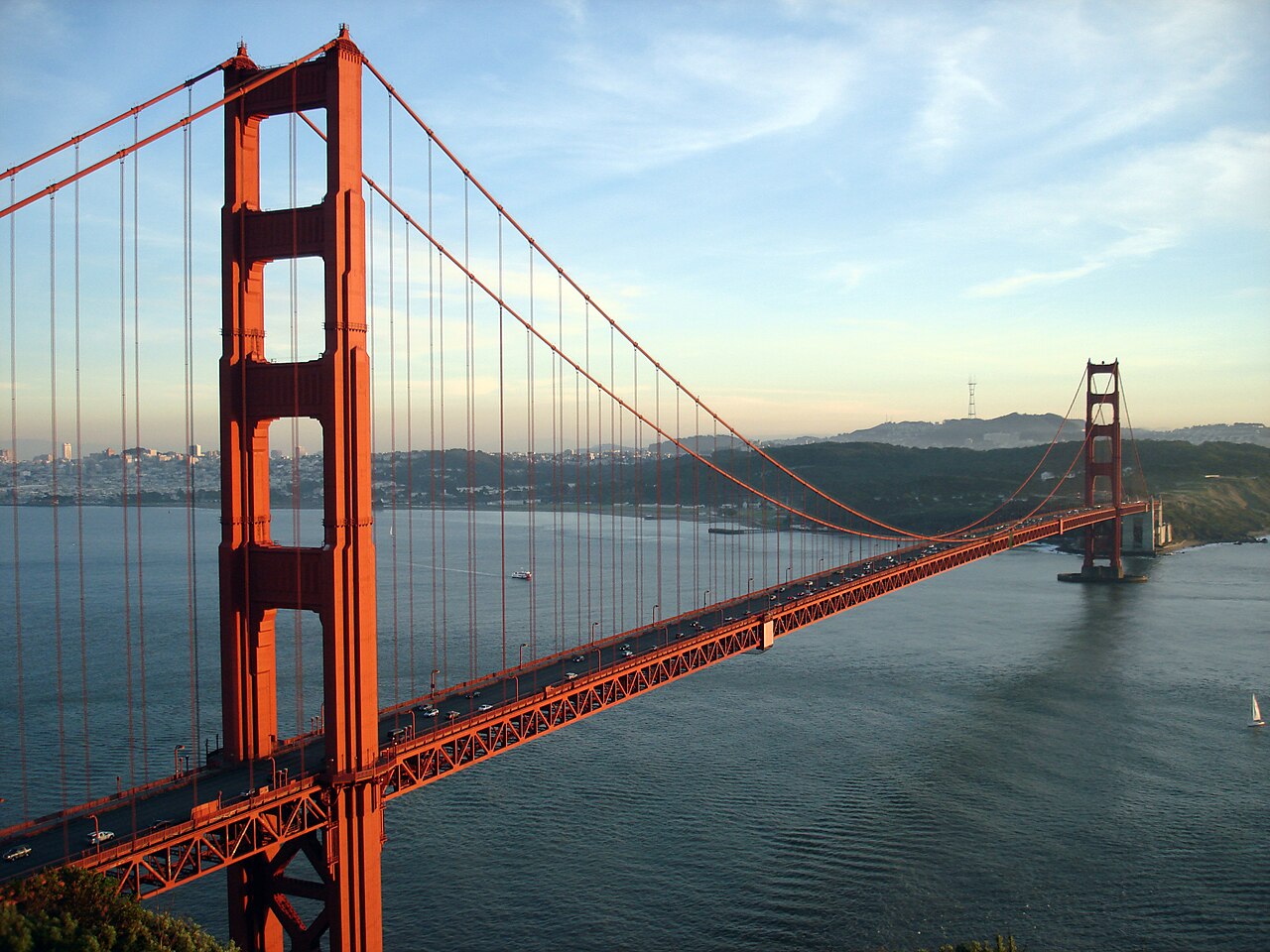
Understanding the "truth" about jumping from the Golden Gate Bridge requires a look at the brutal physics involved. The bridge deck stands approximately 220 feet (67 meters) above the water, depending on the tide. This height is the primary factor in the bridge's lethality.
When a person jumps, the fall lasts approximately four seconds. By the time they reach the surface of the San Francisco Bay, they are traveling at roughly 75 miles per hour (120 kilometers per hour). At this velocity, the water does not act as a liquid; it acts more like solid concrete. The impact causes massive internal trauma, including shattered bones, ruptured organs, and snapped vertebrae.
For the tiny percentage who survive the initial impact—estimated at roughly 2-3%—the challenges are not over. The water temperature in the Bay typically ranges from 50 to 55 degrees Fahrenheit (10 to 13 degrees Celsius). Hypothermia sets in rapidly, and the shock of the cold water often leads to "cold shock response," making it nearly impossible to swim or stay afloat, especially with the debilitating injuries sustained from the fall. Furthermore, the currents beneath the bridge are among the strongest on the West Coast, often pulling individuals toward the open Pacific Ocean.

The Suicide Deterrent System: The Net Completed in 2024
After decades of political debate, funding hurdles, and engineering challenges, the Golden Gate Bridge Suicide Deterrent System was completed in early 2024. As we look at the landscape in 2026, the "truth" of the bridge has been physically altered by 360,000 square feet of marine-grade stainless steel netting.
The net is located 20 feet below the sidewalk and extends 20 feet out from the bridge. It was designed to be both a physical and psychological deterrent. It is not a "soft" landing; jumping into the net is designed to be painful. The intention is to discourage people from jumping while providing a safety catch for those who do.
Technical Specifications of the Deterrent System
| Feature | Specification |
|---|---|
| Material | Type 316 Marine-grade stainless steel |
| Total Coverage | 1.7 miles on both sides of the bridge |
| Vertical Drop to Net | Approx. 20 feet (equivalent to two stories) |
| Support Structures | 600 steel brackets (gray to match bridge color) |
| Total Cost | Approx. $211 million (final tally) |
| Completion Date | January 2024 |
The engineering of the net had to account for the bridge's constant movement. The Golden Gate Bridge is a flexible structure that sways in high winds and expands/contracts with temperature changes. The netting system had to be integrated without compromising the structural integrity or the aerodynamic stability of the bridge.
Debunking Myths: Who Were the Jumpers?
Public perception of those who jumped from the bridge often relied on myths. One common misconception was that the bridge acted as a "suicide magnet," drawing people from all over the world. While some did travel specifically to the bridge, data from the Golden Gate Bridge Highway and Transportation District historically showed that the vast majority of individuals were residents of the San Francisco Bay Area.
Another myth was the "displacement theory"—the idea that if a person were prevented from jumping off the Golden Gate Bridge, they would simply find another way or place to end their life. Decades of psychological research, including studies by Dr. Richard Seiden at UC Berkeley, have debunked this. A famous 1978 study tracked 515 people who were physically restrained from jumping off the Golden Gate Bridge; 94% were either still alive or had died of natural causes decades later. This research proved that suicidal crises are often temporary and site-specific; if the immediate means are removed, the person often recovers.
Survival Stories and the Human Element
The truth about the bridge is also found in the stories of the few who survived. Perhaps the most well-known survivor is Kevin Hines, who jumped in 2000. Hines has since become a global advocate for mental health, sharing the harrowing reality that the moment his feet left the bridge, he felt "instant regret."
Hines’ story highlighted the vital role of the Golden Gate Bridge Patrol. Before the net was completed, these officers were the primary line of defense. They were trained in crisis intervention and spent their shifts scanning the sidewalks for individuals showing signs of distress. In the years leading up to the net's completion, the patrol and local law enforcement successfully intercepted between 150 and 200 people annually on the bridge.
In 2026, the role of these officers has evolved. While the net provides a physical safety valve, the patrol remains essential for monitoring the net and coordinating rescues for those who may have jumped and become trapped or injured in the steel mesh.
The Impact on Bridge Workers and First Responders
A factor often overlooked in discussions about "the truth" of the bridge is the psychological toll on those who work there. Bridge painters, ironworkers, and security personnel have historically been the first to witness tragedies.
The trauma experienced by the U.S. Coast Guard crews tasked with recovering bodies was significant. Recovery missions were often dangerous and emotionally draining. The completion of the net in 2024 has significantly reduced these occurrences, leading to a measurable improvement in the occupational health of bridge staff. In 2026, the focus has shifted from "recovery" to "retrieval and support," a much less traumatic process for first responders.
How the Net Has Changed Statistics (2024–2026)
While official 2026 annual reports are still being finalized, preliminary data from the first two full years of the net's operation indicates a precipitous drop in fatalities.
- Deterrence Effect: The presence of the net serves as a visual "no" to those in a state of cognitive tunnel vision. Many individuals who arrive at the bridge with the intent to jump now turn back or seek help upon seeing the barrier.
- Rescue Capability: For the few who have jumped into the net since 2024, the injuries—while often including broken limbs or lacerations from the steel mesh—have been non-fatal. This allows for what was previously impossible: a second chance at life and immediate transport to psychiatric care.
- Public Perception: The bridge is no longer framed as a "suicide destination" in media coverage. Instead, it is increasingly discussed as a model for how urban infrastructure can be designed with empathy and safety in mind.
Ongoing Challenges and Maintenance in 2026
Despite the success of the Suicide Deterrent System, it requires ongoing maintenance. The salt air of the San Francisco Bay is incredibly corrosive. Even marine-grade stainless steel requires regular inspections to ensure that the mesh hasn't weakened or been damaged by debris.
The Bridge District also faces the logistical challenge of retrieving individuals from the net. Because the net is 20 feet below the deck, rescue crews must use specialized equipment, such as the "Snooper" truck—a vehicle with a bucket on a retractable arm—to safely reach anyone in the netting without putting rescuers at risk.
Furthermore, mental health advocacy remains a priority. Signs with crisis hotline numbers (such as 988) are prominently displayed across the bridge. The "truth" in 2026 is that while the net is a vital physical tool, the long-term solution remains accessible mental health care and community support.
FAQ: Understanding the Bridge’s Current Status
What is the survival rate for someone jumping into the net?
As of 2026, there have been no recorded fatalities from individuals jumping into the deterrent net. However, jumping into the net causes significant physical injury due to the 20-foot drop onto unyielding steel mesh. The net is designed to save lives, not to provide a comfortable landing.
Why did it take so long to build the net?
The delay was caused by a combination of factors: concerns over the bridge's historic appearance, engineering complexities regarding wind resistance, and most significantly, funding. It took decades for the Golden Gate Bridge District to secure the $211 million required from federal, state, and local sources.
Can someone still jump over the net?
The net extends 20 feet out from the bridge. While it is theoretically possible for a highly motivated individual to attempt to clear the net, the physics of jumping from the railing makes it extremely difficult to bypass. The system is designed to catch anyone falling or jumping from the public sidewalk.
How many people have died on the bridge since its construction?
Between 1937 and 2024, there were more than 1,700 confirmed suicides. Since the completion of the net in 2024, that number has effectively slowed to near zero, though official statistics are subject to rigorous verification by the coroner’s office to account for any incidents occurring outside the netted areas.
Does the net ruin the view from the bridge?
The net is made of thin stainless steel wire and is painted a gray color that blends with the bridge’s shadows and the water below. From most vantage points on the bridge or from a distance, the net is relatively unobtrusive and does not block the panoramic views of the Bay or the Pacific Ocean.
Next Steps for Visitors and the Community
If you are visiting the Golden Gate Bridge in 2026, be aware that the bridge remains a strictly monitored facility. Visitors are encouraged to stay on the designated pedestrian walkways and respect the safety barriers.
For those interested in the history of the bridge's safety efforts, the Golden Gate Bridge Welcome Center provides historical context on the engineering of the deterrent system. Most importantly, if you or someone you know is in crisis, help is available. You can call or text 988 in the United States to reach the Suicide & Crisis Lifeline at any time. The truth about the Golden Gate Bridge today is that it is no longer just a monument to engineering, but a monument to the value of human life and the power of prevention.
Image Gallery
Select an image to open it in a new tab.

Omar Farooq
EdTech Innovation and Virtual Pedagogy Journalist
