The Truth About Cecil B. DeMille Award Winners: Selection, Legacy, and Controversies

The truth about Cecil B. DeMille Award winners is that the honor is not a competitive award based on a single year's work, but a selective, discretionary lifetime achievement tribute presented at the Golden Globe Awards. Recipients are chosen by the governing body of the Golden Globes for their lasting impact on the film industry, blending artistic talent, box-office success, and star power.
What Is the Cecil B. DeMille Award?
The Cecil B. DeMille Award is one of the film industry’s most prestigious honorary accolades, presented annually (with rare exceptions) during the Golden Globe Awards ceremony. Established to recognize individuals who have made outstanding contributions to the world of entertainment, the award highlights an entire career rather than a single performance or project.
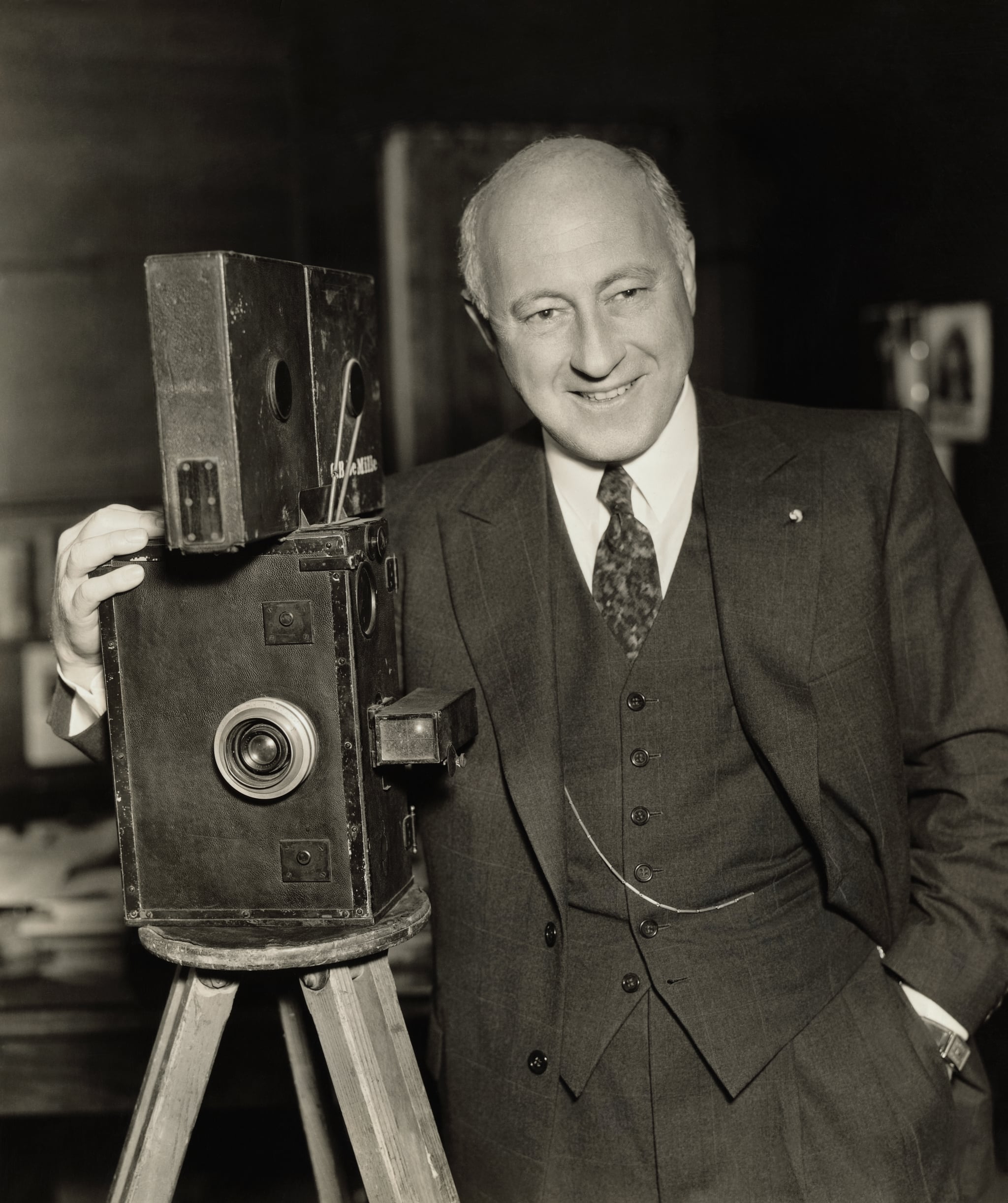
Named in honor of pioneer filmmaker Cecil B. DeMille—whose career spanned the silent era through the golden age of Hollywood cinema—the award was first presented at the 9th Golden Globe Awards in 1952. DeMille himself was the inaugural recipient, recognized for his monumental impact as a director and producer of epic cinema such as The Ten Commandments and The Greatest Show on Earth.
Unlike traditional competitive Golden Globe categories, which rely on ballots cast across hundreds of active voting members evaluating a specific eligibility window, the Cecil B. DeMille Award is an discretionary honor. It serves as both a historical record of cinematic achievement and a showcase for Hollywood royalty.
How Cecil B. DeMille Award Winners Are Selected
Understanding the selection process requires looking past the glamour of the broadcast stage to examine how the organizing bodies evaluate candidates. For decades, the Hollywood Foreign Press Association (HFPA) governed the award. Following major corporate restructuring and the dissolution of the HFPA, ownership transitioned to Eldridge Industries and Dick Clark Productions, with voting and organizational oversight managed under modernized rules.
The Selection Body and Governance
Historically, the board of directors of the presenting organization selected the recipient through private deliberations rather than a full membership vote. This distinct governance structure means the award reflects strategic consensus rather than broad-base statistical polling. The committee evaluates several key parameters when selecting an honoree:
- Body of Work: A sustained, multi-decade career featuring iconic film contributions, critical acclaim, or directorial mastery.
- Global Cultural Impact: Cultural resonance that extends beyond the North American box office to international audiences.
- Industry Influence: Outstanding leadership in producing, directing, acting, or championing artistic shifts in filmmaking.
- Star Power and Event Viability: The recipient's ability to headline a major television broadcast and attract global viewership.
The Dynamics of Campaigning and Politics
While the award honors lifetime achievement, industry insiders acknowledge that selection is rarely devoid of timing and public relations considerations. Studios, publicists, and talent agencies routinely pitch candidates to coincide with major career milestones, film anniversaries, or upcoming retrospective projects.
Because the recipient must accept the award in person and deliver a featured address during the live ceremony, scheduling availability and willing participation are practical requirements. In years where negotiations stall or organizational reforms take precedence, the board has occasionally opted not to confer the award at all.

Debunking Misconceptions About DeMille Honorees
Despite the award's high profile, public understanding of its rules and history is often clouded by persistent myths. Clarifying these misconceptions reveals how the award actually functions within Hollywood's honors ecosystem.
| MISCONCEPTION | FACTUAL REALITY |
|---|---|
| 1. Recipients must have won competitive Oscars. | False. Many winners never won a competitive Academy Award. |
| 2. The award is presented every single year. | False. It has been skipped due to strikes and reforms. |
| 3. Television icons are equally eligible. | False. TV achievements fall under the Carol Burnett Award. |
| 4. Selection is based on general member voting. | False. Honorees are picked by executive leadership. |
Myth 1: Honorees Must Be Prior Academy Award Winners
A widespread assumption is that a Cecil B. DeMille Award winner must already hold competitive Academy Awards or competitive Golden Globes. In truth, competitive hardware is not a prerequisite. Legendary figures have received the DeMille award based on their cumulative influence rather than their competitive trophy counts. The award emphasizes long-term industry significance over seasonal award-season dominance.
Myth 2: The Award Is Given Every Year Without Exception
The Cecil B. DeMille Award is not an obligatory annual fixture. The organization has withheld the award during organizational disruptions, industry labor actions, or ceremony format changes. For example:
- 1976: No award was presented.
- 2008: The 65th Golden Globe ceremony was canceled due to the Writers Guild of America (WGA) strike; designated recipient Steven Spielberg was officially presented with the award the following year in 2009.
- 2022: The award was paused during broad industry boycotts and institutional reforms surrounding the HFPA's governance and diversity standards.
- 2024: The organization elected not to confer a DeMille Award for that ceremony cycle.
Myth 3: The DeMille Award Covers Both Film and Television
While the Golden Globe ceremony celebrates both film and television, the Cecil B. DeMille Award is strictly dedicated to cinematic contributions. To rectify the historic bias toward film figures, the organization established the Carol Burnett Award in 2019 as its equivalent lifetime achievement honor for outstanding contributions to television.
Historical Milestones and Demographic Shifts
The registry of Cecil B. DeMille Award winners mirrors the evolving demographics and political shifts of the entertainment industry. For many years, the award faced scrutiny for a lack of diversity among its honorees, mirroring broader criticism across Hollywood institutions. Over time, key historic milestones have marked gradual progress.
| Year | Recipient | Historical Significance |
|---|---|---|
| 1952 | Cecil B. DeMille | Inaugural recipient; legendary director of Hollywood epics. |
| 1953 | Walt Disney | Early pioneer in animation and studio filmmaking. |
| 1962 | Judy Garland | First female recipient; youngest honoree in history (age 39). |
| 1982 | Sidney Poitier | First Black recipient of the DeMille Award. |
| 2000 | Barbra Streisand | Honored for groundbreaking accomplishments as actress, director, and producer. |
| 2018 | Oprah Winfrey | First Black woman to receive the honor. |
| 2021 | Jane Fonda | Celebrated for cinematic achievement alongside decades of political activism. |
| 2023 | Eddie Murphy | Honored following the reorganization of the Golden Globes governing structure. |
| 2025 | Viola Davis | Recognized for transformational performances and production leadership. |
Gender Representation and Age Anomalies
When Judy Garland received the award in 1962 at age 39, she set a record as the youngest recipient—a landmark that remains unbroken. In contrast, Charlton Heston received the award at age 43 in 1967. In recent decades, the average age of honorees has climbed significantly into the late 60s and 70s, reflecting a shift toward recognizing semi-retired veterans or figures with five decades of screen history.
Female honorees were historically sparse, with gaps spanning multiple years between female inductees. However, since the late 1990s, recipients such as Shirley MacLaine (1998), Barbra Streisand (2000), Jodie Foster (2013), Meryl Streip (2017), Oprah Winfrey (2018), Jane Fonda (2021), and Viola Davis (2025) have balanced the ledger.
Cultural Impact and Unforgettable Ceremony Moments
Because the Cecil B. DeMille Award speech provides an unedited, extended platform on live international television, it has repeatedly served as the backdrop for major cultural statements and industry defining moments.
Meryl Streep (2017)
Upon accepting the award from presenter Viola Davis, Meryl Streep delivered a speech defending press freedom, international diversity in Hollywood, and artistic empathy. The address dominated international news cycles for weeks, illustrating how the DeMille acceptance platform could transcend traditional award-season acceptance speeches to address global political issues.
Oprah Winfrey (2018)
Oprah Winfrey's acceptance speech during the height of the #MeToo movement marked a seminal moment in televised awards history. Expressing gratitude to female pioneers across industries, Winfrey proclaimed that "a new day is on the horizon" for women and marginalized voices. The address was widely praised and underscored the symbolic weight the Cecil B. DeMille Award carries when awarded to societal leaders.
Tom Cruise and the Reform Era Context
The history of the award also intersects with broader industry protest. During the 2021–2022 ethics and diversity crisis surrounding the HFPA, high-profile stars returned their competitive trophies in protest. Although Tom Cruise famously returned his three competitive Golden Globes, honorary lifetime achievements like the DeMille Award became focal points for structural overhaul.
Following the dissolution of the HFPA and the acquisition of the Golden Globes brand by Eldridge Industries and Dick Clark Productions, the selection mechanism for future DeMille honorees was rebuilt to ensure greater accountability, institutional transparency, and voting diversity.
Evaluating the Legacy: How Honorees Shape Film History
The Cecil B. DeMille Award does not merely summarize a career; it actively defines how cinematic legacies are canonized. When an artist receives the award, their filmography undergoes renewed critical evaluation, theatrical re-releases, and digital streaming spotlighting.
- Career Achievement & Legacy
- Executive Board Nomination & Review
- Official Selection & Acceptance
- Live Ceremony Acceptance Address
- Historical Canonization & Catalog Re-evaluation
Criteria for Assessing a Winner's Worthiness
Film scholars and critics typically evaluate a DeMille recipient's legacy across three distinct dimensions:
- Innovation and Technical Contribution: Did the artist alter the way films are made, edited, directed, or distributed? (e.g., Alfred Hitchcock, Steven Spielberg, Walt Disney).
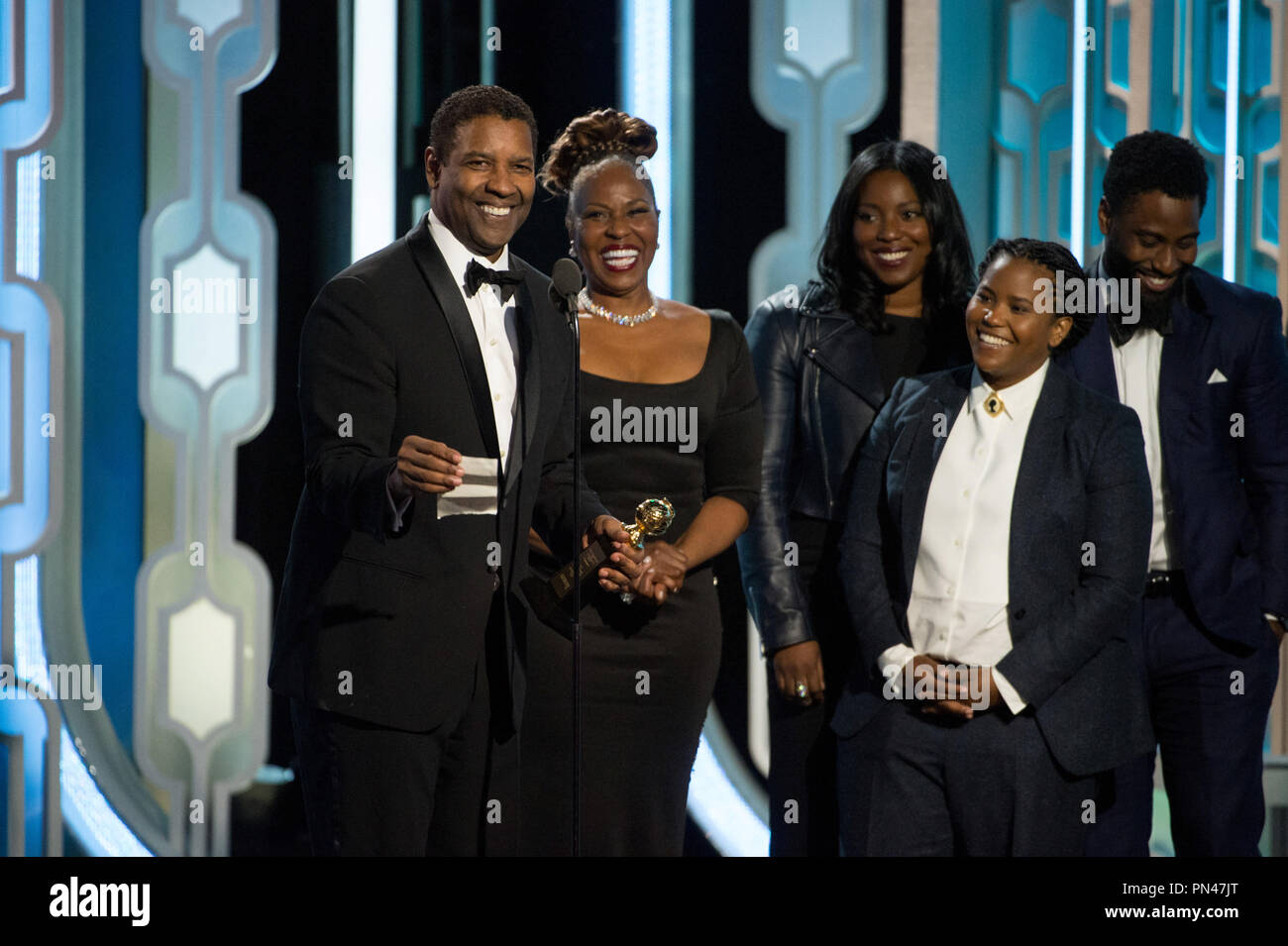
- Cultural and Social Resonance: Did their roles or directorial choices challenge societal norms or shape cultural conversations? (e.g., Sidney Poitier, Jane Fonda, Denzel Washington).
- Enduring Audience Connection: Has their catalog retained box-office viability and audience devotion across generations? (e.g., Harrison Ford, Robert De Niro, Robin Williams).
Frequently Asked Questions
What is the difference between the Cecil B. DeMille Award and the Carol Burnett Award?
The Cecil B. DeMille Award honors lifetime achievement in the film industry, whereas the Carol Burnett Award—established in 2019—honors lifetime achievement in television. Both awards share equal status as the highest honorary accolades presented during the Golden Globe ceremony.
Who was the youngest person to win the Cecil B. DeMille Award?
Judy Garland is the youngest recipient in history, accepting the Cecil B. DeMille Award in 1962 at the age of 39. Among male honorees, Charlton Heston was the youngest when he received the award in 1967 at age 43.
Can an artist win the Cecil B. DeMille Award more than once?
No. The Cecil B. DeMille Award is a single lifetime achievement honor designed to celebrate an entire career. Once an individual receives the award, they are ineligible to receive it again, though they remain eligible for competitive awards in specific production years.
Why is the award named after Cecil B. DeMille?
The award was named after legendary Hollywood director and producer Cecil B. DeMille, who was a dominant force in cinema from the silent film era through the golden age of Hollywood. DeMille was famous for his grand cinematic scope, narrative innovation, and box-office successes. He received the inaugural award himself in 1952.
Who selects the Cecil B. DeMille Award winner?
The recipient is selected by the executive leadership and governing committee of the Golden Globes organization rather than by a general membership ballot. The committee evaluates career longevity, global impact, artistic contribution, and industry leadership when making its selection.
Final Recommendation: How to Track and Study DeMille Winners
For film enthusiasts, students, and media historians seeking to analyze the trajectory of cinema history, studying Cecil B. DeMille Award winners offers a curated roadmap of Hollywood’s development.
To gain a complete understanding of an honoree's impact:
- Review Key Speeches: Watch full acceptance speeches from landmark years (such as 2017, 2018, and 2021) to understand how recipient platforms reflect cultural shifts.
- Compare Filmographies: Trace how winners transitioned from early-career breakthroughs to project stewardship, producing, and directing.
- Cross-Reference Awards: Examine the contrast between competitive award outcomes and honorary lifetime awards to see how industry recognition evolves over time.
By evaluating Cecil B. DeMille Award winners through both an artistic and institutional lens, audiences gain a clearer perspective on how Hollywood defines legendary talent and preserves its cinematic history.
Image Gallery
Select an image to open it in a new tab.




Mateo Castillo
Decentralized Finance and E-Payments Strategist
