
Overcoming a lisp relies on targeted speech exercises that retrain the tongue, lips, and breath support to produce crisp sounds like /s/ and /z/ correctly. By practicing placement drills, auditory discrimination exercises, and systematic tongue-strengthening movements daily, individuals can gradually replace old articulation habits with precise, clear speech patterns.
A lisp is a functional speech articulation disorder characterized by the incorrect production of sibilant sounds, most notably /s/ and /z/, and occasionally "sh," "zh," "ch," and "j." While lisps are common during early childhood development as part of natural speech acquisition, they can persist into adolescence and adulthood. When persistent, a lisp can affect communication confidence in social, academic, and professional environments.
Resolving a lisp is rarely about simply trying harder to speak clearly; it requires neuromuscular re-education. The tongue must learn new muscle memory, breath must be directed properly through the oral cavity, and the teeth must establish the correct anatomical relationship during sound production. Understanding the mechanical nature of speech production forms the foundation for effective intervention.
Understanding the Mechanics of a Lisp
To correct a lisp through targeted exercises, one must first understand what occurs biomechanically inside the oral cavity during proper articulation versus during a lisp. The sound /s/ is a voiceless alveolar sibilant. Producing it correctly requires a precise configuration of the vocal tract.
The Anatomy of Correct /s/ and /z/ Production
When producing a clean /s/ sound, the tip of the tongue rests gently behind the upper front teeth (the alveolar ridge) or just below them, depending on individual dental structure, but it does not touch the biting edges or protrude through the teeth. The sides of the tongue elevate and seal firmly against the upper side teeth (molars). This creates a narrow, central groove down the middle of the tongue over which air is channeled.
When the speaker exhales, a thin, focused stream of air passes through this central groove, hits the cutting edge of the teeth, and creates high-frequency friction. The jaw is nearly closed, and the lips are typically slightly retracted or neutral.
Common Types of Lisps
Lisps are generally categorized into four primary types, each requiring a distinct adjustment in speech exercises:
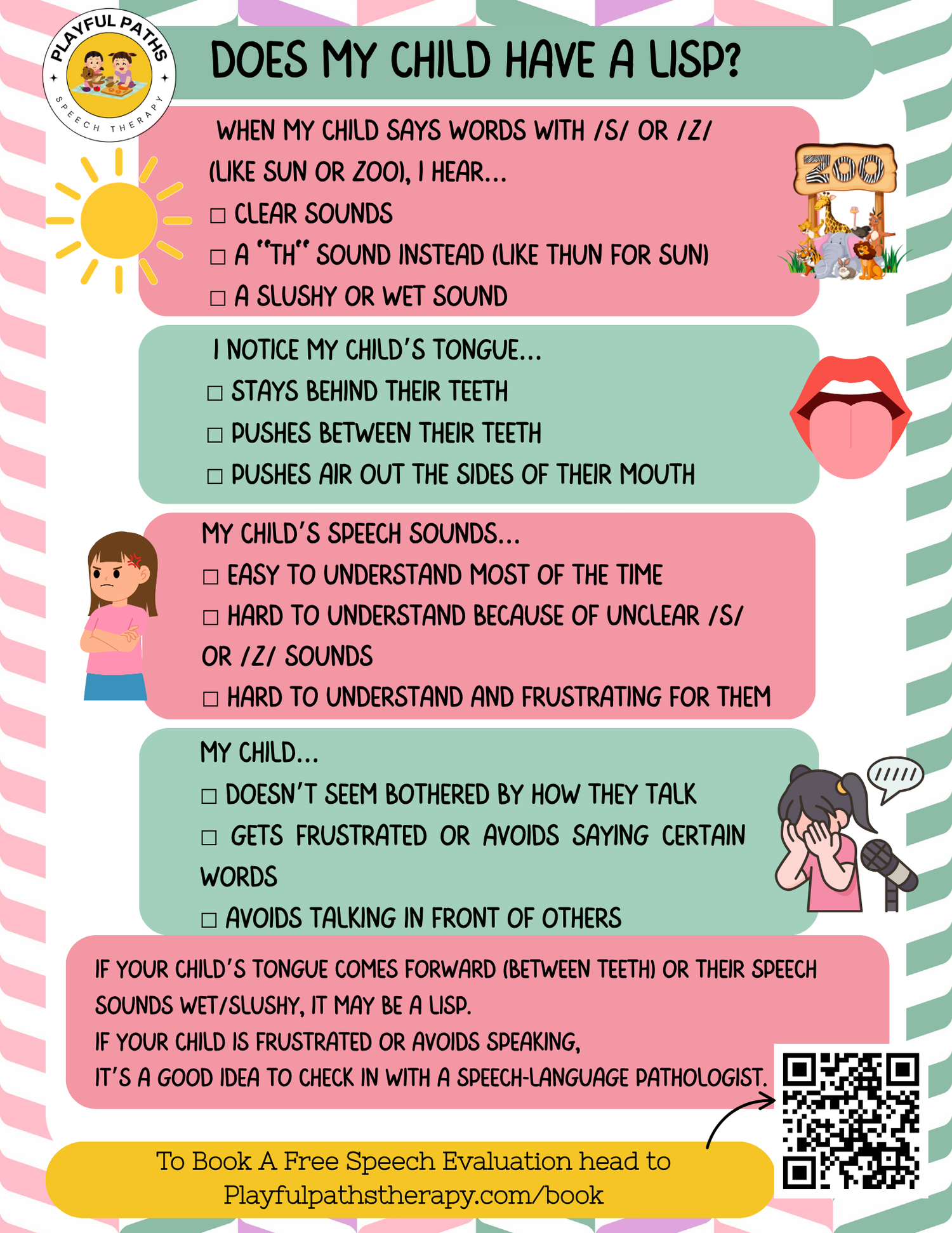
- Interdental Lisp (Frontal Lisp): The tongue pushes forward between the upper and lower front teeth. Instead of a sharp /s/, the sound resembles a "th" (/θ/ or /ð/). For example, "sun" sounds like "thun."
- Dentalized Lisp: The tongue presses flat against the back of the upper front teeth rather than the alveolar ridge. This produces a muffled, heavy /s/ sound because the air escapes too broadly across the teeth.
- Lateral Lisp: The air escapes over the sides of the tongue rather than down the center channel. This creates a wet, slushy, or lateralized sound due to saliva mixing with unchasseled airflow. Lateral lisps are distinct because air leaks laterally over the molars.
- Palatal Lisp: The body of the tongue makes contact with the soft palate (roof of the mouth) during the production of /s/, resulting in a distorted, hollow, or muffled acoustic quality.
Foundational Prerequisites Before Starting Exercises
Before diving into complex speech drills, individuals must establish baseline self-awareness, oral hygiene, and physical control over the articulators. Attempting complex word drills without first mastering isolated tongue placement often reinforces incorrect motor habits.
Developing Auditory Discrimination
Many individuals with lisps have spent years hearing their distorted speech patterns as "normal" because their brains have adapted to process the sound that way. Auditory discrimination exercises train the ear to differentiate between a correct /s/ and an incorrect lisp.
- Listen and Identify: Have a speech-language pathologist (SLP) or a communication partner record pairs of words (e.g., "soup" vs. "thoup," or a correct /s/ vs. an interdental /s/). Listen to the recording and identify which version is correct.
- Self-Monitoring Trials: Speak into a voice recorder, intentionally producing both a lisp and a correct /s/. Play it back and point out the acoustic differences. This builds the real-time self-monitoring skill required during natural conversation.
Oral Rest Posture
An individual's resting tongue posture heavily influences articulation. If the tongue rests low in the floor of the mouth or pushes forward against the teeth while resting, it will default to that position during speech.
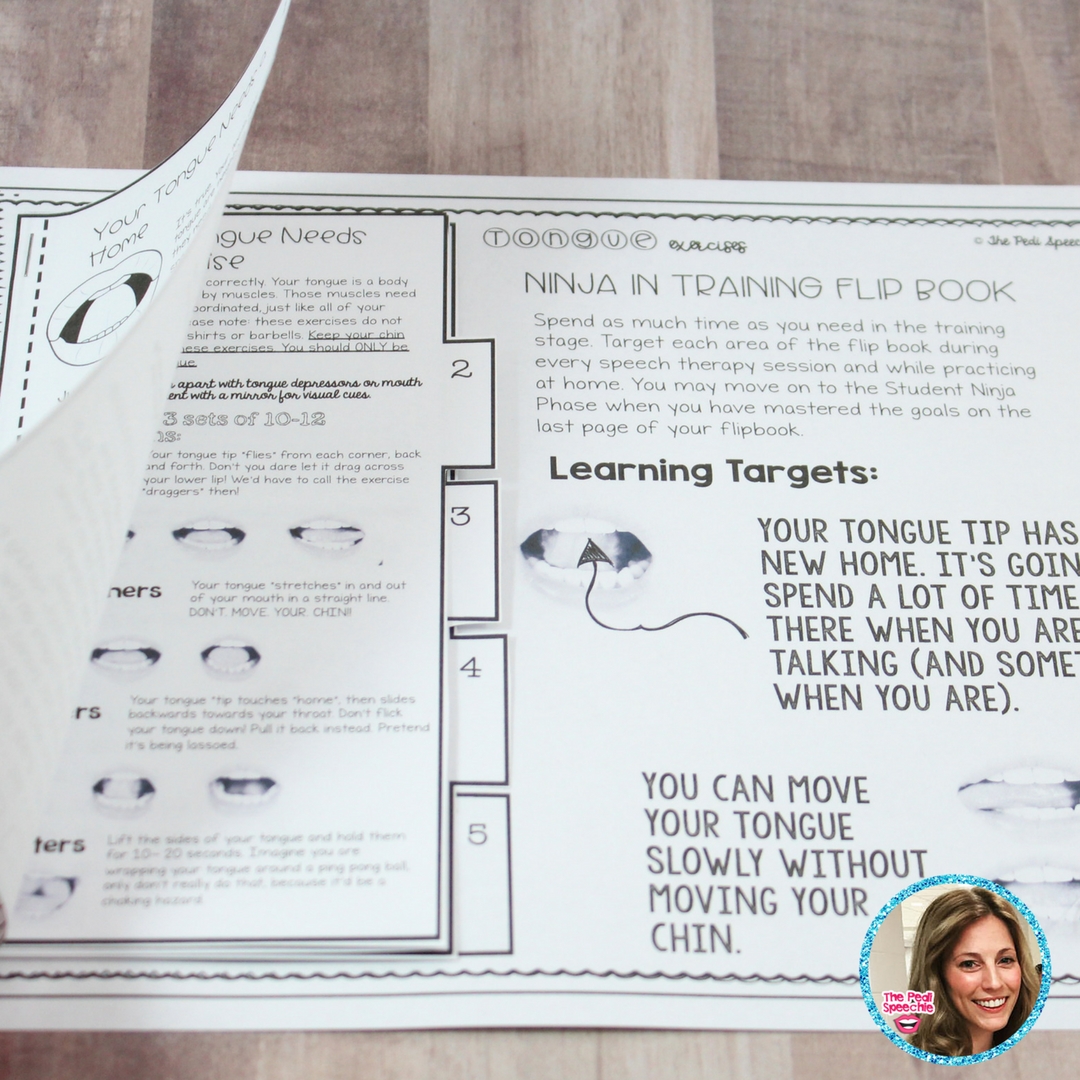
- The "Spot" or "Nudge" Position: Practice keeping the tip of the tongue resting on the spot right behind the upper front teeth (the alveolar ridge) while the teeth are lightly closed and the lips are sealed.
- The "Nasal Breathing" Check: Ensure that breathing occurs primarily through the nose during rest, allowing the jaw to remain closed and the tongue to stay parked in its correct resting posture.

Core Speech Exercises for Lisp Improvement
Structured practice should follow a hierarchical progression, moving from isolation (individual sounds) to syllables, words, structured phrases, sentences, and finally conversational speech.
Phase 1: Isolation Exercises
The goal of isolation exercises is to produce the target sibilant sound cleanly on its own without the interference of surrounding vowels or consonants.
- The Hissing Drill (The Snake Sound):
- Position the teeth together lightly.
- Pull the tongue tip slightly back from the teeth, ensuring it rests behind the lower teeth or alveolar ridge without touching them.
- Keep the sides of the tongue anchored against the upper molars.
- Blow a steady, gentle stream of air over the center of the tongue, making a sustained "sssss" sound. Use the back of your hand in front of your mouth to feel for a cool, steady stream of air rather than a warm, dispersed puff.
- The "T-S" Shaping Technique:
For individuals struggling with an interdental lisp, the tongue often needs physical redirection.
- Say the sound "T" repeatedly: "T-T-T-T." Notice where the tongue tip hits the roof of the mouth right behind the teeth.
- Hold the tongue in that exact "T" position and immediately transition into a continuous "S" sound: "T-sssss."
- The "T" acts as a physical springboard that forces the tongue tip to anchor in the correct alveolar spot before the air is released.
Phase 2: Syllable Practice
Once the isolated sound can be produced cleanly for five consecutive seconds, integrate it with vowels. Vowels require an open vocal tract, which can easily pull the tongue out of position.
- Initial Syllables: Combine the /s/ sound with long vowels. Practice pairs such as:
- S - A (say "sss-ay")
- S - E (say "sss-ee")
- S - I (say "sss-eye")
- S - O (say "sss-oh")
- S - U (say "sss-oo")
- Medial and Final Syllables: Practice placing the sibilant in the middle or end of nonsense or simple syllables:
- A - S - A ("ay-sss-ay")
- E - S - E ("ee-sss-ee")
- A - S ("ay-sss")
- O - S ("oh-sss")
Phase 3: Word-Level Drills
Word practice introduces real vocabulary. Words are categorized based on where the /s/ sound appears: initial (beginning), medial (middle), and final (end). Final /s/ sounds are often challenging because speakers tend to drop them or substitute a "th."
| Position | Target Words | Focus Area |
|---|---|---|
| Initial /s/ | Sun, soap, safe, seed, sit, sock | Keep tongue back; avoid interdental protrusion. |
| Medial /s/ | Basket, castle, messy, lesson, fussy | Maintain lateral molar contact during vowel transitions. |
| Final /s/ | Bus, house, loss, face, grass, kiss | Sustain the airflow to the very end of the word. |
| Blends (/st/, /sp/, /sk/) | Stop, spoon, skate, fast, test, desk | Coordinate rapid closure and release of stop consonants. |
Phase 4: Structured Phrases and Sentences
Moving into carrier phrases and short sentences bridges the gap between mechanical drilling and spontaneous speech.
- Carrier Phrases: Insert target words into repetitive sentence frames to build automaticity:
- "I see a sun."
- "I see a soap."
- "I see a safe."
- Alliterative Sentences: Practice tongue twisters specifically designed to load the mouth with sibilant sounds, forcing sustained control:
- "Sam saw six slim sailors sailing south."
- "Six sticky skeletons sliding down the slide."
- "Sally sells sea shells by the seashore." (Note: Balance speed with precision; slow down if the tongue slips forward).
Phase 5: Conversational Transfer
The final and most difficult phase is transferring correct articulation into everyday conversation.
- Reading Aloud: Read a book or article aloud for five minutes a day, deliberately focusing on over-articulating every /s/ and /z/ sound.
- Structured Monologues: Describe your day or talk about a familiar topic for two minutes while monitoring your tongue placement.
- Partner Cueing: Enlist a family member or friend to offer a subtle hand signal (such as a finger pointing downward or a gentle tap on the wrist) whenever an interdental or lateral lisp slips into casual conversation.
Comparison of Lisp Types and Intervention Strategies
Different types of lisps require customized adjustments to standard speech exercises. Applying a one-size-fits-all drill can worsen specific articulation errors.
| Lisp Type | Primary Mechanical Error | Recommended Corrective Strategy | Common Pitfall to Avoid |
|---|---|---|---|
| Interdental Lisp | Tongue protrudes forward between teeth. | Use the "T-S" shaping technique; practice in front of a mirror with bite blocks. | Letting the jaw drop too wide, which encourages forward tongue movement. |
| Dentalized Lisp | Tongue presses flat against back of front teeth. | Retract tongue tip slightly lower to the alveolar ridge; use straw drills. | Pulling the tongue too far back into a palatal configuration. |
| Lateral Lisp | Air escapes over the sides of the tongue. | Focus heavily on lateral molar seal; use feedback tools to check for wet air leaks. | Focusing solely on the tongue tip while ignoring lateral tongue margins. |
| Palatal Lisp | Tongue body touches the soft palate. | Lower the back of the tongue; practice wide-jaw opening exercises. | Tensing the throat muscles during sound production. |
Specialized Tools and Techniques
When self-guided practice plateaus, speech-language pathologists utilize specific tactile, visual, and biofeedback tools to accelerate progress.
Tactile and Visual Feedback
- The Mirror Check: Always practice exercises in front of a well-lit mirror. Visually verify that the tongue tip remains hidden behind the teeth and does not peek out.
- Tongue Depressors and Straws: Holding a clean straw lightly between the teeth (without biting down hard) can create a physical barrier that prevents the tongue from pushing forward. Alternatively, an SLP may use a tongue depressor to gently guide the tongue tip downward if it creeps forward.
- Visual Biofeedback (Ultrasound and EPG): In clinical settings, ultrasound imaging of the tongue or Electropalatography (EPG) gives patients real-time visual representations of where their tongue contacts the palate during speech.
Breath Support and Management
Airflow regulation is just as important as tongue placement. If a speaker forces too much air out too quickly, the tongue seal breaks, resulting in a distorted, noisy sound.
- Feather or Tissue Drill: Hold a small tissue or feather a few inches away from the mouth. Produce a clean /s/ sound. The tissue should move gently and steadily. If the tissue blows wildly or drops instantly, breath pressure is either too explosive or insufficient.
- Controlled Exhalation: Practice diaphragmatic breathing exercises to ensure airflow originates from the core rather than shallow chest breathing, which destabilizes vocal tract pressure.
Common Mistakes and Troubleshooting
Practicing speech exercises incorrectly can cement bad habits rather than eliminate them. Recognizing common pitfalls helps maintain forward progress.
1. Practicing Too Fast Too Soon
- The Problem: Rushing from isolated sounds directly into rapid conversational speech before the neuromuscular pathways are established.
- The Fix: Adhere strictly to the hierarchy. Do not advance to the next level (e.g., from words to sentences) until you can achieve 90% accuracy at your current level over three consecutive practice sessions.
2. Ignoring Contextual Coarticulation
- The Problem: Mastering /s/ in isolation but losing it entirely when it appears next to specific vowels or consonants (such as rounded vowels like /u/ or /o/).
- The Fix: Target troublesome vowel combinations deliberately. Practice minimal pairs and transition drills that pair /s/ with open front vowels first, moving to closed back vowels later.
3. Excessive Muscle Tension
- The Problem: Clenching the jaw, tightening the neck muscles, or pressing the tongue against the teeth with excessive force in an effort to "control" it.
- The Fix: Speech clarity relies on precision, not brute muscular force. Keep the jaw relaxed, teeth lightly touching, and use gentle, continuous airflow.
Professional Guidance and Next Actions
While daily self-guided practice yields significant improvements for mild articulation errors, persistent lisps—particularly lateral or structural lisps caused by orthodontic issues, tongue-ties (ankyloglossia), or narrow dental arches—often require professional intervention.
- Consult a Speech-Language Pathologist (SLP): A licensed SLP can perform a comprehensive oral-motor and articulation evaluation to pinpoint the exact physiological cause of the lisp and design a customized intervention program.
- Dental and Orthodontic Evaluation: In some cases, structural anomalies such as an open bite, crossbite, or high-arched palate prevent correct tongue placement. Collaborating with an orthodontist alongside speech therapy ensures structural barriers are addressed.
- Daily Consistency: Establish a micro-habit of practicing your targeted exercises for 10 to 15 minutes twice a day. Short, frequent, highly focused sessions outperform long, infrequent practice blocks in establishing permanent motor memory.
Image Gallery
Select an image to open it in a new tab.

Celine Dubois
Contemporary Living and Global Arts Columnist
