Understanding the Pivotal Roles of Prosecutors and Defense Attorneys in the Legal System
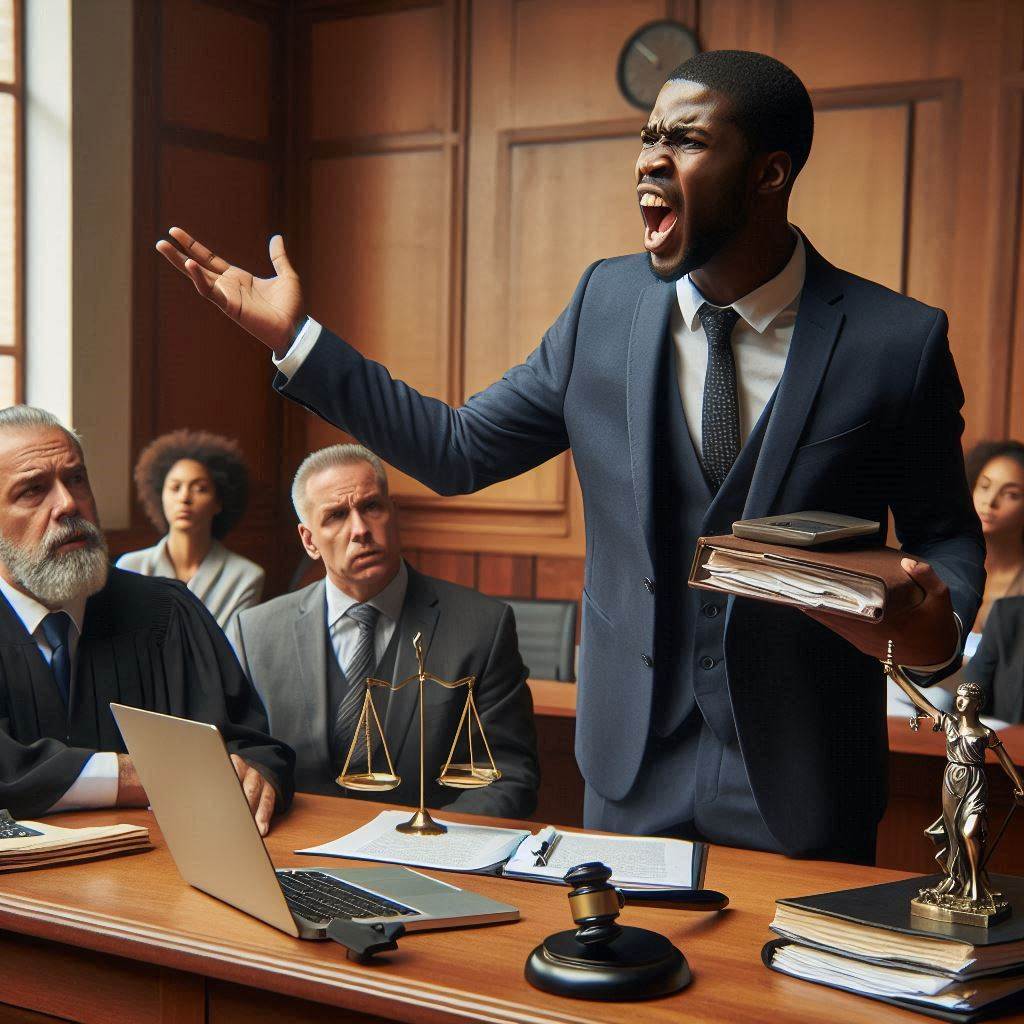
Prosecutors and defense attorneys serve as the primary engines of the adversarial legal system. While the prosecutor represents the government's interest in enforcing laws and seeking justice, the defense attorney protects the constitutional rights of the accused, ensuring a fair trial through zealous advocacy and rigorous scrutiny of the state's evidence.
The criminal justice system in 2026 remains rooted in the adversarial model, a framework where two opposing parties—the prosecution and the defense—present their cases before a neutral judge or jury. This system relies on the friction between these two roles to distill the truth and protect the integrity of the law. To understand how justice is administered, one must look closely at the distinct duties, ethical obligations, and procedural maneuvers that define the daily work of these legal professionals.
The Prosecutor: The Minister of Justice
The prosecutor is often described not merely as an advocate for the state, but as a "minister of justice." This distinction is critical. Unlike a private attorney who represents the specific interests of a person or corporation, the prosecutor represents the "People," the "State," or the "Government." Their primary goal is not to win every case or secure the maximum number of convictions, but to ensure that justice is served.
Discretionary Power and Case Initiation
The role begins long before a trial commences. Prosecutors exercise immense discretionary power in deciding whether to file charges, what specific crimes to charge, and when to dismiss a case for lack of evidence. This "prosecutorial discretion" is a cornerstone of the legal system. In 2026, as caseloads remain high, prosecutors must balance the severity of the offense, the strength of the evidence, and the interests of the community when determining how to proceed.
The Burden of Proof
In any criminal proceeding, the burden of proof rests entirely on the prosecution. They must prove every element of a charged crime beyond a reasonable doubt. This is the highest legal standard in the justice system, designed to prevent the conviction of innocent individuals. To meet this burden, prosecutors work closely with law enforcement agencies, investigators, and forensic experts to gather and present evidence, including witness testimony, physical artifacts, and digital data.
Ethical Obligations: The Brady Rule
One of the most significant ethical duties of a prosecutor is the disclosure of exculpatory evidence. Under the landmark Supreme Court ruling in Brady v. Maryland (and subsequent refinements leading into 2026), prosecutors are constitutionally required to provide the defense with any evidence that might prove the defendant’s innocence or impeach the credibility of a government witness. Failure to do so can lead to overturned convictions, professional sanctions, and civil liability.
The Defense Attorney: The Shield of the Accused
If the prosecutor is the sword of the state, the defense attorney is the shield. Their primary role is to protect the defendant's rights and ensure that the government meets its heavy burden of proof. Whether the defendant is factually innocent or guilty, the defense attorney’s duty remains the same: to provide a "zealous defense" within the bounds of the law.
Constitutional Safeguards
The right to counsel is a fundamental pillar of the legal system, codified in the Sixth Amendment of the U.S. Constitution and similar international human rights frameworks. Defense attorneys represent individuals who are often facing the full weight of government resources. By challenging the state's evidence and ensuring procedural rules are followed, the defense attorney protects not just the client, but the integrity of the system itself.
Types of Defense Counsel
Defense attorneys generally fall into two categories:
- Public Defenders: Government-funded attorneys who represent individuals who cannot afford to hire private counsel. They are often highly experienced trial lawyers but may face significant caseload challenges.
- Private Defense Attorneys: Lawyers hired directly by the defendant. They often have more control over their caseloads and may specialize in specific niches of criminal law, such as white-collar crime or DUI defense.
Attorney-Client Privilege
To provide an effective defense, there must be absolute trust between the attorney and the client. The attorney-client privilege ensures that communications between the two remain confidential. This allows the defendant to be honest about the facts of the case, enabling the attorney to build the most effective legal strategy without fear that the client's disclosures will be used against them in court.

Comparing Key Responsibilities
To better visualize the divergence in their functions, the following table outlines the core differences between the prosecution and the defense.
| Feature | Prosecutor | Defense Attorney |
|---|---|---|
| Primary Client | The Government / The People | The Individual Accused |
| Primary Goal | To Seek Justice | To Protect the Defendant's Rights |
| Burden of Proof | Bears the full burden (Beyond a reasonable doubt) | No burden; must only create "reasonable doubt" |
| Evidence Disclosure | Must disclose all evidence (including exculpatory) | Generally not required to disclose incriminating evidence |
| Source of Funding | Taxpayer funded (Public Office) | Publicly funded or privately paid |
| Case Selection | Decides which cases to bring to court | Must represent the client regardless of personal opinion |
The Procedural Dance: How They Interact
The relationship between prosecutors and defense attorneys is characterized by a mix of conflict and cooperation. While they are adversaries in the courtroom, much of their work occurs through structured interactions designed to move cases through the system efficiently.
Plea Bargaining
The vast majority of criminal cases in 2026 are resolved through plea bargaining rather than a jury trial. This is a process where the prosecutor offers the defendant a chance to plead guilty to a lesser charge or receive a lighter sentence in exchange for waiving their right to a trial.
Defense attorneys play a crucial role here by evaluating the strength of the state's case and advising the client on whether the "deal" is in their best interest. Prosecutors use plea bargains to manage dockets and ensure convictions in cases where a trial might be risky or overly burdensome for victims.
Discovery and Pre-Trial Motions
During the discovery phase, the two sides exchange information. Defense attorneys will often file motions to suppress evidence, arguing that certain items (like a weapon or a confession) were obtained in violation of the defendant's constitutional rights (e.g., an illegal search and seizure). If the defense successfully suppresses key evidence, the prosecutor may be forced to dismiss the charges.
The Trial Phase
When a case goes to trial, the roles become most visible to the public.
- Opening Statements: Both sides outline what they intend to prove.
- Direct Examination: The prosecutor calls witnesses to establish the facts of the crime.
- Cross-Examination: The defense attorney questions those same witnesses to find inconsistencies, biases, or gaps in their testimony. This is often where the defense builds "reasonable doubt."
- Closing Arguments: Both sides summarize the evidence, with the prosecutor making a final plea for justice and the defense highlighting why the state has failed to meet its burden.
The Ethical Tightrope
Both roles are governed by strict codes of professional conduct, often established by state bar associations or national legal bodies. However, they face different ethical pressures.
Prosecutors must avoid "tunnel vision," where they become so convinced of a suspect's guilt that they ignore evidence to the contrary. They must also manage the political pressure that often accompanies high-profile cases, ensuring that the pursuit of a conviction does not override the pursuit of the truth.
Defense attorneys face the ethical challenge of representing clients they may know are factually guilty. The legal system operates on the principle that even the guilty are entitled to a fair trial. The defense attorney’s ethical duty is not to lie or present perjured testimony, but to hold the government to its proofs. If the government cannot prove its case, the defendant must go free, regardless of factual guilt—this is the price of a system that prioritizes the prevention of wrongful convictions.
Common Misconceptions in the Modern Era
As we navigate the legal landscape of 2026, several misconceptions persist regarding these roles.
- "Defense attorneys help criminals get away with it." In reality, defense attorneys ensure the law is followed. If a "criminal" goes free because of a "technicality," it usually means the government broke the law (such as an illegal search). The defense attorney is simply enforcing the rules that protect every citizen.
- "Prosecutors always want the longest sentence." Professional prosecutors often seek rehabilitative outcomes or diversion programs, especially for first-time offenders or cases involving mental health and substance abuse. Their goal is community safety, which isn't always achieved through maximum incarceration.
- "Public defenders are 'worse' than private lawyers." While public defenders are often overworked, they are frequently the most experienced trial lawyers in the courthouse because they handle such a high volume of cases.
Frequently Asked Questions
Can a prosecutor also be a defense attorney?
An individual can serve in both roles during their career, but never at the same time on the same case. Many lawyers start as prosecutors to gain trial experience before moving into private criminal defense. This "switch" is common, though they must be careful to avoid conflicts of interest regarding cases they handled while in their previous role.
What happens if a prosecutor hides evidence?
If a prosecutor fails to disclose exculpatory evidence (a Brady violation), it is a serious breach of ethics and constitutional law. If discovered, the defendant’s conviction can be vacated, and a new trial may be ordered. The prosecutor could also face disciplinary action from the state bar, including disbarment.
Does a defense attorney have to report it if their client confesses to them?
No. Under the rules of attorney-client privilege, a defense attorney cannot disclose a client's past crimes or confessions. However, there is a "future crime" exception: if a client tells their attorney they intend to commit a crime in the future (such as harming a witness), the attorney may be legally and ethically permitted—or required—to alert the authorities.
Who decides the sentence, the prosecutor or the judge?
While prosecutors often recommend a sentence as part of a plea deal or after a trial, the final decision rests with the judge. The judge considers the prosecutor’s recommendation, the defense’s mitigation arguments, and statutory guidelines to determine the appropriate punishment.
Can a defendant fire their attorney?
Yes, defendants generally have the right to change counsel. However, if the trial is already underway or very close, a judge may deny the request if they believe it is a tactic used to delay the proceedings. For public defenders, the defendant usually has to show that there is a "complete breakdown in communication" to have a new court-appointed lawyer assigned.
Summary of Next Actions
If you are involved in a legal matter or seeking to understand the system better, consider these steps:
- Verify Jurisdictional Rules: Criminal procedures vary significantly by state and country. Always check local statutes or court rules.
- Consult Legal Aid: If you are facing charges and cannot afford an attorney, contact your local public defender's office immediately to protect your rights.
- Review Ethical Standards: For a deeper understanding of professional conduct, the American Bar Association (ABA) Criminal Justice Standards provide the foundational guidelines for both prosecution and defense functions.
- Understand Discovery: If you are a defendant, ask your lawyer for a full review of the "discovery" provided by the prosecution to understand the evidence against you.
The balance between the prosecutor and the defense attorney is what maintains the scales of justice. By understanding their distinct but complementary roles, citizens can better appreciate the complexities of the law and the protections afforded to everyone within the judicial system.
Image Gallery
Select an image to open it in a new tab.
Vivian Cho
Executive IT and Emerging Technologies Reporter
