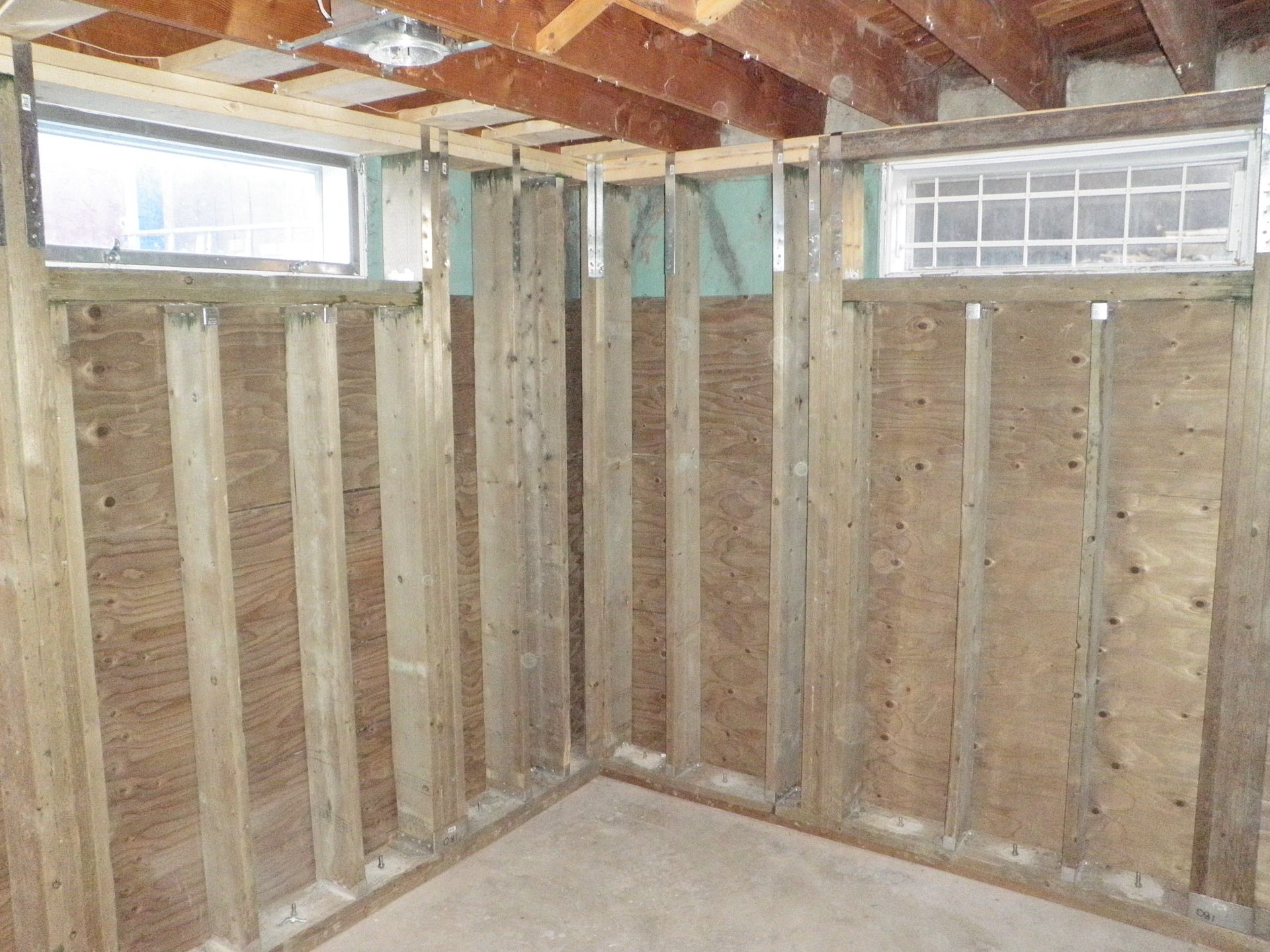
Holes in foundation basement walls—ranging from abandoned form tie locations to structural breaches—require targeted repair strategies using materials like hydraulic cement or polyurethane injection to prevent moisture ingress and structural degradation. Effective remediation involves assessing the hole's origin, ensuring meticulous surface preparation, and selecting a sealant compatible with the wall's concrete or masonry composition.
Categorizing Foundation Wall Deficiencies
Understanding the origin of a hole in a basement wall is the first step toward a permanent technical solution. In residential and commercial construction as of 2026, foundation walls typically consist of poured concrete or Concrete Masonry Units (CMU). The type of hole dictates the specific repair methodology.
Form Tie Holes
In poured concrete foundations, form ties are steel rods used to hold the wooden or metal forms in place while the concrete cures. Once the forms are removed, the ends of these ties are snapped off, often leaving a small, circular hole that penetrates partially or entirely through the wall. Over decades, the remaining metal can corrode, creating a direct conduit for groundwater. These are among the most common sources of seepage in older basements.
Honeycombing and Spalling
Honeycombing refers to areas where the concrete failed to flow around the aggregate during the pour, leaving a "nest" of voids and holes. Spalling, on the other hand, occurs when the internal rebar rusts and expands, forcing chunks of concrete to pop out of the wall surface. Both conditions create significant surface irregularities and deep holes that compromise the wall's impermeability.
Utility Penetrations
Holes are often intentionally drilled for plumbing, electrical conduit, or gas lines. If the sealant around these penetrations fails due to age, thermal expansion, or soil settlement, they become primary entry points for water. Repairing these requires materials that can bond to both the concrete and the pipe material (such as PVC or copper).
Structural Cracks and Impact Voids
While a crack is technically different from a "hole," large shear cracks or holes caused by physical impact or extreme hydrostatic pressure require structural reinforcement rather than simple plugging. These holes often indicate that the wall is moving or bowing, necessitating a more complex engineering intervention.
The Science of Repair Materials
Selecting the correct material is governed by the presence of water, the required bond strength, and the need for flexibility. In 2026, professional-grade kits have made advanced resins more accessible, but traditional cementitious repairs remain the standard for many applications.
Hydraulic Cement
Hydraulic cement is a specialized blend of Portland cement and additives that cause the material to expand slightly as it sets. Unlike standard mortar, it sets in three to five minutes and can cure even while submerged in water. Its expansion ensures a tight mechanical bond within the hole, making it the primary choice for "plugging" active leaks.
Polyurethane Foam Injection
For holes that go entirely through the wall, especially in poured concrete, polyurethane injection is the preferred technical solution. The resin is injected under low pressure into the void, where it reacts with moisture to expand up to 20 times its liquid volume. This expansion fills the entire cavity from the inside out, including the space behind the wall, creating a flexible, waterproof gasket.
Epoxy Resins
Epoxy is used when structural restoration is required. If a hole is part of a larger crack or if the wall’s integrity is compromised, epoxy provides a bond that is actually stronger than the original concrete. However, epoxy is rigid and does not handle wall movement well, nor can it be used effectively in the presence of active water flow during application.
Detailed Technical Repair Procedures
A successful repair depends 10 percent on the material and 90 percent on the preparation. Failure to properly clean and shape the hole is the most common reason for repair failure within the first year.
The Dovetail Technique for Cementitious Repairs
When using hydraulic cement or mortar to fill a hole, a "dovetail" or "inverted V" cut is essential. Using a cold chisel and a hammer, the technician must widen the back of the hole so that it is wider than the surface opening. This creates a mechanical lock; once the cement hardens, it cannot be pushed out by external water pressure because the patch is physically larger than the exit point.
- Preparation: Remove all loose concrete, dirt, and efflorescence (white salt deposits) using a wire brush.
- Shaping: Chisel the hole to a minimum depth of one inch, ensuring the back is wider than the front.
- Wetting: Dampen the concrete. Concrete is porous; if the hole is dry, it will suck the moisture out of the repair material, preventing a proper cure.
- Mixing: Mix the hydraulic cement in small batches that can be applied within three minutes.
- Packing: Press the material firmly into the hole. Hold it in place with a gloved hand or a trowel until the initial set occurs to prevent the expansion from pushing the plug out.
High-Pressure vs. Low-Pressure Injection
For deep voids or utility penetrations, injection is more reliable than surface patching.
- Low-Pressure Injection: Used for DIY-friendly kits. Ports are adhered to the wall over the hole, and a manual caulk gun is used to move the resin through the wall.
- High-Pressure Injection: Utilized by professionals for massive voids or honeycombing. This requires specialized pumps that can force material into the smallest microscopic pores of the concrete.
Comparing Repair Methodologies
The following table compares the most common methods for repairing foundation holes based on 2026 industry standards.
| Method | Best Use Case | Pros | Cons |
|---|---|---|---|
| Hydraulic Cement | Active leaks, form tie holes | Fast-setting, inexpensive, easy to apply | Rigid, may crack if wall moves |
| Polyurethane Injection | Deep holes, through-wall voids | Flexible, fills hidden cavities, permanent | Requires specialized ports, messy |
| Epoxy Injection | Structural holes/cracks | High strength, restores integrity | Cannot be used with active leaks, rigid |
| Crystalline Sealants | Seeping honeycombed areas | Becomes part of the concrete structure | Slow process, requires damp surface |
| Bentomite Plugs | Exterior-side holes | Extremely effective water barrier | Requires access to the outside of the wall |
Structural Considerations and Safety
Not every hole is a simple DIY project. In certain scenarios, a hole is a symptom of a larger mechanical failure of the foundation system.
When to Consult a Structural Engineer
If a hole is accompanied by horizontal cracking, significant bowing (more than 1/4 inch), or if the hole is located near the corners of the basement, a structural engineer should be consulted. According to standards maintained by the International Code Council (ICC), any repair that involves the structural stability of a load-bearing wall must meet specific load-path requirements.
Hydrostatic Pressure Management
Filling a hole stops the water from entering at that specific point, but it does not remove the water pressure from the outside of the wall. In high-water-table areas, plugging one hole may simply force the water to find the next weakest point, such as the floor-to-wall cove joint. A comprehensive repair often includes improving exterior drainage, such as cleaning gutters or installing a French drain, to reduce the "head pressure" against the foundation.
Safety Protocols
Basement repair involves risks including silica dust inhalation and chemical exposure. When chiseling concrete, OSHA-compliant respirators (N95 or better) are necessary to prevent silicosis. When using epoxies or polyurethanes, ensure adequate ventilation, as the volatile organic compounds (VOCs) can accumulate in enclosed basement spaces.
Environmental Impacts on Repair Longevity
The durability of a foundation repair is heavily influenced by the soil chemistry surrounding the basement. Soils with high sulfate content can attack traditional Portland-based cements, leading to a breakdown of the patch over time. In these environments, sulfate-resistant cements or synthetic resins are required.
Furthermore, the freeze-thaw cycle plays a critical role. In northern climates, water trapped in a poorly filled hole can freeze, expand, and shatter the patch. This is why the "dovetail" method and the use of flexible polyurethanes are emphasized in technical manuals; they allow for the slight thermal expansion and contraction of the foundation wall without failing.
Frequently Asked Questions
Can I use regular mortar to fix a hole in my foundation?
Standard mortar is generally insufficient for foundation holes because it shrinks as it cures. This shrinkage creates microscopic gaps between the patch and the original concrete, which will eventually leak under hydrostatic pressure. Hydraulic cement or specialized non-shrink grouts are required for a water-tight seal.
How do I stop water that is currently spraying out of a hole?
Hydraulic cement is designed for this specific scenario. You must mix the cement and wait until it begins to feel warm and slightly stiff in your hand (the "hot" stage). Quickly press it into the hole and maintain heavy pressure for several minutes. The expansion of the cement as it sets will fight against the incoming water pressure to create a plug.
Is polyurethane injection better than a surface patch?
For any hole that goes entirely through the wall, injection is technically superior. A surface patch only stops water at the interior face, allowing the rest of the wall to remain saturated with water, which can lead to rebar corrosion and further degradation. Injection fills the entire thickness of the wall, keeping the water on the outside where it belongs.
What should I do if a hole is around a pipe?
Holes around utility pipes require a flexible sealant because pipes vibrate and expand/contract at different rates than concrete. Using a rigid material like hydraulic cement often results in a crack forming around the pipe within a year. A specialized wall sleeve or a high-performance flexible polyurethane sealant is recommended for these penetrations.
How long do foundation hole repairs last?
A professionally executed polyurethane injection or a correctly dovetailed hydraulic cement patch can last the life of the structure, often 30 to 50 years. However, if the underlying cause of the hole—such as poor site drainage or structural settling—is not addressed, new holes or cracks will likely develop nearby.
Recommendations for Action
To effectively resolve foundation wall holes, begin with a thorough cleaning of the area to determine the true extent of the void. For non-structural, active leaks, utilize the dovetail technique with hydraulic cement. For deep, dry voids or recurring seepage from form-tie locations, employ a low-pressure polyurethane injection kit. Always prioritize the management of exterior groundwater by ensuring that downspouts discharge at least 10 feet away from the foundation. If the holes are part of a pattern of wall movement, stop work immediately and seek a professional assessment from a licensed structural engineer to ensure the safety of the building’s load-bearing capacity.
Image Gallery
Select an image to open it in a new tab.
Vivian Cho
Executive IT and Emerging Technologies Reporter
