The Most Common Myers-Briggs Personality Type: ISFJ Characteristics and Statistics
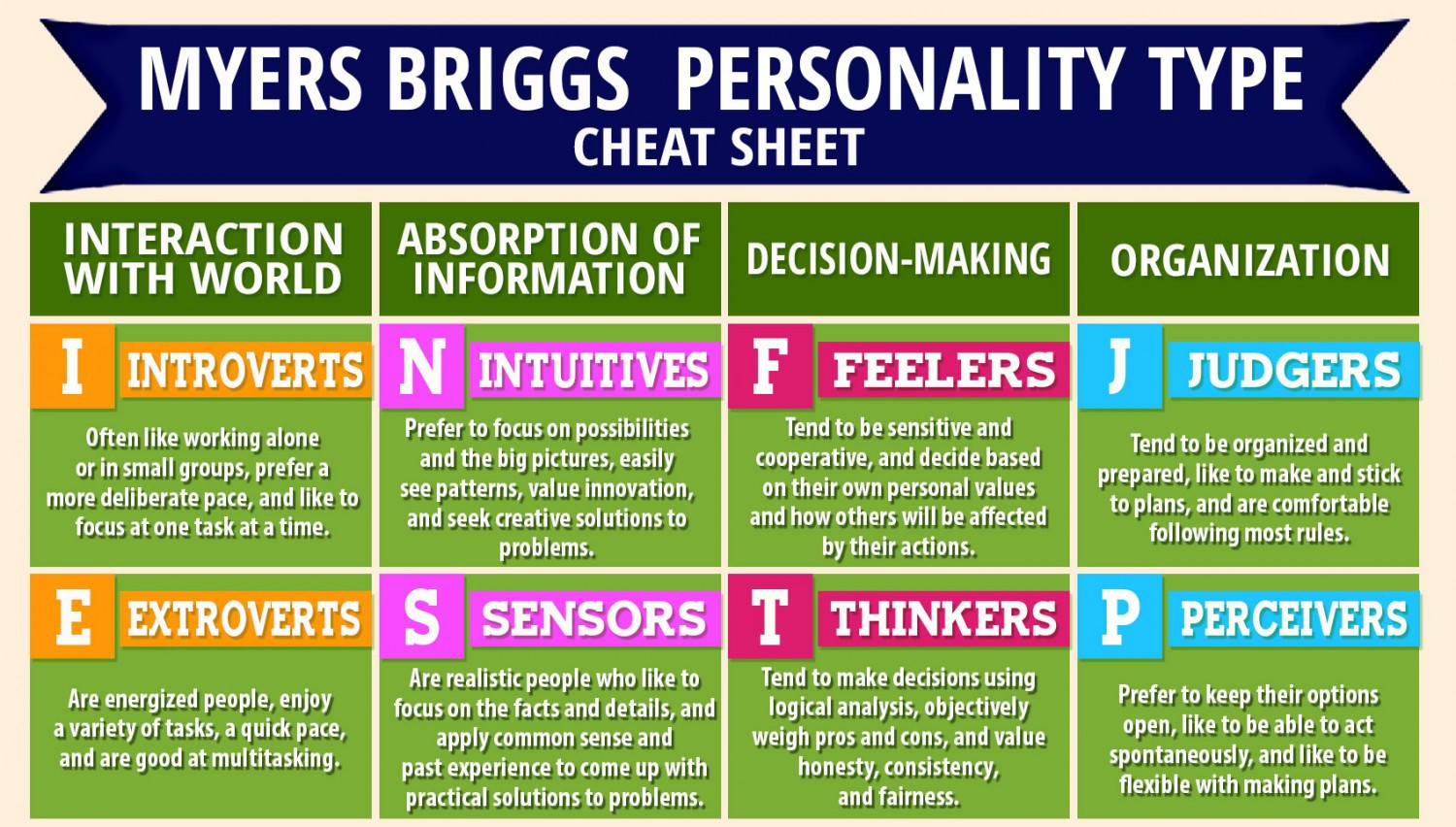
The ISFJ (Introverted, Sensing, Feeling, Judging) personality type is the most common Myers-Briggs type, accounting for approximately 13.8% of the general population. Often referred to as "The Defender" or "The Protector," ISFJs are characterized by their reliability, practical nature, and deep sense of duty toward their communities and families.
Understanding the ISFJ: The World’s Most Frequent Personality
To understand why the ISFJ type is so prevalent, one must first break down the four dichotomies that define it. The Myers-Briggs Type Indicator (MBTI) classifies individuals based on preferences in how they direct their energy, take in information, make decisions, and organize their lives.
Introversion (I)
ISFJs are introverted, meaning they gain energy from their internal world. However, unlike some more reclusive introverted types, ISFJs are often "social introverts." They value deep, meaningful connections and are frequently found in supportive roles within their social circles. Their introversion manifests as a need for quiet reflection to process the sensory data they absorb throughout the day.
Sensing (S)
The Sensing preference is a major contributor to the high frequency of this type. Sensing individuals focus on the "here and now," relying on their five senses and concrete facts. In the global population, Sensing types significantly outnumber Intuitive types (N). ISFJs use Sensing to maintain a vast internal library of facts about the people and environments they care about, making them exceptionally detail-oriented.
Feeling (F)
ISFJs make decisions based on their values and the impact those decisions will have on others. This "Feeling" preference drives their desire for harmony. They are often the peacekeepers in families and workplaces, prioritizing the emotional well-being of the group over cold, abstract logic.
Judging (J)
The Judging preference indicates a desire for structure and closure. ISFJs prefer to have a plan, follow a schedule, and meet deadlines. They are not fans of ambiguity or last-minute changes. This trait makes them highly reliable and sought-after in professional environments that require consistency and order.
Why the ISFJ Type Dominates Population Statistics
The prevalence of the ISFJ type is not accidental; it reflects the fundamental needs of human society. For a civilization to function smoothly, it requires individuals who are dedicated to maintaining traditions, ensuring stability, and caring for the vulnerable.
The "Backbone" of Society
Sociologists and psychologists often refer to the "SJ" temperament—which includes ISFJ, ESFJ, ISTJ, and ESTJ—as the "Guardians." These four types together make up nearly 50% of the population. The ISFJ, as the most common among them, serves as the primary caregiver and stabilizer. Their natural inclination toward service and administrative excellence provides the foundational labor that keeps schools, hospitals, and civic organizations running.
Evolutionary Advantages
From an evolutionary perspective, the traits of an ISFJ are highly adaptive. A community thrives when it has members who remember which plants are poisonous (Sensing), who prioritize group cohesion (Feeling), and who ensure that food and resources are stored for the winter (Judging). The "Protector" archetype is essential for the survival of the species, which may explain why these traits are so widely distributed in the gene pool.

Demographic Distribution and Global Trends in 2026
As of 2026, data from the Myers & Briggs Foundation and various global psychological databases continue to show consistent patterns in type distribution. While ISFJ remains the leader, the frequency varies slightly when adjusted for gender and region.
Gender-Based Frequency
The ISFJ type is notably more common among women than men. Approximately 19% of women identify as ISFJs, compared to about 8% of men. This discrepancy often aligns with traditional societal expectations of nurturing and organizational roles, though modern psychological research suggests these preferences are deeply rooted in both biological and environmental factors.
The Most Common MBTI Types Ranked
The following table illustrates the distribution of the five most common personality types based on the latest available standardized data.
| Rank | MBTI Type | Population Percentage | Primary Archetype | Core Strength |
|---|---|---|---|---|
| 1 | ISFJ | 13.8% | The Defender | Reliability and Caretaking |
| 2 | ESFJ | 12.3% | The Provider | Social Harmony and Support |
| 3 | ISTJ | 11.6% | The Logistician | Practicality and Order |
| 4 | ISFP | 8.8% | The Adventurer | Artistic Sensitivity |
| 5 | ESTJ | 8.7% | The Executive | Efficiency and Direction |
The Cognitive Functions of the ISFJ
To truly understand why the ISFJ behaves the way they do, we must look beyond the four-letter code and examine their cognitive functions. These are the internal mental processes that dictate how an individual interacts with the world.
- Dominant: Introverted Sensing (Si): This function allows the ISFJ to store every detail of their experience. They are often the people who remember birthdays, anniversaries, and exactly how a colleague likes their coffee. Si provides a strong sense of internal stability and a reverence for the past.
- Auxiliary: Extraverted Feeling (Fe): This is the "nurturing" function. It seeks out social cues and works to meet the needs of others. Fe makes the ISFJ incredibly observant of other people's emotions, often knowing someone is upset before that person says a word.
- Tertiary: Introverted Thinking (Ti): ISFJs use Ti to make sense of the information gathered by Si. It provides a logical framework for their personal observations, though it is often secondary to the emotional needs identified by Fe.
- Inferior: Extraverted Intuition (Ne): As their least developed function, Ne can cause ISFJs stress when they are faced with too many possibilities or sudden changes. However, as they mature, they learn to use Ne to become more open to new experiences and creative problem-solving.
Challenges Faced by the Most Common Type
Being part of the most common personality group comes with its own set of unique challenges. Because ISFJs are so reliable and numerous, their contributions are often taken for granted.
The "Invisibility" of the Defender
ISFJs tend to work behind the scenes. They are not usually the ones seeking the spotlight or demanding recognition for their hard work. In a corporate environment, this can lead to being passed over for promotions in favor of more outspoken, "Extraverted" types, despite the ISFJ often being the one who keeps the department functioning.
Difficulty Saying "No"
Because of their dominant Extraverted Feeling (Fe), ISFJs struggle with boundaries. They have a deep-seated need to be helpful, which can lead to burnout. In 2026, with the rise of digital connectivity and "always-on" work cultures, ISFJs are particularly susceptible to emotional exhaustion as they attempt to carry the weight of everyone else's expectations.
Resistance to Change
With Introverted Sensing (Si) as their primary driver, ISFJs value tradition and proven methods. While this provides stability, it can make them appear rigid in the face of innovation. They may require more time than other types to process and accept systemic changes, preferring to stick with "what has always worked."
Comparing ISFJ to the Rarest Types
Understanding the most common type is only possible by contrasting it with the rarest. For decades, the INFJ (Introverted, Intuitive, Feeling, Judging) was cited as the rarest type, making up only about 1.5% of the population. However, recent data suggests that the ENTJ and INTJ are also exceptionally rare, particularly among women.
The primary difference lies in the Sensing vs. Intuition divide. Approximately 70-75% of the population possesses a "Sensing" preference. This means the majority of the world is geared toward practical, tangible results. The "Intuitive" types (the remaining 25-30%) often feel like outsiders because they focus on abstract patterns and future possibilities—concepts that may seem impractical to the ISFJ majority.
Career Paths for the ISFJ in the Modern Economy
In 2026, the job market has shifted toward roles that require high emotional intelligence (EQ) and meticulous attention to detail—two areas where ISFJs excel. While they are often associated with traditional roles, their skills are highly transferable to modern tech and service sectors.
- Healthcare and Nursing: The ISFJ’s natural desire to care for others makes them elite medical professionals. They are often the "heart" of a hospital unit.
- Education: As teachers, ISFJs provide the structure and warmth children need to feel safe and engaged in learning.
- Customer Success and User Experience (UX): In the tech world, ISFJs use their Feeling and Sensing traits to understand user pain points and provide practical, empathetic solutions.
- Administration and Operations: Their ability to manage complex schedules and maintain order is vital for any organization’s logistical health.
Frequently Asked Questions
Does being a "common" type mean I’m not unique?
Personality types describe broad preferences and mental patterns, not the entirety of your soul. While your MBTI type might be common, your personal history, values, intelligence, and life experiences are entirely unique. Think of your type as the "hardware" and your personality as the "software" you’ve developed over a lifetime.
Can a person's MBTI type change over time?
According to the official Myers-Briggs theory, your fundamental type remains stable throughout your life. However, how you express that type changes as you develop your "lower" functions (Ti and Ne for an ISFJ). An ISFJ in their 40s may appear much more spontaneous and logical than they were in their 20s.
Why is Sensing more common than Intuition?
From a historical and biological perspective, a society comprised mostly of "Intuitive" types (who focus on what could be) would struggle with the daily requirements of survival (what is). Sensing types provide the practical labor and consistent attention to detail required to maintain the physical world, making their higher frequency a survival necessity for the human race.
Is the ISFJ the same as the "Protector" in other systems?
The ISFJ is often called "The Protector" or "The Defender" in the Keirsey Temperament Sorter and the 16Personalities framework. While there are slight nuances in how these systems describe the type, they all point toward the same core traits: loyalty, practicality, and a service-oriented mindset.
Are there any famous ISFJs?
While personality typing public figures is often speculative, many experts point to figures like Queen Elizabeth II, Rosa Parks, and King George VI as classic examples of ISFJs. These individuals were known for their sense of duty, quiet strength, and commitment to their roles.
Final Recommendations for ISFJs and Those Who Know Them
If you have identified as an ISFJ, the most important action you can take is to practice assertiveness and boundary-setting. Your natural inclination to help others is a superpower, but it must be managed to avoid resentment and burnout. In professional settings, make a conscious effort to document and share your achievements, as your quiet nature may otherwise lead to being undervalued.
For those who live or work with an ISFJ, the best way to support them is through clear appreciation and consistency. They do not need grand gestures, but a sincere "thank you" for the small, invisible tasks they perform goes a long way. Provide them with the structure they crave and give them space to recharge after social interactions. Understanding the most common personality type allows us to better appreciate the invisible scaffolding that keeps our society upright.
Image Gallery
Select an image to open it in a new tab.
Akira Tanaka
International Academic Trends Correspondent
