Comprehensive Guide to Cloud-Based Networking: Architecture, Benefits, and Implementation
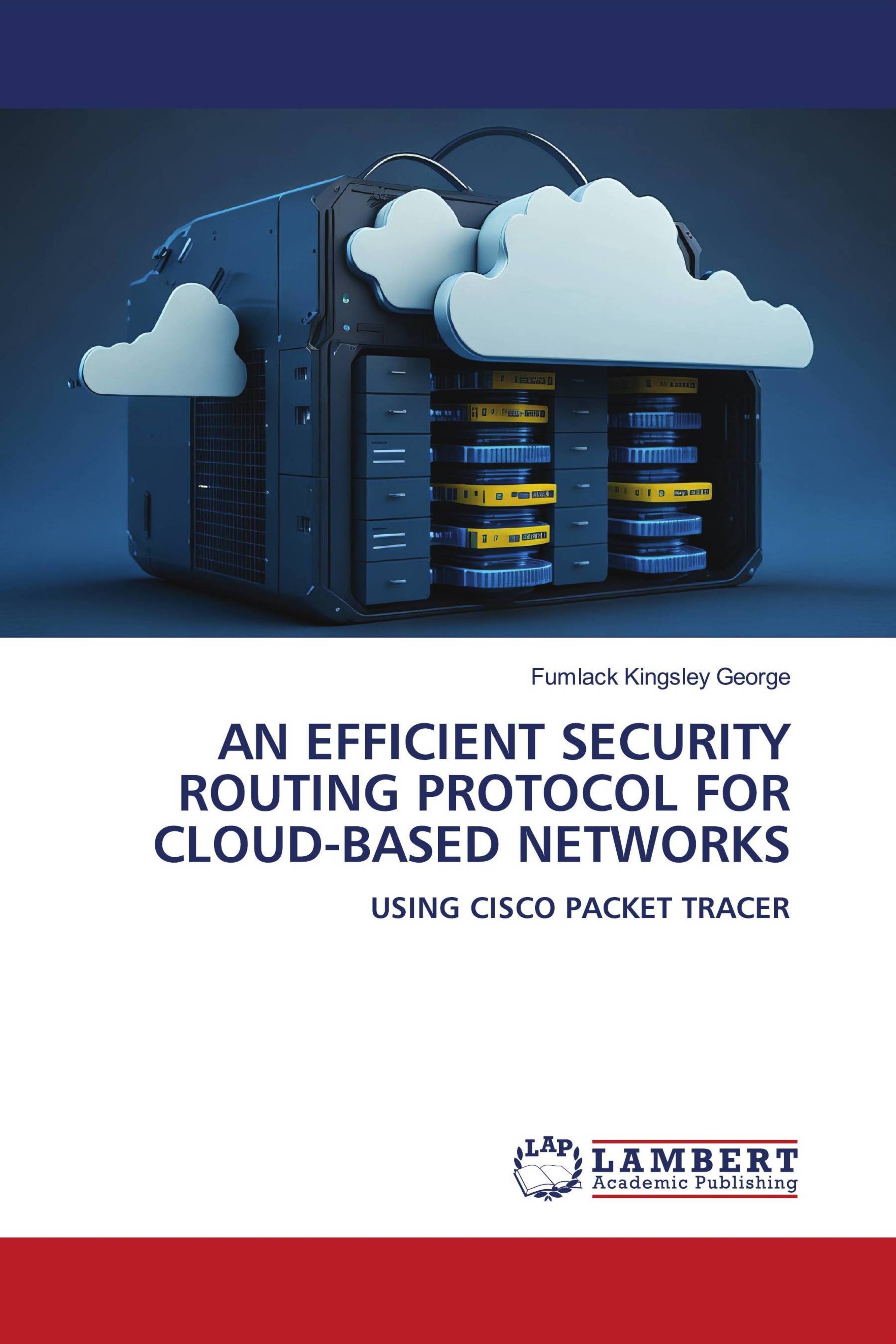
Cloud-based networking decouples physical networking hardware from control planes and management interfaces, shifting routing, switching, security policies, and traffic optimization into centralized cloud environments to deliver scalable, flexible, and globally accessible connectivity for modern enterprises.
The transition from rigid, hardware-bound data center architectures to agile, software-defined ecosystems has fundamentally transformed how organizations design, deploy, and manage their IT infrastructure. As distributed workforces, multi-cloud strategies, and data-intensive applications become the default operating model, traditional enterprise networks face significant bottlenecks. Manual provisioning, hardware lifecycle management, and static routing protocols can no longer keep pace with the dynamic demands of contemporary digital business.
Addressing these challenges requires a comprehensive shift toward cloud-based networking. By centralizing management planes and leveraging virtualized routing fabrics, organizations can build resilient, highly secure connectivity models that scale instantly with business growth.
Core Architecture and Operational Principles
Understanding cloud-based networking requires examining the foundational shift from physical appliances to software-defined abstractions. In traditional networking, administrators manually configure individual switches, routers, and firewalls using command-line interfaces or proprietary management tools. Each physical device maintains its own control plane and data plane, making network-wide changes tedious and prone to human error.
Cloud-based networking decouples these functions:
- The Control Plane: The decision-making engine that determines where traffic should go is centralized in the cloud. It maintains global visibility over the entire network topology, automatically calculating optimal paths and distributing routing instructions.
- The Data (Forwarding) Plane: The underlying hardware or virtual infrastructure that actually moves packets from source to destination executes the instructions provided by the control plane.
- The Management Plane: A single-pane-of-glass dashboard hosted in the cloud allows engineers to define policies, monitor performance, and push configuration updates across thousands of nodes simultaneously.
This architectural split enables centralized orchestration. When an administrator creates a new security policy or virtual private cloud (VPC) peering connection, the cloud management orchestrator translates that intent into specific configurations and pushes them to the edge devices or virtual gateways automatically.
Key Benefits of Cloud-Based Networking Models
Adopting a cloud-centric networking strategy delivers substantial operational and financial advantages compared to legacy hardware refreshment cycles. Organizations moving away from physical infrastructure realize immediate gains in agility, visibility, and cost predictability.
Global Scalability and Agility
Traditional network expansions require procuring, shipping, racking, and stacking physical hardware—a process that can take weeks or months. Cloud-based networks allow organizations to spin up virtual routers, secure tunnels, and load balancers globally in minutes. Whether expanding into a new international region or scaling up bandwidth for a seasonal traffic spike, resources provision dynamically via API calls or dashboard clicks.
Enhanced Visibility and Centralized Management
Managing disparate branch offices, remote workers, and multi-cloud environments becomes drastically simpler with unified dashboards. Administrators gain end-to-end visibility into traffic patterns, latency bottlenecks, and security events across the entire enterprise footprint. Real-time telemetry and automated alert systems reduce Mean Time to Detection (MTTD) for network anomalies.
CapEx to OpEx Financial Shift
Capital expenditure (CapEx) for enterprise networking involves heavy upfront investments in hardware that depreciates over time and requires periodic replacement. Cloud-based networking operates primarily on an operational expenditure (OpEx) subscription or consumption-based model. Organizations pay only for the bandwidth, ports, and services they consume, aligning IT costs directly with business usage.

Major Components and Implementation Approaches
Implementing a cloud-based network involves several interconnected components and architectural patterns tailored to specific organizational needs.
Software-Defined Wide Area Networking (SD-WAN)
SD-WAN acts as the WAN edge of cloud-based networking. By virtualizing WAN connections, SD-WAN aggregates multiple transport types—such as Multiprotocol Label Switching (MPLS), broadband internet, and 5G cellular—into a single, logical, software-managed pool. It dynamically steers mission-critical application traffic across the most performant and cost-effective path available in real time.
Cloud Virtual Private Clouds (VPCs) and Virtual Networks
Public cloud providers—including Amazon Web Services (AWS), Microsoft Azure, and Google Cloud Platform (GCP)—provide foundational networking building blocks like AWS VPCs, Azure Virtual Networks, and GCP VPCs. These constructs allow organizations to isolate resources, define custom IP address ranges, configure subnets, and establish secure gateways connecting cloud workloads back to on-premises data centers via IPsec VPNs or dedicated fiber connections like AWS Direct Connect or Azure ExpressRoute.
Secure Access Service Edge (SASE) and Zero Trust
As corporate perimeters dissolve, traditional castle-and-moat security models fail. Cloud-based networking integrates tightly with SASE and Zero Trust Network Access (ZTNA) frameworks. Instead of backhauling remote worker traffic through a central data center firewall, SASE inspects and secures traffic at the cloud edge nearest the user, applying identity-based policies before granting access to specific applications.
| Component / Technology | Primary Function | Ideal Use Case | Key Advantage |
|---|---|---|---|
| SD-WAN | Virtualizes and optimizes WAN edge connectivity across multiple transport links. | Connecting branch offices and retail locations to cloud applications. | Reduces MPLS costs and improves SaaS application performance. |
| Cloud VPC / VNet | Provides isolated, customizable virtual network environments within public clouds. | Hosting scalable cloud applications, databases, and microservices. | Instant provisioning and granular subnet/routing control. |
| Cloud Interconnect | Establishes high-speed, private, low-latency links between on-prem and cloud. | Hybrid cloud workloads requiring predictable, high-throughput data transfer. | Bypasses the public internet for secure, reliable connectivity. |
| SASE / ZTNA | Delivers converged network and security services from a distributed cloud edge. | Securing hybrid workforces and decentralized multi-cloud access. | Consistent security enforcement regardless of user location. |
Evaluating Challenges and Potential Drawbacks
While cloud-based networking offers compelling advantages, organizations must carefully evaluate potential operational hurdles and architectural risks before migration.
- Internet Dependency and Latency: Because cloud-based networks rely heavily on internet connectivity for management and often for data transit, service provider outages or high packet jitter can impact user experience. Proper redundancy and diverse ISP links are mandatory.
- Security and Compliance Complexity: Centralizing network management in the cloud expands the potential blast radius of configuration errors. A single misconfigured routing table or firewall rule can unintentionally expose sensitive workloads. Strict role-based access control (RBAC) and infrastructure-as-code (IaC) validation are essential safeguards.
- Ongoing OpEx Costs: While CapEx savings are attractive, unchecked cloud resource consumption can lead to unexpected operational expenses. Continuous cost monitoring, traffic optimization, and rightsizing of virtual routing instances are necessary to prevent budget overruns.
- Vendor Lock-In: Deep integration with proprietary cloud networking features from a single hyperscaler can make future migrations or multi-cloud diversification difficult. Utilizing open standards and vendor-agnostic orchestration layers helps mitigate this risk.
Step-by-Step Implementation Framework
Transitioning an enterprise network to a cloud-based model requires a methodical, phased approach to minimize operational disruption and ensure security compliance.
- Assess Current Infrastructure and Traffic Patterns: Audit existing network topologies, bandwidth utilization, hardware lifecycles, and application dependencies. Identify choke points and workloads that would benefit most from cloud migration.
- Define Architecture and Security Policies: Establish clear architectural blueprints. Determine whether a pure public cloud, hybrid cloud, or multi-cloud model is required. Define baseline security requirements, including encryption standards, segmentation policies, and compliance mandates.
- Deploy Foundation Connectivity (SD-WAN / Interconnects): Modernize branch and data center edges by deploying SD-WAN appliances or establishing dedicated private interconnects with chosen cloud providers. Verify link redundancy and failover mechanisms.
- Configure Cloud Routing and Segmentation: Provision VPCs, virtual routers, and transit gateways within the cloud environment. Implement strict network segmentation to isolate production environments from development and test workloads.
- Migrate Policies and Enable Centralized Management: Transition firewall rules, routing policies, and access controls to the cloud management dashboard. Validate policies using staging environments before pushing changes to production.
- Monitor, Optimize, and Troubleshoot: Utilize cloud-native telemetry, flow logs, and performance monitoring tools to continuously assess network health. Adjust bandwidth allocations and routing priorities based on empirical usage data.
Frequently Asked Questions
What is the difference between traditional networking and cloud-based networking?
Traditional networking relies on physical hardware appliances—such as hardware routers, switches, and firewalls—where control and management functions are distributed across individual devices. Cloud-based networking abstracts these functions into software, centralizing the control and management planes in the cloud while utilizing virtualized or edge-managed data planes for scalable, agile, and automated connectivity.
Does cloud-based networking eliminate the need for physical hardware entirely?
No. While cloud-based networking minimizes the need for core routing and security hardware in local data centers or branch offices, physical devices such as SD-WAN edge appliances, branch access points, and underlying cloud data center infrastructure are still required to connect physical locations and users to the cloud fabric.
How does cloud-based networking impact data security?
It fundamentally shifts how security is enforced. Instead of relying solely on a perimeter-based hardware firewall, cloud-based networking integrates security policies directly into the traffic flow via SASE and ZTNA frameworks. This ensures consistent security inspection and identity-based access control regardless of whether a user is in an office, at home, or on the road.
Is cloud-based networking suitable for small and medium-sized businesses (SMBs)?
Yes. SMBs often benefit significantly from cloud-based networking because it eliminates the need for expensive upfront hardware investments and specialized on-site IT staff. Managed cloud networking solutions allow smaller organizations to deploy enterprise-grade routing and Wi-Fi infrastructure with minimal administrative overhead.
What happens to the network if the internet connection drops?
Because cloud-based networking relies on internet connectivity for cloud management and remote resource access, an ISP outage can impact operations. To mitigate this risk, resilient architectures employ redundant ISP links, 4G/5G cellular failover, and local survivability features that allow edge appliances to maintain basic routing functions during temporary cloud disconnections.
Conclusion and Next Actions
Cloud-based networking represents a necessary evolution for modern enterprise connectivity, replacing rigid hardware silos with agile, software-defined ecosystems. By centralizing management, scaling dynamically to meet demand, and integrating seamlessly with modern security frameworks, organizations can future-proof their IT infrastructure.
To begin your organization's transition, start by auditing your current network topology and identifying legacy hardware nearing end-of-life. Establish a pilot project—such as upgrading a single branch office with SD-WAN or deploying a dedicated cloud VPC for a new workload—to evaluate performance, validate security controls, and build internal expertise before scaling enterprise-wide.
Image Gallery
Select an image to open it in a new tab.





Omar Farooq
EdTech Innovation and Virtual Pedagogy Journalist
