Business data warehousing is the architectural process of aggregating, integrating, and structuring vast quantities of historical and operational data from disparate sources into a centralized, optimized repository. This system enables organizations to perform complex analytical reporting, business intelligence (BI), and data mining, transforming raw, siloed information into a single version of truth that supports data-driven decision-making.
The Core Concept of the Data Warehouse
At its most fundamental level, a business data warehouse (BDW) serves as the "memory" of an enterprise. Unlike operational databases—which are designed for high-frequency transactions like processing individual sales or updating customer profiles—a data warehouse is specifically engineered for read-heavy analytical workloads.
The architecture relies on the principle of decoupling. By pulling data out of day-to-day transactional systems (such as CRM, ERP, or web analytics logs), companies ensure that analytical queries do not degrade the performance of mission-critical applications. Once extracted, this data undergoes a process known as ETL—Extract, Transform, and Load—where it is cleaned, standardized, and modeled for efficiency before being indexed within the warehouse.
Why Businesses Require Data Warehousing
Modern enterprises rarely operate with a single source of truth. Without a warehouse, insights remain trapped in departmental silos. For instance, the marketing team might view customer engagement data in an email platform, while the sales team tracks revenue in a different CRM, and the finance department manages billing in an accounting system.
Data warehousing bridges these gaps by applying a unified schema. This integration allows stakeholders to ask cross-functional questions, such as "How does specific marketing campaign spend correlate with the long-term customer lifetime value in our accounting ledger?" By centralizing this information, businesses achieve:
- Data Integrity: Standardized definitions and metrics ensure that everyone across the organization calculates KPIs (Key Performance Indicators) identically.
- Performance Optimization: Warehouse engines use columnar storage and advanced indexing, allowing them to scan millions of rows in seconds, a task that would crash a standard transactional database.
- Historical Analysis: Because data is archived permanently, companies can identify long-term trends and seasonal cycles spanning years, which is impossible with systems that only reflect the "current" state of the business.
Technical Foundations: Architecture and Modeling
A robust data warehouse typically follows a layered architecture. Understanding these layers is critical for those designing or managing such systems in 2026.
- Staging Area: The raw data intake zone. Here, data is collected in its original format from source systems. No complex transformations occur; this ensures that if a cleaning process fails, the original source can be re-processed without re-querying the source system.
- The Warehouse Layer: The primary repository where data is stored in a structured format, usually organized into fact tables (quantitative data like transaction amounts) and dimension tables (descriptive attributes like time, location, or product category).
- Data Marts: Smaller, targeted subsets of the warehouse. For example, a "Marketing Mart" might contain only the data necessary for advertising ROI analysis. This allows specific teams to access only the information they need, increasing security and query speed.
Modeling techniques, such as the Star Schema or Snowflake Schema, remain the gold standard for organizing these tables. By centering a "Fact" table and surrounding it with "Dimensions," developers create a logical map that BI tools can easily navigate to generate visual reports.
Operational Requirements and Prerequisites
Transitioning from an ad-hoc reporting environment to a structured data warehouse requires significant organizational alignment. Before implementing a solution, stakeholders must verify the following:
- Source Accessibility: Ensure that all critical source systems provide read-only access to their APIs or backend databases. Without reliable connectors, the warehouse will suffer from "stale" data.
- Data Governance: Establish clear rules regarding data privacy and security. Who can access personally identifiable information (PII)? What is the retention policy for historical records? In the current regulatory environment of 2026, automated masking and encryption at rest are non-negotiable requirements.
- Compute vs. Storage Scaling: Modern cloud-based warehouses offer decoupled compute and storage. Assess whether your business requires sustained low-latency query performance or high-burst capability during end-of-month reporting cycles.
Comparison of Warehouse Strategies
Selecting the right strategy often depends on the scale of the organization and the velocity of incoming data.
| Strategy | Primary Use Case | Scaling Nature | Cost Profile |
|---|---|---|---|
| Cloud-Native Warehouse | SaaS/Web-scale enterprises | Elastic/Automatic | Consumption-based |
| On-Premise Appliance | Highly regulated, offline data | Fixed/Physical | High upfront CAPEX |
| Data Lakehouse | Structured and unstructured data | Scalable | Variable/Hybrid |
Common Implementation Mistakes
Even with powerful technology, many implementations fail during the deployment phase. Avoiding these common pitfalls is essential for success:
- The "Dump Everything" Fallacy: Trying to move every single piece of data into the warehouse at once often leads to "data swamps." Focus on high-value use cases first, ensuring that only data required for meaningful analysis is ingested.
- Neglecting Metadata: A warehouse without documentation is a black box. If developers do not define what a field like "net_revenue" means, different departments will inevitably interpret the numbers differently, leading to conflicting reports.
- Ignoring Latency Requirements: Some businesses mistakenly believe a warehouse must update in real-time. If the business only needs a report once a week, building a real-time streaming pipeline is a costly, unnecessary architectural burden.
Troubleshooting Performance Issues
When users complain that reports are slow or data appears incorrect, follow a structured troubleshooting approach:
- Query Profiling: Check if the query is performing full table scans. If so, verify that the table is partitioned by a high-cardinality key, such as a transaction date.
- Transformation Bottlenecks: If data is slow to appear, examine the ETL pipeline. Often, slow performance is not due to the warehouse itself, but rather a bottleneck in the data transformation step where complex joins are being executed.
- Version Mismatch: Ensure that the schema in the warehouse matches the schema currently used by the production source system. API updates in source software can frequently break data loading pipelines.
Frequently Asked Questions
Is a data warehouse the same as a data lake? No. A data lake is a repository for raw, unstructured data (images, logs, documents) in their native format. A data warehouse is highly structured, refined, and optimized specifically for business analysis. Many modern architectures now use both, often referred to as a "Data Lakehouse."
Do I need a data engineer to manage a warehouse? For small businesses, modern SaaS warehousing solutions provide intuitive UIs that reduce the need for specialized engineering. However, for organizations with multiple data sources and complex transformation needs, a dedicated data engineer is essential to maintain pipeline health and data quality.
How does cloud warehousing change cost management? Unlike traditional infrastructure, cloud warehouses (like Snowflake or BigQuery) often charge based on the amount of data processed or the compute time used. While this eliminates hardware maintenance costs, it requires careful monitoring to ensure that poorly written queries do not result in unexpected monthly spikes.
Can I move my existing database directly to a warehouse? Technically, you can copy the data, but it will perform poorly. A warehouse requires a specific dimensional model (like a Star Schema) to function correctly. A direct dump of a transactional database schema will result in slow, overly complex queries that defeat the purpose of warehousing.
What is the role of AI in data warehousing today? By 2026, AI has become a core component of the warehouse ecosystem. It is primarily used for query optimization (automatically creating indexes based on usage patterns) and anomaly detection, which alerts administrators if incoming data drifts from historical norms or contains corrupted values.
Next Actions for Your Organization
If your organization is currently relying on spreadsheet-based reporting or direct queries against production databases, the time is right to initiate a feasibility study. Start by identifying the three most critical business questions that currently take the longest to answer. Document the sources of the data required to answer these questions and consult with your IT or data leads to determine if your current infrastructure can support a centralized model. Implementing a pilot data mart using a cloud-based service is the most effective way to demonstrate immediate ROI without committing to a full-scale enterprise transformation.
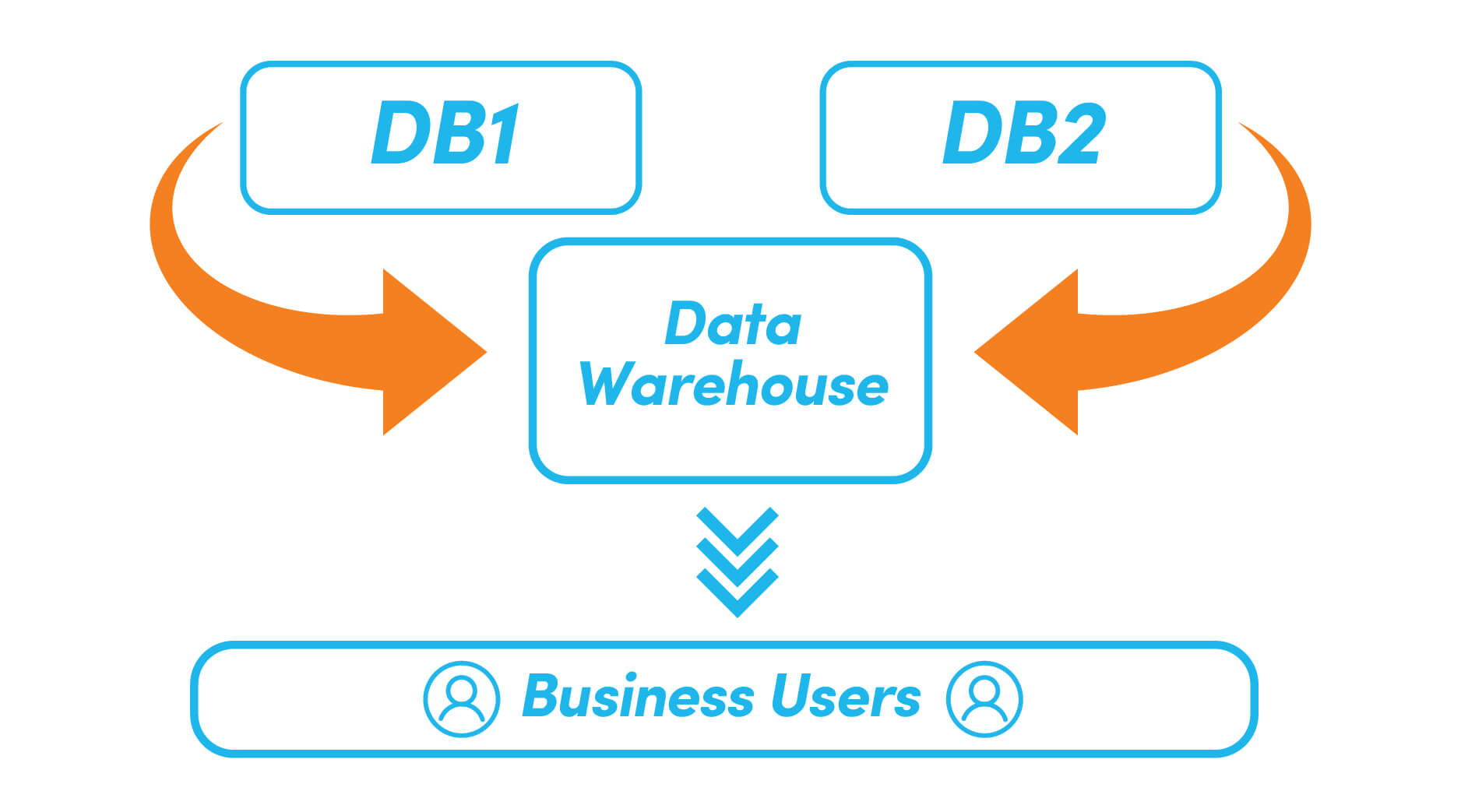
Image Gallery
Select an image to open it in a new tab.


Akira Tanaka
International Academic Trends Correspondent
