
Contrary to popular belief, there is no specific Texas law that prohibits picking bluebonnets. However, you can still face legal consequences for trespassing on private property, damaging state property, or removing vegetation from state and national parks. While the act of picking the flower itself isn't a crime on most public lands, several secondary laws make the practice risky and discouraged.
The Persistent Myth of the Bluebonnet Law
For generations, Texans and visitors alike have been told that picking a bluebonnet is a high-level offense, sometimes even rumored to be a felony. As we move through the 2026 wildflower season, it is important to clarify that this is largely an urban legend. There is no statute in the Texas Penal Code or the Agriculture Code that singles out the bluebonnet (Lupinus texensis or Lupinus subcarnosus) for special legal protection.
The origin of this myth likely stems from a well-intentioned desire to protect the state flower, which was officially adopted in 1901. Law enforcement and conservationists often find the myth useful because it discourages the mass removal of flowers, ensuring that the blooms remain for others to enjoy. However, while the specific act of "picking a bluebonnet" is not a crime, the context in which you pick them can lead to serious legal trouble.
In 2026, the distinction between a "mythical law" and "enforceable statutes" remains critical. If you are caught picking bluebonnets, you won't be charged with "Bluebonnet Theft," but you could very well be charged with trespassing, criminal mischief, or disorderly conduct depending on where you are standing and what you are doing to the surrounding environment.
Where Picking Bluebonnets Is Strictly Illegal
While the "general" law doesn't exist, localized regulations are very real and strictly enforced. Understanding these jurisdictions is the first step for any wildflower enthusiast or photographer.
State and National Parks
The most common places people encounter bluebonnets are within the boundaries of state and national parks. In these areas, the law is unambiguous. Under the Texas Administrative Code (Title 31, Part 2, Chapter 59), it is an offense to "willfully mutilate, injure, destroy, take or even remove any plant, animal, or mineral" from a state park.
In 2026, park rangers continue to monitor popular spots like Willow City Loop or Big Bend National Park. Removing even a single flower in these areas can result in a Class C misdemeanor and a fine of up to $500. The philosophy behind this is the "leave no trace" principle; if every visitor took one flower, the ecosystem would collapse, and the visual beauty of the park would be stripped within days.
Private Property and Trespassing
The vast majority of the land in Texas is privately owned. If you see a stunning field of bluebonnets behind a fence, you cannot enter that land without the owner's express permission. Under Texas Penal Code Section 30.05, criminal trespassing occurs when a person enters or remains on property without effective consent and had notice that the entry was forbidden.
Notice can be provided through:
- Standard fencing.
- Posted "No Trespassing" signs.
- The Purple Paint Law: In Texas, vertical purple paint marks on trees or posts serve as a legal notice that the land is private and trespassing is prohibited.
If you cross a fence line to get that "perfect" 2026 spring photo and pick flowers along the way, you are committing a crime. Property owners in rural Texas are often protective of their land, and law enforcement will prioritize trespassing calls over wildflower inquiries.
Roadside Regulations and TXDOT Guidelines
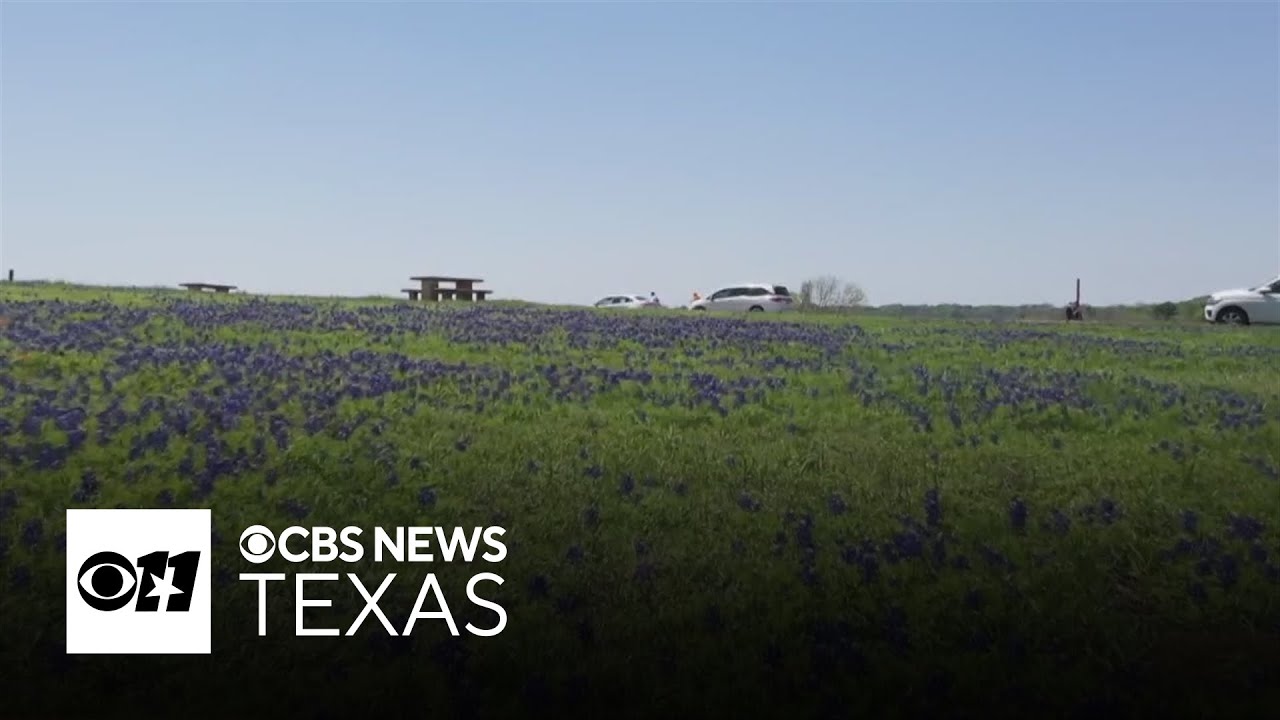
The Texas Department of Transportation (TXDOT) manages the "Wildflower Program," which involves sowing approximately 30,000 pounds of wildflower seed across the state each year. While TXDOT does not have a specific law against picking flowers on the highway right-of-way, they strongly discourage it for several operational and safety reasons.
Destruction of State Property
If your flower-picking involves digging up the plant or damaging the turf to the extent that it requires repair, you could be cited for criminal mischief or destruction of state property. The state invests significant tax dollars into these blooms for erosion control and aesthetic value.
Safety and Traffic Hazards
The primary concern for TXDOT in 2026 remains the safety of motorists. Stopping on the shoulder of a busy highway like I-35 or US-290 to pick flowers is extremely dangerous. It is illegal to stop or park a vehicle on a highway except in the case of an emergency. Law enforcement officers are more likely to issue a citation for an "obstructing traffic" or "unsafe stopping" violation than for the flowers themselves.
If you must take photos, the recommendation is to find a safe, off-road parking area and walk to the flowers, ensuring you remain within the public right-of-way and away from moving traffic.
The Ecological Impact: Why You Should Leave Them
Beyond the legalities, there is a biological imperative to leave bluebonnets where they grow. Bluebonnets are annual plants, meaning their entire life cycle happens within a single year.
The Seeding Process
For a field to return in 2027, the 2026 blooms must be allowed to complete their cycle. After the bluebonnet flower fades, it develops seed pods that look like small pea pods. These pods must dry out and "pop," throwing seeds onto the ground to germinate the following autumn. When you pick a bluebonnet, you are essentially removing the "parents" of next year's crop.
Wildlife Support
Bluebonnets provide a vital early-season nectar source for pollinators, including native bees and butterflies. In the current environmental climate of 2026, protecting these pollinator corridors is more important than ever. Removing the flowers deprives these insects of food and disrupts the local food web.
Comparative Legality Table: 2026 Guidelines
| Location | Is it Illegal to Pick? | Likely Legal Consequence | Governing Authority |
|---|---|---|---|
| Texas State Parks | Yes | Fine up to $500 (Class C Misdemeanor) | Texas Parks & Wildlife |
| National Parks | Yes | Federal citation and fines | National Park Service |
| Private Land | Yes (without consent) | Criminal Trespass charges | Texas Penal Code |
| Highway Shoulders | Generally No* | Traffic citations/Mischief charges | TXDOT / State Troopers |
| Municipal Parks | Varies | Local ordinance fines | City/County Government |
| Personal Property | No | None | Homeowner Rights |
*Note: While not specifically illegal, it is strongly discouraged by state agencies.
Safety Hazards in the Bluebonnet Fields
If you choose to venture into a field (where legal) to take photos or admire the blooms, there are three primary physical hazards you must account for in 2026.
1. Rattlesnakes and Copperheads
Bluebonnet fields provide excellent camouflage for snakes. As the weather warms in late March and April, snakes become more active. They often bask in the sun hidden beneath the dense foliage of the wildflowers. Always use a stick or a long object to rustle the plants before stepping into them or sitting down for a photo.
2. Red Imported Fire Ants
Texas is home to aggressive fire ants that build mounds in the same sandy, well-drained soil that bluebonnets prefer. Sitting directly on a mound is a common mistake for tourists. Fire ant stings are painful and can cause allergic reactions in some individuals. Inspect the ground thoroughly before settling in.
3. Traffic and "Rubbernecking"
The "Bluebonnet Sightseer" is a known traffic hazard in Texas. Sudden braking or erratic lane changes when someone spots a particularly vibrant patch of flowers causes numerous accidents every spring. If you are driving, keep your eyes on the road. If you are the photographer, ensure your vehicle is completely off the roadway and not creating a blind spot for other drivers.
Best Practices for Wildflower Season 2026
To enjoy the season without legal or environmental repercussions, follow these professional guidelines:
- Look, Don't Touch: The best way to preserve the beauty of Texas is to take only memories and photos.
- Verify Land Ownership: Use property tax maps or mobile apps to ensure you aren't wandering onto a private ranch.
- Check Local Ordinances: Some cities (like Ennis, the "Official Bluebonnet City of Texas") have specific seasonal rules regarding where you can and cannot walk.
- Use Established Paths: In state parks and nature preserves, stay on the designated trails. Stepping on the plants crushes them and prevents them from reseeding.
- Don't Trample: When taking photos, be mindful of where you step. If you flatten a patch of bluebonnets, they likely won't recover for the rest of the season.
Frequently Asked Questions
Can I be arrested for picking a bluebonnet on the side of the road?
It is highly unlikely you would be arrested for the act of picking the flower itself. However, if your car is parked in a way that creates a hazard, or if you are aggressive toward an officer who asks you to move, you could be cited or detained for traffic-related offenses or resisting a lawful order.
Are bluebonnets poisonous to pets?
Yes. Bluebonnets contain alkaloids (specifically lupanine and sparteine) that are toxic to dogs, cats, and horses if ingested. In 2026, veterinarians continue to warn pet owners to keep their animals from chewing on the leaves or seed pods during photo shoots.
Is there a limit on how many I can pick if I am on my own land?
No. If the land belongs to you, you have full legal right to pick, mow, or remove any vegetation as you see fit. However, most conservationists recommend leaving a healthy portion of the crop to ensure a return bloom the following year.
Do bluebonnets grow outside of Texas?
Yes, various species of the Lupinus genus grow across the United States. For example, the succulent lupine (Lupinus succulentus) is native to California. Laws regarding these species vary by state, but the rule for National Parks and National Forests remains the same nationwide: it is illegal to remove any plant life.
What should I do if I see someone else picking them in a State Park?
Do not attempt to confront the individual yourself. Instead, note the location and, if possible, a vehicle description or license plate, and report the activity to a park ranger or the Texas Parks and Wildlife Department.
Final Recommendation
For the 2026 season, the most responsible way to enjoy bluebonnets is to treat them as a "visual-only" resource. While you likely won't go to jail for picking a single flower on a public roadside, the combined risk of trespassing fines, traffic accidents, and ecological damage makes picking them a poor choice. Stick to official "Wildflower Trails," stay behind the fences, and use a zoom lens to capture the beauty without disturbing the delicate cycle of the Texas state flower.
Image Gallery
Select an image to open it in a new tab.


Mateo Castillo
Decentralized Finance and E-Payments Strategist
