Understanding Life Insurance Claims for the Average Family: A Step-by-Step Guide

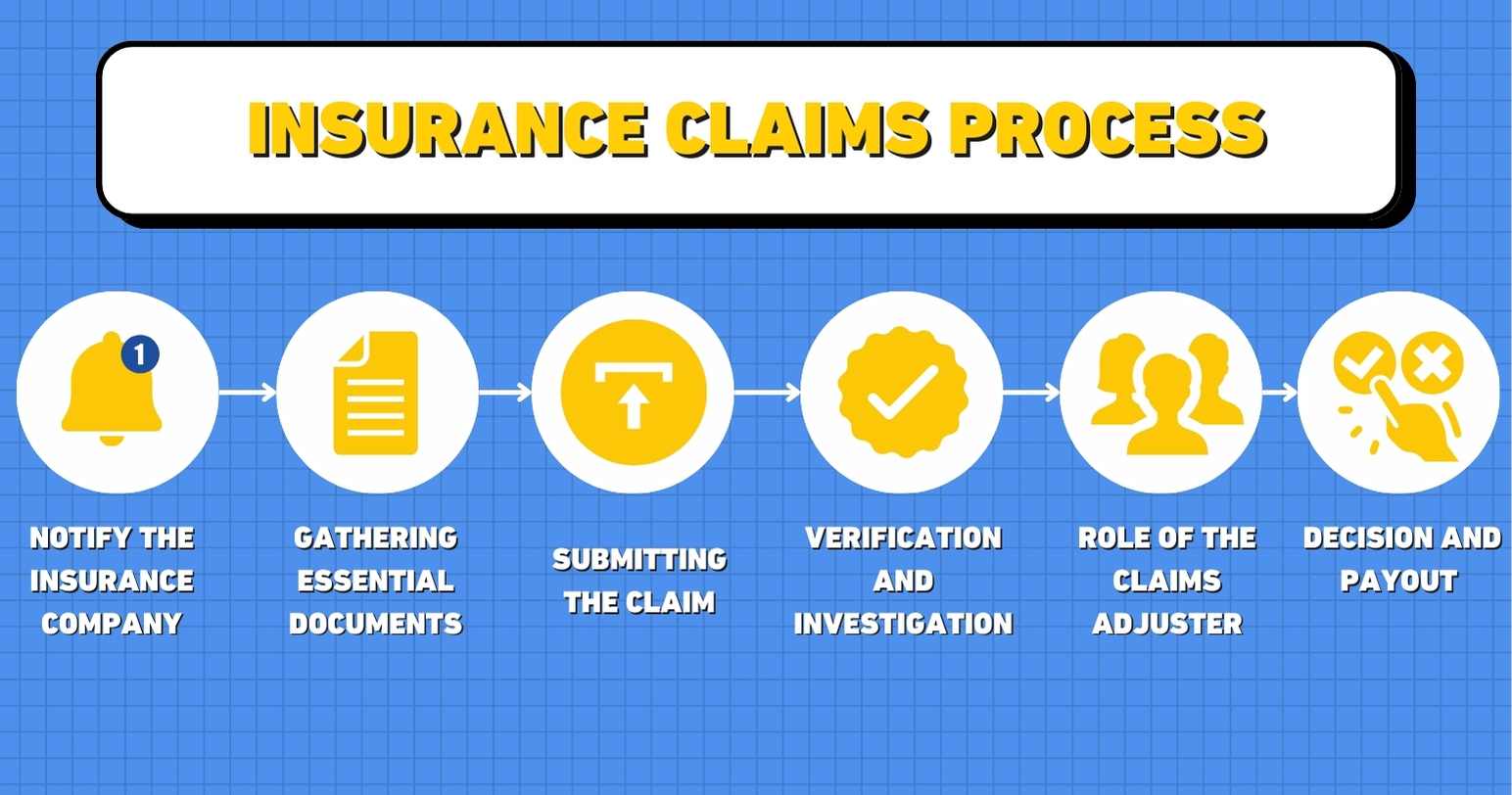
Filing a life insurance claim during a period of grieving can feel overwhelming, but the core process is straightforward once broken down into clear steps. To claim a life insurance death benefit, a named beneficiary must notify the insurance company, obtain certified copies of the deceased's death certificate, complete a claimant's statement form, select a payout method, and submit the required documentation for review. Most straightforward claims are processed and paid within 30 to 60 days.
How Life Insurance Claims Work: The Fundamentals
A life insurance policy is a contractual agreement between a policyholder and an insurance carrier. In exchange for regular premium payments, the insurer guarantees a tax-free cash payout—known as the death benefit—to designated beneficiaries upon the insured individual's death.
For the average family, understanding how this contract transitions into an actual financial payout is vital. The policy does not automatically pay out upon someone's passing; the insurance company is often unaware of the death until a claim is formally filed. The responsibility rests on the surviving family members or named beneficiaries to initiate the process.
Key Terminology Every Beneficiary Should Know
Navigating legal and insurance documentation requires familiarity with key industry terms:
- Insured: The individual whose life is covered under the insurance policy.
- Policyholder/Owner: The person or entity that owns the policy and pays the premiums. This is often the insured person, but it can also be a spouse, business partner, or trust.
- Beneficiary: The person, people, or entity designated to receive the policy's proceeds.
- Primary Beneficiary: First in line to receive the payout.
- Contingent (Secondary) Beneficiary: Receives the payout only if all primary beneficiaries pass away before or at the same time as the insured.
- Death Benefit (Face Value): The total amount of money the insurance policy pays out upon the death of the insured.
- Claimant’s Statement: The official form submitted by the beneficiary to request the payout.
- Contestability Period: A standard clause (typically the first two years of a policy) during which the insurance company has the legal right to investigate the original application for misrepresentations or omissions before paying a claim.
Step-by-Step Guide to Filing a Life Insurance Claim
When a family member passes away, taking a methodical approach to filing the claim ensures a smoother processing window and reduces unnecessary delays.
- Step 1: Locate Policy & Contact Information
- Step 2: Obtain Certified Death Certificates
- Step 3: Contact Insurer & Request Claim Forms
- Step 4: Select the Payout Method
- Step 5: Submit Claim Package & Track Status
Step 1: Locate the Policy Documents and Carrier Information
Before contacting an insurer, locate the physical policy contract or the digital policy schedule. Look through file cabinets, personal safes, safe deposit boxes, or electronic record archives.
If you cannot find the physical policy document, locate a recent billing statement, bank record showing premium payments, or insurance card. If you know the company name but lack the policy number, the insurer's claims department can usually look up the policy using the insured's full legal name, Date of Birth, and Social Security Number (SSN).
If you suspect a deceased relative had a policy but cannot find any paperwork, utilization of the NAIC Life Insurance Policy Locator Service maintained by the National Association of Insurance Commissioners can match beneficiaries with missing policies across participating carriers.
Step 2: Obtain Certified Copies of the Death Certificate
Insurance companies will not process a claim without an official, certified death certificate. A standard photocopy is generally insufficient; carriers require a document bearing an official embossed or colored seal from the vital statistics office or county clerk.
You can order certified copies through the funeral home director handling the arrangements or directly from the state or county vital records department. Request multiple certified copies (typically 5 to 10), as other institutions—such as banks, mortgage lenders, investment firms, and probate courts—will also require original certified copies.
Ensure the death certificate explicitly states the cause of death and manner of death, as insurers require this information to confirm that the death does not fall under specific policy exclusions.
Step 3: Contact the Insurer and Request the Claim Packet
Call the customer service or dedicated claims department of the insurance company. Inform them of the policyholder's passing. The representative will verify your identity, check whether you are listed as a designated beneficiary, and initiate the claim file.
The carrier will send you a Claim Packet, which contains:
- The formal Claimant’s Statement (Claim Form).
- Payment election form (choosing how you want to receive funds).
- Tax reporting forms (such as Form W-9 for US citizens to verify SSNs, even though death benefits are generally non-taxable, any accrued interest is reportable).
Step 4: Complete the Claimant's Statement Form Accurately
Each primary beneficiary must complete their own individual Claimant’s Statement. If three siblings are named equal co-beneficiaries, all three must fill out separate forms to receive their respective one-third share.
When completing the form:
- Double-check all social security numbers, birth dates, and current residential addresses.
- Provide clear contact details to prevent communication delays.
- Indicate whether the cause of death was natural, accidental, or under investigation.
Step 5: Select Your Preferred Payout Method
Insurers offer several distribution options for receiving proceeds. Beneficiaries must select an option on the claim form. (See the comparison table below for a breakdown of these choices.)
Step 6: Submit the Complete Claim Package and Monitor Progress
Assemble the required materials:
- Completed and signed Claimant’s Statement.
- Original certified Death Certificate.
- Original policy document (if required by the carrier, though many modern insurers no longer require returning the paper policy).
- Government-issued photo identification (copy of driver's license or passport).
Send the paperwork via a tracked mail service (such as USPS Certified Mail, FedEx, or UPS) or upload it through the insurer's secure customer online portal if permitted. Keep digital copies of every document you submit, along with a log of all telephone calls, names of representatives, and dates of communication.

Payout Options for Families: Choosing the Right Distribution Method
When completing claim paperwork, families must decide how to receive the policy proceeds. Each option carries distinct practical and financial implications.
| Payout Option | How It Works | Advantages | Disadvantages | Best Suited For |
|---|---|---|---|---|
| Lump-Sum Payment | Full benefit amount paid at once via electronic transfer or physical check. | Immediate access to funds; maximum flexibility; tax-free principal. | Requires responsible management to avoid premature exhaustion. | Families needing to pay immediate debts, pay off a mortgage, or manage their own long-term investments. |
| Retained Asset Account (RAA) | Proceeds placed in an interest-bearing account opened by the insurer; accessible via draft book/checks. | Money earns interest immediately while giving the beneficiary time to make decisions. | Funds are held by insurer (not traditional bank deposits, though backed by state guaranty funds). | Beneficiaries who are grieving and need time before making major financial moves. |
| Specific Income / Installment Option | Proceeds paid out in regular payments (monthly/annually) over a fixed number of years. | Provides predictable income stream; prevents spending the entire sum quickly. | Less flexibility for sudden financial emergencies; interest portion is taxable. | Families replacing a primary breadwinner's ongoing paycheck for a set period. |
| Life Income (Annuity) | Proceeds converted into a guaranteed stream of income for the remainder of the beneficiary’s life. | Income cannot be outlived; provides lifetime financial security. | Total payout depends on lifespan; payouts usually stop at death unless survivor options are chosen. | Surviving spouses who need guaranteed lifetime income replacement. |
| Interest-Only Option | Insurer retains the principal death benefit and pays only the earned interest to the beneficiary periodically. | Preserves the entire capital sum; principal can be passed to secondary beneficiaries later. | Income generated depends on prevailing interest rates; full principal remains untouched. | Families with existing financial stability looking to preserve capital for future generations. |
Common Reasons Life Insurance Claims Are Delayed or Denied
While the majority of life insurance claims are approved and paid without incident, complications can arise. Understanding potential roadblocks helps families navigate obstacles effectively.
- Claim Submitted
- Standard Approval (30-60 Days)
- Investigation Required
- Policy within 2-year Contestability Window?
- Cause of Death excluded (e.g., Suicide Clause, Crime)?
- Lapse due to Unpaid Premiums?
1. The Two-Year Contestability Period
Under standard state insurance laws, policies feature a mandatory two-year contestability clause. If the insured person dies within two years of the policy's effective date, the insurance company has the legal right to review the original application details.
The insurer examines medical records to verify whether the applicant accurately disclosed pre-existing health conditions, tobacco use, medical history, or dangerous hobbies.
- Material Misrepresentation: If the insurer discovers that the applicant knowingly withheld critical medical facts (e.g., failing to disclose a history of heart disease or cancer treatments), the claim may be denied, or the payout reduced to account for the true risk level.
- Innocent Mistakes: Minor clerical errors (such as misspelling a family member's name or a minor misstatement of height/weight) generally do not invalidate a claim unless they materially altered the underwriting risk.
2. Policy Incontestability vs. Exclusions
After the contestability period expires (usually after 2 years), the carrier cannot deny a claim due to misstatements on the application. However, policy exclusions remain enforceable regardless of how long the policy has been active:
- Suicide Clause: Almost all policies contain a suicide clause active during the first two years. If the insured dies by suicide within this window, the insurer typically denies the death benefit payout but refunds all premiums paid to the beneficiary. After two years, death by suicide is generally covered under standard term and permanent policies.
- Illegal Acts / Criminal Exclusion: Insurers will deny claims if the death occurred while the insured was actively committing a felony or participating in illegal activities.
- Aviation and Hazardous Occupations: Standard policies may exclude deaths resulting from non-commercial aviation (e.g., private piloting) or specific high-risk activities unless specialized riders were purchased.
- War and Terrorism Clauses: Some policies, particularly older or international policies, contain exclusions for deaths occurring in active war zones or military conflicts.
3. Policy Lapse Due to Unpaid Premiums
A frequent cause of claim denial is policy termination prior to death due to non-payment of premiums.
- Grace Period: Insurance regulations require a statutory grace period—typically 30 to 31 days—after a missed payment deadline. If the insured passes away during the grace period, the policy remains active, and the insurer pays the death benefit (minus the unpaid premium amount).
- Lapsed Policies: If the grace period expires without payment, the policy lapses. If a policy has lapsed, no death benefit is payable unless the policyholder had successfully applied for reinstatement prior to death.
4. Disputes Over Beneficiary Designations
Disputes over who is rightfully entitled to proceeds can suspend payout processing:
- Outdated Beneficiary Records: If an individual divorces but forgets to remove an ex-spouse as the primary beneficiary, state law determines the outcome. Many states have "revocation-upon-divorce" statutes that automatically remove an ex-spouse upon final divorce, while other jurisdictions uphold the written contract regardless of martial status.
- Interpleader Actions: If multiple parties claim entitlement to the same death benefit (e.g., a current spouse versus an ex-spouse or children from a prior marriage), the insurance company may file an interpleader action in court. The carrier deposits the contested funds with the court system and steps back, allowing a judge to determine legal distribution.
Tax and Financial Implications of Life Insurance Payouts
For the vast majority of families, receiving a life insurance payout does not create a federal or state income tax obligation. However, important exceptions and nuance exist under United States tax laws.
Income Taxes
According to IRS Publication 525, life insurance proceeds received due to the death of the insured are not included in gross income and do not need to be reported as taxable income on federal income tax returns.
The Interest Exception: If an insurance company takes time to process a claim and pays interest on the delayed death benefit, or if you select a payout option that earns interest (such as an annuity or installment payout), the interest earned is taxable as ordinary income. The base principal remains completely tax-free.
Estate Taxes
While life insurance benefits are generally exempt from income tax, they can be included in the deceased's gross estate for estate tax purposes if the deceased owned the policy at the time of death.
If the total value of the deceased’s gross estate (including life insurance proceeds, real estate, retirement accounts, and personal property) exceeds federal estate tax exemption thresholds, estate taxes may apply. To prevent life insurance from ballooning an estate's tax liability, high-net-worth individuals often utilize an Irrevocable Life Insurance Trust (ILIT) to hold ownership of the policy outside their personal estate.
What to Do If a Claim Is Delayed or Denied
If your family receives notification that a claim has been delayed, suspended, or formally denied, take structured steps to review the decision:
Claim Delayed or Denied
Request Written Explanation from Insurer
Gather Missing Records / Clarify Discrepancies
Submit Formal Internal Appeal to Insurer
Unresolved Dispute?
- File Complaint with State Insurance Comm.
- Consult an Insurance Bad-Faith Attorney
Request Full Written Documentation: Demand a detailed written explanation from the insurance carrier citing the specific policy terms, exclusions, or application details relied upon to deny or delay the claim.
Obtain Medical Records: If a denial stems from the two-year contestability window, obtain the complete medical records referenced by the underwriter. Insurers sometimes misinterpret physician notes or conflate routine diagnostic testing with diagnosed pre-existing conditions.
Submit a Formal Internal Appeal: Insurance companies have internal appeals processes. Provide additional evidence, medical opinions, or clarified background facts addressing the specific reason for denial.
File a Complaint with the State Insurance Department: Every US state operates an insurance regulatory body (such as a State Department of Insurance). If you believe an insurer is acting in bad faith, delaying payments unreasonably, or misinterpreting contract terms, submit a formal administrative complaint. Regulators can review the insurer's conduct and compel compliance with state laws.
Consult an Insurance Attorney: If substantial funds are involved and an appeal is rejected, consult a legal professional specializing in life insurance litigation or insurance bad-faith claims. Many attorneys offer free initial case evaluations for beneficiaries facing wrongful claim denials.
Practical Checklist: Preparing Your Family's Claims Ahead of Time
To spare your loved ones stress during a future crisis, organize your policy details proactively:
- Store Policies Centralization: Keep paper policies, rider documents, and financial records in a secure, fireproof home safe or share digital access credentials with a trusted family member.
- Maintain an Information Sheet: Write down the name of the insurance company, policy numbers, customer service phone numbers, agent contact details, and policy face values on a dedicated master list.
- Review Beneficiary Designations Annually: Ensure primary and contingent beneficiary designations reflect major life events such as marriages, divorces, births, and deaths.
- Specify Contingent Beneficiaries: Always name secondary beneficiaries. If a primary beneficiary predeceases the insured and no contingent beneficiary is listed, the death benefit defaults to the insured's estate, subjecting the funds to probate delays and creditor claims.
- Inform Named Beneficiaries: Make sure your named beneficiaries know that a policy exists, where it is stored, and which insurance carrier holds the contract.
Frequently Asked Questions
How long does an insurance company have to pay out a claim?
In most states, insurance companies are required by law to process and pay undisputed life insurance claims within 30 to 60 days of receiving all completed claim documents. If an insurer delays payment beyond statutory limits without a valid legal reason, many jurisdictions require the carrier to pay interest on the owed amount from the date of death until settlement.
Can creditors take a life insurance payout from a beneficiary?
Generally, no. Life insurance death benefits paid directly to a named individual beneficiary are protected from the deceased person's creditors. The money belongs to the beneficiary, not the estate. However, if the death benefit is paid directly to the estate (which happens if no living beneficiary is named), the proceeds enter probate and become accessible to creditors to pay off the deceased's debts.
What happens if the primary beneficiary passed away before the insured?
If the primary beneficiary dies before the insured person and the policyholder never updated the policy, the proceeds pass automatically to the designated contingent (secondary) beneficiary. If no contingent beneficiary is named, the money goes to the insured person’s estate and must go through the formal court-supervised probate process.
Is suicide covered by life insurance policies?
Yes, but only after the policy's suicide exclusion clause period has expired. In most states, this clause lasts for the first two years of the policy contract. If the insured dies by suicide within two years of policy issuance, the claim is typically denied, but the insurer returns all paid premiums to the beneficiary. After two years, suicide is covered like any other cause of death.
What if I cannot find the physical life insurance policy paper document?
You do not strictly need the original physical paper contract to file a claim. You only need the insurance company's name, the policy number (which can often be looked up using the deceased’s SSN and birth date), and official proof of death. If you are unsure which company holds the policy, use the National Association of Insurance Commissioners (NAIC) free policy locator tool to search participating insurers nationwide.
Next Steps for Beneficiaries
If you currently need to file a claim, begin by requesting certified copies of the death certificate from your funeral director or local vital records office. Simultaneously, locate the policy details or use state locator services to identify the issuing carrier. Reaching out to the insurer’s claims department early ensures you receive the correct claimant paperwork promptly, allowing your family to secure financial support without unnecessary delays.
Image Gallery
Select an image to open it in a new tab.
Mateo Castillo
Decentralized Finance and E-Payments Strategist
