Managing Tooth Sensitivity from Whitening Strips: Causes, Relief, and Prevention

Tooth sensitivity from whitening strips occurs when peroxide penetrates the enamel to reach the underlying dentin, irritating the tooth’s internal nerve. To alleviate this, immediately pause whitening, apply a desensitizing toothpaste containing potassium nitrate or hydroxyapatite, and shorten future application times. Most sensitivity is temporary, typically resolving within 24 to 48 hours after treatment ends.
Understanding the Mechanism of Whitening-Induced Sensitivity
To effectively manage tooth sensitivity from whitening strips, one must first understand why it occurs. Most over-the-counter whitening strips utilize hydrogen peroxide or carbamide peroxide as their active bleaching agents. While these chemicals are highly effective at breaking down organic stains within the tooth structure, they are also highly oxidative.
When you apply a whitening strip, the peroxide permeates the porous lattice of your enamel. Below the enamel lies the dentin, a denser but still porous layer containing microscopic channels known as dentin tubules. These tubules lead directly to the pulp chamber, which houses the tooth's nerves and blood vessels. As the peroxide moves through these tubules, it causes a minor, reversible inflammatory response in the pulp. This process, often referred to as "pulpitis," is what creates the sharp, sudden sensations—frequently called "zingers"—associated with whitening.
Furthermore, the whitening process temporarily dehydrates the teeth. As the peroxide breaks down, it draws moisture out of the tooth structure. This dehydration increases the osmotic pressure within the dentin tubules, making the nerves significantly more reactive to external stimuli such as cold air, hot liquids, or even the pressure of a toothbrush.
Identifying Symptoms of Whitening Sensitivity
Sensitivity from whitening strips is distinct from the chronic sensitivity caused by gum recession or enamel erosion, though the two can overlap. It is important to distinguish these symptoms to ensure you are treating the correct issue.
- Localized or Generalized "Zingers": These are sudden, sharp flashes of pain that seem to come from nowhere. They are usually short-lived but can be quite jarring.
- Temperature Reactivity: An increased sensitivity to very cold or very hot foods and drinks. This is the most common symptom and usually peaks within the first few hours after removing a strip.
- Air Sensitivity: In moderate cases, simply breathing in cold air through your mouth can trigger a dull ache or a sharp sting.
- Gum Irritation: If the strips overlap onto the gingival tissue (the gums), the peroxide can cause chemical burns. This manifests as white patches on the gums, soreness, or a stinging sensation that is separate from the internal tooth pain.
In 2026, most clinical guidelines suggest that if sensitivity persists for more than 72 hours after your last whitening session, the cause may be an underlying issue—such as a micro-crack in the enamel or a failing filling—rather than the whitening strips themselves.

Immediate Relief Strategies for Post-Whitening Pain
If you are currently experiencing significant discomfort after a whitening session, several immediate steps can mitigate the pain and accelerate the recovery of the tooth’s natural mineral balance.
Use Desensitizing Agents
The most effective way to combat "zingers" is the use of potassium nitrate. This compound works by migrating through the dentin tubules to the nerve, where it prevents the nerve from repolarizing. Essentially, it "numbs" the nerve's ability to send pain signals. For the fastest relief, you can rub a small amount of desensitizing toothpaste directly onto the sensitive teeth and let it sit for several minutes before rinsing.
Rehydration and Remineralization
Since dehydration is a primary driver of sensitivity, rehydrating the teeth is essential. Drinking plenty of room-temperature water is helpful, but applying a remineralizing gel or paste is more effective. Products containing Nano-Hydroxyapatite (nHAp) have become the gold standard in 2026 for this purpose. Hydroxyapatite is the primary mineral that makes up human enamel; in its nano-form, it can physically plug the open dentin tubules, providing a mechanical barrier that stops sensitivity at the source.
Avoid Triggers
For at least 24 hours following a painful whitening session, avoid "extreme" foods. This includes highly acidic beverages (sodas, citrus juices), which can further open the enamel pores, and extreme temperature items like ice cream or steaming coffee.
Comparison of Whitening Agents and Sensitivity Risks
Not all whitening strips are created equal. The concentration of the active ingredient and the delivery system greatly influence the level of sensitivity you might experience.
| Whitening Agent | Typical Concentration | Sensitivity Risk | Mechanism of Action |
|---|---|---|---|
| Hydrogen Peroxide | 6% - 14% | High | Fast-acting oxidation; penetrates enamel quickly. |
| Carbamide Peroxide | 10% - 22% | Moderate | Breaks down into hydrogen peroxide; slower, more controlled release. |
| Phthalimidoperoxycaproic Acid (PAP) | 10% - 15% | Low | Non-oxidative bleaching; does not release free radicals that irritate nerves. |
| Sodium Bicarbonate | Variable | Very Low | Abrasive surface stain removal; does not penetrate the tooth. |
Note: In 2026, PAP-based strips have gained popularity as a "sensitivity-free" alternative, though they may require more frequent applications to achieve the same results as traditional peroxide.
How to Prevent Sensitivity in Future Whitening Sessions
You do not necessarily have to give up on a brighter smile because of sensitivity. By modifying your approach, you can often achieve the desired shade without the associated pain.
Pre-Treatment Conditioning
Start using a desensitizing toothpaste containing potassium nitrate at least two weeks before you begin your whitening regimen. This allows the potassium nitrate to build up within the tubules, providing a "shield" for the nerves before they are exposed to the peroxide.
Adjust the Application Schedule
Most whitening strip instructions suggest daily use for 10 to 14 days. However, for those prone to sensitivity, an "every other day" or "every third day" approach is often much more tolerable. This gives the teeth time to rehydrate and the pulp time to recover from the minor inflammation between sessions. The end result—the whiteness achieved—is usually the same; it simply takes longer to reach the goal.
Reduce Application Time
If the instructions say to wear the strips for 30 minutes, try wearing them for only 15 or 20 minutes. The bleaching process is cumulative. Shorter, more frequent sessions are often easier on the nerves than long, intense exposures.
Custom-Trimming the Strips
Many people experience sensitivity because the strips are too large and cover the gums or unnecessary areas of the teeth. Using scissors to trim the strips so they only touch the front surfaces of the teeth—and avoiding the gum line entirely—can significantly reduce both tooth sensitivity and soft-tissue irritation.
Long-Term Oral Health and Enamel Integrity
A common concern is whether whitening strips cause permanent damage to the enamel. While excessive bleaching can lead to enamel thinning over years of abuse, occasional use is generally considered safe by the American Dental Association (ADA). However, maintaining the health of your enamel is paramount to preventing chronic sensitivity.
Enamel does not grow back. Therefore, if you are a frequent "whitener," you should supplement your routine with fluoride treatments or hydroxyapatite-based products to ensure the enamel remains dense and resistant to acid erosion. Acidic foods and drinks (like wine, coffee, and citrus) should be consumed in moderation, as they can wear down the enamel over time, making the whitening process increasingly painful.
Alternative Solutions for Sensitive Teeth
If traditional peroxide-based strips are consistently too painful, consider these alternatives:
- Professional In-Office Whitening: While often more "intense," dentists use high-quality desensitizers and can isolate the gums more effectively than at-home kits.
- Whitening Toothpastes with Covaline: By 2026, many toothpastes use optical illusion technology (like blue covarine) to make teeth appear whiter instantly without changing the internal color of the tooth.
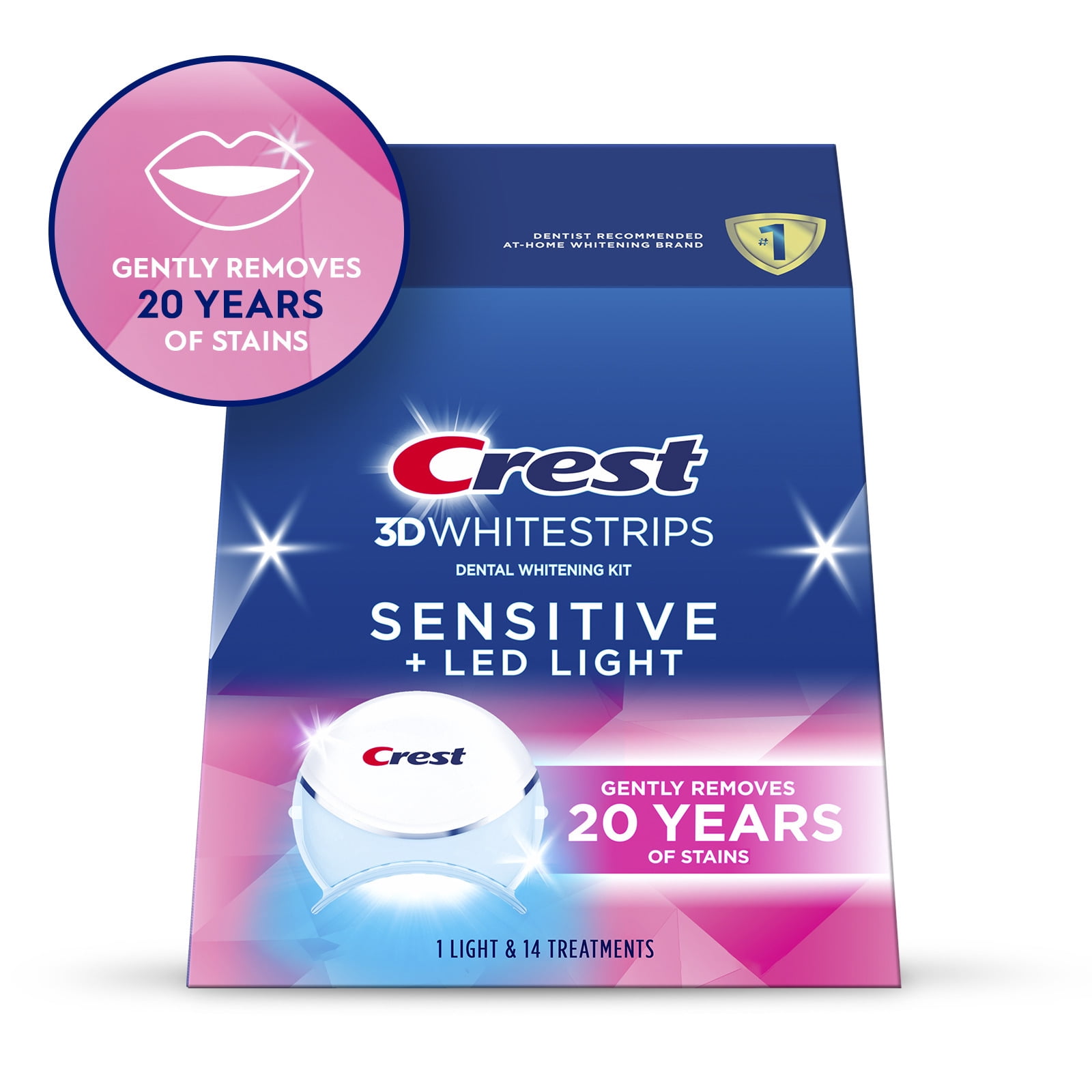
- LED-Accelerated Kits (Low Peroxide): Some modern kits use light energy to accelerate the breakdown of peroxide, allowing for lower concentrations of the chemical to be used, which reduces the risk of nerve irritation.
FAQs About Tooth Sensitivity from Whitening Strips
Why do my teeth hurt even after I stop using the strips?
The inflammation in the pulp (the "nerve center" of the tooth) can take time to subside. Even after the peroxide is gone, the nerves may remain in a "hyper-responsive" state for a day or two. Additionally, the teeth need time to fully remineralize and close the dentin tubules that were opened during the process.
Can whitening strips cause permanent nerve damage?
When used according to the manufacturer's instructions or a dentist's guidance, whitening strips are unlikely to cause permanent nerve damage. However, extreme overuse (e.g., leaving them on overnight or using them every day for months) can lead to irreversible pulpitis or enamel degradation. Always follow the prescribed timelines.
Is it okay to use a whitening strip if my gums are bleeding?
No. If your gums are bleeding or inflamed due to gingivitis or injury, the peroxide in the whitening strips will cause significant pain and may delay the healing process of the soft tissue. Resolve any gum health issues before starting a whitening regimen.
Does the "zinger" sensation mean my enamel is thin?
Not necessarily. While people with thinner enamel may be more prone to sensitivity, even those with very thick, healthy enamel can experience zingers. It is more a reflection of how porous your enamel is and how quickly the peroxide can migrate to the dentin tubules.
Should I brush my teeth immediately before whitening?
It is generally recommended to brush gently with water or to wait at least 30 minutes after brushing with toothpaste before applying strips. Brushing can cause micro-abrasions on the gums, and toothpaste can sometimes leave a film that prevents the whitening agent from adhering evenly. However, you want the teeth to be clean of plaque so the strips can make direct contact with the enamel.
Practical Recommendation
If you are currently suffering from tooth sensitivity due to whitening strips, stop treatment immediately for at least 48 hours. Switch to a toothpaste formulated for sensitive teeth (look for Potassium Nitrate or Hydroxyapatite on the label) and apply it as a topical ointment to the most sensitive areas. When you resume whitening, cut the application time in half and use the strips only every other day. If sharp pain persists beyond three days after stopping, consult your dentist to rule out underlying dental issues such as cavities or exposed roots.
Disclaimer: This information is for educational purposes and does not constitute medical advice. Consult with a dental professional before starting any new whitening treatment, especially if you have pre-existing dental conditions or chronic sensitivity.
Image Gallery
Select an image to open it in a new tab.





Vivian Cho
Executive IT and Emerging Technologies Reporter
