Why Supplements for Focus and Mental Clarity Work

Supplements for focus and mental clarity work by supplying targeted nutrients, amino acids, and botanical extracts that optimize neurotransmitter production, enhance cerebral blood flow, and protect neural tissue from oxidative stress. These biochemical mechanisms collectively support sustained attention, working memory, and cognitive processing speed without relying solely on acute stimulants.
Navigating the modern information landscape requires sustained cognitive stamina. Many individuals experience brain fog, mental fatigue, and a reduced capacity for deep work due to stress, inadequate sleep, or nutritional gaps. To combat these challenges, the market for cognitive-enhancing compounds, often called nootropics, has expanded significantly. Understanding why these products work requires looking past marketing claims to examine the underlying neurobiology of attention, memory, and cognitive endurance.
Defining Focus, Mental Clarity, and Nootropics
To understand how cognitive supplements operate, it is necessary to define what focus and mental clarity actually mean from a physiological perspective. Focus, or selective attention, is the brain's ability to prioritize relevant stimuli while filtering out distractions. Mental clarity refers to the subjective and objective experience of processing information efficiently, maintaining working memory, and avoiding the sluggishness commonly termed "brain fog."
These cognitive states are regulated by complex networks in the prefrontal cortex and other brain regions, heavily mediated by chemical messengers known as neurotransmitters.
Nootropics—a term originally coined by Romanian psychologist and chemist Corneliu E. Giurgea in 1972—refer to substances that boost cognitive function while maintaining a high safety profile. While early definitions required nootropics to protect the brain against physical or chemical injuries, modern usage often encompasses any dietary supplement, vitamin, amino acid, or herbal extract marketed to enhance memory, creativity, motivation, or attention in healthy individuals.
The Neurochemical Architecture of Attention
The human brain relies on a delicate balance of neurotransmitters to maintain alertness and direct attention. Supplements designed for focus typically target specific neurochemical pathways to optimize signaling efficiency.
Acetylcholine: The Learning and Memory Messenger
Acetylcholine (ACh) is vital for arousal, attention, memory, and neuroplasticity. The basal forebrain supplies ACh to the neocortex and hippocampus, where it facilitates the encoding of new information. When acetylcholine pathways are underactive, individuals often experience poor memory consolidation and mental fatigue. Certain dietary compounds provide the raw materials or enzymatic inhibition necessary to maintain optimal acetylcholine tone in the synaptic cleft.
Dopamine and Norepinephrine: Motivation and Vigilance
Dopamine is the primary driver of the brain's reward, motivation, and executive function systems. In the prefrontal cortex, dopamine regulates working memory and the ability to sustain attention on unrewarding or complex tasks. Norepinephrine (noradrenaline) works in tandem with dopamine to mediate arousal, alertness, and the fight-or-flight response. Compounds that support dopaminergic and noradrenergic pathways help combat apathy and enhance task engagement.
GABA and Glutamate: The Balance of Excitation
Glutamate is the brain's primary excitatory neurotransmitter, essential for synaptic plasticity and rapid communication. Gamma-aminobutyric acid (GABA) is the primary inhibitory neurotransmitter, responsible for calming neural activity. A fine-tuned balance between excitation and inhibition is required for mental clarity; excess excitation can manifest as anxiety and scattered thinking, whereas balanced GABAergic activity promotes calm focus.
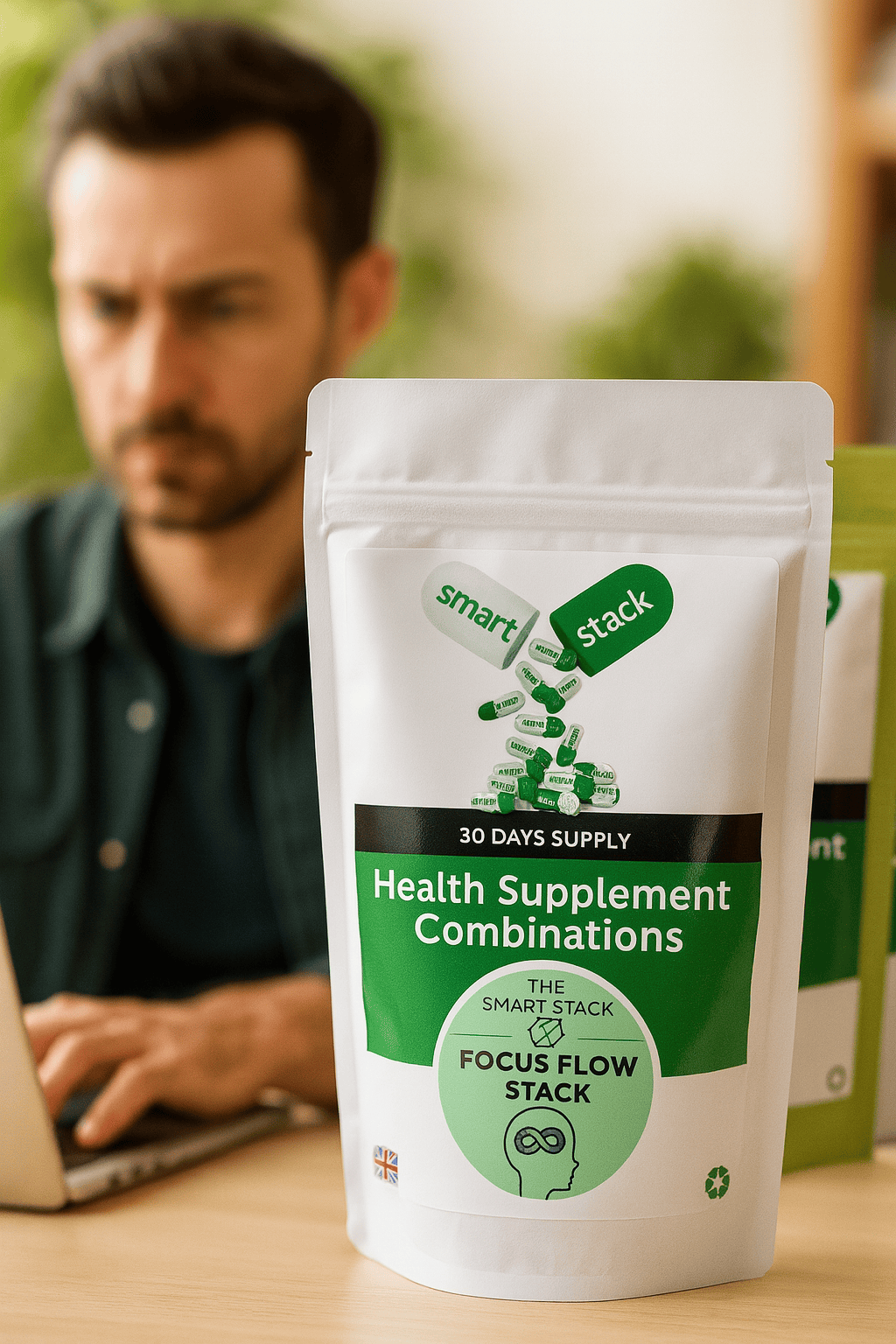
Key Mechanisms of Action: How Focus Supplements Function
Supplements do not magically generate focus out of nothing; they interact with existing biological systems through several primary mechanisms.
1. Neurotransmitter Precursors and Synthesis Support
Many cognitive supplements supply the literal building blocks that neurons use to manufacture neurotransmitters. For example, amino acids like L-tyrosine serve as direct precursors to dopamine and norepinephrine. Under conditions of acute stress or high cognitive demand, natural stores of tyrosine can become depleted, limiting dopamine synthesis. Supplying exogenous tyrosine helps sustain neurotransmitter production, thereby maintaining performance during demanding tasks.
2. Enzymatic Inhibition and Synaptic Preservation
Once a neurotransmitter is released into the synapse, it is often broken down rapidly by enzymes. Certain compounds act as inhibitors to slow this degradation. For instance, specific botanical extracts and synthetic nootropics inhibit acetylcholinesterase, the enzyme responsible for breaking down acetylcholine. By blocking this enzyme, the active lifespan of acetylcholine in the synapse is extended, amplifying cognitive signaling.
3. Cerebral Blood Flow and Oxygenation
The brain consumes roughly 20% of the body's energy despite accounting for only about 2% of its weight. It has virtually no energy reserves of its own, making a continuous supply of oxygen and glucose mandatory for optimal function. Vasodilators and adaptogenic herbs help enhance cerebral microcirculation, ensuring that neurons receive the metabolic fuel required for sustained attention and mental clarity.
4. Neuroprotection and Reduction of Oxidative Stress
Chronic stress, inflammation, and normal metabolic processes generate reactive oxygen species (ROS) that damage cellular structures within the brain. Antioxidants and neuroprotective compounds scavenge free radicals and upregulate endogenous cellular defense mechanisms, preserving long-term cognitive health and reducing the daily accumulation of mental fatigue.
Major Categories of Cognitive Supplements
Cognitive supplements can be grouped into distinct categories based on their chemical nature and primary mechanisms.
| Category | Primary Examples | Core Mechanism | Target Benefit |
|---|---|---|---|
| Amino Acids & Derivatives | L-Theanine, L-Tyrosine, ALCAR | Precursor supply, receptor modulation | Stress buffering, dopamine replenishment, cellular energy |
| Cholinesterases & Cholinergics | Alpha-GPC, Citicoline | Increases synaptic acetylcholine | Working memory, learning capacity, structural neuron support |
| Adaptogenic Botanicals | Rhodiola rosea, Panax ginseng, Bacopa monnieri | HPA-axis modulation, antioxidant activity, cerebral blood flow | Fatigue reduction, stress adaptation, long-term memory enhancement |
| Stimulants | Caffeine, Theacrine | Adenosine receptor antagonism | Acute alertness, reaction time, perceived exertion reduction |
Amino Acids: L-Theanine and L-Tyrosine
L-Theanine is a unique amino acid found primarily in green tea (Camellia sinensis). It crosses the blood-brain barrier and modulates alpha brain wave activity, promoting a state of relaxed alertness without causing drowsiness. When paired with caffeine, L-theanine mitigates the jittery side effects of the stimulant while synergistically enhancing focus and task-switching accuracy.
L-Tyrosine is another critical amino acid. As the rate-limiting precursor to dopamine, supplemental tyrosine supports cognitive flexibility and working memory under conditions of sleep deprivation, cold exposure, or heavy multitasking.
Cholinergic Compounds: Alpha-GPC and Citicoline
To maintain high levels of acetylcholine, many individuals turn to cholinergics. Alpha-GPC (L-alpha glycerylphosphorylcholine) and Citicoline (cytidine diphosphate-choline) are highly bioavailable sources of choline. Citicoline offers the added benefit of supplying cytidine, which converts to uridine, supporting the synthesis and repair of neuronal cell membranes. These compounds help prevent the mental exhaustion associated with intense, prolonged cognitive tasks.
Adaptogens: Rhodiola and Bacopa
Adaptogens are a class of plants and herbs that help the body adapt to physical, chemical, and biological stress.
- Rhodiola rosea: Known for its ability to reduce burnout symptoms and mental fatigue during high-stress periods by influencing serotonin and norepinephrine levels.
- Bacopa monnieri: A staple of Ayurvedic medicine, Bacopa contains active compounds called bacosides that protect brain cells from oxidative stress and enhance synaptic communication, particularly improving delayed recall and memory retention over weeks of consistent use.
Natural and Synthetic Stimulants
Caffeine remains the most widely consumed cognitive enhancer globally. It functions primarily as a competitive antagonist of adenosine receptors. Adenosine is a neuromodulator that builds up in the brain throughout the day, promoting sleepiness; by blocking it, caffeine staves off fatigue and increases alertness. Other compounds, such as theacrine, offer similar stimulant effects with less risk of tolerance buildup.
Evaluating Efficacy: What the Science Says
While the theoretical mechanisms sound promising, the clinical evidence supporting cognitive supplements varies widely. Robust, double-blind, placebo-controlled human trials exist for several well-studied ingredients, while others rely primarily on animal models, in vitro studies, or traditional use.
Ingredients with Strong Clinical Support
- Caffeine + L-Theanine: Numerous studies confirm that the combination improves cognitive performance, vigilance, and task-switching accuracy more effectively than either substance alone.
- Citicoline: Clinical research demonstrates improvements in attention and psychomotor speed in healthy adults, as well as neuroprotective benefits in clinical populations.
- Bacopa monnieri: Systematic reviews and randomized controlled trials show clear improvements in memory acquisition and retention, though benefits typically require 8 to 12 weeks of daily supplementation to manifest due to the gradual accumulation of active constituents.
Limitations and Individual Variability
Supplement efficacy is not uniform across the population. Factors that influence individual response include baseline nutritional status, genetic variations in neurotransmitter metabolism, baseline stress levels, and sleep hygiene. An individual who is sleep-deprived and nutritionally deficient will likely experience a dramatic improvement from targeted supplementation, whereas a well-rested individual with an optimal diet may notice minimal effects.
Safety, Quality Control, and Potential Side Effects
Because dietary supplements are regulated differently than pharmaceutical drugs in many jurisdictions, consumers must navigate safety and quality considerations carefully.
Common Side Effects
Even natural compounds can cause adverse effects if misused. Excessive stimulant intake can lead to elevated heart rate, anxiety, insomnia, and gastrointestinal distress. High doses of certain cholinergics may cause headaches or vivid dreaming. Adaptogens, while generally safe, can occasionally interact with medications or alter blood pressure.
Quality and Purity Risks
The supplement industry faces challenges regarding adulteration, mislabeling, and variable potency. Third-party testing organizations—such as NSF International, U.S. Pharmacopeia (USP), or ConsumerLab—evaluate products for label accuracy, heavy metals, and contaminant absence. Consumers are advised to look for these certifications to ensure product integrity.
Disclaimer: The information provided in this article is for educational and informational purposes only and does not constitute medical advice. Always consult a qualified healthcare professional before beginning any new supplement regimen, especially if you have pre-existing medical conditions or take prescription medications.
Practical Guidance for Choosing and Using Nootropics
Optimizing cognitive function through supplementation requires a structured, evidence-based approach rather than random experimentation.
- Audit Your Foundations: Supplements cannot compensate for chronic sleep deprivation, poor nutrition, dehydration, and lack of cardiovascular exercise. Address these foundational pillars first.
- Identify Your Specific Bottleneck: Determine whether your primary issue is lack of energy (requiring stimulants or mitochondrial support), poor memory (requiring cholinergics or Bacopa), or stress-induced brain fog (requiring adaptogens or L-theanine).
- Introduce One Compound at a Time: When testing new supplements, introduce them individually for at least two weeks. This isolation allows you to accurately assess efficacy and identify any adverse side effects.
- Prioritize Third-Party Tested Brands: Select manufacturers that transparently share Certificates of Analysis (COAs) and utilize independent verification seals.
- Cycle Stimulants: If using caffeine or other stimulants regularly, periodically reduce intake or cycle off to prevent receptor downregulation and maintain sensitivity.
Frequently Asked Questions
Do focus supplements work immediately?
Some focus supplements, such as caffeine and L-tyrosine, work acutely within 30 to 60 minutes of ingestion by directly altering neurotransmitter availability or blocking fatigue signals. Other compounds, such as Bacopa monnieri or certain mushroom extracts, require cumulative daily dosing over several weeks to build up active constituents in neural tissue before noticeable cognitive enhancements occur.
Are focus supplements safe for daily long-term use?
Safety depends entirely on the specific ingredients, dosages, and individual health profiles. While amino acids, vitamins, and adaptogens are generally considered safe for long-term daily use when taken within recommended limits, habitual use of high-dose stimulants can lead to tolerance, dependence, and adrenal fatigue. Consulting a healthcare provider is essential for long-term planning.
Can focus supplements replace prescription medications for ADHD?
No. Dietary supplements are not approved treatments or cures for medical conditions such Attention-Deficit/Hyperactivity Disorder (ADHD). While certain nootropics may offer mild support for focus and concentration in healthy individuals, they lack the clinical potency, strict regulatory standardization, and targeted pharmacological action of prescription stimulants like methylphenidate or amphetamines.
What is the difference between a smart drug and a natural nootropic?
"Smart drugs" typically refer to prescription pharmaceuticals (such as modafinil or methylphenidate) used off-label for cognitive enhancement, which carry stronger side-effect profiles and require medical supervision. Natural nootropics generally refer to over-the-counter dietary supplements, vitamins, amino acids, and herbal extracts that support brain function through milder, nutritionally grounded mechanisms.
Why do some focus supplements cause headaches?
Headaches from focus supplements are frequently linked to cholinergic depletion. Ingredients that rapidly increase acetylcholine synthesis—such as Alpha-GPC or high-dose cholinergics—can deplete the brain's available choline stores if demand outstrips supply, leading to tension or dull headaches. Ensuring adequate baseline choline or lowering the supplement dose often resolves this issue.
Conclusion and Next Actions
Supplements for focus and mental clarity work by interacting with neurochemical pathways, supporting neurotransmitter synthesis, improving cerebral blood flow, and protecting neural tissue from oxidative stress. While they are not magic pills, evidence-based nootropics provide genuine support for cognitive stamina when used alongside proper sleep, nutrition, and stress management. To take the next step, evaluate your specific cognitive needs, consult a medical professional to rule out contraindications, and select single-ingredient, third-party-tested products to build a safe and effective regimen.
Image Gallery
Select an image to open it in a new tab.


Lars Thomsen
Global Labor Markets and Economic Strategy Editor
